
First, for a quick answer, this is the short answer
‘Wear-resistant and anti-static, jute fabric is a kind of fabric made from jute plant fiber, which is wear-resistant and dirt-resistant. Tote bags made from jute are simple, stylish and very durable. Jute fabric material is widely used to make handbags. It is a very popular decorative design and it is a favorite decoration at weddings.
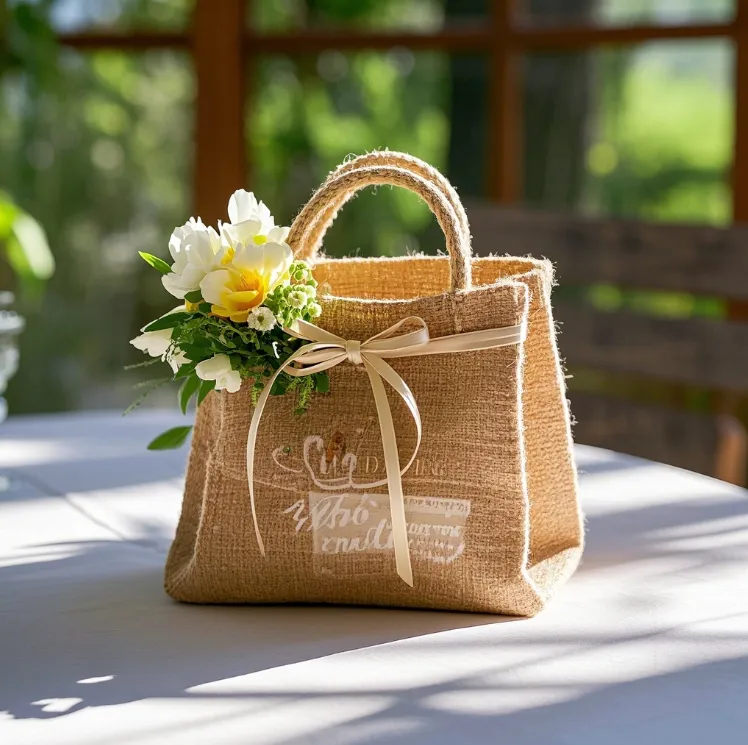
Next, if you are interested, you can learn more about jute bags in further detail. In recent years, handbags made of jute have been widely used, and in the wave of environmental protection sweeping the world today, jute bags have gradually become the mainstream alternative to plastic bags by virtue of their unique natural attributes and the concept of sustainability. It is not only a practical daily tool, but also a symbol of environmental protection lifestyle. This paper will be from the raw material properties of jute, historical applications, production processes, to the fashion of jute bags and environmental value, systematic elaboration of the core connotation of this green product.
1. The Raw Material: The Unique Properties of Jute Fiber
Jute bags are crafted from natural jute fiber, derived from the stems of the jute plant (Corchorus). Thriving in tropical regions like India, Bangladesh, and China, jute is nicknamed the “Golden Fiber” for its versatility and eco-friendly attributes.
Physical Characteristics of Jute Fiber
Strength & Durability: Jute fibers are robust and flexible, capable of bearing heavy loads without tearing.
Breathability: The porous structure allows air circulation, preventing moisture buildup and mold.
Texture: Naturally coarse yet lightweight, jute fabric offers a rustic aesthetic ideal for eco-conscious designs.
Environmental Advantages
Biodegradability: Jute decomposes naturally within 1–2 years, leaving no toxic residues.
Low Resource Demand: Jute requires minimal water (1/20th of cotton’s needs) and thrives without synthetic pesticides.
Carbon Sequestration: A hectare of jute plants absorbs ~15 tons of CO₂ during growth, outperforming many trees.
Soil Health: Jute cultivation enriches soil fertility through crop rotation, promoting sustainable farming.
2. Historical Legacy: Jute’s Journey Through Time
Jute’s history spans millennia, evolving from ancient utility to modern innovation.
Ancient Applications
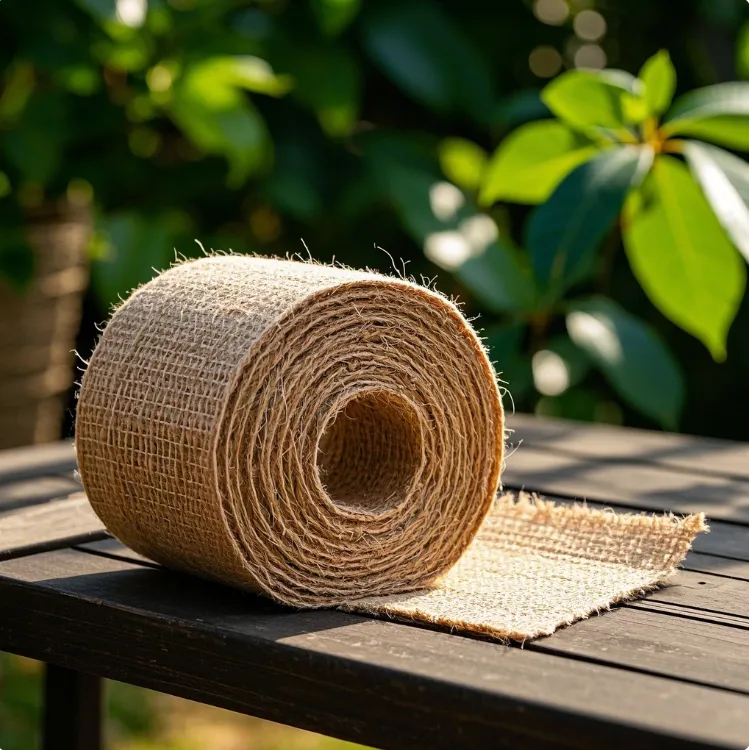
Early Uses: In Mughal-era India, jute was woven into clothing, ropes, and sacks. Chinese artisans during the Western Han Dynasty (206 BCE–9 CE) used jute fibers for papermaking, as evidenced by fragments found in Dunhuang.
Trade & Agriculture: Jute sacks became indispensable for transporting grains, spices, and tea across Asia due to their durability and breathability.In Southeast Asian countries such as Thailand and Viet Nam, jute fibers are widely used by fishermen to weave fishing nets because of their resistance to corrosion and salt water. These nets are not only durable, but can also be used for long periods of time in humid environments, making them an important production tool for coastal communities.
Industrial Revolution & Global Expansion
The 19th century saw jute rise as a global commodity. British colonizers established jute mills in Bengal, turning the region into a hub for burlap (coarse jute fabric) production. By the 20th century, Bangladesh’s jute industry earned it the moniker “Golden Bengal.”
Modern Reinvention
Today, jute transcends its industrial roots. Designers blend jute with cotton or linen to create chic fabrics, transforming it into stylish bags, home décor, and even haute couture.
3. From Plant to Product: The Making of a Jute Bag
Jute bag production combines traditional techniques with modern technology:
Step 1: Cultivation & Harvesting
Jute plants mature in 4–6 months. Farmers cut stems close to the ground, ensuring long, intact fibers.
Step 2: Retting
Stems are submerged in water (rivers or ponds) for 2–3 weeks. Microbial activity breaks down pectin, loosening fibers from the woody core.
Step 3: Fiber Extraction & Spinning
Workers strip fibers by hand, wash them, and sun-dry. Fibers are then spun into yarn using manual or mechanical spinners.
Step 4: Weaving & Stitching
Yarn is woven into burlap fabric on looms. The fabric is cut and stitched into bags, with handles reinforced for durability.
Step 5: Customization
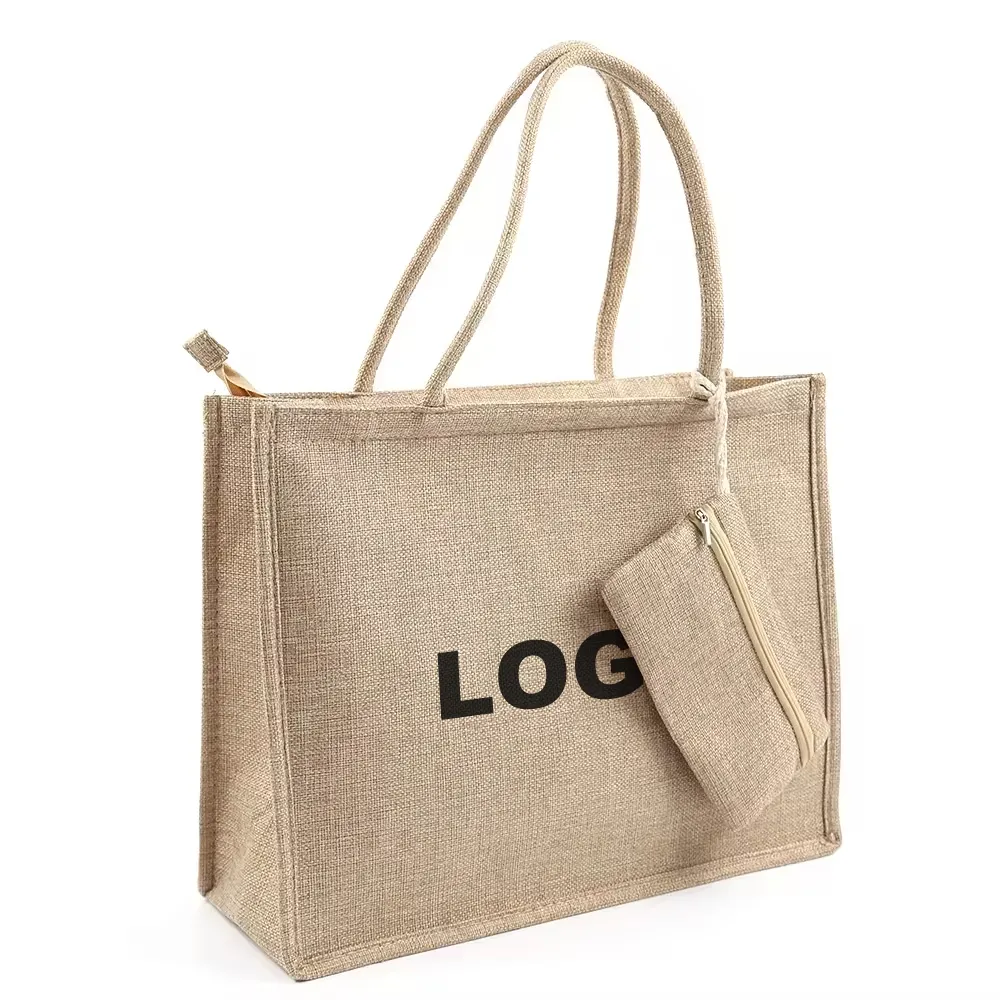
Jute bags are personalized via screen printing, embroidery, or heat transfer. Brands often add logos, eco-slogans, or artistic patterns to align with marketing goals.
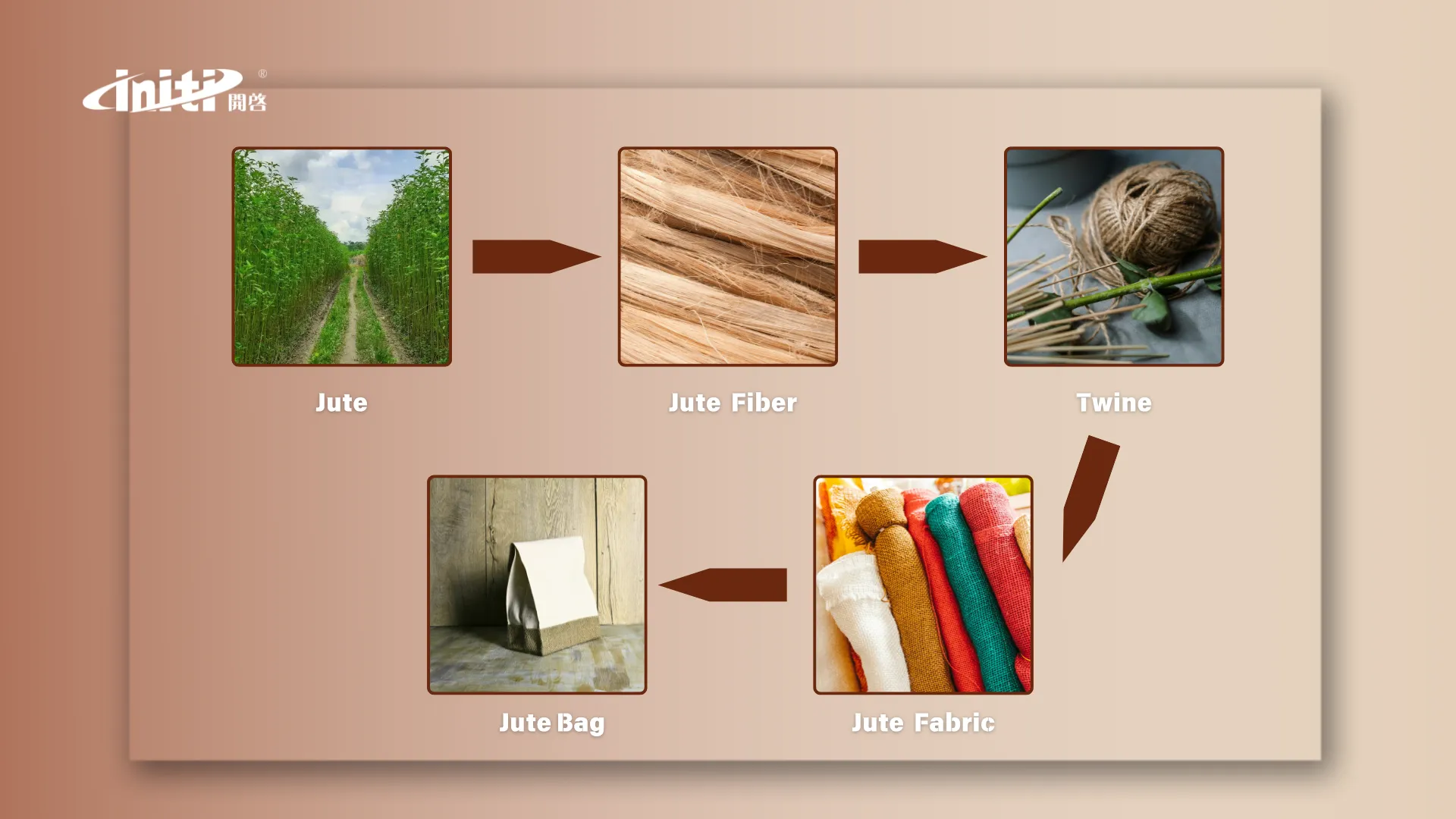
Biểu đồ quy trình sản xuất đơn giản
4. Túi Jute trong Thời Trang: Khi Bền Vững Gặp Phong Cách
Túi jute đã chuyển từ những bao chứa tiện dụng thành phụ kiện thời trang, nhờ vào nhận thức về môi trường và đổi mới thiết kế.
Sự Gia Tăng của Eco-Chic
Thẩm mỹ tối giản: Các tông màu trung tính và kết cấu thô ráp hài hòa với “ít là nhiều” triết lý, hấp dẫn thế hệ millennials đô thị.
Tính linh hoạt: Từ việc mua sắm thực phẩm đến các buổi dã ngoại ở bãi biển, túi jute phù hợp với những dịp bình thường và bán trang trọng.
Sự Chấp Thuận Của Người Nổi Tiếng & Thương Hiệu
Các thương hiệu toàn cầu như H&M và ZARA giới thiệu túi jute trong các bộ sưu tập bền vững của họ. Các nhà thiết kế cao cấp thử nghiệm với các sản phẩm kết hợp giữa jute và da, chứng minh rằng nguyên liệu thân thiện với môi trường vẫn có thể lộng lẫy.
Tác Động Văn Hóa
Đám cưới & Sự kiện: Túi quà jute mang đến vẻ đẹp mộc mạc cho các đám cưới, trong khi các hội nghị sử dụng chúng như hàng hóa thân thiện với môi trường.
Sự Hấp Dẫn Thủ Công: Túi jute thủ công hỗ trợ các nghệ nhân nông thôn, kết hợp giữa đạo đức và thẩm mỹ.
5. Tác Động Môi Trường & Xã Hội: Tại Sao Túi Jute Lại Quan Trọng
Chọn túi jute là một bước hướng tới một hành tinh xanh hơn và một xã hội công bằng.
Đối Phó với Ô Nhiễm Nhựa
Hơn 300 triệu tấn rác thải nhựa được sản xuất hàng năm. Một túi jute có thể thay thế hàng trăm túi nhựa dùng một lần, giảm thiểu ô nhiễm bãi rác và đại dương.
Trao Quyền Cho Cộng Đồng
Tuyến Sinh Kinh Tế: Canh tác và chế biến jute tạo việc làm cho hàng triệu người ở các quốc gia đang phát triển. Chỉ riêng ở Bangladesh, 20 triệu nông dân phụ thuộc vào jute để có thu nhập.
Phụ Nữ’s Empowerment: Many weaving cooperatives are female-led, providing financial independence and skill development.
Promoting Circular Economy
Jute’s biodegradability and reusability align with circular economy principles, minimizing waste and resource extraction.
6. Choosing and Caring for Your Jute Bag
Buying Tips
Opt for unbleached, natural-colored bags to avoid chemical dyes.
Check stitching quality and handle strength.
Maintenance Guide
Cleaning: Wipe stains with a damp cloth; avoid machine washing to prevent shrinkage.
Storage: Keep in a dry, ventilated area. Use silica gel packs to deter moisture.
Repairs: Mend small tears promptly with matching thread to extend lifespan.
Kết luận
The jute bag is more than an accessory—it’s a testament to humanity’s ability to harmonize tradition with innovation. From ancient fields to modern runways, jute embodies resilience, sustainability, and timeless beauty. By embracing jute, we honor the planet and pave the way for a future where fashion and ecology coexist seamlessly.
Thẻ nóng:Túi mua sắm Trung Quốc, nhà cung cấp, nhà sản xuất, nhà máy, bán buôn, số lượng lớn, để bán,Ý tưởng túi tote,túi vải bạt để lưu trữ,túi đeo vai bằng cotton, túi rpet, túi đựng quần áo tùy chỉnh,túi vải canvas có dây rút,túi giữ nhiệt cho bữa trưa,túi trang điểm cho sale,Túi mua sắm và tạp hóa,Phụ kiện bờ biển,Túi Tote Bằng Jute/Vải Hemp/Vải Burlap,Túi Tote Bằng Vải Corduroy,Túi du lịch,Túi bằng vải lanh,Túi giấy
 Vietnamese
 English
 French
 German
 Japanese
 Arabic
 Thai
 Russian
 Spanish
 Portuguese