
Túi cotton / cotton hữu cơ
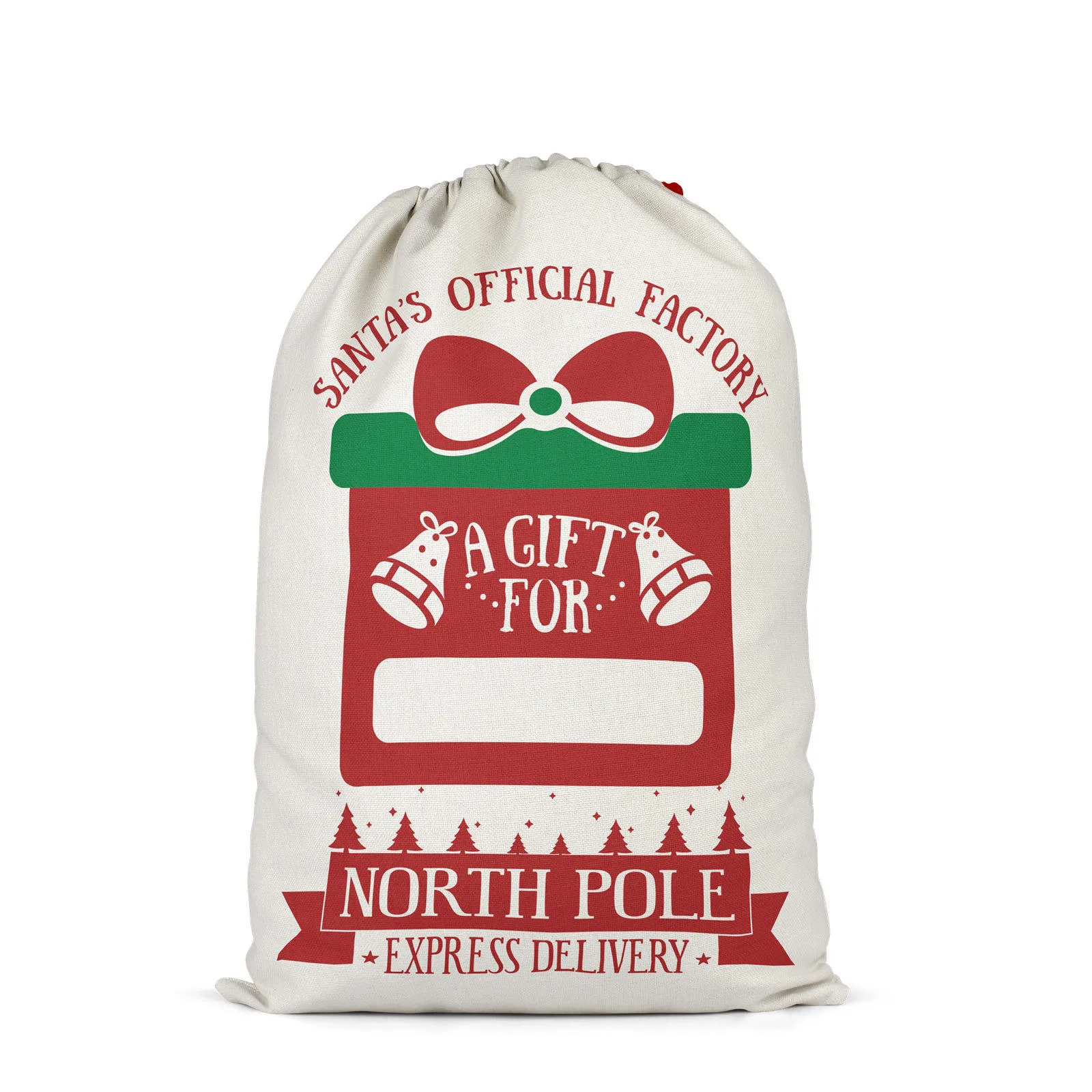


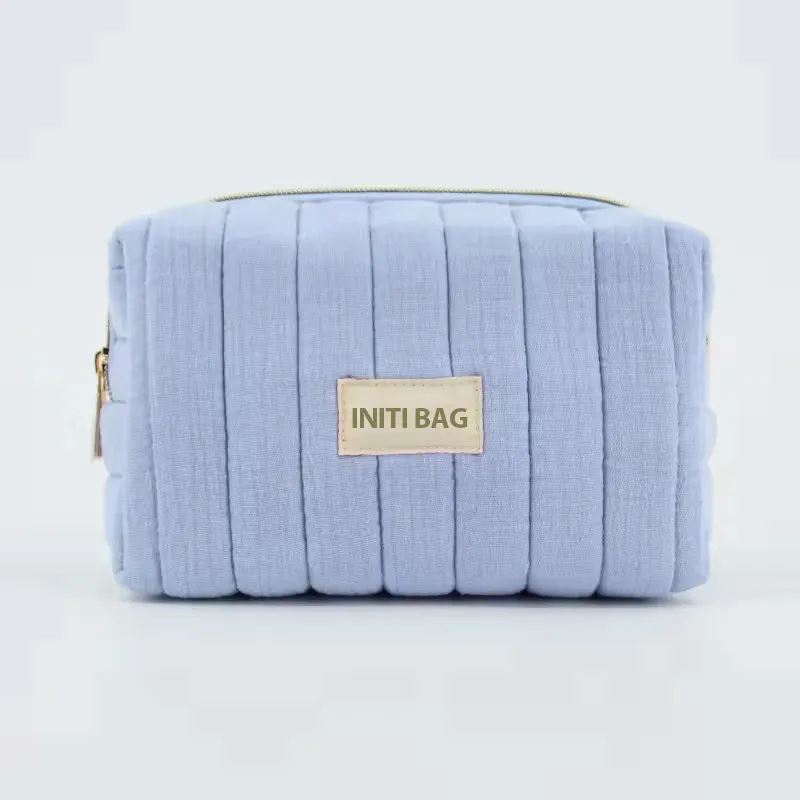
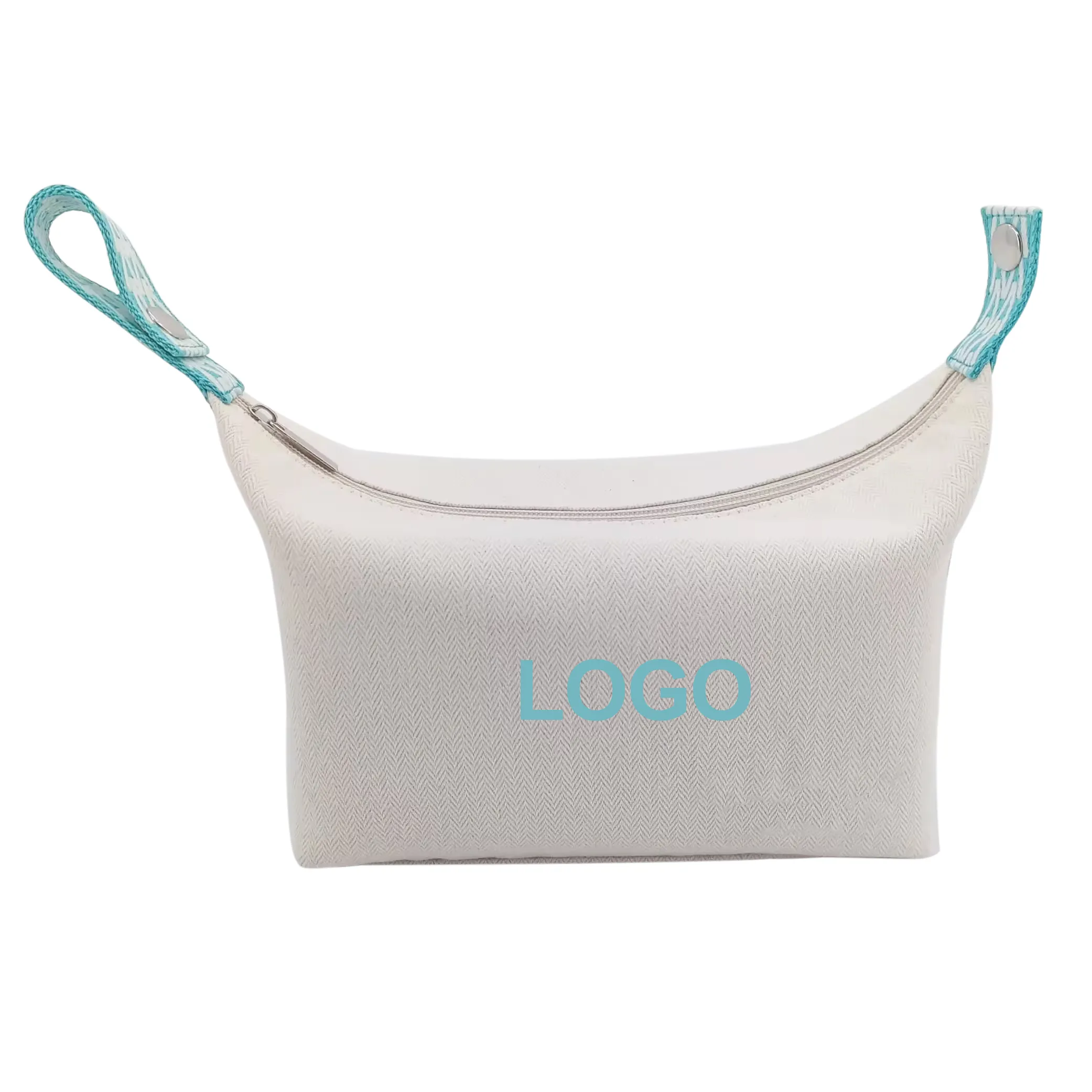
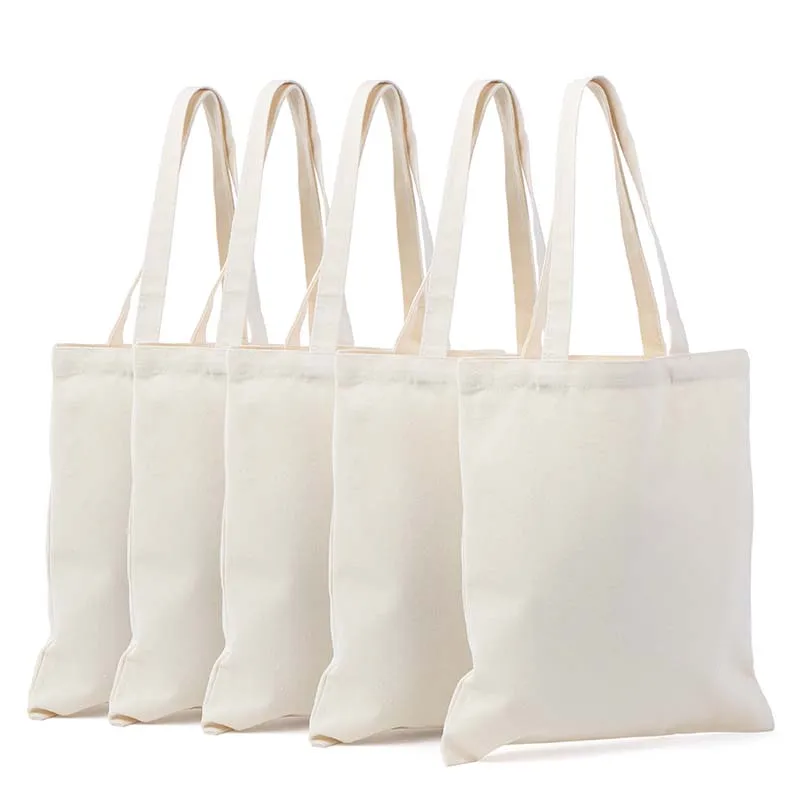
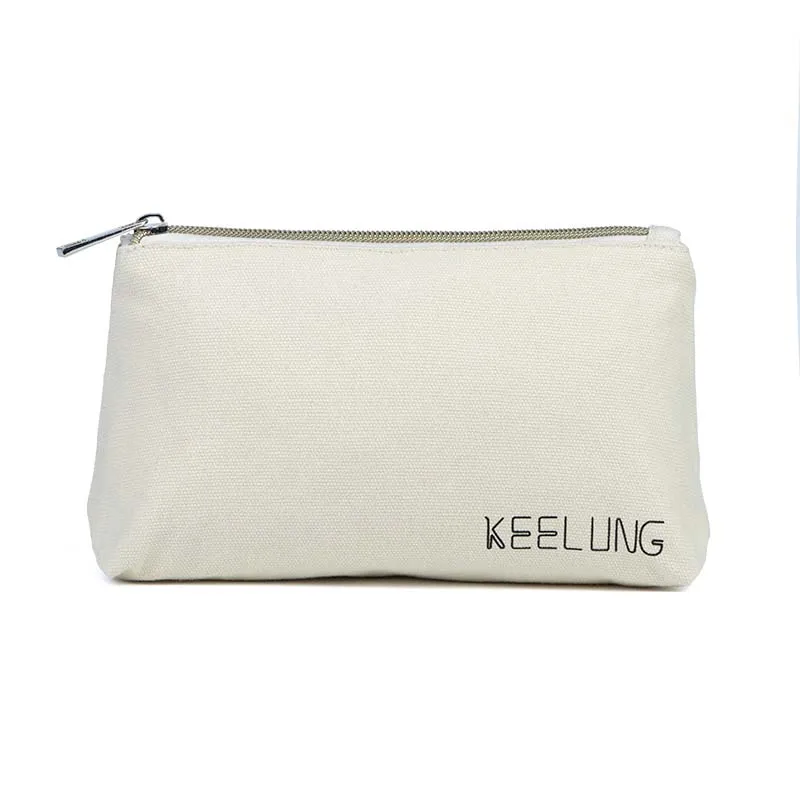
Material Advantage
Natural, Breathable & Reliable for Bulk Production
Cotton and organic cotton are among the most widely used materials for custom bags, especially for brands and wholesalers looking for a balance between cost control, durability, and sustainability.
Natural cotton offers good breathability and flexibility, suitable for daily-use bags
Organic cotton is produced without harmful chemicals, ideal for eco-focused brands
Stable fabric structure ensures consistency across large-volume orders
We support different cotton weights, weaves, and finishes to match various bulk customization requirements.

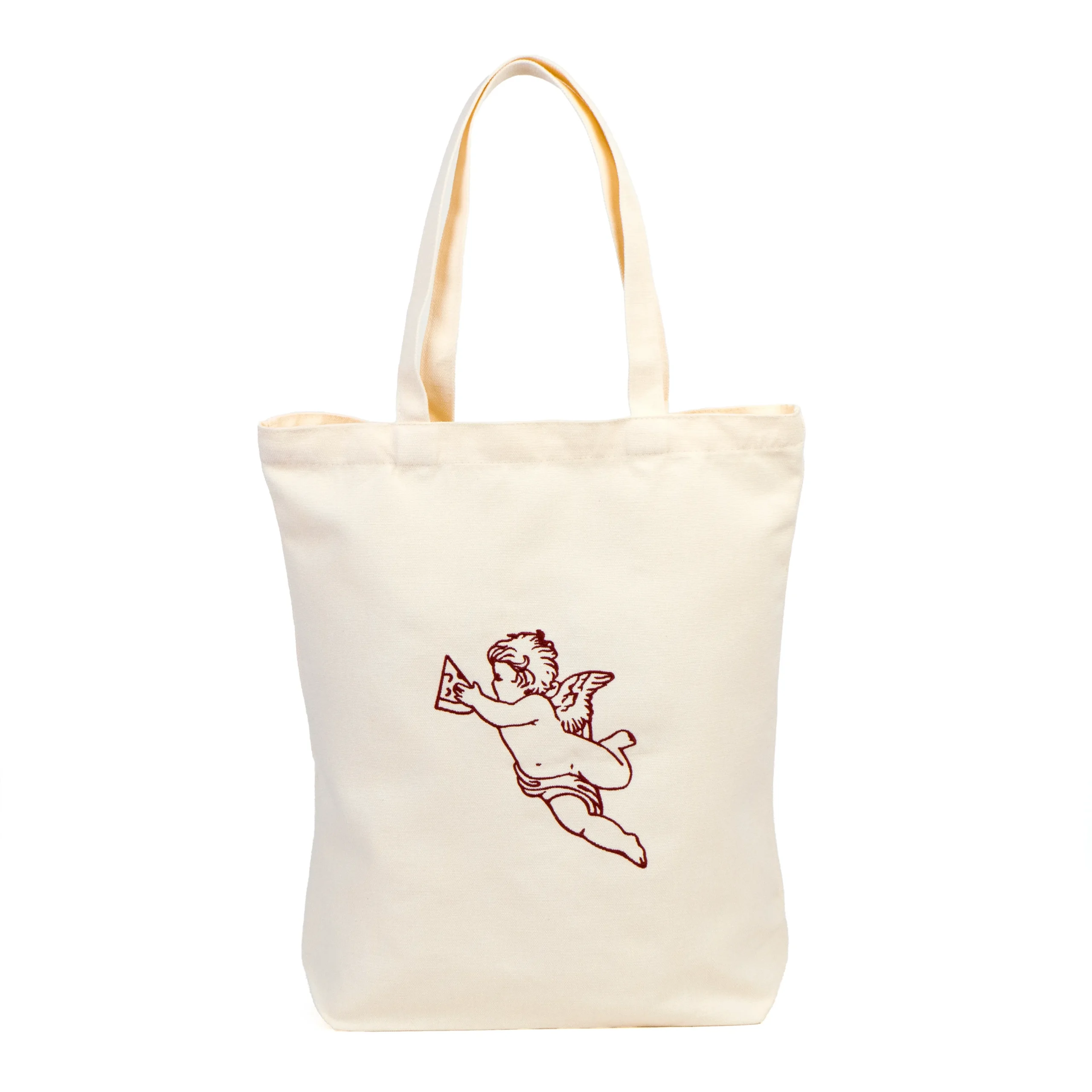
Tùy chọn tùy chỉnh
Flexible Custom Cotton Bag Manufacturing
Cotton and organic cotton bags offer strong adaptability for customization, making them ideal for private label, promotional, and retail programs.
We provide full customization including:
Fabric weight selection (lightweight to heavy-duty cotton)
Printing methods: screen printing, digital printing, embroidery
Size, structure, handles, gussets, inner labels, and packaging
Dù bạn cần custom cotton bags wholesale hoặc organic cotton bags in bulk, our production process ensures scalable and repeatable results.
Tại sao chọn chúng tôi
Experienced Cotton Bag Supplier for B2B Buyers
With years of experience in sản xuất túi tùy chỉnh, we understand the expectations of B2B buyers:
stable quality, clear MOQ, consistent lead time, and reliable communication.
Suitable for wholesalers, brand owners, and corporate buyers
Support OEM & ODM cotton bag production
Quality control aligned with bulk export standards
From sampling to mass production, we help you turn cotton and organic cotton bags into commercial-ready products.

Kiến thức
What Is Cotton and Organic Cotton in Bag Manufacturing?
Cotton is one of the most widely used natural fibers in bag manufacturing, valued for its soft texture, durability, and excellent printability.
In wholesale bag production, cotton is commonly selected for reusable, promotional, and retail bags where branding visibility and comfort are important.
Organic cotton refers to cotton grown without synthetic pesticides or fertilizers, often chosen by brands that prioritize environmental responsibility and responsible sourcing.
While cotton and organic cotton share similar physical properties, they differ in supply chain standards, certifications, and sustainability positioning.
Key Properties of Cotton for Bulk Orders
From a B2B sourcing perspective, cotton offers a balance of performance, customization flexibility, and cost stability.
Key properties include:
Natural breathability and comfortable hand feel
Strong compatibility with screen printing and embroidery
Wide fabric weight options for different use cases
Reliable availability for large-volume production
Consistent quality for long-term sourcing programs
Organic cotton adds value through traceability and eco-focused messaging, making it suitable for sustainability-driven projects.
Cotton vs Organic Cotton: What Buyers Should Know
While both materials perform similarly in daily use, their differences matter in procurement and branding decisions.
Cotton is often chosen when:
Cost efficiency is a priority
Large volumes are required
Branding focuses on practicality and reuse
Organic cotton is preferred when:
Sustainability positioning is part of the brand strategy
Eco certifications or compliance are required
Products are used for premium promotions or retail programs
Understanding these differences helps buyers align material choice with budget and brand values.
Best Bag Types Made from Cotton and Organic Cotton
In wholesale manufacturing, cotton and organic cotton are most commonly used for:
Tote bags for retail, shopping, and promotional use
Drawstring bags for events and giveaways
Pouches and dust bags for packaging and storage
Grocery and reusable shopping bags
These bag types leverage cotton’s strength, flexibility, and print performance, making them ideal for high-volume customization.
Customization Possibilities with Cotton Materials
Cotton fabrics provide excellent support for branding and logo application.
Các tùy chọn tùy chỉnh phổ biến bao gồm:
Screen printing and water-based printing
Embroidery for long-term durability
Heat transfer printing on treated cotton surfaces
Woven labels and sewn-in branding tags
Fabric weight and weave directly affect print clarity, ink absorption, and unit pricing, making material selection a critical step during customization planning.
When to Choose Cotton or Organic Cotton (and When Not To)
Cotton and organic cotton are ideal when:
Reusability and branding visibility are key goals
Bags are designed for everyday or promotional use
Natural texture and appearance are preferred
Sustainability messaging is important
They may not be suitable when:
Full waterproof or water-resistant performance is required
Ultra-lightweight or transparent materials are needed
Bags are exposed to prolonged moisture or heavy outdoor use
Evaluating these factors ensures functional and cost-effective sourcing decisions.
Why Source Cotton & Organic Cotton Bags from Us
As an experienced custom bag manufacturer, we support B2B clients sourcing cotton and organic cotton bags by offering:
Stable sourcing of cotton and certified organic cotton fabrics
Consistent fabric quality and color control
Flexible customization for bulk and wholesale orders
Support for reusable and eco-conscious bag programs
Our experience across multiple cotton bag applications allows us to guide buyers toward the right fabric weight, structure, and branding approach.
Cotton / Organic Cotton Bags – Wholesale FAQ
1. What are cotton bags commonly used for?
Cotton bags are widely used for retail packaging, promotional campaigns, reusable shopping programs, and branded giveaways.
2. Are organic cotton bags suitable for bulk production?
Yes. Organic cotton bags in bulk are suitable for wholesale production, though MOQ and pricing may vary depending on certification requirements.
3. Can logos be printed on cotton and organic cotton bags?
Yes. Cotton fabrics support screen printing, embroidery, and heat transfer, providing clear and long-lasting branding results.
4. Do organic cotton bags require certification?
Organic cotton projects often involve certification depending on sourcing and client requirements. Details can be confirmed during the quoting process.
5. How does fabric weight affect cotton bag pricing?
Heavier cotton fabrics generally increase durability and cost, while lighter weights are more suitable for promotional use and cost control.
6. Are cotton bags biodegradable?
Cotton is biodegradable, though printing methods, dyes, or additional treatments may affect biodegradability.
7. What affects MOQ for cotton bags wholesale?
MOQ depends on fabric type, bag design, customization method, and order quantity.
8. How do I choose between cotton and organic cotton?
The choice depends on budget, sustainability goals, certification needs, and brand positioning. We provide guidance based on project requirements.
 Vietnamese
 English
 French
 German
 Japanese
 Arabic
 Thai
 Russian
 Spanish
 Portuguese