
Felt bags have quietly become one of the most recognizable product categories in retail, corporate gifting, and everyday carry. Walk into a boutique, browse a trade show floor, or open a premium unboxing experience, and there is a good chance a felt bag is involved. Yet despite their widespread presence, most people know surprisingly little about what felt bags actually are, what they are made from, or why they have become such a popular choice across so many contexts.
This guide is designed to change that. Whether you are a consumer trying to make sense of a product description, a retailer evaluating sourcing options, or a brand manager exploring custom bag solutions, this article covers everything you need to know — from the raw materials and manufacturing process to the full range of bag types, their practical applications, and how to choose the right one for your needs.
We will also address the sustainability question that comes up whenever felt bags enter the conversation: are they actually eco-friendly, and what does that claim really mean?
What Is a Felt Bag?
A felt bag is any bag constructed primarily from felt fabric — a non-woven textile made by bonding or matting fibers together through heat, pressure, moisture, or mechanical action, rather than by weaving or knitting. Unlike canvas, denim, or nylon, felt has no interlocking thread structure. Its fibers are compressed directly into a unified, dense sheet, which gives the material a smooth, consistent surface and a set of physical properties that make it well suited for bag production.
The defining characteristic of felt as a bag material is the combination of structure and softness. Felt is firm enough to hold its shape without a rigid internal frame — a 3mm felt tote will stand upright on its own — yet soft enough to cushion the contents inside. This balance is difficult to achieve with woven fabrics, which tend to either be too limp or require stiffening with additional layers.
Felt bags are produced in a wide range of styles, sizes, and price points. At the affordable end, you will find mass-produced RPET felt totes used as reusable shopping bags and promotional giveaways. At the premium end, hand-stitched wool felt bags with embroidered detailing command prices comparable to entry-level leather goods. The category is broad, and material quality varies considerably — which makes understanding the fundamentals especially useful.
What Are Felt Bags Made From?
The material a felt bag is made from determines its texture, durability, environmental footprint, price, and appropriate use cases. There are three main types of felt used in bag manufacturing, each with meaningfully different characteristics.
Wool Felt
Wool felt is produced from natural animal fiber — most commonly sheep’s wool — through a process called wet felting. Raw wool is layered, wetted with hot soapy water, and agitated until the microscopic scales on each fiber interlock and bond permanently. The result is a naturally soft, dense, and elastic fabric with excellent insulating properties.
Bags made from wool felt are positioned at the premium end of the market. The material has a distinctly organic warmth and texture that synthetic alternatives cannot fully replicate. It is also biodegradable and naturally flame-resistant. The trade-offs are cost — wool felt is significantly more expensive to produce than synthetic felt — and sensitivity to moisture. Wool felt bags generally require more careful maintenance and are better suited to dry environments and occasional use rather than heavy daily carry.
Polyester Felt
Standard polyester felt is the workhorse of commercial felt bag production. Made from synthetic polyester fibers bonded through a needle-punching process — in which thousands of barbed needles mechanically entangle the fibers into a stable sheet — polyester felt is consistent, durable, and cost-effective to produce at scale.
Polyester felt is available in a wide range of thicknesses and colors, holds up well under regular use, and is more resistant to moisture than wool. It lacks the natural warmth of wool felt, but for most functional bag applications — everyday totes, laptop sleeves, office accessories — it performs reliably and is far more practical from a maintenance perspective.
RPET Felt (Recycled Polyester Felt)
RPET felt is a variant of polyester felt made from recycled PET plastic — specifically post-consumer plastic bottles. The production process involves collecting, cleaning, and shredding used plastic bottles into flakes, melting them down, and extruding the material into polyester fibers. These fibers are then needle-punched into felt sheets in the same way as standard polyester felt.
In performance terms, RPET felt is nearly indistinguishable from standard polyester felt. The significant difference lies in its origin: by using recycled content, RPET felt diverts plastic waste from landfills and reduces the demand for virgin petroleum-based materials. A typical RPET felt tote bag may incorporate the equivalent of five to fifteen recycled plastic bottles, depending on its size and weight.
RPET felt has become the dominant material in the commercial felt bag market, particularly for corporate gifting, retail packaging, and branded merchandise. Its combination of functional performance, competitive pricing, and sustainability credentials makes it the default choice for most brands and manufacturers operating in this space today.
Types of Felt Bags: A Category Overview
Felt bags span a wide range of styles and functional categories. Understanding the distinctions helps both consumers and buyers select the right product for their specific needs.
Felt Tote Bags
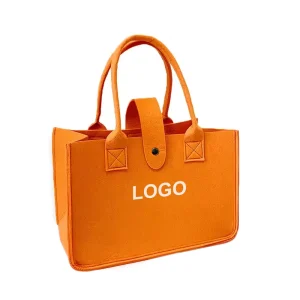
The felt tote is the most common format in the category. Open-top, with two handles, and available in a wide range of sizes, felt totes are used as reusable shopping bags, grocery carriers, beach bags, and general-purpose carry bags. Their straightforward construction keeps production costs low, and the clean aesthetic of felt — especially in neutral tones like grey, charcoal, or navy — gives them a more elevated look than the standard non-woven PP shopping bag. Felt totes are a popular choice for retail packaging, brand giveaways, and eco-conscious grocery shopping.
Felt Laptop Bags and Sleeves
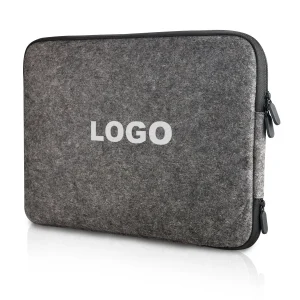
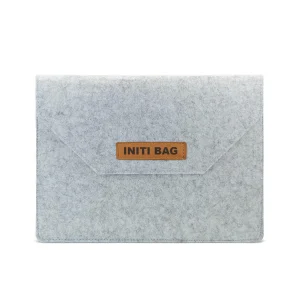
Felt is particularly well suited to laptop protection. Its smooth, soft interior surface will not scratch screens or casings, and its cushioning density provides meaningful protection against minor bumps and scrapes. Felt laptop sleeves — slim, envelope-style cases designed to hold a laptop snugly — are a staple among students, designers, and professionals who want a lightweight, stylish alternative to bulky padded cases. Felt laptop bags with handles or shoulder straps offer a more complete carrying solution. Both formats are commonly customized with embroidered or printed logos, making them popular corporate gifts.
Felt Storage Baskets and Organizers
Thicker felt — typically 3mm to 5mm — is used to make freestanding storage baskets and desk organizers. These products hold their shape without a rigid internal frame, which makes them lightweight and stackable while still functional. Felt storage baskets have become a signature element of minimalist home décor, used to hold magazines, blankets, children’s toys, and bathroom essentials. Felt desk organizers keep pens, cables, and office supplies tidy with a clean, professional appearance.
Felt Gift Bags and Packaging
Felt gift bags are a reusable and visually refined alternative to single-use paper gift bags. They are widely used in retail packaging, seasonal gifting, and premium product presentation. Because felt takes embroidery, screen printing, and laser engraving well, felt gift bags can be customized with logos, patterns, or seasonal messaging — making them a favorite for brands that want their packaging to feel intentional and high-quality. Unlike paper, felt gift bags are durable enough to be kept and reused by the recipient, extending the life and visibility of the brand.
Felt Wine Bags and Bottle Carriers
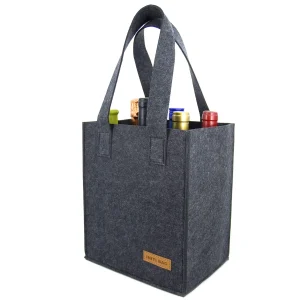
Felt wine bags are cylindrical or rectangular carriers designed to hold one or more bottles. They are lightweight, offer mild thermal insulation, and make a polished impression as gift packaging for wine, spirits, or specialty food items. Single-bottle felt wine bags are commonly used by retailers and corporate gift programs; multi-bottle carriers serve caterers, events, and hospitality brands. The soft interior of felt protects bottle labels during transport, which is a practical advantage over harder rigid packaging.
Felt Drawstring Bags and Backpacks
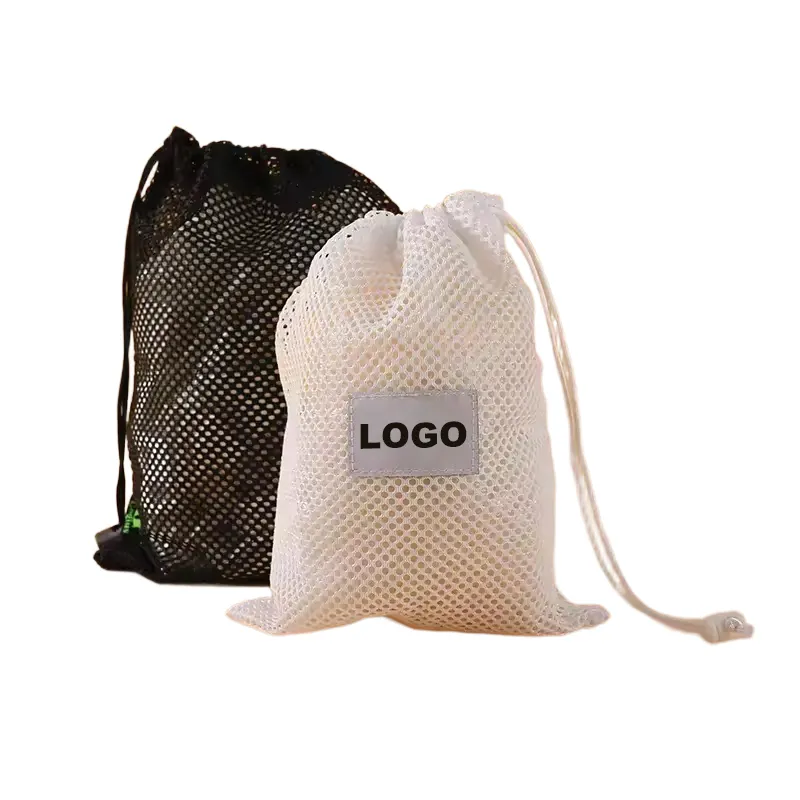
Felt drawstring bags are among the most cost-effective formats in the category and are widely used for promotional merchandise, event giveaways, and small product packaging. They are simple in construction, easy to customize, and practical for a wide range of contents. At the other end of the spectrum, structured felt backpacks have found an audience among minimalist travelers and urban commuters who appreciate a lightweight, low-profile bag with a refined look.
Why Choose a Felt Bag? Key Advantages
Felt bags have grown in popularity for reasons that go beyond aesthetics. Here is a closer look at the practical advantages that make felt a compelling bag material.
Self-supporting structure
Felt holds its shape without reinforcement. A well-made felt bag will stand upright, maintain its form when not fully loaded, and look tidy on a shelf or desk. This structural quality is one of felt’s most valued properties in retail packaging contexts, where presentation matters.
Nhẹ
Despite its density and structure, felt is a notably lightweight material. A felt tote bag adds minimal weight to its contents — an important consideration for carry bags, travel accessories, and laptop sleeves.
Soft interior surface
The smooth, matte surface of felt is gentle on anything stored inside. This makes felt especially well suited to bags designed to carry electronics, jewelry, eyewear, or other items where surface contact matters.
Easy to customize
Felt accepts screen printing, embroidery, heat transfer, and laser cutting with consistent results. Its uniform surface makes logo reproduction clean and reliable. This versatility has made felt bags a go-to substrate for branded merchandise and corporate gifts.
Durable for regular use
Synthetic felt — particularly polyester and RPET variants — is resistant to tearing, abrasion, and general wear. While it will not last decades like quality leather, a well-made felt bag holds up reliably under regular daily use.
Distinctive aesthetic
There is a clean, considered quality to felt that distinguishes it from other bag materials. Its matte surface, soft edges, and minimal visual texture give felt bags a contemporary look that has resonated with minimalist design trends across retail and lifestyle categories.
Are Felt Bags Sustainable?
Sustainability is one of the most frequently cited reasons for choosing felt bags, but it is worth examining what that claim actually means — because the answer varies depending on the material.
Wool felt is fully biodegradable and made from a renewable natural resource. From a material standpoint, it is the most environmentally sound option. However, the overall sustainability of wool depends on farming practices, land use, and the carbon footprint of processing and transportation — variables that are difficult to assess without supplier-level transparency.
RPET felt makes a different kind of environmental claim: it is not biodegradable, but it is made from recycled post-consumer plastic. By diverting plastic bottles from landfills and reducing the demand for virgin polyester production, RPET felt has a meaningfully lower carbon and resource footprint than standard polyester. For brands that want a credible, communicable sustainability story at commercial scale, RPET is currently the most practical option.
Standard polyester felt, while not made from recycled content, is still a durable material — and durability matters for sustainability. A felt bag used hundreds of times over several years has a far lower per-use environmental impact than a single-use paper or plastic bag, regardless of the felt type.
The most honest answer to the sustainability question is this: no bag material is without environmental cost, but felt bags — particularly RPET variants used as reusable alternatives to single-use packaging — represent a reasonable and improving choice relative to most alternatives.
How to Choose the Right Felt Bag
With so many formats and materials available, choosing the right felt bag comes down to matching the product’s specifications to the intended use. Here are the key factors to consider:
- Material: For everyday use and durability, polyester or RPET felt is the practical choice. For a premium natural feel or sustainability credentials, wool felt is worth the additional cost.
- Thickness: Felt is typically available from 1mm to 5mm. Thinner felt (1mm–2mm) is more flexible and lightweight; thicker felt (3mm–5mm) provides more structure and protection. For laptop sleeves, 3mm is a common standard. For storage baskets and structured bags, 4mm–5mm is preferable.
- Size and format: Match the bag format to the primary use case — a slim envelope sleeve for a laptop, a deep tote for shopping, a cylindrical carrier for wine, a drawstring pouch for small accessories.
- Closure type: Open-top totes work well for shopping and casual carry; zippered closures provide more security for valuables and tech; drawstrings suit lightweight or casual applications.
- Customization requirements: If you need logos or branding, confirm the printing or embroidery method available and request samples before placing a larger order. Embroidery generally produces a more premium result than screen printing on felt.
How to Care for a Felt Bag
Felt bags are low-maintenance compared to leather or woven fabric alternatives, but a few basic care practices will keep them looking their best over time.
- Spot cleaning is the recommended approach for most stains. Use a damp cloth and a small amount of mild soap, working gently in a circular motion. Rinse the area with a clean damp cloth and allow to air dry.
- Avoid machine washing felt bags unless the care label specifically permits it. Excess agitation and heat can distort the shape of the bag and cause synthetic felt to pill or felt.
- Do not soak felt bags or submerge them in water. Prolonged exposure to moisture can warp the structure, particularly in thicker felt.
- Air dry naturally, away from direct heat sources or prolonged sunlight. Heat can cause synthetic felt to shrink or deform.
- For wool felt bags, dry cleaning is the safest option for thorough cleaning. Spot cleaning with cold water and a wool-safe detergent can address minor stains.
- Store felt bags in a cool, dry place when not in use. For structured bags, stuff the interior lightly to help maintain the shape.
Felt Bags for Businesses: Custom and Wholesale Considerations
For brands, retailers, and procurement teams, felt bags represent one of the most versatile options in the custom bag and packaging category. They are easy to brand, available in a wide color range, competitively priced at volume, and carry a quality perception that sits above standard non-woven alternatives.
Key considerations when ordering custom felt bags in bulk:
- Material specification: Decide between RPET felt (for sustainability credentials), standard polyester felt (for cost efficiency), or wool felt (for premium positioning). Each has different MOQ implications and lead times.
- Thickness (mm) and weight (GSM): These directly affect the bag’s structure and perceived quality. Request physical samples at different thicknesses before finalizing specs.
- Customization method: Embroidery is generally preferred for a high-end finish; screen printing suits simpler designs at lower cost; laser engraving and heat transfer are options for specific design requirements.
- Minimum order quantity (MOQ): Most manufacturers require a minimum order for custom production. MOQs vary by supplier and bag complexity.
- Certifications: For RPET felt, look for GRS (Global Recycled Standard) certification. For general material safety, OEKO-TEX Standard 100 is widely recognized.
- Lead times: Custom felt bag production typically requires four to eight weeks from order confirmation to delivery, depending on complexity and shipping method.
For businesses looking to source custom felt bags at wholesale scale, manufacturers such as Initi Packing offer OEM and ODM production services covering a full range of felt bag types, materials, and customization options.
Final Thoughts
Felt bags occupy a distinctive position in the broader bag and accessories market — practical enough for everyday use, refined enough for premium retail, and flexible enough to serve everything from grocery shopping to corporate gifting. Their combination of structure, softness, lightweight construction, and customizability gives them an appeal that cuts across consumer demographics and commercial contexts.
The material you choose matters. Wool felt brings natural warmth and biodegradability at a premium price. RPET felt delivers reliable performance with a credible sustainability story at commercial scale. Standard polyester felt offers the most cost-effective route to a durable, well-made bag. Understanding these distinctions ensures you get the right product for the right application — whether you are buying one bag for personal use or sourcing ten thousand for a brand campaign.
As reusability continues to replace single-use packaging across retail and gifting contexts, and as minimalist aesthetics remain a dominant design force, felt bags are well positioned to remain a relevant and in-demand product category for the foreseeable future.


 Vietnamese
 English
 French
 German
 Japanese
 Arabic
 Thai
 Russian
 Spanish
 Portuguese