
Identifying biodegradable shopping bags can sometimes be a bit tricky, as not all bags labeled as “biodegradable” actually meet meaningful environmental standards. To make sure you’re choosing genuinely biodegradable shopping bags, here are some steps you can follow:
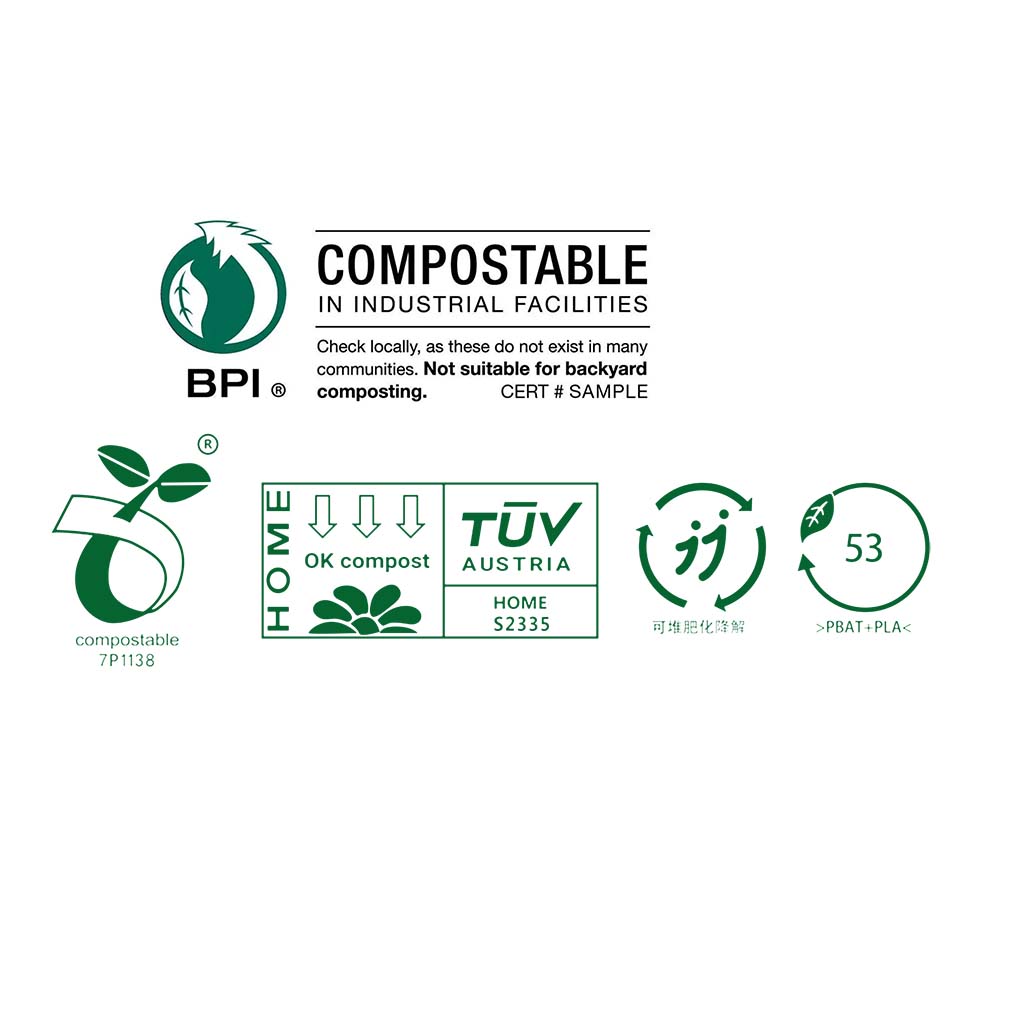
Check Labels and Certifications:
Look for clear labels and certifications on the shopping bags. Reputable biodegradable bags should have certifications from recognized organizations, such as the Biodegradable Products Institute (BPI) or similar local environmental agencies. These certifications ensure that the bag meets specific biodegradability and compostability standards.
Look for Specific Language:
Genuine biodegradable bags often use specific language on their labels, such as “Certified Compostable,” “Meets ASTM D6400 Standards,” or “BPI Certified.” These indicate that the bags have been tested and approved according to industry standards for biodegradability and compostability.
Check for Eco-Friendly Materials:
Biodegradable bags are typically made from eco-friendly materials like cornstarch, PLA (polylactic acid), or other plant-based materials. These materials break down more readily in natural environments compared to traditional plastic bags made from petroleum-based sources.
Examine Bag Appearance:
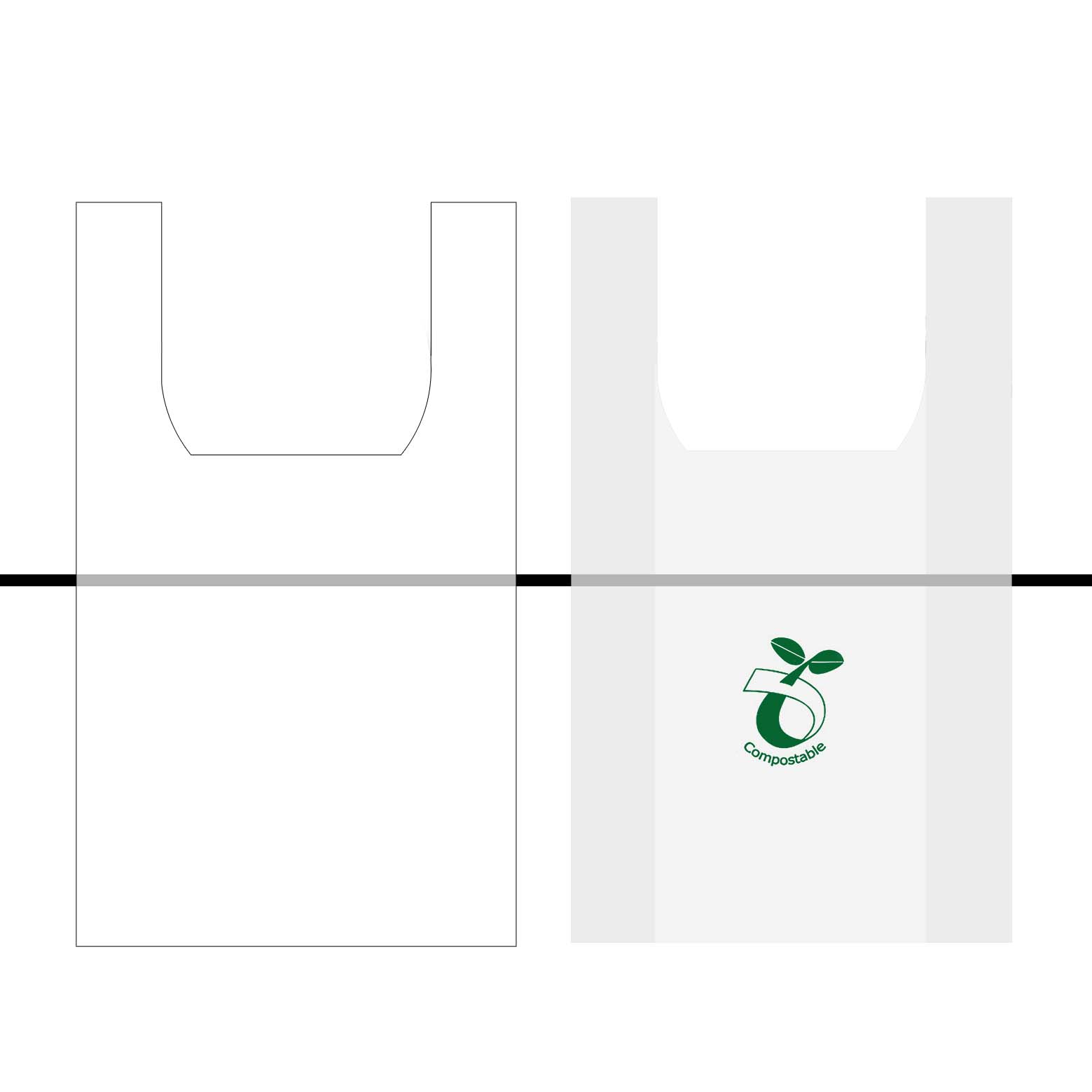
Biodegradable bags may look slightly different from traditional plastic bags. They might have a different texture, color, or feel due to the use of natural materials. Keep in mind that the appearance alone is not a foolproof way to identify biodegradable bags, as some manufacturers may still mimic the look of plastic.
Read the Fine Print:
Look for any additional information provided on the bag’s packaging. This might include details about the bag’s composition, its decomposition timeframe, and proper disposal methods.
Research the Brand:
Research the brand or manufacturer of the bag. Reputable companies that prioritize sustainability often provide clear information about their products’ biodegradability and environmental impact on their websites or packaging.
Avoid Misleading Claims:
Hãy cảnh giác với những túi được gán nhãn là “có thể phân hủy” hoặc “có thể phân hủy bằng oxo.” Những thuật ngữ này gợi ý rằng túi có thể phân hủy, nhưng chúng có thể chỉ vỡ ra thành những mảnh nhỏ hơn của nhựa, vẫn có thể gây hại cho môi trường.
Hỏi các nhà bán lẻ hoặc người bán:
Nếu bạn không chắc chắn về khả năng phân hủy sinh học của một chiếc túi, đừng ngần ngại hỏi các nhà bán lẻ hoặc người bán để biết thêm thông tin. Những người bán hàng có trách nhiệm có thể cung cấp chi tiết về các túi mà họ đang cung cấp.
Xem xét việc phân hủy tại nhà:
Nếu túi được gán nhãn là có thể phân hủy, nó lý tưởng nên phù hợp với các cơ sở phân hủy công nghiệp. Tuy nhiên, một số túi được gán nhãn là có thể phân hủy cũng có thể vỡ ra trong môi trường phân hủy tại nhà. Kiểm tra nhãn túi để biết hướng dẫn về phân hủy tại nhà nếu có thể.
Hãy nhớ rằng mặc dù túi phân hủy sinh học thường thân thiện với môi trường hơn so với túi nhựa truyền thống, việc xử lý đúng cách vẫn rất quan trọng. Nếu có thể, hãy chọn túi mua sắm tái sử dụng được làm từ các vật liệu bền như vải bạt hoặc cotton hữu cơ, vì chúng có tác động đến môi trường thấp hơn nữa về lâu dài.

 Vietnamese
 English
 French
 German
 Japanese
 Arabic
 Thai
 Russian
 Spanish
 Portuguese