
Many people take one look at an LV Monogram bag or a Goyard tote and assume it’s made of luxurious leather — until they touch it and feel that distinctive slightly plastic-like surface. This is the most common misconception: it’s not real leather; it’s coated canvas.
Coated canvas is a composite material made by applying a protective coating to a woven fabric base. It has become one of the most important materials in fashion — especially in luxury handbags — because it delivers an impressive combination of durability, lightness, water resistance, and brand recognition at a more accessible price point than full-grain leather. Even in 2026, coated canvas remains a staple in luxury collections, though brands face growing pressure to make it more sustainable.
In this article, we’ll explain exactly what coated canvas is, how it’s made, its advantages and drawbacks, how it compares to other materials, which iconic brands use it, and how to care for it properly.
What Exactly Is Coated Canvas?
At its core, coated canvas consists of two main parts:
- Base fabric: Usually cotton canvas (for strength and structure), polyester canvas (lighter and more tear-resistant), or a cotton-polyester blend.
- Coating: Most commonly PVC (polyvinyl chloride) for excellent water resistance and a glossy finish; PU (polyurethane) for a softer, more natural hand-feel and slightly better environmental profile; occasionally acrylic or other resins.
Key difference from pure vinyl / PVC sheet: Coated canvas has a woven textile base that gives it structure, strength, and tear resistance. Pure vinyl is just a plastic film with no fabric backing, so it feels flimsier and lacks body.
Key difference from uncoated canvas: Regular canvas absorbs water, stains easily, and loses shape quickly. The coating makes it water-repellent, stain-resistant, and structurally stable.
Short definition (optimized for featured snippets): Coated canvas is a durable composite material made by applying a PVC or PU coating to a cotton or polyester fabric base. It is waterproof, lightweight, and scratch-resistant, widely used in luxury handbags such as Louis Vuitton’s Monogram and Damier lines.

How Is Coated Canvas Made?
- Base fabric preparation — Weave cotton, polyester, or blended yarns into a strong, tight canvas.
- Coating application — Apply PVC, PU, or resin evenly using knife-coating, calendering, or lamination methods (single- or double-sided).
- Pattern printing / embossing — Add signature designs (e.g., LV Monogram flowers, Damier checks, Goyard Y motif) via printing or heat-embossing. For luxury brands like Louis Vuitton, this step often involves multiple precise layers to ensure the pattern’s sharpness and longevity.
- Surface finishing — Apply gloss, matte, anti-scratch, or anti-fingerprint treatments.
- Curing & drying — Heat-set or chemically cure the coating so it bonds permanently to the fabric.
The result is a flexible yet structured material that behaves more like a high-performance technical textile than ordinary canvas.
Key Properties & Advantages
- Water-resistant / splash-proof — Handles rain and spills very well; imagine carrying your Neverfull tote through a sudden downpour without worry.
- Nhẹ — 30–50% lighter than full leather, making it comfortable for all-day carry, especially on longer trips.
- High durability & abrasion resistance — Withstands daily wear, scratches, and scuffs better than most uncoated fabrics.
- Easy to clean — Most marks wipe off with a damp cloth and mild soap.
- Strong shape retention — Holds structure and doesn’t slump or stretch out easily.
- More affordable — Offers luxury-level aesthetics and performance at a lower cost than all-leather construction.
Disadvantages & Limitations
- Coating wear over time — Lower-quality versions can crack, peel, or turn white, especially at edges and stress points.
- Less luxurious hand-feel — Lacks the warmth, suppleness, and natural variation of genuine leather.
- Environmental concerns — Traditional PVC versions are not biodegradable and hard to recycle; PU is somewhat better but still synthetic.
- Heat sensitivity — Some lower-grade PVC coatings can soften, become tacky, or deform in extreme heat (e.g., hot car interiors). Higher-end brands increasingly use advanced PU or water-based coatings to improve heat resistance.
- No natural patina — Unlike leather, it doesn’t develop attractive aging marks; wear usually looks like damage rather than character.
Coated Canvas vs Other Materials
| Property | Coated Canvas | Genuine Leather | Uncoated Canvas | Pure Vinyl / PVC | Waxed Canvas |
|---|---|---|---|---|---|
| Trọng lượng | Light | Nặng | Medium-light | Very light | Medium-light |
| Độ bền | High (scratch/abrasion) | High (but scratches) | Medium (wears quickly) | Medium-low (tears) | High (re-waxable) |
| Water Resistance | Excellent | Medium (needs treatment) | Poor (absorbs) | Excellent | Excellent (re-waxable) |
| Maintenance | Very easy | High (conditioning) | Medium (stains easily) | Easy | Medium (periodic waxing) |
| Price | Medium-low to medium-high | Cao | Thấp | Thấp | Trung bình |
| Hand-feel | Smooth, structured | Supple, warm, ages naturally | Rough, natural | Plastic-y | Matte, vintage, develops sheen |
| Eco-friendliness | Medium-low (PVC issues) | Medium (animal-derived) | Cao | Thấp | High (natural wax) |
Coated canvas often wins for everyday luxury because it strikes the best balance between durability, price, and low maintenance. While genuine leather offers unmatched tactile beauty and patina over decades, coated canvas excels when you need a reliable, weather-proof bag that doesn’t require constant care.
Famous Brands & Iconic Uses
Coated canvas is synonymous with several luxury houses:
- Louis Vuitton — The story begins in the late 19th century: Damier canvas (checkerboard pattern) launched in 1888 for its waterproof and anti-counterfeit qualities, followed by the iconic Monogram Canvas in 1896, created by Georges Vuitton as a tribute to his father and to combat fakes. Used on Neverfull, Speedy, Alma, Keepall, and more.
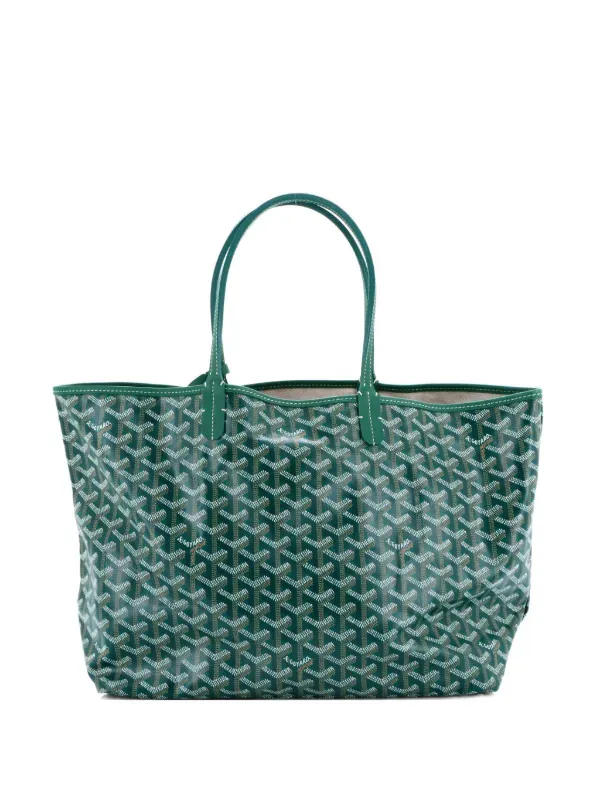
- Goyard — Goyardine coated canvas with hand-painted Y motif; famous for the Saint Louis tote.
- Dior — Oblique jacquard coated canvas.
- Fendi — Select legacy styles.
These brands chose coated canvas historically for its waterproof origins (LV started with steamer trunks), incredible durability for daily use, and unmistakable visual identity.
Outside luxury, coated canvas appears in outdoor/functional bags (Filson, Patagonia-style), art supply totes, and everyday commuter bags where lightness and weather resistance matter most.

How to Care for Coated Canvas
- Daily cleaning — Wipe with a soft, slightly damp cloth and mild soap. Dry with a clean towel.
- Stubborn stains — Use a very small amount of diluted mild detergent; never scrub hard.
- What to avoid — Bleach, alcohol-based cleaners, machine washing, tumble drying, leather conditioners (they damage the coating), direct perfume spray, prolonged direct sunlight or extreme heat.
- Lưu trữ — Keep in the original dust bag, stuff with paper to hold shape, store in a cool, dry place away from direct sun. Never store in airtight plastic (traps moisture).
- Repairing wear — Minor scuffs can sometimes be minimized with canvas-specific conditioners (e.g., Saphir Médaille d’Or Coated Canvas products or the brand’s own cleaners). Prevention is key—avoid overloading corners and edges to delay wear.
Conclusion: When Coated Canvas Makes Sense?
So yes — that bag you thought was leather is probably coated canvas. And that “mistake” is actually proof of how brilliantly the material succeeds: it looks expensive, performs better than many expect, and carries centuries of craftsmanship heritage.
In 2026, coated canvas remains a timeless choice, though more brands are exploring greener coating alternatives to address environmental concerns.
Choose coated canvas when you want:
- Lightweight, water-resistant, low-maintenance everyday luxury
- Iconic brand recognition without the full price of all-leather
- A bag that survives real life — commuting, travel, rain, kids, etc.
Consider alternatives when you want:
- The richest tactile experience and natural aging beauty → full-grain leather
- Maximum eco-friendliness or heritage workwear vibe → waxed or uncoated canvas
- Ultra-light at minimal cost → pure vinyl
Coated canvas isn’t “fake leather.” It’s a clever, purpose-built material that turned 19th-century trunk-making innovation into 21st-century everyday icons. Next time you see an LV Monogram or Goyard Y pattern, you can smile and think: I know exactly what it’s made of — and why it’s still everywhere.
FAQs About Coated Canvas
1. Is coated canvas better than leather? It depends on your needs. Coated canvas is often better for everyday use because it’s lighter (30–50% less weight), fully water-resistant, easier to clean (just wipe with a damp cloth), more scratch-resistant, and more affordable. Leather offers superior luxury feel, warmth, natural patina (beautiful aging), and long-term prestige, but it’s heavier, requires regular conditioning, scratches more easily, and isn’t as water-proof without treatment. For daily commuters or rainy climates, coated canvas usually wins; for special occasions or heirloom pieces, leather feels more “special.”
2. Can you condition or moisturize coated canvas like leather? No — never use leather conditioners, mink oil, lotions, or oils on coated canvas. The coating (usually PVC or PU) is a protective plastic-like layer that doesn’t absorb products — applying them can cause discoloration, stickiness, or premature cracking. Stick to wiping with a soft, damp cloth and mild soap. For minor scuffs or to maintain shine, use specialized coated canvas cleaners (like Saphir Médaille d’Or Coated Canvas products or brand-specific ones from Louis Vuitton).
3. Is coated canvas waterproof or just water-resistant? It’s highly water-resistant (splash-proof and handles light rain well), but not fully waterproof like rubber. Heavy downpours or submersion can eventually seep through seams, edges, or stress points over time. The coating repels water effectively for daily use — think walking in drizzle with a Neverfull without worry — but avoid prolonged soaking.
4. Does coated canvas fade or crack over time? Yes, it can — especially lower-quality versions. High-end coated canvas (e.g., Louis Vuitton Monogram) is very durable and fades minimally with proper care, but edges/corners may turn white, crack, or peel after 5–10+ years of heavy use due to friction, heat, or UV exposure. Avoid direct sunlight, extreme heat (hot cars), and overloading. Proper storage in a dust bag helps prevent this.
5. Is coated canvas the same as PVC or vinyl? Not exactly. Coated canvas has a woven fabric base (cotton or polyester) coated with PVC/PU for strength and structure — this makes it tougher, more tear-resistant, and better at holding shape than pure vinyl/PVC sheets (which are just thin plastic films with no backing and feel flimsier). Luxury brands call it “coated canvas” to highlight the textile foundation, even though the coating is often PVC-based.
6. Can coated canvas be repaired if the coating peels or cracks? Minor wear can often be minimized with professional cleaning or canvas-specific conditioners, but severe peeling/cracking usually can’t be fully “restored” to new condition because the coating bonds chemically. Options include: professional recoating services (some luxury repair specialists offer this), accepting it as natural wear, or — in rare cases — replacement parts from the brand. Prevention (avoiding overload, heat, and harsh chemicals) is the best approach.


 Vietnamese
 English
 French
 German
 Japanese
 Arabic
 Thai
 Russian
 Spanish
 Portuguese