
PEVA เป็นพลาสติกเทอร์โมพลาสติกที่ยืดหยุ่น ปราศจากคลอรีน ซึ่งมักจัดส่งในรูปแบบฟิล์มใส ฟรอสต์ สีสัน หรือฟิล์มลายแกะสลัก ในการผลิตถุง มักใช้สำหรับคลุมเสื้อผ้า กระเป๋าเครื่องสำอาง ถุงเก็บของ บรรจุภัณฑ์ป้องกัน และผลิตภัณฑ์อื่นๆ ที่ต้องการความต้านทานต่อความชื้น กลิ่นต่ำ และฟิล์มพลาสติกที่นุ่มนวล.
มักโปรโมตว่าเป็นทางเลือกที่ปลอดภัยหรือเป็นมิตรกับสิ่งแวดล้อมมากกว่า PVC คำบรรยายนี้มีความจริงบางส่วน แต่ต้องใช้บริบท PEVA ไม่มีคลอรีนที่พบใน PVC และโดยปกติไม่พึ่งพาสารพลาสติกฟทาเลตเพื่อความยืดหยุ่น อย่างไรก็ตาม ยังเป็นวัสดุสังเคราะห์ที่มาจากปิโตรเลียม และความปลอดภัย การนำกลับมาใช้ใหม่ และความเหมาะสมขึ้นอยู่กับสูตรและการใช้งานเฉพาะ.
สำหรับผู้พัฒนาผลิตภัณฑ์และผู้ซื้อ คำถามที่เป็นแนวทางปฏิบัติบางอย่างไม่ได้อยู่แค่เรื่องว่า PEVA “ปลอดภัย” หรือ “เป็นมิตรกับสิ่งแวดล้อม” คุณยังต้องพิจารณา:
- ความหนาของฟิล์มและสูตร
- ไม่ว่าจะใช้การเย็บหรือการปิดผนึกด้วยความร้อนในผลิตภัณฑ์ที่เสร็จแล้ว
- การพิมพ์ สีสัน และพื้นผิวที่ต้องการ
- ตลาดเป้าหมายและข้อกำหนดในการทดสอบที่เกี่ยวข้อง
- ไม่ว่าผลิตภัณฑ์จะสัมผัสกับอาหาร สินค้าของเด็ก หรือเนื้อหาที่บอบบาง
- วัสดุจะมีประสิทธิภาพอย่างไรในระหว่างการจัดเก็บ การขนส่ง และการใช้งานซ้ำ
คู่มือนี้อธิบายวัสดุจากทั้งมุมมองทางเทคนิคและการจัดหาของ.
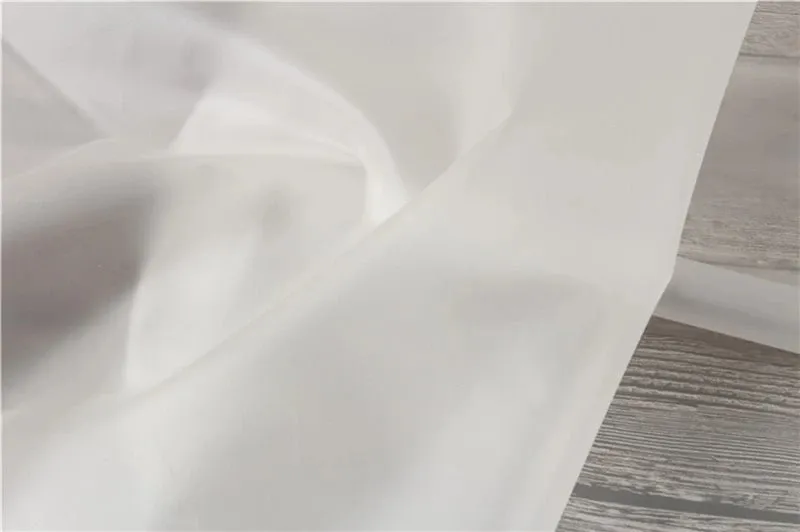
What Does PEVA Stand For?
PEVA โดยทั่วไปหมายถึง poly(ethylene-vinyl acetate), เป็นโคพอลิเมอร์ที่ทำจากเอทิลีนและไวนิลอะซิเตท.
วัสดุนี้มีส่วนประกอบหลักสองส่วน:
- เอทิลีน, ซึ่งช่วยเพิ่มความแข็งแกร่ง ความต้านทานความชื้น และความสามารถในการประมวลผล
- ไวนิลอะซิเตท, ซึ่งเพิ่มความนุ่มนวล ความยืดหยุ่น ความชัดเจน และประสิทธิภาพในอุณหภูมิต่ำ
ปริมาณไวนิลอะซิเตทสามารถแตกต่างกันได้มาก ปริมาณไวนิลอะซิเตทที่สูงขึ้นโดยทั่วไปจะผลิตวัสดุที่นุ่มและยืดหยุ่นมากขึ้น ในขณะที่ปริมาณที่ต่ำกว่าจะทำให้ฟิล์มแข็งขึ้นและมีพฤติกรรมคล้ายโพลีเอทิลีนมากขึ้น.
ช่วงต่อไปนี้มีประโยชน์ในฐานะแหล่งอ้างอิงทั่วไป แม้ว่าประสิทธิภาพจริงจะแตกต่างกันไปตามเกรดเรซิน สารเติมแต่ง วิธีการผลิต และความหนาของฟิล์ม.
| ปริมาณไวนิลอะซิเตทโดยประมาณ | พฤติกรรมวัสดุทั่วไป | การใช้งานที่เป็นไปได้ |
|---|---|---|
| ช่วงที่ต่ำกว่า | แข็งกว่า มั่นคงกว่า และคล้ายโพลีเอทิลีนน้อยกว่า | ฟิล์มป้องกันและครอบคลุม |
| ช่วงกลาง | Balanced flexibility and durability | ถุงเสื้อผ้าและฟิล์มยืดทั่วไป |
| ช่วงที่สูงกว่า | นุ่มกว่า ยืดหยุ่นกว่า และมักจะใสกว่า | กระเป๋าเครื่องสำอางและบรรจุภัณฑ์ยืดหยุ่น |
ผู้ซื้อไม่ควรเลือก PEVA เพียงอย่างเดียวจากเปอร์เซ็นต์ของวัสดุไวนิลอะเซตเนต แผ่นข้อมูลทางเทคนิคของผู้จำหน่าย ตัวอย่างฟิล์มที่ผลิตแล้ว ข้อมูลเฉพาะความหนา และการใช้งานที่ตั้งใจมักจะเป็นประโยชน์มากกว่าสำหรับการพัฒนาผลิตภัณฑ์.
PEVA เหมือนกับ EVA หรือไม่?
คำศัพท์อาจไม่สอดคล้องกันเสมอไปในแต่ละอุตสาหกรรม.
ทางเคมี, EVA หมายถึง อีธิลีน-ไวนิลอะเซตเนต ในขณะที่ PEVA มักจะถูกใช้เป็นชื่ออีกชื่อหนึ่งสำหรับโพลี(อีธิลีน-ไวนิลอะเซตเนต) ฐานข้อมูลทางเทคนิคอาจถือว่า PEVA และ EVA เป็นชื่อของตระกูลโคพอลิเมอร์ทั่วไปเดียวกัน.
ในด้านการจัดหาถุงพาณิชย์และผลิตภัณฑ์ในบ้าน อย่างไรก็ตาม ผู้จำหน่ายมักจะใช้คำต่างกัน:
- EVA ทั่วไปหมายถึงแผ่นที่หนากว่า โฟม ชิ้นส่วนที่ขึ้นรูป เบาะรองนั่ง หรือวัสดุที่คล้ายยาง.
- PEVA ทั่วไปหมายถึงฟิล์มที่บางและยืดหยุ่นได้ ซึ่งไม่มีคลอรีน ใช้สำหรับม่านอาบน้ำ ถุงเสื้อผ้า ปกโต๊ะ บรรจุภัณฑ์ และถุงเล็ก.
ดังนั้น ชื่อเพียงอย่างเดียวจึงไม่ให้ข้อมูลเพียงพอในการเปรียบเทียบวัสด สองชนิด.
เมื่อขอใบเสนอราคา หรืออนุมัติตัวอย่าง ผู้ซื้อควรยืนยัน:
- ฟิล์มหรือรูปแบบโฟม
- ความหนา
- Transparency
- Surface finish
- Flexibility
- สารเติมแต่ง
- Printing compatibility
- การใช้ปลายทางที่ตั้งใจไว้
- มาตรฐานการทดสอบที่จำเป็น
นี่เชื่อถือได้มากกว่าการสมมติว่าผู้จำหน่ายทุกคนใช้ “EVA” และ “PEVA” ในลักษณะเดียวกัน.
Is PEVA a Fabric or Plastic?
PEVA คือพลาสติกทางเทคนิค แม้ว่าฟิล์ม PEVA ที่บางสามารถให้ความรู้สึกและทำงานเหมือนผ้าที่ยืดหยุ่นได้.
สำหรับการใช้งานถุง PEVA มักจะถูกจัดsuppliedในม้วนฟิล์มนุ่ม ขึ้นอยู่กับความหนาและสูตร มันสามารถ:
- พับ
- ตัด
- เย็บ
- ปิดผนึกด้วยความร้อน
- เคลือบด้วยวัสดุรองอื่น
- พิมพ์หลังจากการบำบัดพื้นผิวที่เหมาะสม
นี่คือเหตุผลที่คำศัพท์เช่น “ผ้าพีวา” หรือ “ผ้าพีวา” เป็นที่นิยมในคำอธิบายผลิตภัณฑ์เชิงพาณิชย์ พวกเขาอธิบายรูปแบบที่ยืดหยุ่นและคล้ายผ้าของวัสดุมากกว่าการจัดประเภททางเคมีของมัน.
สำหรับการออกแบบผลิตภัณฑ์ พีวามอบลักษณะเฉพาะที่มีประโยชน์หลายประการ:
- ฟิล์มเองป้องกันการซึมผ่านของน้ำ
- สามารถผลิตให้เป็นใส, พ้น, ด้าน, มีสี, หรือมีลายนูน
- มันเบากว่าสิ่งทอเคลือบหลายชนิด
- มันสามารถมองเห็นได้โดยไม่เปิดเผยเนื้อหา
- สามารถใช้เดี่ยวๆ หรือนำไปรวมกับผ้าไม่มีทอ, โพลีเอสเตอร์, หรือวัสดุอื่นๆ
อย่างไรก็ตาม ฟิล์มพีวาและถุงพีวาที่ผลิตเสร็จแล้วไม่ควรที่จะถูกจัดว่ามีความกันน้ำเท่ากันโดยอัตโนมัติ ซิป, รูเย็บ, รอยประสานที่ปิดผนึกด้วยความร้อน, การผูก, และวิธีการสร้างล้วนส่งผลต่อความต้านทานน้ำของผลิตภัณฑ์สุดท้าย.
How Is PEVA Material Manufactured?
การเข้าใจขั้นตอนการผลิตช่วยให้ผู้ซื้อประเมินความสม่ำเสมอของฟิล์ม, ประสิทธิภาพการพิมพ์, ความแข็งแรงของตะเข็บ, และความสามารถของซัพพลายเออร์.
การเตรียมเรซินและสารเติมแต่ง
การผลิตฟิล์มพีวาปกติเสร็จสิ้นด้วยการเลือกเกรดของเรซินอีทิลีนน้ำมันเวนิลซึ่งมีเงื่อนไขที่เลือก ขึ้นอยู่กับประสิทธิภาพที่ต้องการ เรซินอาจผสมผสานกับ:
- Pigments
- สารป้องกัน UV
- สารช่วยประมวลผล
- สารเติมแต่งป้องกันไฟฟ้าสถิตย์
- สารเคลือบ
- สารเติมแต่งเฉพาะแอปพลิเคชันอื่นๆ
สูตรที่แน่นอนมีผลต่อความใส, กลิ่น, ความยืดหยุ่น, พฤติกรรมการชรา, การยึดติดของการพิมพ์, และค่าใช้จ่าย.
โรงงานผลิตถุงไม่ได้ผลิตโพลิเมอร์หรือหลอมฟิล์มด้วยตนเองเสมอไป หลายแห่งซื้อลูกฟิล์มพีวาที่เสร็จสิ้นจากซัพพลายเออร์ฟิล์มเฉพาะทางและจากนั้นจัดการการพิมพ์, การตัด, การเย็บ, การปิดผนึก, การตรวจสอบ, และการประกอบ.
ผู้ซื้อควรชี้แจงว่าซัพพลายเออร์ควบคุมการผลิตฟิล์มในบ้านหรือทำงานร่วมกับพันธมิตรทางวัสดุที่ได้รับอนุ approval.
การผลิตฟิล์มและการรีด
เรซินที่เตรียมไว้จะถูกหลอมและ形成เป็นฟิล์มต่อเนื่อง อุณหภูมิในการประมวลผลและการตั้งค่าเครื่องจักรจะแตกต่างกันขึ้นอยู่กับเกรดเรซินและอุปกรณ์.
ระหว่างการผลิตฟิล์ม ผู้ผลิตจะควบคุม:
- ความหนา
- ความกว้าง
- Transparency
- พื้นผิว
- สี
- Flexibility
- ความสม่ำเสมอของม้วน
PEVA ที่ใช้สำหรับถุงอาจมีตั้งแต่ฟิล์มเศรษฐกิจบางไปจนถึงวัสดุที่หนักกว่ามากช่วงเชิงพาณิชย์ทั่วไปคือประมาณ 0.06 มม. ถึง 0.30 มม., แต่ความหนาที่เหมาะสมขึ้นอยู่กับโครงสร้างผลิตภัณฑ์และการใช้งานที่คาดหวัง.
ความหนาเพียงอย่างเดียวไม่ได้กำหนดความทนทาน การกำหนดสูตรวัสดุ การสร้างตะเข็บ คุณภาพซิป การเสริมแรง และขนาดผลิตภัณฑ์ก็มีความสำคัญ.
Post-Processing
ขึ้นอยู่กับผลิตภัณฑ์ ฟิล์ม PEVA อาจได้รับการประมวลผลเพิ่มเติมเช่น:
- การรักษาโคโรนาเพื่อปรับปรุงการยึดติดของหมึก
- การพิมพ์ลวดลายหรือการเคลือบ
- การเคลือบด้วยผ้าสิ่งทอที่ไม่ทอหรือวัสดุรองพื้นอื่น ๆ
- การพิมพ์สกรีนหรือการตกแต่งด้วยการถ่ายเทความร้อน
- Die-cutting
- การเย็บ
- การปิดผนึกด้วยความร้อน
- กระบวนการเชื่อมตะเข็บที่เข้ากันได้อื่น ๆ
ไม่ได้สูตร PEVA ทุกสูตรทำงานได้ดีเท่ากันกับวิธีการพิมพ์หรือปิดผนึกทุกชนิด วิธีการผลิตควรได้รับการทดสอบบนฟิล์มที่เลือกก่อนการผลิตจำนวนมาก.
Key Properties of PEVA Material
ตารางต่อไปนี้ให้ภาพรวมที่ใช้ได้จริง ค่าที่แน่นอนจะแตกต่างกันไปตามเกรดเรซิน, สารเติมแต่ง, ความหนา, และวิธีการทดสอบ ดังนั้นผู้ซื้อควรขอแผ่นข้อมูลทางเทคนิคเมื่อประสิทธิภาพเชิงตัวเลขมีความสำคัญ.
| Property | ประสิทธิภาพ PEVA โดยทั่วไป | Why It Matters |
|---|---|---|
| ความต้านทานต่อความชื้น | ยอดเยี่ยมที่ระดับฟิล์ม | ช่วยปกป้องเนื้อหาจากการกระเซ็น, ความชื้น, และฝุ่น |
| Flexibility | High | เหมาะสำหรับฝาครอบพับได้, ซอง, และผลิตภัณฑ์พกพา |
| Odor | โดยปกติจะต่ำ | มีประโยชน์สำหรับการเก็บภายใน, บรรจุภัณฑ์ค้าปลีก, และผลิตภัณฑ์ส่วนบุคคล |
| Transparency | Adjustable | มีให้เลือกในตัวเลือกใส, โปร่งแสง, เคลือบ, มีสี, และไม่โปร่งใส |
| ความต้านทานการฉีกขาดและแรงดึง | ปานกลางและขึ้นอยู่กับสูตร | เหมาะสำหรับผลิตภัณฑ์ที่มีน้ำหนักเบาและปานกลางหลายชนิด |
| ประสิทธิภาพที่อุณหภูมิต่ำ | โดยทั่วไปดีกว่าวัสดุไวนิลแข็ง | ลดความเสี่ยงของการเปราะเมื่อเก็บหรือขนส่งในที่เย็น |
| ความต้านทานความร้อน | จำกัด | ต้องมีการทดสอบสำหรับสภาพแวดล้อมที่ร้อน การฆ่าเชื้อ หรือการสัมผัสโดยตรงกับเนื้อหาร้อน |
| ความคงตัวต่อรังสี UV | ขึ้นอยู่กับสูตร | การใช้งานกลางแจ้งอาจต้องใช้สารปรับปรุงและการทดสอบการแก่ตัว |
| น้ำหนัก | ค่อนข้างเบา | สามารถลดน้ำหนักของผลิตภัณฑ์และการขนส่ง |
| Printability | ดีหลังจากได้รับการบำบัดที่เหมาะสม | รองรับโลโก้ ลวดลาย ข้อมูลการดูแล และการสร้างแบรนด์ |
PEVA จะมีประสิทธิภาพมากที่สุดเมื่อคุณสมบัติของมันตรงกับโครงสร้างผลิตภัณฑ์ ฟิล์มบางอาจทำงานได้ดีสำหรับการครอบคลุมเสื้อผ้าหนักเบาแต่สามารถถูกเจาะได้ง่ายเมื่อใช้สำหรับเนื้อหาที่แหลมคมหรือหนัก.
PEVA กับ PVC: ทำไมผู้ซื้อเปรียบเทียบพวกเขา
PEVA มักถูกเปรียบเทียบกับ PVC เพราะวัสดุทั้งสองสามารถผลิตเป็นฟิล์มนิ่มและกันน้ำสำหรับถุง, ผ้าม่านอาบน้ำ, บรรจุภัณฑ์ และป้องกัน.
ความแตกต่างทางเคมีหลักคือคลอรีน.
PVC มีคลอรีนในโครงสร้างโพลีเมอร์ของมัน PVC ที่ยืดหยุ่นอาจยังใช้พลาสติกเพื่อให้มีความนุ่มนวลตามต้องการ PEVA ไม่มีคลอรีนในลักษณะเดียวกันและมักจะได้รับความยืดหยุ่นจากโครงสร้างโคโพลีเมอร์แทนการต้องการระบบพลาสติกเดียวกัน.
นี่ไม่ได้หมายความว่าผลิตภัณฑ์ PVC ทุกชิ้นไม่ปลอดภัยหรือว่าสูตร PEVA ทุกสูตรจะเหมาะสมกับการใช้งานทุกประเภท มันหมายความว่า PEVA สามารถลดข้อกังวลเกี่ยวกับวัสดุและความเข้ากันได้ที่เกี่ยวข้องกับ PVC ที่ยืดหยุ่นบางประการ.
| ปัจจัย | PEVA | PVC |
|---|---|---|
| คลอรีนในโพลีเมอร์ | No | Yes |
| Flexibility | ซึ่งเป็นส่วนประกอบของสูตรโคโพลีเมอร์ | มักปรับให้เหมาะสมด้วยพลาสติก |
| Odor | โดยปกติจะต่ำ | อาจมีกลิ่นที่แรงกว่ายึดตามสูตร |
| Transparency | ใสจนถึงทึบแสง | ใสจนถึงทึบแสง |
| ความต้านทานต่อความชื้น | ยอดเยี่ยมในระดับฟิล์ม | ยอดเยี่ยมในระดับฟิล์ม |
| ความต้านทานความร้อน | จำกัด | ขึ้นอยู่กับสูตร |
| การเข้าถึงการรีไซเคิล | จำกัด | ยังมีข้อจำกัดในหลายสถานที่ |
| Cost | มักจะสูงกว่าค่อนข้างน้อย | มักจะต่ำกว่า |
| การรับรู้ของผู้ซื้อ | มักถูกวางตลาดเป็นทางเลือกที่มีอันตรายน้อยลง | อาจต้องเผชิญกับความต้องการที่เข้มงวดจากผู้ซื้อในแอพพลิเคชันที่ละเอียดอ่อน |
PEVA ไม่ก่อให้เกิดคลอรีนจากโพลิเมอร์เองในระหว่างการกำจัด แต่ว่าผลกระทบต่อสิ่งแวดล้อมของผลิตภัณฑ์ใด ๆ ยังคงขึ้นอยู่กับสารเติมแต่ง พลังงานในการผลิต อายุการใช้งาน การเก็บขยะ และกระแสขยะที่กว้างขึ้น。.
สำหรับการสั่งซื้อระหว่างประเทศ ผู้ซื้อควรประเมินสูตรที่แน่นอนแทนที่จะพึ่งพาเพียงชื่อวัสดุเท่านั้น。.
Is PEVA Safe? Toxicity and Health Considerations
คำตอบที่เหมาะสมคือ:
PEVA โดยทั่วไปถือว่ามีความเหมาะสมสำหรับผลิตภัณฑ์ประจำวันจำนวนมาก แต่ความปลอดภัยจะต้องได้รับการประเมินตามสูตรที่แน่นอนและการใช้งานที่ตั้งใจไว้。.
ทำไม PEVA จึงมักถูกพิจารณาว่าปลอดภัยกว่า PVC
PEVA มีลักษณะหลายอย่างที่ทำให้มันน่าสนใจสำหรับผลิตภัณฑ์ในบ้าน บรรจุภัณฑ์ และถุง:
- มันไม่มีคลอรีนในลักษณะเดียวกับ PVC。.
- พลาสติกizers ที่มีฟธาเลตโดยทั่วไปไม่จำเป็นต้องใช้เพื่อทำให้มันยืดหยุ่น。.
- PEVA ที่มีการจัดเตรียมอย่างเหมาะสมมักจะมีกลิ่นต่ำ。.
- มันอาจผลิตกลิ่นและข้อกังวล VOC น้อยกว่าบางสูตร PVC ที่ยืดหยุ่น。.
- มันถูกใช้โดยทั่วไปในม่านอาบน้ำ ปก ถุง และบรรจุภัณฑ์ป้องกัน。.
สิ่งที่ผู้ซื้อควรมีมุมมองที่เป็นจริง
PEVA ไม่ควรถูกอธิบายว่าเป็นสารที่ไม่เป็นพิษอย่างสมบูรณ์โดยอัตโนมัติ。.
มันยังคงเป็นโพลิเมอร์สังเคราะห์ และสูตรทางการค้าอาจมีสี สารตั้งต้น ตัวช่วยในการผลิต และสารเติมแต่งอื่น ๆ ความเหมาะสมของพวกเขาขึ้นอยู่กับการใช้งานและตลาดเป้าหมาย。.
ผู้ซื้อควรระมัดระวังเป็นพิเศษเมื่อผลิตภัณฑ์เกี่ยวข้องกับ:
- Direct food contact
- ผลิตภัณฑ์เด็ก
- ผลิตภัณฑ์สำหรับเด็ก
- การใช้งานทางการแพทย์
- การสัมผัสกับผิวหนังหรือสินค้าดูแลส่วนบุคคลซ้ำ ๆ
- อุณหภูมิสูง
- ข้อกำหนดเรื่องสารต้องห้ามจากผู้ค้าปลีกหรือแบรนด์
PEVA ไม่ถือว่าเป็นเกรดสำหรับอาหารโดยอัตโนมัติเพียงเพราะวัสดุไม่มีคลอรีนหรือต่ำกลิ่น สำหรับการสัมผัสกับอาหารโดยตรง สูตรและผลิตภัณฑ์สำเร็จรูปที่เลือกจะต้องตรงตามข้อกำหนดที่เกี่ยวข้องสำหรับเงื่อนไขการใช้งานที่ตั้งใจไว้.
FDA ของสหรัฐอเมริกาลิสต์โคพอลีเมอร์เอทิลีน-ไวเนิลอะซิเตตบางประเภทสำหรับการใช้งานบรรจุภัณฑ์อาหารที่กำหนด แต่นี่ไม่ได้หมายความว่าฟิล์ม PEVA ทุกชนิดจะเป็นไปตามมาตรฐานโดยอัตโนมัติ ผู้ซื้อจำเป็นต้องตรวจสอบเรซินที่แน่นอน สารเติมแต่ง ข้อกำหนดการย้ายถิ่น และการใช้งานที่ตั้งใจ.
PEVA เป็นมิตรกับสิ่งแวดล้อมหรือไม่?
PEVA มักถูกจำหน่ายว่าเป็นมิตรต่อสิ่งแวดล้อมเพราะมันหลีกเลี่ยงคลอรีนและสารเติมแต่งบางประการที่เกี่ยวข้องกับ PVC ที่ยืดหยุ่น คำอธิบายที่ถูกต้องมากกว่าคือ PEVA อาจเป็น ทางเลือกที่ลดอันตรายสำหรับ PVC, แทนที่จะเป็นวัสดุที่ยั่งยืนโดยสิ้นเชิง.
| ปัจจัยด้านความยั่งยืน | PEVA Reality |
|---|---|
| แหล่งวัตถุดิบ | มักมาจากปิโตรเลียม |
| Chlorine content | ไม่มีคลอรีนที่พบใน PVC |
| กลิ่นระยะการใช้งาน | โดยทั่วไปต่ำ |
| ความทนทาน | เหมาะสำหรับผลิตภัณฑ์ที่นำกลับมาใช้ใหม่ได้เมื่อระบุอย่างถูกต้อง |
| Biodegradability | ไม่สามารถย่อยสลายได้อย่างง่ายดายภายใต้สภาวะปกติ |
| Recyclability | ทางเทคนิคสามารถทำได้สำหรับสูตรบางชนิด แต่โครงสร้างพื้นฐานในการเก็บรวบรวมมีจำกัด |
| สิ้นอายุการใช้งาน | มักถูกกำจัดผ่านการฝังกลบหรือการเผา |
| ตำแหน่งโดยรวม | การปรับปรุงสำหรับบางแอปพลิเคชัน แต่ไม่ใช่ทางออกที่สมบูรณ์สำหรับขยะพลาสติก |
อายุการใช้งานที่นานขึ้นอาจลดความถี่ในการเปลี่ยน แต่การนำกลับมาใช้ใหม่ควรได้รับการสนับสนุนจากความหนาที่เหมาะสม ความแข็งแรงของรอยต่อ การปิดผนึก และการออกแบบผลิตภัณฑ์.
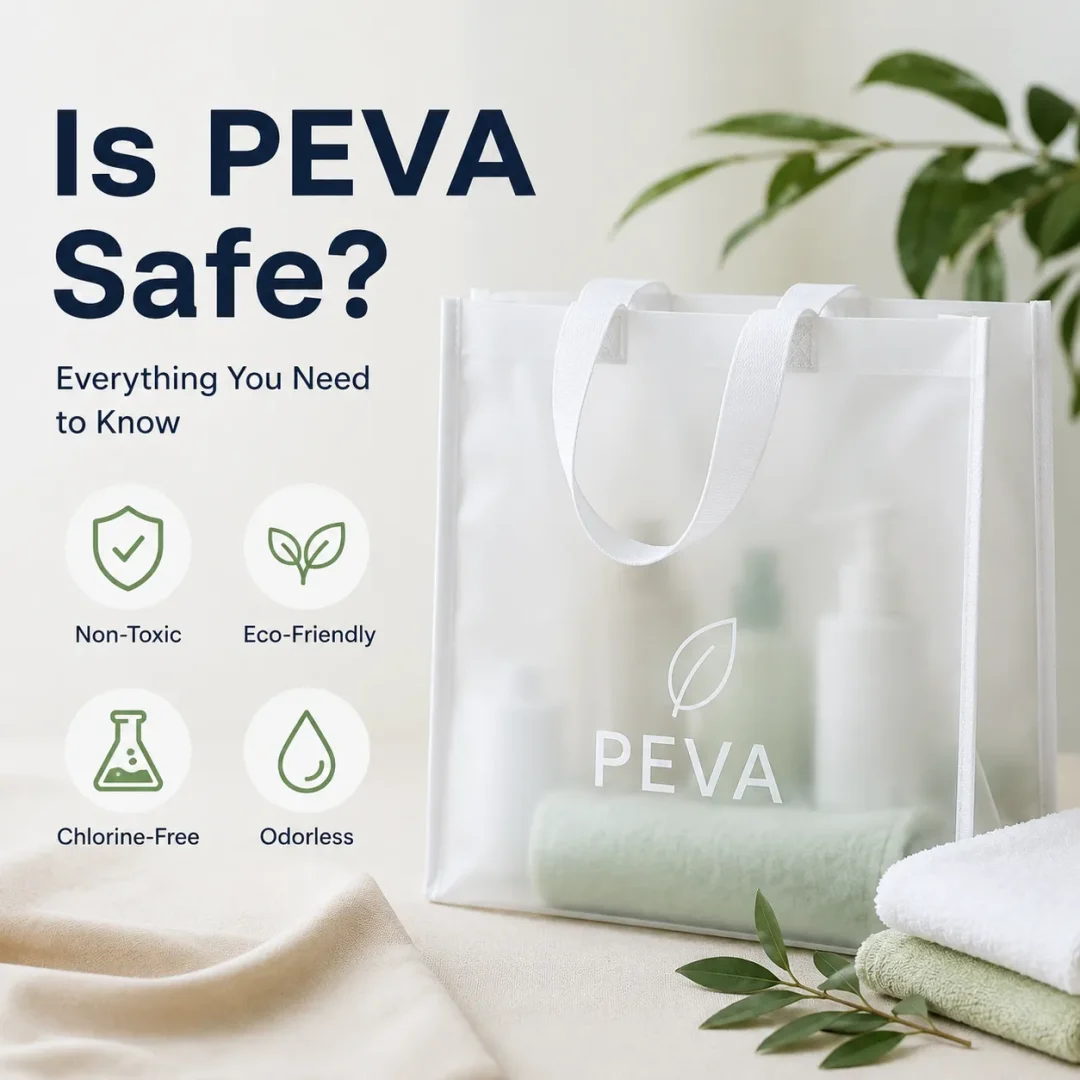
แบรนด์ควรหลีกเลี่ยงการอ้างสิทธิ์เช่น:
- 100% มิตรต่อสิ่งแวดล้อม
- ย่อยสลายได้อย่างสมบูรณ์
- รีไซเคิลได้ทั่วทุกที่
- ปราศจากสารเคมี
- ไม่มีสารพิษอย่างสมบูรณ์
คำอธิบายที่สามารถป้องกันได้มากขึ้นรวมถึง:
- ปราศจากคลอรีน
- ไม่มี PVC เมื่อได้รับการตรวจสอบ
- มีกลิ่นน้อย
- ใช้ซ้ำได้
- ทางเลือกที่ลดอันตรายแทน PVC
- ทดสอบตามข้อกำหนดวัสดุที่ถูกจำกัดซึ่งผู้ซื้อระบุไว้
เมื่อเนื้อหาที่สามารถนำกลับมาใช้ใหม่หรือรีไซเคิลได้เป็นสิ่งสำคัญหลัก วัสดุต่างๆ เช่น โพลีเอสเตอร์รีไซเคิล ฝ้ายออร์แกนิค หรือกัญชา อาจเหมาะสมกว่า อย่างไรก็ตาม พวกมันไม่ให้การรวมกันของความโปร่งใสและความต้านทานความชื้นในลักษณะเดียวกัน เว้นแต่จะมีการเพิ่มเคลือบหรือแลมิเนต.
Applications of PEVA Material
PEVA is used across household, retail, packaging, travel, and storage products.
Garment Bags and Clothing Protection
PEVA garment bags can provide:
- Clear or frosted visibility
- Protection against dust and incidental moisture
- Lightweight construction
- Low bulk for shipping and storage
- Printable surfaces for branding and care information
For retail, dry-cleaning, uniforms, bridalwear, and wardrobe storage, the required film thickness should reflect the garment weight and expected number of uses.
Thin PEVA is suitable for light covers, while larger suit bags, wedding-gown bags, or reusable travel covers may need thicker film, reinforced handles, stronger zippers, or fabric panels.
Shower Curtains and Bathroom Products
PEVA is commonly used for shower-curtain liners because it is flexible, water-resistant, easy to wipe clean, and normally lower in odor than many traditional vinyl curtains.
The humid environment makes formulation, seam quality, cleaning instructions, and mildew-control practices important.
Cosmetic and Travel Bags
Clear or frosted PEVA can be used for:
- Cosmetic zipper pouches
- Toiletry organizers
- Travel wash bags
- Gift sets
- Retail beauty packaging
- Small wet-item pouches
A clear material can help users identify contents, but airline or security compliance depends on the bag dimensions, capacity, and applicable travel rules—not on PEVA alone.
Promotional and Retail Packaging
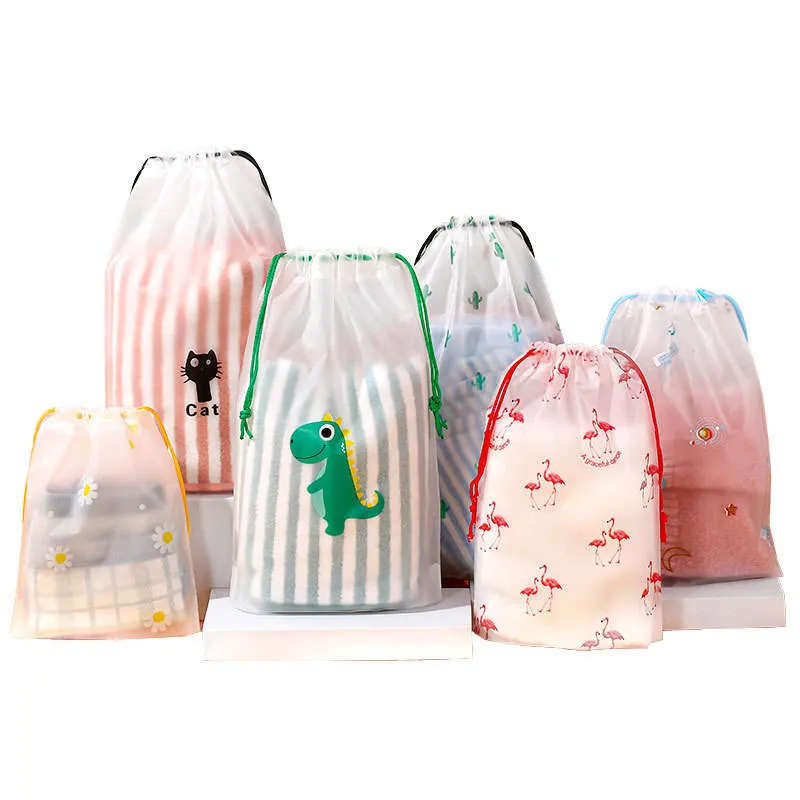
PEVA can be customized for:
- Gift-with-purchase pouches
- Product presentation bags
- Trade-show giveaways
- Branded storage organizers
- Reusable promotional packaging
- Clear retail packs
For printed packaging, ink adhesion should be tested on the selected surface treatment before mass production.
ที่คลุมและผู้จัดระเบียบป้องกัน

Other applications include:
- Table covers
- Furniture covers
- Mattress protectors
- Household storage bags
- Bedding organizers
- Dust covers
- Moisture-resistant packaging
For heavy or sharp contents, PEVA may need reinforcement, lamination, or an alternative material with better puncture resistance.
PEVA in Custom Manufacturing: What Buyers Need to Know
For custom PEVA products, quality depends on more than the material name.
ตัวเลือกการปรับแต่ง
Common options include:
- Thickness: approximately 0.06 mm to 0.30 mm for many bag applications
- Finish: clear, frosted, matte, glossy, textured, or embossed
- สี: transparent, translucent, opaque, or Pantone-matched where technically feasible
- การพิมพ์: screen printing, heat transfer, and other compatible methods
- Construction: sewn, bound, heat-sealed, laminated, or combined-material structures
- Closures: zippers, snaps, drawstrings, hook-and-loop tape, or sealed edges
- Reinforcement: webbing handles, fabric binding, reinforced corners, or additional panels
Thicker film generally costs more, but it does not automatically guarantee a stronger finished bag. Large dimensions, heavy contents, sharp objects, weak seams, and poorly attached handles can still cause failure.
ปริมาณการสั่งซื้อต่ำสุด
For custom production, a common starting point is approximately 1,000 units per design, although the actual MOQ depends on:
- Film color
- ความหนา
- Printing method
- Product dimensions
- Closure type
- Whether custom tooling is required
- Whether stock film can be used
- Packaging requirements
Lower quantities may be possible with stock material and simple printing, but the unit price normally increases because setup, printing, cutting, and machine-adjustment costs are distributed across fewer pieces.
Quality Control Checklist
When evaluating a PEVA sample or production order, check:
- Material thickness
Measure several points rather than relying on one reading. - Thickness consistency
Confirm that the agreed tolerance is written into the specification. - Odor
A strong or unusual chemical odor may indicate formulation, storage, or processing issues. - Seam strength
Sewn and sealed seams should be tested according to the expected load and use. - Water resistance
Test the finished product, not only the raw film. Pay attention to zippers, stitching holes, corners, and bindings. - Puncture and tear resistance
Thin PEVA can be damaged by sharp contents or concentrated loads. - Print adhesion
Printed areas should be checked for scratching, peeling, blocking, and color transfer. - Clarity and surface consistency
Look for haze variation, wrinkles, black spots, uneven embossing, and roll marks. - ความสม่ำเสมอของสี
Compare production against an approved sample or agreed tolerance. - Aging behavior
If the product will be stored for long periods or used outdoors, consider heat, UV, folding, and yellowing tests.
Target Markets and Compliance
Testing requirements should be defined according to the product category, target market, buyer requirements, and intended use.
Depending on the project, buyers may request:
- REACH restricted-substance screening for EU markets
- Applicable U.S. requirements for children’s products
- California Proposition 65 assessment
- Food-contact testing for the intended use
- Phthalate screening
- Heavy-metal testing
- Colorfastness and print-adhesion testing
- Retailer-specific restricted substance lists
- Material safety documentation
Compliance should not be assumed from a general statement such as “PEVA is safe.” The supplier should test the specified material and finished product against the standards required for that order.
Limitations of PEVA Material
PEVA is useful, but it is not suitable for every project.
Its main limitations include:
- It is not readily biodegradable under normal disposal conditions.
- Recycling access is limited in many markets.
- Thin films can be punctured by sharp objects.
- It is less suitable than canvas, nylon, or heavy coated textiles for demanding loads.
- Heat resistance is limited and formulation-dependent.
- Long-term UV exposure may cause discoloration or brittleness without suitable stabilization.
- Sewn PEVA products may allow water to enter through needle holes.
- Clear and glossy surfaces may show scratches, wrinkles, or handling marks.
- Raw-material costs may be affected by petrochemical price changes.
These limitations should be considered during material selection rather than after a sample has already been produced.
เมื่อไหร่ควรเลือก PEVA—และเมื่อไหร่ไม่ควร
PEVA เป็นตัวเลือกที่ดีเมื่อ:
- Moisture and dust protection are important
- You need a clear or frosted product
- Low odor is important for indoor use
- The product must remain lightweight and foldable
- You need a chlorine-free alternative to PVC
- The expected load is light or moderate
- The design requires printing or product visibility
- Cost must remain below many premium TPU or coated-textile constructions
พิจารณาวัสดุอื่นเมื่อ:
- Heavy-duty load capacity is required
- The product will contain sharp tools or components
- High-temperature exposure is expected
- Outdoor UV exposure will be prolonged
- Natural, biodegradable, or recycled content is the primary brand requirement
- Direct food contact is required without a verified compliant formulation
- A premium textile appearance is more important than transparency
- The bag must remain waterproof at heavily stitched seams
Possible alternatives include TPU, coated polyester, nylon, canvas, RPET, non-woven fabric, or laminated textiles, depending on the performance requirements.
คำถามที่พบบ่อย
วัสดุ PEVA ประกอบด้วยอะไร?
PEVA is generally a copolymer of ethylene and vinyl acetate. Commercial film may also contain pigments, stabilizers, processing aids, and other additives selected for the intended application.
PEVA เป็นพลาสติกหรือผ้า?
Chemically, PEVA is a plastic. When manufactured as a thin, flexible film, it can feel and behave like fabric, which is why it is sometimes sold as “PEVA fabric.”
Is PEVA safe for everyday use?
Properly formulated PEVA is commonly used for garment bags, shower curtains, storage covers, cosmetic pouches, and packaging. Sensitive applications still require verification of the exact formulation and applicable test requirements.
PEVA เป็นสารที่ไม่เป็นพิษหรือไม่?
It is more accurate to describe PEVA as chlorine-free and generally low-odor rather than universally “non-toxic.” Finished formulations can contain additives, so safety claims should be supported by appropriate testing.
Is PEVA waterproof?
The PEVA film itself provides excellent resistance to water penetration. However, the finished bag may not be fully waterproof if it has sewn seams, needle holes, non-waterproof zippers, bindings, or unsealed openings.
Is PEVA better than PVC?
PEVA is often preferred when buyers want a chlorine-free, lower-odor material that does not normally require phthalate plasticizers for flexibility. PVC may still offer advantages in cost, clarity, or certain performance requirements. The better material depends on the application and compliance needs.
Can PEVA be recycled?
Some PEVA formulations are technically recyclable, but they are not widely accepted by municipal recycling systems. Local collection and processing availability should be verified before making recyclability claims.
PEVA ย่อยสลายได้หรือไม่?
PEVA does not readily biodegrade under normal environmental or composting conditions.
PEVA ปลอดภัยต่ออาหารหรือไม่?
Not automatically. Food-contact suitability depends on the resin, additives, finished construction, type of food, contact time, temperature, and applicable regulations. Buyers should specify food-contact requirements before material selection.
ผลิตภัณฑ์ PEVA มีอายุการใช้งานนานแค่ไหน?
There is no universal service-life figure. Durability depends on film thickness, formulation, seam construction, folding frequency, load, heat, UV exposure, cleaning method, and storage conditions.
บทสรุป
PEVA is a practical material for products that require flexibility, low odor, transparency, and moisture resistance. It is widely used for garment bags, cosmetic pouches, shower curtains, protective covers, storage organizers, and promotional packaging.
Its main advantage over PVC is not that it is perfectly sustainable or completely risk-free. Rather, it provides a chlorine-free, generally low-odor option that can reduce some of the material concerns associated with flexible PVC.
For buyers, the material name is only the starting point. A successful PEVA product also depends on:
- The selected film grade and thickness
- Additive and testing requirements
- Printing compatibility
- Seam and zipper construction
- Expected load and service environment
- Target-market compliance
- Finished-product quality control
Before confirming bulk production, buyers should approve the actual film, construction sample, printed result, and required test standards. This provides a more reliable basis for sourcing than general claims such as “eco-friendly,” “non-toxic,” or “fully waterproof.”
เอกสารทางเทคนิค
- PubChem: Poly(ethylene-co-vinyl acetate)
- U.S. FDA Food Contact Substances Inventory
- U.S. FDA: Packaging Materials Listed in 21 CFR 179.45
Material formulations and regulatory requirements vary by product and market. Technical data and compliance documentation should be verified for each specific order.

 Thai
 English
 French
 German
 Japanese
 Arabic
 Vietnamese
 Russian
 Spanish
 Portuguese