
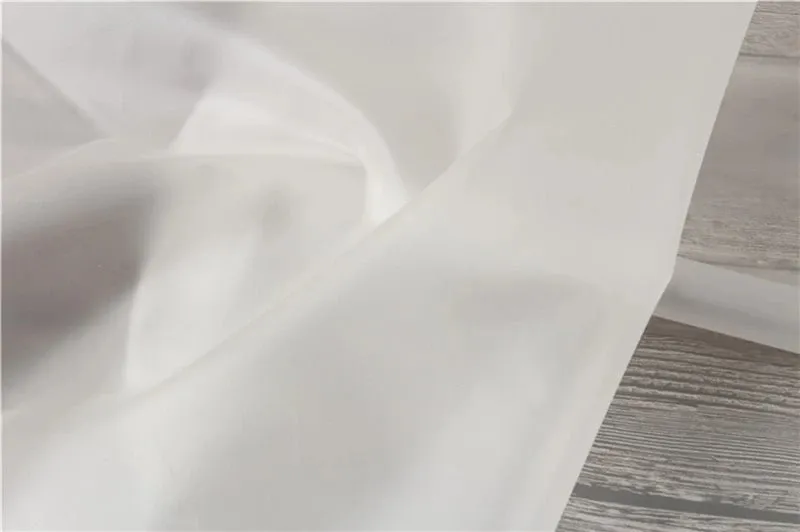
PEVAは、透明、 frosted、色付き、またはエンボス加工されたフィルムとして一般的に供給される柔軟な塩素フリーの熱可塑性樹脂です。バッグ製造では、衣類カバー、化粧品ポーチ、ストレージバッグ、保護包装、そして湿気抵抗性、低臭気、および柔らかいプラスチックフィルムを必要とするその他の製品に頻繁に使用されます。.
それはしばしばPVCのより安全または環境に優しい代替品として宣伝されています。その説明は部分的には真実ですが、文脈が必要です。PEVAはPVCに含まれる塩素を含まず、通常は柔軟性のためにフタル酸エステルプラスチック添加剤に依存しません。しかし、それは依然として合成の石油由来の材料であり、その安全性、リサイクル可能性、および適合性は正確な配合と意図された用途に依存します。.
製品開発者やバイヤーにとって、実際的な質問は単にPEVAが「安全」か「環境に優しい」かではありません。考慮すべき点は次のとおりです:
- フィルムの厚さと配合
- 完成品が縫製されるか、熱シールされるか
- 必要な印刷、色、表面仕上げ
- ターゲット市場と適用されるテスト要件
- 製品が食品、子供向けアイテム、または敏感な内容物に接触するかどうか
- 材料が保管、出荷、再使用中にどのように機能するか
このガイドは、材料を技術的および調達の観点から説明します。.
PEVAは何の略ですか?
PEVAは一般的に ポリ(エチレン-ビニルアセテート), エチレンとビニルアセテートから作られた共重合体です。.
この材料は二つの主成分を含んでいます:
- エチレン, 強度、耐湿性、加工性を提供します。
- ビニルアセテート, 柔らかさ、柔軟性、透明性、低温性能を向上させます。
ビニルアセテートの含有量はかなり変動します。一般的に、高いビニルアセテートの割合は、より柔らかく柔軟な材料を生成し、低い割合はより高分子様の挙動を持つ硬めのフィルムを生成します。.
以下の範囲は一般的な調達参考として有用ですが、実際の性能は樹脂のグレード、添加剤、生産方法、フィルムの厚さによって異なります。.
| おおよそのビニルアセテート含有量 | 一般的な材料の挙動 | 可能な応用 |
|---|---|---|
| 低範囲 | 固く、強く、よりポリエチレンのような | 保護フィルムとカバー |
| 中範囲 | Balanced flexibility and durability | 衣類用バッグおよび一般的な柔軟フィルム |
| 高範囲 | 柔らかく、より弾力性があり、しばしば透明 | 化粧品ポーチおよび柔軟なパッケージ |
バイヤーはPEVAをビニルアセテートの割合だけで選択すべきではありません。サプライヤーの技術データシート、完成品サンプル、厚さ仕様、および意図した用途は、通常、製品開発により有用です。.
PEVAはEVAと同じですか?
用語は業界によって常に一貫しているわけではありません。.
化学的には、, エヴァ エチレン-ビニルアセテートを指し、 PEVA ポリ(エチレン-ビニルアセテート)の別名としてよく使われます。技術データベースでは、PEVAとEVAを同じ一般的なコポリマー群の名前として扱うことがあります。.
しかし、商業用バッグや家庭用品の調達では、サプライヤーはしばしば異なる用語を使用します:
- エヴァ 通常、厚いシート、フォーム、成形部品、パディング、またはゴム状の材料を指します。.
- PEVA 通常、シャワーカーテン、衣類用バッグ、テーブルカバー、包装、およびポーチに使用される薄くて柔軟な塩素フリーのフィルムを指します。.
したがって、名前だけでは2つの材料を比較するのに十分な情報を提供するわけではありません。.
見積もりをリクエストするかサンプルを承認する際、バイヤーは以下を確認すべきです:
- フィルムまたはフォームの形式
- Thickness
- Transparency
- Surface finish
- Flexibility
- 添加剤
- Printing compatibility
- 意図された最終使用
- 必要な試験基準
これは、すべてのサプライヤーが「EVA」と「PEVA」を正確に同じように使用していると仮定するよりも信頼性があります。.
PEVAは布ですか、それともプラスチックですか?
PEVAは技術的にはプラスチックですが、薄いPEVAフィルムは柔軟な布のように感じたり、振る舞ったりすることがあります。.
バッグ用途の場合、PEVAは通常、柔らかいフィルムのロールで供給されます。その厚さと配合によって、以下のようにすることができます:
- 折り畳む
- 切る
- 縫う
- ヒートシール
- 別の基材でラミネート処理
- 適切な表面処理を行った後に印刷される
そのため、「PEVAファブリック」や「PEVAクロス」といった用語が商業製品の説明で一般的に使用されています。これらは、材料の柔軟な布のような形状を示し、化学的分類を示すものではありません。.
製品デザインにおいて、PEVAは多くの便利な特性を提供します:
- フィルム自体は水の浸透に対して抵抗します
- 透明、霧状、マット、色付き、またはエンボス仕上げで製造可能です
- 多くのコーティングされたテキスタイルよりも軽量です
- 内容物を露出させずに可視性を提供できます
- 単独で使用することも、非織布、ポリエステル、または他の材料と組み合わせて使用することもできます
ただし、PEVAフィルムと完成したPEVAバッグは自動的に同じように防水性があるとは見なされるべきではありません。ジッパー、縫合穴、ヒートシールされた縫い目、バインディング、及び構造方法は、最終製品の耐水性に影響を与えます。.
PEVA素材はどのように製造されますか?
製造プロセスを理解することで、バイヤーはフィルムの一貫性、印刷性能、縫い目の強度、および供給者の能力を評価できるようになります。.
樹脂と添加剤の準備
PEVAフィルムの製造は通常、選択したグレードのエチレン-ビニルアセテート共重合体樹脂から始まります。必要な性能に応じて、樹脂は次のものとコンパウンドされることがあります:
- Pigments
- UV安定剤
- 加工助剤
- 帯電防止添加剤
- 滑り剤
- その他のアプリケーション特有の添加剤
正確な配合は、透明度、臭い、柔軟性、老化特性、印刷接着性、及びコストに影響します。.
バッグ工場は必ずしもポリマーを製造したりフィルムを押出したりするわけではありません。多くは専門のフィルムサプライヤーから完成したPEVAロールを購入し、その後、印刷、カット、縫製、シーリング、検査、及び組み立てを行います。.
バイヤーは、サプライヤーがフィルム押出しを社内で制御しているのか、承認された素材パートナーと協力しているのかを明確にする必要があります。.
フィルム押出成形およびカレンダリング
準備された樹脂は溶かされ、連続したフィルムに形成されます。加工温度や機械設定は、樹脂のグレードや設備によって異なります。.
フィルム製造中、製造業者は以下を制御します:
- Thickness
- 幅
- Transparency
- 表面テクスチャー
- カラー
- Flexibility
- ロールの一貫性
バッグに使用されるPEVAは、薄型の経済フィルムから、より重い素材までさまざまです。一般的な商業範囲はおおよそ 0.06 mmから0.30 mm, ですが、適切な厚さは製品構造と期待される使用に依存します。.
厚さだけでは耐久性を決定しません。材料の配合、縫製構造、ジッパーの品質、補強、製品寸法も重要です。.
後処理
製品によっては、PEVAフィルムが以下のような追加処理を受けることがあります:
- インク付着を改善するためのコロナ処理
- エンボス加工またはフロスト加工
- 不織布または他の基材とのラミネーション
- スクリーン印刷または熱転写装飾
- Die-cutting
- 縫製
- 加熱シール
- その他の互換性のあるシームウェルディングプロセス
すべてのPEVA配合がすべての印刷またはシーリング方法で同様に効果的であるわけではありません。生産方法は、大量製造の前に選択されたフィルムでテストする必要があります。.
PEVA素材の主要特性
以下の表は実用的な概要を提供します。正確な値は樹脂グレード、添加剤、厚さ、テスト方法によって異なるため、数値の性能が重要な場合は技術データシートを要求するべきです。.
| 特性 | 典型的なPEVA性能 | なぜ重要なのか |
|---|---|---|
| 湿気抵抗 | フィルムレベルで優れています | 内容物を飛沫、湿気、およびほこりから保護するのに役立ちます |
| Flexibility | 高い | 折り畳み式カバー、ポーチ、ポータブル製品に適しています |
| Odor | 通常は低い | 屋内保管、小売包装、個人用製品に便利です |
| Transparency | 調節可能 | 透明、半透明、フロスト、カラフル、不透明オプションで利用可能 |
| 引裂強度および引張強度 | 中程度で配合依存 | 多くの軽量および中重量製品に適しています |
| 低温耐性 | 一般的に硬質ビニル材料より優れています | 冷蔵または輸送中の脆さのリスクを低減します |
| 耐熱性 | 制限された | 高温環境、滅菌、または熱い内容物との直接接触のためにテストが必要です |
| UV安定性 | 配合に依存します | 屋外使用には安定剤や aging テストが必要な場合があります |
| 重量 | 比較的軽量 | 製品および輸送重量を削減できます |
| Printability | 適切な処理の後に良好 | ロゴ、パターン、ケア情報、およびブランディングをサポート |
PEVAは、その特性が製品構造に合致しているときに最も効果的です。薄いフィルムは軽量のガーメントカバーには適していますが、鋭利または重い内容物に使用すると簡単に貫通する場合があります。.
PEVAとPVC:なぜバイヤーはそれらを比較するのか
PEVAは、両方の材料がバッグ、シャワーカーテン、包装、および保護カバー用の柔らかい防水フィルムとして生産できるため、PVCとよく比較されます。.
主な化学的な違いは塩素です。.
PVCはそのポリマー構造に塩素を含んでいます。柔軟なPVCは、要求される柔らかさを達成するために可塑剤を使用する場合もあります。PEVAは、同じ方法で塩素を含まず、通常は同じ可塑剤システムを必要とするのではなく、そのコポリマー構造から柔軟性を得ます。.
これは、すべてのPVC製品が安全でないわけでもなく、すべてのPEVA配合が自動的にすべての用途に適しているわけではないことを意味します。PEVAは、柔軟なPVCに関連する一部の材料およびコンプライアンスの懸念を軽減できることを意味します。.
| Factor | PEVA | PVC |
|---|---|---|
| ポリマー中の塩素 | No | はい |
| Flexibility | コポリマー配合に固有 | しばしば可塑剤で調整されます |
| Odor | 通常は低い | 配合によってはより強い香りがする場合があります |
| Transparency | 透明から不透明まで | 透明から不透明まで |
| 湿気抵抗 | フィルムレベルでは優れています | フィルムレベルでは優れています |
| 耐熱性 | 制限された | 配合に依存します |
| リサイクルアクセス | 制限された | 多くの場所で制限されている場合もあります |
| コスト | しばしばわずかに高い | しばしば低い |
| バイヤーの認識 | 一般的に低害の代替品として位置付けられています | デリケートな用途ではより厳しいバイヤー要件に直面する場合があります |
PEVAは廃棄時にポリマー自体から塩素を放出しません。しかし、いかなる製品の環境への影響は、添加物、製造エネルギー、使用期間、廃棄物の収集、そして広範な廃棄物の流れに依存します。.
国際的な注文の場合、買い手は材料名だけに頼らず、正確な配合を評価するべきです。.
Is PEVA Safe? Toxicity and Health Considerations
実践的な答えは次の通りです:
PEVAは一般的に多くの日常製品に適していると考えられていますが、安全性は正確な配合と意図された使用に基づいて評価する必要があります。.
なぜPEVAはしばしばPVCよりも安全と見なされるのか
PEVAには家庭用品、包装、バッグに魅力的な特性がいくつかあります:
- PVCと同じように塩素を含んでいません。.
- フタル酸エステル系可塑剤は一般的に柔軟性を持たせるために必要ありません。.
- 適切に配合されたPEVAは通常、低い臭いがあります。.
- 柔軟なPVCのいくつかの配合よりも、臭いや揮発性有機化合物(VOC)への懸念が少ない場合があります。.
- シャワーカーテン、カバー、ポーチ、および保護包装に広く使用されています。.
バイヤーが現実的に考えるべきこと
PEVAは自動的に完全に無毒であると説明されるべきではありません。.
それは依然として合成ポリマーであり、市販の配合には顔料、安定剤、加工助剤、その他の添加物が含まれている可能性があります。それらの適合性はアプリケーションとターゲット市場によって異なります。.
買い手は特に以下の製品に関与する場合には注意が必要です:
- Direct food contact
- ベビー製品
- 子供向け製品
- 医療用
- 肌やパーソナルケア商品との再接触
- 高温
- 小売業者やブランドからの制限物質要件
PEVAは素材が塩素フリーまたは低臭気であるからといって、自動的に食品グレードになるわけではありません。直接食品に接触する場合、選択された配合と完成品は意図された使用条件に関連する要件を満たさなければなりません。.
米国FDAは特定のエチレン-ビニルアセテート共重合体を特定の食品包装用途のためにリストアップしていますが、これはすべての商業用PEVAフィルムが自動的に適合することを意味するものではありません。購入者は、正確な樹脂、添加剤、移行要件、および意図された用途を確認する必要があります。.
PEVAは環境に優しいですか?
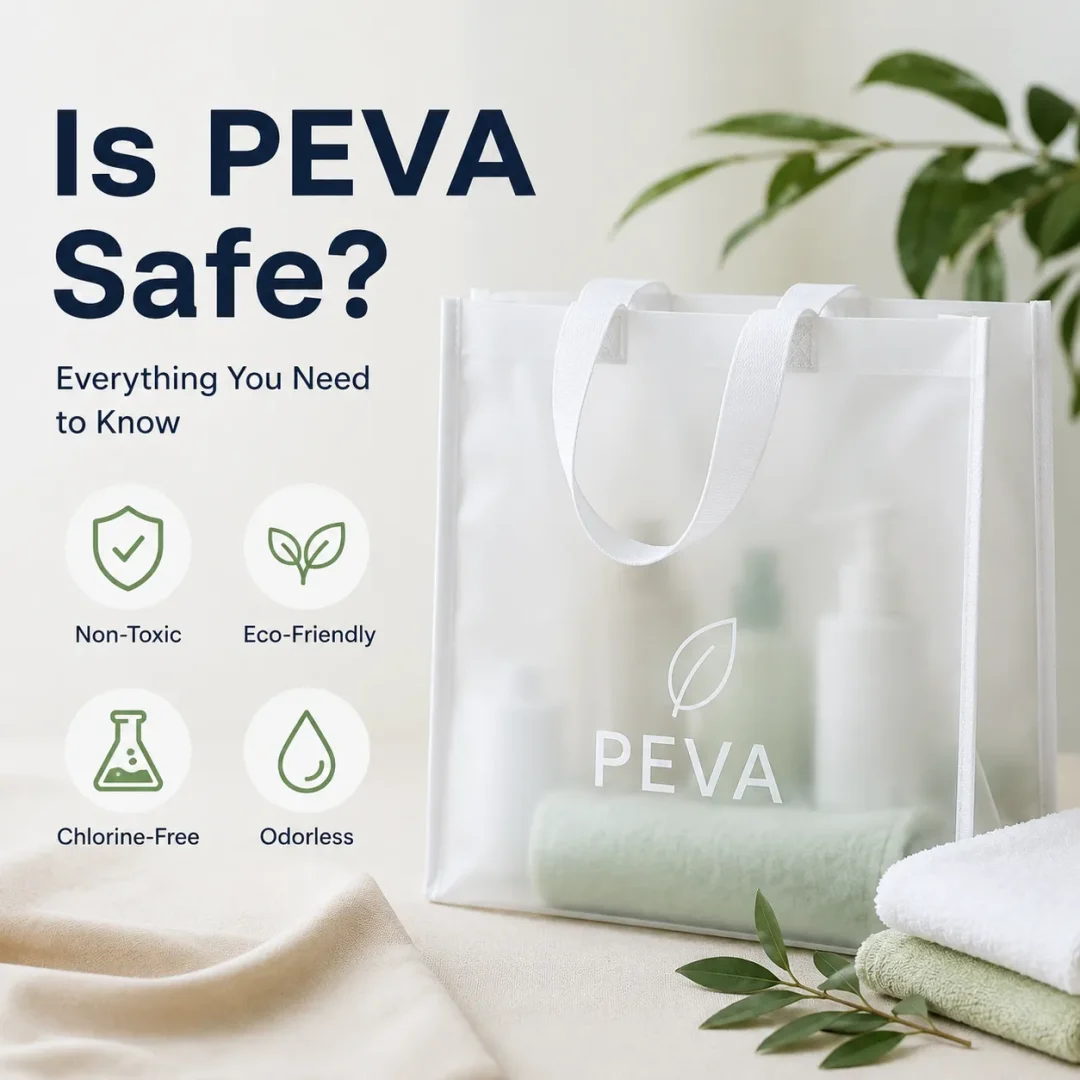
PEVAは、塩素および柔軟なPVCに関連する一部の添加剤を回避するため、しばしばエコフレンドリーとして販売されています。より正確な説明は、PEVAが PVCの低害の代替品である可能性があることです, 完全に持続可能な材料ではありません。.
| 持続可能性因子 | PEVA Reality |
|---|---|
| 原材料の供給源 | 通常は石油由来 |
| Chlorine content | PVCに含まれる塩素を含まない |
| 使用段階の臭い | 一般的に低い |
| 耐久性 | 適切に指定されている場合、再利用可能な製品に適しています |
| Biodegradability | 通常の条件下では容易には生分解しません |
| Recyclability | 一部の配合では技術的に可能ですが、収集のインフラが限られています |
| 寿命の終わり | 頻繁に埋立地または焼却によって廃棄されます |
| 全体的な位置 | 一部の用途には改善ですが、プラスチック廃棄物への完全な解決策ではありません。 |
より長い使用可能な寿命は交換頻度を減少させるかもしれませんが、再利用性は適切な厚さ、縫合強度、閉鎖、製品設計によって支持されるべきです。.
ブランドは次のような主張を避けるべきです:
- 100%エコフレンドリー
- 完全に生分解性のある
- どこでも完全にリサイクル可能な
- Chemical-free
- 完全に無毒の
より防御可能な説明には次のものが含まれます:
- 塩素フリー
- 確認された場合、PVCフリー
- 低臭
- 再利用可能
- PVCに対する低害の代替品
- バイヤーの指定した制限物質要件に対してテスト済み
再生可能またはリサイクルされた材料が主な優先事項である場合、リサイクルポリエステル、有機コットン、またはヘンプなどの材料がより適している場合があります。ただし、コーティングやラミネーションが追加されない限り、同じ透明性と湿気抵抗の組み合わせを提供しません。.
PEVA素材の応用
PEVA is used across household, retail, packaging, travel, and storage products.
ガーメントバッグと衣服保護
PEVA garment bags can provide:
- Clear or frosted visibility
- Protection against dust and incidental moisture
- Lightweight construction
- Low bulk for shipping and storage
- Printable surfaces for branding and care information
For retail, dry-cleaning, uniforms, bridalwear, and wardrobe storage, the required film thickness should reflect the garment weight and expected number of uses.
Thin PEVA is suitable for light covers, while larger suit bags, wedding-gown bags, or reusable travel covers may need thicker film, reinforced handles, stronger zippers, or fabric panels.
シャワーカーテンとバスルーム製品
PEVA is commonly used for shower-curtain liners because it is flexible, water-resistant, easy to wipe clean, and normally lower in odor than many traditional vinyl curtains.
The humid environment makes formulation, seam quality, cleaning instructions, and mildew-control practices important.
化粧品と旅行用バッグ
Clear or frosted PEVA can be used for:
- Cosmetic zipper pouches
- Toiletry organizers
- Travel wash bags
- Gift sets
- Retail beauty packaging
- Small wet-item pouches
A clear material can help users identify contents, but airline or security compliance depends on the bag dimensions, capacity, and applicable travel rules—not on PEVA alone.
プロモーションおよび小売パッケージング
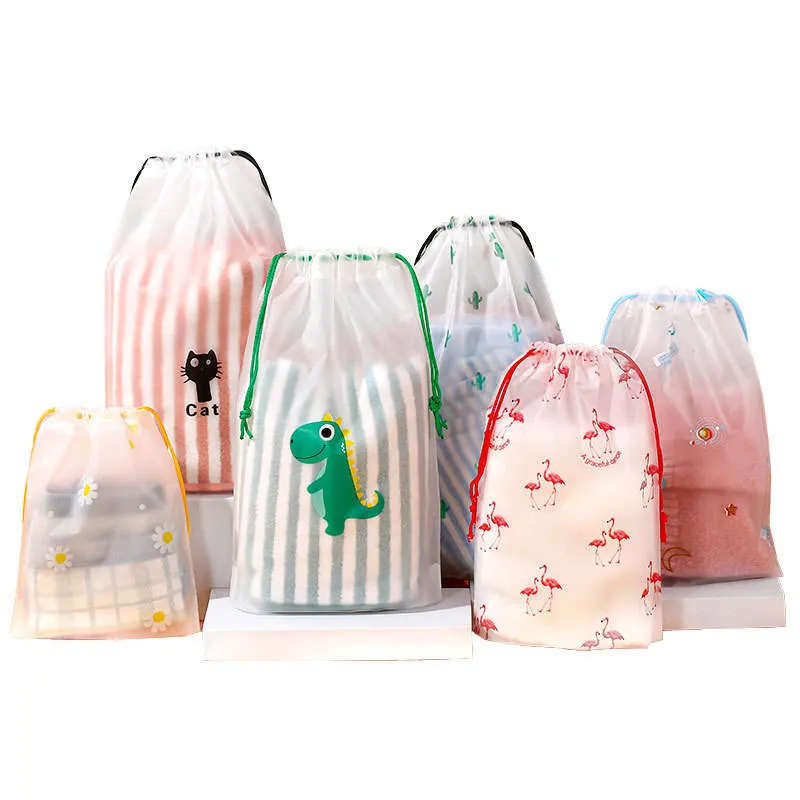
PEVA can be customized for:
- Gift-with-purchase pouches
- Product presentation bags
- Trade-show giveaways
- Branded storage organizers
- Reusable promotional packaging
- Clear retail packs
For printed packaging, ink adhesion should be tested on the selected surface treatment before mass production.
保護カバーとオーガナイザー

Other applications include:
- Table covers
- Furniture covers
- Mattress protectors
- Household storage bags
- Bedding organizers
- Dust covers
- Moisture-resistant packaging
For heavy or sharp contents, PEVA may need reinforcement, lamination, or an alternative material with better puncture resistance.
カスタム製造におけるPEVA:バイヤーが知っておくべきこと
For custom PEVA products, quality depends on more than the material name.
カスタマイズ・オプション
Common options include:
- Thickness: approximately 0.06 mm to 0.30 mm for many bag applications
- フィニッシュ: clear, frosted, matte, glossy, textured, or embossed
- 色: transparent, translucent, opaque, or Pantone-matched where technically feasible
- 印刷: screen printing, heat transfer, and other compatible methods
- Construction: sewn, bound, heat-sealed, laminated, or combined-material structures
- 閉鎖: zippers, snaps, drawstrings, hook-and-loop tape, or sealed edges
- Reinforcement: webbing handles, fabric binding, reinforced corners, or additional panels
Thicker film generally costs more, but it does not automatically guarantee a stronger finished bag. Large dimensions, heavy contents, sharp objects, weak seams, and poorly attached handles can still cause failure.
最小注文数量
For custom production, a common starting point is approximately 1,000 units per design, although the actual MOQ depends on:
- Film color
- Thickness
- Printing method
- Product dimensions
- Closure type
- Whether custom tooling is required
- Whether stock film can be used
- Packaging requirements
Lower quantities may be possible with stock material and simple printing, but the unit price normally increases because setup, printing, cutting, and machine-adjustment costs are distributed across fewer pieces.
品質管理チェックリスト
When evaluating a PEVA sample or production order, check:
- Material thickness
Measure several points rather than relying on one reading. - Thickness consistency
Confirm that the agreed tolerance is written into the specification. - Odor
A strong or unusual chemical odor may indicate formulation, storage, or processing issues. - Seam strength
Sewn and sealed seams should be tested according to the expected load and use. - Water resistance
Test the finished product, not only the raw film. Pay attention to zippers, stitching holes, corners, and bindings. - Puncture and tear resistance
Thin PEVA can be damaged by sharp contents or concentrated loads. - Print adhesion
Printed areas should be checked for scratching, peeling, blocking, and color transfer. - Clarity and surface consistency
Look for haze variation, wrinkles, black spots, uneven embossing, and roll marks. - Color consistency
Compare production against an approved sample or agreed tolerance. - Aging behavior
If the product will be stored for long periods or used outdoors, consider heat, UV, folding, and yellowing tests.
ターゲット市場とコンプライアンス
Testing requirements should be defined according to the product category, target market, buyer requirements, and intended use.
Depending on the project, buyers may request:
- REACH restricted-substance screening for EU markets
- Applicable U.S. requirements for children’s products
- California Proposition 65 assessment
- Food-contact testing for the intended use
- Phthalate screening
- Heavy-metal testing
- Colorfastness and print-adhesion testing
- Retailer-specific restricted substance lists
- Material safety documentation
Compliance should not be assumed from a general statement such as “PEVA is safe.” The supplier should test the specified material and finished product against the standards required for that order.
PEVA素材の限界
PEVA is useful, but it is not suitable for every project.
Its main limitations include:
- It is not readily biodegradable under normal disposal conditions.
- Recycling access is limited in many markets.
- Thin films can be punctured by sharp objects.
- It is less suitable than canvas, nylon, or heavy coated textiles for demanding loads.
- Heat resistance is limited and formulation-dependent.
- Long-term UV exposure may cause discoloration or brittleness without suitable stabilization.
- Sewn PEVA products may allow water to enter through needle holes.
- Clear and glossy surfaces may show scratches, wrinkles, or handling marks.
- Raw-material costs may be affected by petrochemical price changes.
These limitations should be considered during material selection rather than after a sample has already been produced.
PEVAを選ぶべき時—そして選ばないべき時
PEVAは次の場合に良い選択です:
- Moisture and dust protection are important
- You need a clear or frosted product
- Low odor is important for indoor use
- The product must remain lightweight and foldable
- You need a chlorine-free alternative to PVC
- The expected load is light or moderate
- The design requires printing or product visibility
- Cost must remain below many premium TPU or coated-textile constructions
次の場合には他の材料を考慮してください:
- Heavy-duty load capacity is required
- The product will contain sharp tools or components
- High-temperature exposure is expected
- Outdoor UV exposure will be prolonged
- Natural, biodegradable, or recycled content is the primary brand requirement
- Direct food contact is required without a verified compliant formulation
- A premium textile appearance is more important than transparency
- The bag must remain waterproof at heavily stitched seams
Possible alternatives include TPU, coated polyester, nylon, canvas, RPET, non-woven fabric, or laminated textiles, depending on the performance requirements.
よくある質問
PEVA素材は何から作られていますか?
PEVA is generally a copolymer of ethylene and vinyl acetate. Commercial film may also contain pigments, stabilizers, processing aids, and other additives selected for the intended application.
PEVAはプラスチックですか、それとも布ですか?
Chemically, PEVA is a plastic. When manufactured as a thin, flexible film, it can feel and behave like fabric, which is why it is sometimes sold as “PEVA fabric.”
Is PEVA safe for everyday use?
Properly formulated PEVA is commonly used for garment bags, shower curtains, storage covers, cosmetic pouches, and packaging. Sensitive applications still require verification of the exact formulation and applicable test requirements.
PEVAは無毒ですか?
It is more accurate to describe PEVA as chlorine-free and generally low-odor rather than universally “non-toxic.” Finished formulations can contain additives, so safety claims should be supported by appropriate testing.
Is PEVA waterproof?
The PEVA film itself provides excellent resistance to water penetration. However, the finished bag may not be fully waterproof if it has sewn seams, needle holes, non-waterproof zippers, bindings, or unsealed openings.
Is PEVA better than PVC?
PEVA is often preferred when buyers want a chlorine-free, lower-odor material that does not normally require phthalate plasticizers for flexibility. PVC may still offer advantages in cost, clarity, or certain performance requirements. The better material depends on the application and compliance needs.
Can PEVA be recycled?
Some PEVA formulations are technically recyclable, but they are not widely accepted by municipal recycling systems. Local collection and processing availability should be verified before making recyclability claims.
PEVAは生分解性ですか?
PEVA does not readily biodegrade under normal environmental or composting conditions.
PEVAは食品安全ですか?
Not automatically. Food-contact suitability depends on the resin, additives, finished construction, type of food, contact time, temperature, and applicable regulations. Buyers should specify food-contact requirements before material selection.
PEVA製品の寿命はどれくらいですか?
There is no universal service-life figure. Durability depends on film thickness, formulation, seam construction, folding frequency, load, heat, UV exposure, cleaning method, and storage conditions.
結論
PEVA is a practical material for products that require flexibility, low odor, transparency, and moisture resistance. It is widely used for garment bags, cosmetic pouches, shower curtains, protective covers, storage organizers, and promotional packaging.
Its main advantage over PVC is not that it is perfectly sustainable or completely risk-free. Rather, it provides a chlorine-free, generally low-odor option that can reduce some of the material concerns associated with flexible PVC.
For buyers, the material name is only the starting point. A successful PEVA product also depends on:
- The selected film grade and thickness
- Additive and testing requirements
- Printing compatibility
- Seam and zipper construction
- Expected load and service environment
- Target-market compliance
- Finished-product quality control
Before confirming bulk production, buyers should approve the actual film, construction sample, printed result, and required test standards. This provides a more reliable basis for sourcing than general claims such as “eco-friendly,” “non-toxic,” or “fully waterproof.”
技術的参照
- PubChem: Poly(ethylene-co-vinyl acetate)
- U.S. FDA Food Contact Substances Inventory
- U.S. FDA: Packaging Materials Listed in 21 CFR 179.45
Material formulations and regulatory requirements vary by product and market. Technical data and compliance documentation should be verified for each specific order.

 Japanese
 English
 French
 German
 Arabic
 Thai
 Vietnamese
 Russian
 Spanish
 Portuguese