
Satin bags are the ultimate symbol of elegance and luxury. Whether it is a vintage evening clutch, a chic designer handbag, a delicate satin drawstring bag, or a luxury satin pouch used to store jewelry, satin adds an instant touch of sophistication to any outfit or collection.
However, satin’s signature glossy finish and smooth texture come with a catch: it is incredibly delicate. A single water spot, a splash of coffee, or oil from your hands can quickly dull its luster. If you are wondering how to clean a satin bag without ruining its beautiful sheen, you are in the right place.
This comprehensive guide will walk you through everything you need to know about satin fabric care, step-by-step cleaning methods, and expert maintenance tips to keep your bags looking brand new for years to come.
Can You Wash a Satin Bag?
The short answer is yes, you can wash a satin bag—but you must proceed with extreme caution.
Unlike canvas or nylon, satin is not actually a raw fiber; it is a type of fabric weave. This specific weaving technique creates a smooth, lustrous surface on one side and a dull finish on the other. Because the floating threads on the surface are exposed to achieve that beautiful shine, they are highly susceptible to snagging, fraying, and water-staining.
Whether your bag can survive a wash depends entirely on two factors:
The raw material used to create the satin weave (e.g., silk, polyester, nylon, or acetate).
The structural integrity of the bag (e.g., internal cardboard stiffeners, metal frames, or delicate embellishments).
Before you introduce your favorite bag to water and soap, you must take a moment to evaluate what it is made of.
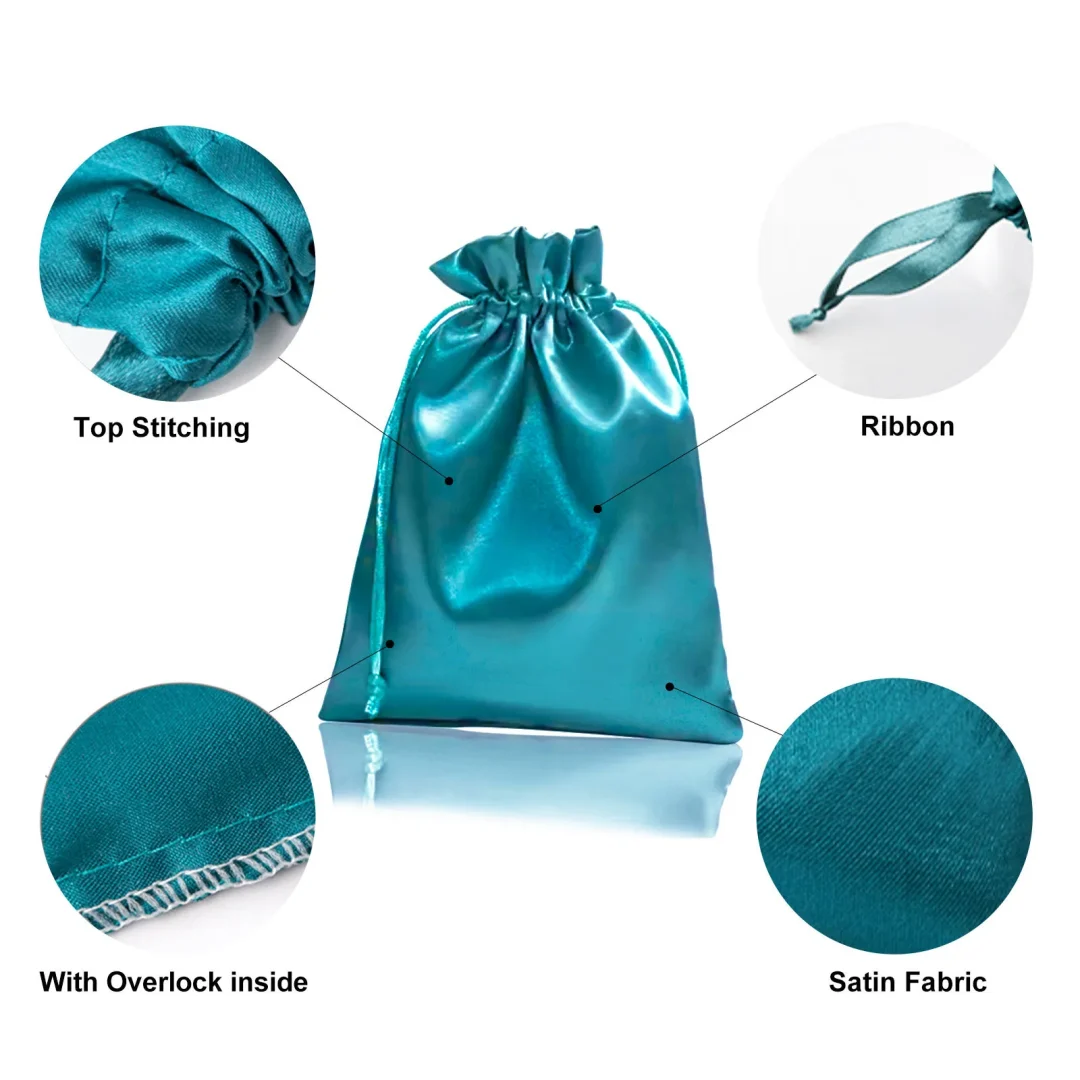
Check the Material Before Cleaning
Before attempting any satin bag maintenance, look inside the bag for a care label. If a care label is present, always follow the manufacturer’s instructions first. If there is no label, you need to determine the type of satin fabric you are dealing with.
1. Silk Satin vs. Synthetic Satin
Silk Satin (Duchesse Satin): This is the most luxurious, expensive, and fragile type of satin. Silk fibers are highly sensitive to water, heat, and harsh detergents. If your bag is made of genuine silk satin, professional dry cleaning is highly recommended, as water can leave permanent rings and warp the fabric.
Synthetic Satin (Polyester, Nylon, or Rayon): Most modern satin bags, satin drawstring bags, and packaging pouches are made from polyester or nylon satin. Synthetic satin is much more durable, more resistant to water staining, and can usually be safely hand-washed at home.
2. Inspect the Structure and Embellishments
Take a close look at how the bag is constructed.
Does it have an internal cardboard base or structured lining to maintain its shape? If so, never submerge the bag in water, as the cardboard will dissolve and permanently ruin the bag’s structure.
Are there sequins, beads, rhinestones, or metal hardware attached? Water and soap can dissolve the glue holding embellishments in place or cause metal frames to rust.
The Golden Rule of Satin Fabric Care: When in doubt, always default to spot cleaning rather than full submersion.
How to Spot Clean a Satin Bag
For minor spills, dirt smudges, or localized marks, spot cleaning is the safest and most effective method. It prevents you from oversaturating the fabric and minimizes the risk of structural damage.
Tools Needed:
A soft, lint-free microfiber cloth
Mild liquid soap (baby shampoo or gentle wool/silk detergent)
Cool or lukewarm water
A dry, clean white towel
Step-by-Step Spot Cleaning Process:
Brush Away Loose Dust: Use a dry, clean microfiber cloth to gently wipe away any loose dust or surface dirt from the bag. Never scrub, as this can push dirt deeper into the weave.
Prepare a Gentle Cleaning Solution: Mix a few drops of mild liquid soap into a bowl of cool water. Do not use standard laundry detergents, stain removers, or bleach, as they contain harsh chemicals that can strip the satin of its shine.
Dampen the Cloth: Dip your microfiber cloth into the soapy water and wring it out completely. The cloth should be slightly damp, never dripping wet.
Test an Inconspicuous Area: Before touching the visible stain, dab the damp cloth on an inside seam or the bottom of the bag to ensure the dye doesn’t bleed and the water doesn’t leave a ring.
Blot the Stain Gently: Press the damp cloth onto the stain using gentle, dabbing motions. Do not rub or scrub. Rubbing will cause the satin fibers to fray and create a permanently dull, fuzzy patch.
Rinse and Blot: Take a clean section of the cloth, dampen it with plain cool water (no soap), and gently dab the area again to remove any soap residue.
Air Dry: Use a dry white towel to blot up excess moisture, then let the bag air dry completely in a well-ventilated room away from direct sunlight.
How to Hand Wash a Satin Bag
If your clean satin bag is overall dirty, sweaty, or has a stale odor, and it does not contain internal cardboard or delicate structural frames (like a soft satin drawstring bag или satin pouch care routine), hand washing is your best option.
Step-by-Step Hand Washing Process:
Step 1: Fill a Basin
Fill a clean sink or basin with cool or lukewarm water. Add one teaspoon of a gentle, pH-neutral detergent designed for delicate fabrics or silk. Stir the water with your hand to ensure the soap is fully dissolved.
Step 2: Submerge and Agitate Gently
Turn the satin bag inside out if possible to protect the exterior finish. Submerge the bag in the soapy water. Gently swish it around for 2 to 3 minutes. Let it soak for no more than 5 to 10 minutes. Prolonged soaking can weaken the fibers.
Step 3: Rinse Thoroughly
Drain the soapy water and fill the basin with clean, cold water. Submerge the bag to rinse out the soap. Repeat this process until the water remains completely clear and free of soap suds.
Step 4: Extract Water Safely (The Towel Roll Method)
Crucial Warning: Never wring, twist, or squeeze a satin bag to get the water out. Twisting will break the delicate threads and leave permanent creases.
Instead, lay a clean, dry, plush white towel flat on a table. Place the wet satin bag on top of the towel. Roll the towel up loosely with the bag inside. Press down gently on the rolled towel to allow it to absorb the excess water. Unroll the towel and remove the bag.
Can You Machine Wash a Satin Bag?
Generally speaking, you should avoid putting a satin bag in the washing machine. The agitation, spinning, and friction against other garments can easily cause snagging, pilling, and loss of shape.
However, if your bag is made of 100% heavy-duty polyester satin, has no structural stiffeners, and the care label explicitly states it is machine washable, you may use the machine by taking the following strict precautions:
Use a Mesh Laundry Bag: Always place the satin bag inside a protective zippered mesh laundry bag to shield it from friction.
Select the Gentlest Cycle: Set your washing machine to the “Delicate,” “Hand Wash,” or “Silk” cycle.
Use Cold Water Only: High temperatures will shrink or warp synthetic satin fibers.
Skip the Spin Cycle: If possible, set the spin speed to the lowest setting or turn it off entirely to prevent severe creasing.
Use Mild Detergent: Avoid any detergents with enzymes, brighteners, or bleach. Never use fabric softener, as it leaves a film that ruins the glossy satin finish.
How to Remove Common Stains from Satin
Different stains require different approaches. When learning how to remove stains from a satin bag, acting quickly is paramount. The longer a stain sits, the harder it becomes to lift without damaging the fabric structure.
| Stain Type | Recommended Removal Method |
| Oil, Grease, or Makeup | Dust the stain immediately with a generous amount of cornstarch or baking powder. Let it sit for 4–6 hours to absorb the oil. Gently brush it off with a soft-bristled brush or dry microfiber cloth. If a residue remains, follow up with the spot-cleaning method using a drop of grease-cutting dish soap. |
| Water Spots | Ironically, water can stain satin. To remove a water ring, dampen a clean cloth with distilled water. Gently blend the edges of the water spot outward toward the rest of the bag, so it dries uniformly without leaving a distinct border line. |
| Ink Stains | Ink is notoriously difficult to remove from satin. Dab a cotton swab lightly in rubbing alcohol or hairspray, test it on a hidden spot first, and very carefully blot the ink. Note: If the bag is genuine silk, skip this and take it to a professional. |
| Blood or Food Stains | Always use cold water. Hot water sets protein stains permanently. Mix a small amount of mild soap with cold water, blot from the outside of the stain inward to prevent spreading, and rinse thoroughly by dabbing with clean cold water. |
How to Dry and Store a Satin Bag Properly
The cleaning process doesn’t end once the stain is gone; how you dry and store your bag is just as critical to satin bag maintenance.
Drying Guidelines:
Always Air Dry: Never, under any circumstances, put a satin bag in a clothes dryer. The intense heat and tumbling will ruin the fabric instantly.
Hang or Lay Flat: Hang the bag by its straps using a padded hanger, or lay it flat on a clean dry towel.
Avoid Heat and Sun: Keep the bag away from direct sunlight, radiators, or hair dryers. Direct UV rays can fade the color, while direct heat can melt or distort synthetic satin fibers.
Storage Guidelines:
Stuff the Bag: To help a structured or slouchy satin bag maintain its original shape, stuff it lightly with acid-free tissue paper or a clean, soft white cotton cloth. Do not use newspaper, as the ink can transfer onto the lining.
Use a Dust Bag: Store your satin bag inside a breathable cotton dust bag. Avoid storing it in plastic bags or airtight containers, which can trap moisture and cause mold or mildew growth.
Keep it Cool and Dry: Store your bags in a cool, dark, and dry closet. Avoid hanging them by their straps for extended periods, as this can stretch out the handles over time.
Common Mistakes to Avoid
When learning how to clean satin fabric, knowing what not to do is just as valuable as knowing what to do. Avoid these frequent pitfalls:
Using Hot Water: Heat breaks down synthetic fibers and shrinks natural silk. Always stick to cold or lukewarm water.
Rubbing and Scrubbing Vigorously: This breaks the long floating threads of the satin weave, causing permanent pilling, fraying, and fuzzy patches that destroy the fabric’s shine.
Using Bleach or Heavy Chemical Stain Removers: These can bleach out colors and permanently eat away at delicate materials.
Wringing out the Fabric: Twisting satin ruins its shape and embeds deep, stubborn wrinkles that are incredibly difficult to remove safely.
Ironing on High Heat Directly: If your bag gets wrinkled, never press a hot iron directly onto the satin surface. It can scorch or melt the fabric. Always use a steamer from a safe distance or iron on the lowest heat setting on the reverse side of the fabric with a pressing cloth between the iron and the satin.
Часто задаваемые вопросы
Q1: Can I use a hair dryer to speed up the drying process for my satin bag?
No. Using a hair dryer, especially on a warm or hot setting, can shrink or warp the fabric, causing uneven drying rings or puckered seams. Always allow your satin bag to air dry naturally in a well-ventilated room.
Q2: How do I remove wrinkles from my satin drawstring bag?
The safest way to remove wrinkles from a satin drawstring bag или satin pouch is to use a garment steamer on a low setting, holding the nozzle a few inches away from the fabric. Alternatively, you can hang the bag in the bathroom while taking a hot shower to let the ambient steam relax the wrinkles naturally.
Q3: My silk satin bag has a deep stain. Should I clean it myself?
If the bag is made of high-end silk satin or holds significant sentimental or monetary value, it is always best to take it to a professional dry cleaner who specializes in delicate luxury items. Inform them of what caused the stain so they can treat it with the correct solvent.
Final Tips for Keeping Your Satin Bag Looking New
Prevention is always better than a cure. To maximize the lifespan and enduring beauty of your satin bags, keep these quick everyday tips in mind:
Apply Protection: Consider applying a specialized fabric protector spray (designed specifically for delicate fabrics like silk or satin) to create an invisible barrier against stains and water. Always test a small hidden area first.
Mind Your Hands: Avoid handling your satin bag immediately after applying heavy hand lotions, oils, or hand sanitizers, as these easily transfer and leave dark smudges.
Be Mindful of Accessories: Watch out for sharp jewelry, rings, or embellished clothing (like sequined dresses) that can catch on your bag and cause snags in the delicate satin weave.
The Value of High-Quality Satin
While proper care keeps your bags immaculate, the durability of satin also comes down to how it was made. High-quality custom satin bags—whether used for luxury product packaging, evening wear, or jewelry organization—are crafted with denser weaves and superior stitching designed specifically to withstand regular use and careful cleaning. Investing in premium satin items ensures that with just a little bit of routine maintenance, your favorite pieces will remain smooth, lustrous, and elegant for years to come.

 Russian
 English
 French
 German
 Japanese
 Arabic
 Thai
 Vietnamese
 Spanish
 Portuguese