
Bolsas de cetim são o símbolo máximo de elegância e luxo. Seja um clutch de noite vintage, uma bolsa de designer chique, uma delicada bolsa de cetim com cordão, ou uma bolsinha de cetim usada para guardar joias, o cetim adiciona instantaneamente um toque de sofisticação a qualquer roupa ou coleção.
No entanto, o acabamento brilhante característico do cetim e sua textura suave têm um porém: ele é extremamente delicado. Uma única gota de água, um respingo de café ou óleo das suas mãos podem rapidamente ofuscar seu brilho. Se você está se perguntando como limpar uma bolsa de cetim sem arruinar seu belo brilho, você está no lugar certo.
Este guia abrangente irá orientá-lo através de tudo que você precisa saber sobre cuidado com o tecido de cetim, métodos de limpeza passo a passo e dicas de manutenção de especialistas para manter suas bolsas com aparência de novas por muitos anos.
Você pode lavar uma bolsa de cetim?
A resposta curta é sim, você pode lavar uma bolsa de cetim—mas deve proceder com extrema cautela.
Diferente de lona ou náilon, o cetim não é um fibra bruta; é um tipo de tecido tecido. Essa técnica de tecelagem específica cria uma superfície lisa e lustrosa de um lado e um acabamento opaco do outro. Como os fios flutuantes na superfície estão expostos para alcançar aquele brilho bonito, eles são altamente suscetíveis a enroscar, desfiar e manchar com água.
Se sua bolsa pode sobreviver a uma lavagem depende inteiramente de dois fatores:
O material bruto usado para criar a tecelagem de cetim (por exemplo, seda, poliéster, náilon ou acetato).
A integridade estrutural da bolsa (por exemplo, reforços internos de papelão, estruturas de metal ou enfeites delicados).
Antes de apresentar sua bolsa favorita à água e ao sabão, você deve reservar um momento para avaliar do que ela é feita.
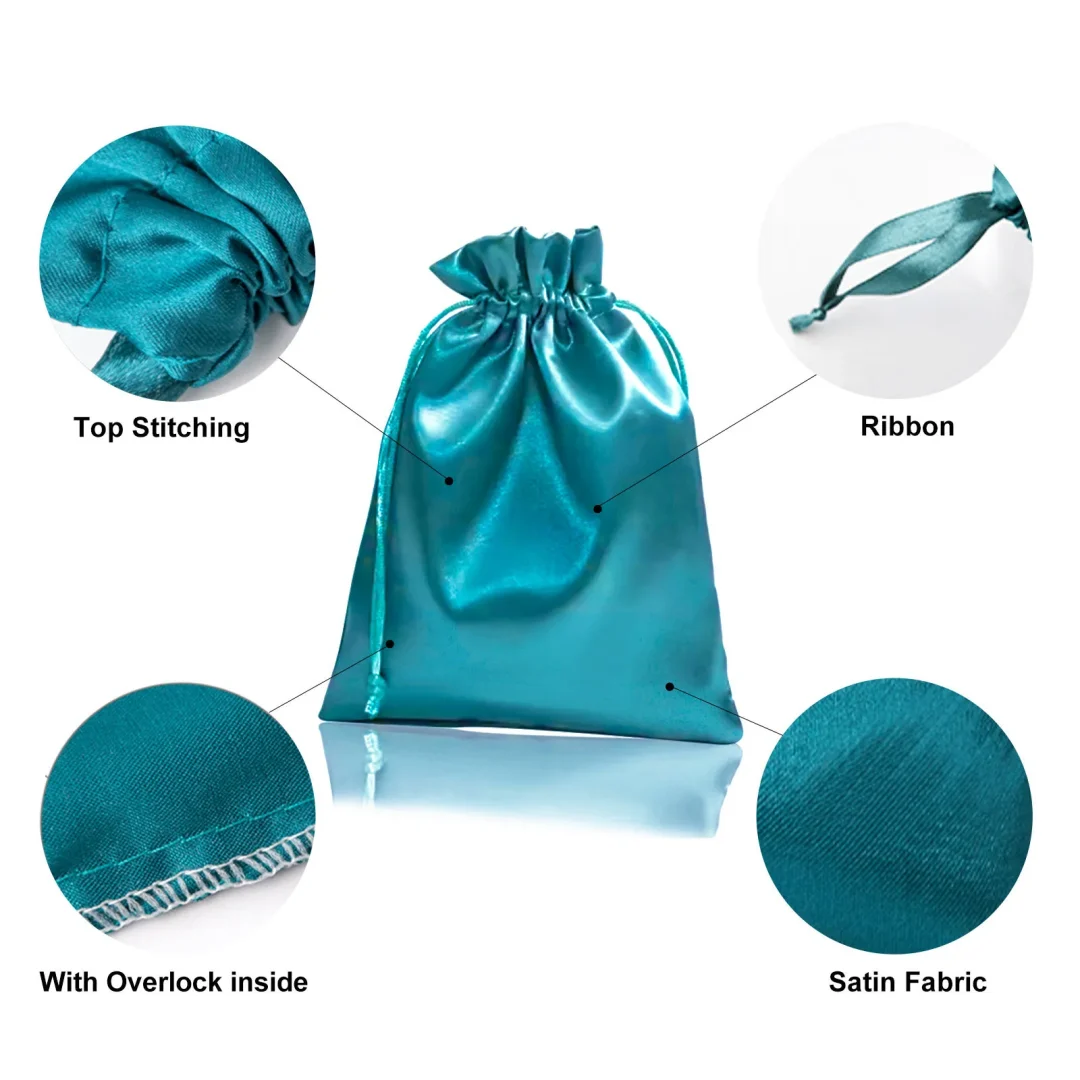
Verifique o material antes de limpar
Antes de tentar qualquer manutenção de bolsa de cetim, olhe dentro da bolsa em busca de uma etiqueta de cuidados. Se uma etiqueta de cuidados estiver presente, siga sempre primeiro as instruções do fabricante. Se não houver etiqueta, você precisa determinar o tipo de tecido de cetim com o qual está lidando.
1. Cetim de seda vs. cetim sintético
Cetim de Seda (Cetim Duchesse): Este é o tipo de cetim mais luxuoso, caro e frágil. As fibras de seda são altamente sensíveis à água, ao calor e a detergentes agressivos. Se sua bolsa for feita de cetim de seda genuíno, a limpeza a seco profissional é altamente recomendada, pois a água pode deixar manchas permanentes e deformar o tecido.
Cetim Sintético (Poliéster, Nylon ou Rayon): A maioria das bolsas de cetim modernas, satin drawstring bags, and packaging pouches are made from polyester or nylon satin. Synthetic satin is much more durable, more resistant to water staining, and can usually be safely hand-washed at home.
2. Inspecione a estrutura e os enfeites
Take a close look at how the bag is constructed.
Does it have an internal cardboard base or structured lining to maintain its shape? If so, never submerge the bag in water, as the cardboard will dissolve and permanently ruin the bag’s structure.
Are there sequins, beads, rhinestones, or metal hardware attached? Water and soap can dissolve the glue holding embellishments in place or cause metal frames to rust.
The Golden Rule of Satin Fabric Care: When in doubt, always default to spot cleaning rather than full submersion.
Como limpar uma bolsa de cetim
For minor spills, dirt smudges, or localized marks, spot cleaning is the safest and most effective method. It prevents you from oversaturating the fabric and minimizes the risk of structural damage.
Ferramentas necessárias:
A soft, lint-free microfiber cloth
Mild liquid soap (baby shampoo or gentle wool/silk detergent)
Cool or lukewarm water
A dry, clean white towel
Processo de limpeza localizada passo a passo:
Brush Away Loose Dust: Use a dry, clean microfiber cloth to gently wipe away any loose dust or surface dirt from the bag. Never scrub, as this can push dirt deeper into the weave.
Prepare a Gentle Cleaning Solution: Mix a few drops of mild liquid soap into a bowl of cool water. Do not use standard laundry detergents, stain removers, or bleach, as they contain harsh chemicals that can strip the satin of its shine.
Dampen the Cloth: Dip your microfiber cloth into the soapy water and wring it out completely. The cloth should be slightly damp, never dripping wet.
Test an Inconspicuous Area: Before touching the visible stain, dab the damp cloth on an inside seam or the bottom of the bag to ensure the dye doesn’t bleed and the water doesn’t leave a ring.
Blot the Stain Gently: Press the damp cloth onto the stain using gentle, dabbing motions. Do not rub or scrub. Rubbing will cause the satin fibers to fray and create a permanently dull, fuzzy patch.
Rinse and Blot: Take a clean section of the cloth, dampen it with plain cool water (no soap), and gently dab the area again to remove any soap residue.
Air Dry: Use a dry white towel to blot up excess moisture, then let the bag air dry completely in a well-ventilated room away from direct sunlight.
Como lavar à mão uma bolsa de cetim
If your clean satin bag is overall dirty, sweaty, or has a stale odor, and it does not contain internal cardboard or delicate structural frames (like a soft bolsa de cetim com cordão ou satin pouch care routine), hand washing is your best option.
Processo de lavagem à mão passo a passo:
Passo 1: Encha uma bacia
Fill a clean sink or basin with cool or lukewarm water. Add one teaspoon of a gentle, pH-neutral detergent designed for delicate fabrics or silk. Stir the water with your hand to ensure the soap is fully dissolved.
Passo 2: Mergulhe e agite suavemente
Turn the satin bag inside out if possible to protect the exterior finish. Submerge the bag in the soapy water. Gently swish it around for 2 to 3 minutes. Let it soak for no more than 5 to 10 minutes. Prolonged soaking can weaken the fibers.
Passo 3: Enxágue completamente
Drain the soapy water and fill the basin with clean, cold water. Submerge the bag to rinse out the soap. Repeat this process until the water remains completely clear and free of soap suds.
Passo 4: Extraia a água com segurança (Método da toalha enrolada)
Crucial Warning: Never wring, twist, or squeeze a satin bag to get the water out. Twisting will break the delicate threads and leave permanent creases.
Instead, lay a clean, dry, plush white towel flat on a table. Place the wet satin bag on top of the towel. Roll the towel up loosely with the bag inside. Press down gently on the rolled towel to allow it to absorb the excess water. Unroll the towel and remove the bag.
Posso lavar uma bolsa de cetim na máquina?
Generally speaking, you should avoid putting a satin bag in the washing machine. The agitation, spinning, and friction against other garments can easily cause snagging, pilling, and loss of shape.
However, if your bag is made of 100% heavy-duty polyester satin, has no structural stiffeners, and the care label explicitly states it is machine washable, you may use the machine by taking the following strict precautions:
Use a Mesh Laundry Bag: Always place the satin bag inside a protective zippered mesh laundry bag to shield it from friction.
Select the Gentlest Cycle: Set your washing machine to the “Delicate,” “Hand Wash,” or “Silk” cycle.
Use Cold Water Only: High temperatures will shrink or warp synthetic satin fibers.
Skip the Spin Cycle: If possible, set the spin speed to the lowest setting or turn it off entirely to prevent severe creasing.
Use Mild Detergent: Avoid any detergents with enzymes, brighteners, or bleach. Never use fabric softener, as it leaves a film that ruins the glossy satin finish.
Como remover manchas comuns do cetim
Different stains require different approaches. When learning how to remove stains from a satin bag, acting quickly is paramount. The longer a stain sits, the harder it becomes to lift without damaging the fabric structure.
| Stain Type | Recommended Removal Method |
| Oil, Grease, or Makeup | Dust the stain immediately with a generous amount of cornstarch or baking powder. Let it sit for 4–6 hours to absorb the oil. Gently brush it off with a soft-bristled brush or dry microfiber cloth. If a residue remains, follow up with the spot-cleaning method using a drop of grease-cutting dish soap. |
| Water Spots | Ironically, water can stain satin. To remove a water ring, dampen a clean cloth with distilled water. Gently blend the edges of the water spot outward toward the rest of the bag, so it dries uniformly without leaving a distinct border line. |
| Ink Stains | Ink is notoriously difficult to remove from satin. Dab a cotton swab lightly in rubbing alcohol or hairspray, test it on a hidden spot first, and very carefully blot the ink. Note: If the bag is genuine silk, skip this and take it to a professional. |
| Blood or Food Stains | Always use cold water. Hot water sets protein stains permanently. Mix a small amount of mild soap with cold water, blot from the outside of the stain inward to prevent spreading, and rinse thoroughly by dabbing with clean cold water. |
Como secar e armazenar uma bolsa de cetim adequadamente
The cleaning process doesn’t end once the stain is gone; how you dry and store your bag is just as critical to manutenção de bolsa de cetim.
Diretrizes de secagem:
Always Air Dry: Never, under any circumstances, put a satin bag in a clothes dryer. The intense heat and tumbling will ruin the fabric instantly.
Hang or Lay Flat: Hang the bag by its straps using a padded hanger, or lay it flat on a clean dry towel.
Avoid Heat and Sun: Keep the bag away from direct sunlight, radiators, or hair dryers. Direct UV rays can fade the color, while direct heat can melt or distort synthetic satin fibers.
Diretrizes de armazenamento:
Stuff the Bag: To help a structured or slouchy satin bag maintain its original shape, stuff it lightly with acid-free tissue paper or a clean, soft white cotton cloth. Do not use newspaper, as the ink can transfer onto the lining.
Use a Dust Bag: Store your satin bag inside a breathable cotton dust bag. Avoid storing it in plastic bags or airtight containers, which can trap moisture and cause mold or mildew growth.
Keep it Cool and Dry: Store your bags in a cool, dark, and dry closet. Avoid hanging them by their straps for extended periods, as this can stretch out the handles over time.
Common Mistakes to Avoid
When learning how to clean satin fabric, knowing what not to do is just as valuable as knowing what to do. Avoid these frequent pitfalls:
Using Hot Water: Heat breaks down synthetic fibers and shrinks natural silk. Always stick to cold or lukewarm water.
Rubbing and Scrubbing Vigorously: This breaks the long floating threads of the satin weave, causing permanent pilling, fraying, and fuzzy patches that destroy the fabric’s shine.
Using Bleach or Heavy Chemical Stain Removers: These can bleach out colors and permanently eat away at delicate materials.
Wringing out the Fabric: Twisting satin ruins its shape and embeds deep, stubborn wrinkles that are incredibly difficult to remove safely.
Ironing on High Heat Directly: If your bag gets wrinkled, never press a hot iron directly onto the satin surface. It can scorch or melt the fabric. Always use a steamer from a safe distance or iron on the lowest heat setting on the reverse side of the fabric with a pressing cloth between the iron and the satin.
Perguntas Frequentes
P1: Posso usar um secador de cabelo para acelerar o processo de secagem da minha bolsa de cetim?
No. Using a hair dryer, especially on a warm or hot setting, can shrink or warp the fabric, causing uneven drying rings or puckered seams. Always allow your satin bag to air dry naturally in a well-ventilated room.
P2: Como remover rugas da minha bolsa de cetim com cordão?
The safest way to remove wrinkles from a bolsa de cetim com cordão ou bolsinha de cetim is to use a garment steamer on a low setting, holding the nozzle a few inches away from the fabric. Alternatively, you can hang the bag in the bathroom while taking a hot shower to let the ambient steam relax the wrinkles naturally.
P3: Minha bolsa de cetim de seda tem uma mancha profunda. Devo limpá-la eu mesmo?
If the bag is made of high-end silk satin or holds significant sentimental or monetary value, it is always best to take it to a professional dry cleaner who specializes in delicate luxury items. Inform them of what caused the stain so they can treat it with the correct solvent.
Dicas finais para manter sua bolsa de cetim com aparência nova
Prevention is always better than a cure. To maximize the lifespan and enduring beauty of your satin bags, keep these quick everyday tips in mind:
Apply Protection: Consider applying a specialized fabric protector spray (designed specifically for delicate fabrics like silk or satin) to create an invisible barrier against stains and water. Always test a small hidden area first.
Mind Your Hands: Avoid handling your satin bag immediately after applying heavy hand lotions, oils, or hand sanitizers, as these easily transfer and leave dark smudges.
Be Mindful of Accessories: Watch out for sharp jewelry, rings, or embellished clothing (like sequined dresses) that can catch on your bag and cause snags in the delicate satin weave.
O valor do cetim de alta qualidade
While proper care keeps your bags immaculate, the durability of satin also comes down to how it was made. High-quality custom satin bags—whether used for luxury product packaging, evening wear, or jewelry organization—are crafted with denser weaves and superior stitching designed specifically to withstand regular use and careful cleaning. Investing in premium satin items ensures that with just a little bit of routine maintenance, your favorite pieces will remain smooth, lustrous, and elegant for years to come.


 Portuguese
 English
 French
 German
 Japanese
 Arabic
 Thai
 Vietnamese
 Russian
 Spanish