
Choosing the right bag material is one of the most consequential decisions in custom bag procurement. It affects production cost, long-term durability, logo presentation, and — perhaps most importantly — how your customers perceive your brand the moment they pick up the bag.
Cotton and polyester are the two most widely used fabrics in the custom bag industry. Both are proven, versatile, and available in a wide range of weights and constructions. Yet they serve different purposes, project different brand identities, and perform very differently across real-world use cases.
The question isn’t which material is universally better. The real question is: which material is better for your specific project, budget, and brand positioning?
This guide breaks down the key differences across durability, water resistance, printing performance, sustainability, cost, and brand perception — so you can make a confident, informed sourcing decision.
What Is Algodón Fabric?
Cotton is a natural fiber harvested from the cotton plant. It has been used in textile manufacturing for thousands of years and remains one of the most trusted materials in the bag industry today.
Key characteristics of cotton fabric:
- Natural, plant-based fiber
- Soft texture with a warm, tactile feel
- Breathable and lightweight
- Takes dye and print well — especially screen printing and embroidery
- Biodegradable and compostable under the right conditions
Common applications for cotton bags:
- Bolsas Tote de Lona
- Retail Shopping Bags
- Promotional Bags for boutique or lifestyle brands
- Farmers Market and eco-focused giveaways

What Is Polyester Fabric?
Polyester is a synthetic fiber derived from petroleum-based polymers. First developed in the 1940s, it has evolved into one of the most widely used materials in the global apparel and bag manufacturing industries.
Key characteristics of polyester fabric:
- Synthetic, petroleum-derived fiber
- Lightweight with excellent shape retention
- Durable and abrasion-resistant
- Naturally water-resistant due to low moisture absorption
- Cost-effective for large-volume production
- Supports vibrant full-color sublimation and heat transfer printing
Common applications for polyester bags:
- Foldable Reusable Shopping Bags
- Backpacks and Drawstring Bags
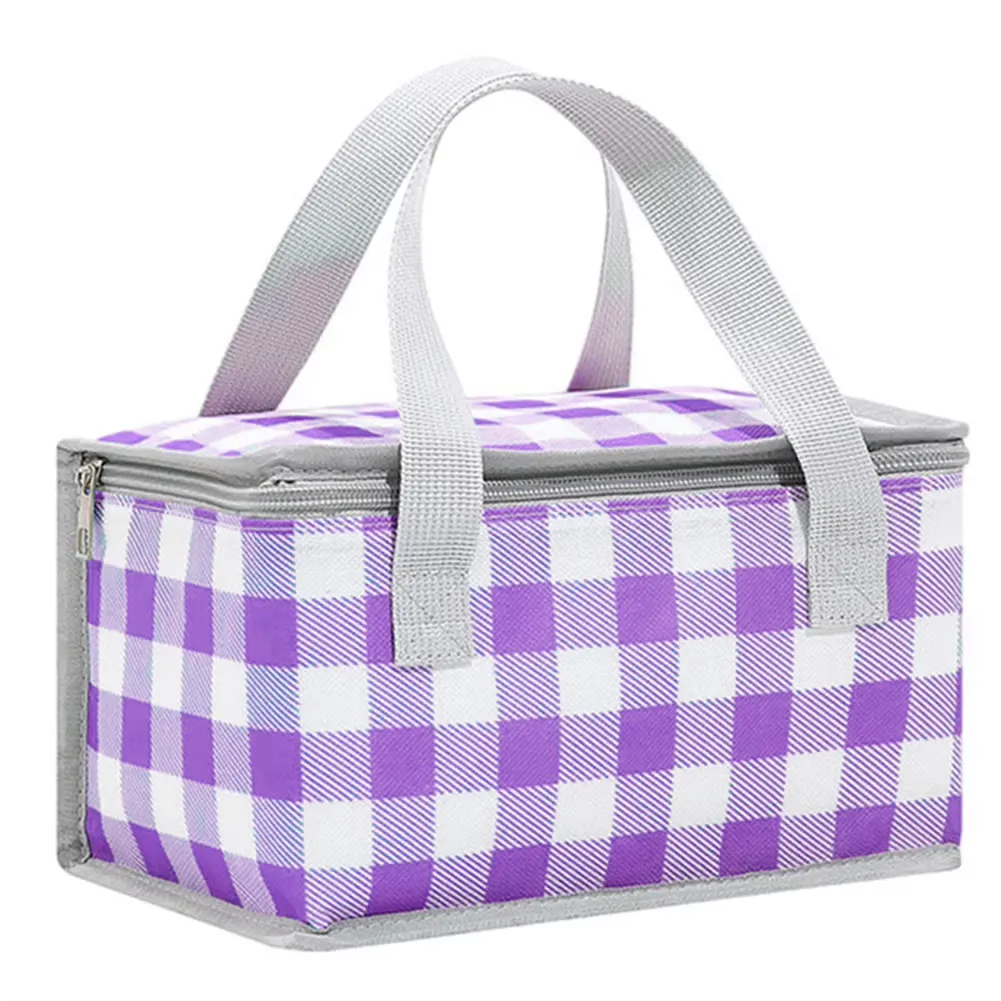
- Cooler Bags and Insulated Bags
- Travel Bags and Sports Bags
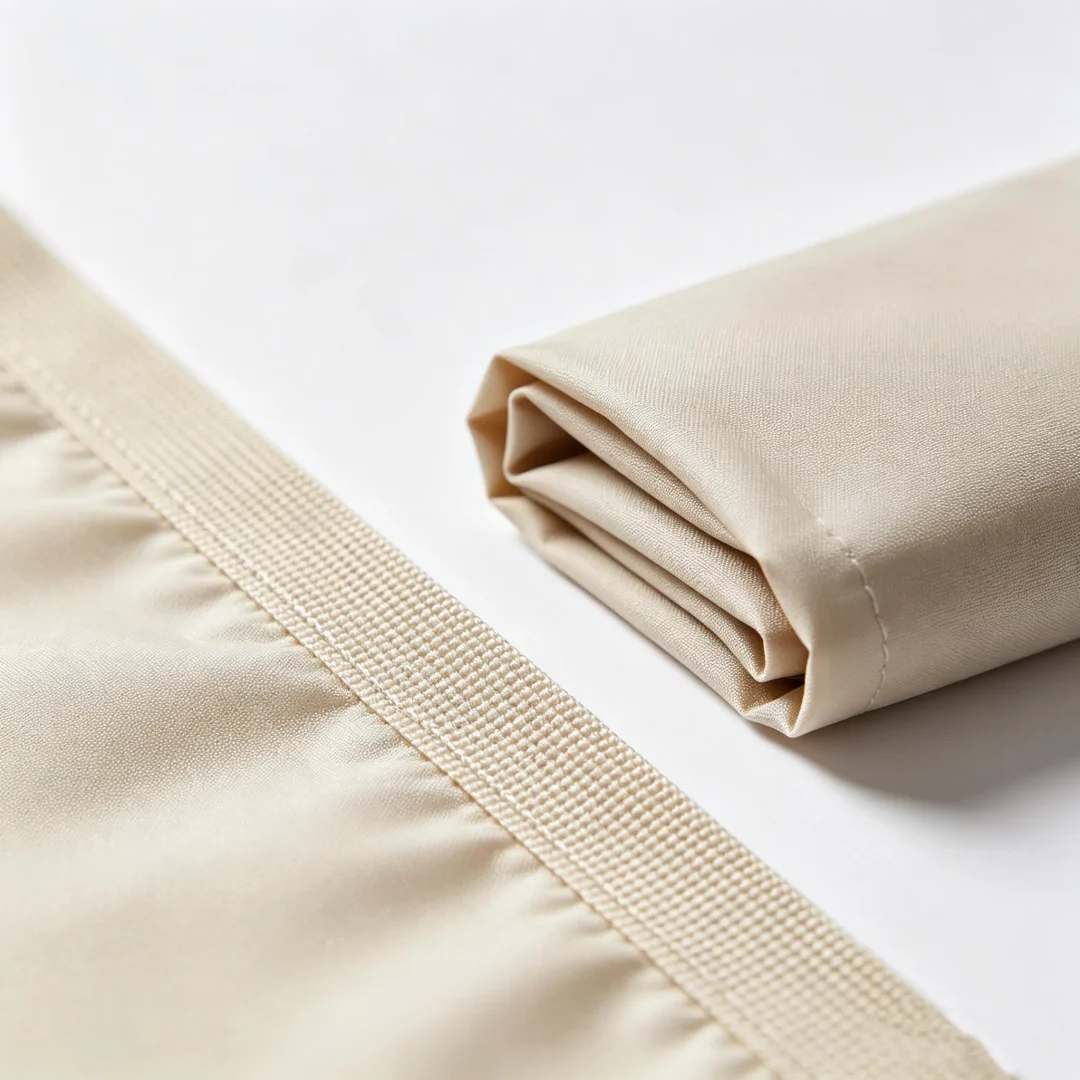
Polyester vs Cotton Bags: Key Differences at a Glance
Before diving into the detail, here is a side-by-side summary of how these two materials compare across the factors that matter most in bag sourcing:
| Factor | Algodón | Poliéster |
| Apariencia | Natural, textured, organic | Smooth, modern, uniform |
| Durabilidad | Bueno | Excelente |
| Resistencia al agua | Low — absorbs moisture | Higher — repels moisture |
| Peso | Heavier | Lighter |
| Métodos de impresión | Screen print, embroidery | Sublimation, heat transfer, screen print |
| Cost (Bulk) | Higher | Lower |
| Resistencia a las Arrugas | Lower — wrinkles easily | Higher — shape retention |
| Eco Credentials | Biodegradable, natural | Recyclable (rPET available) |
| Outdoor Performance | Fair | Excelente |
| Brand Perception | Premium, artisan, eco | Functional, sporty, practical |
This table provides a high-level entry point. Each factor is explored in depth in the sections below.
Durability: Which Material Lasts Longer?
Durability is a primary consideration for brands sourcing bags intended for repeated, long-term use — whether that’s a grocery tote, a corporate giveaway, or a promotional item expected to remain in circulation for months.
Algodón
Cotton is a strong natural fiber, and heavier-weight cotton canvas (such as 12 oz or 16 oz canvas) can withstand considerable daily wear. However, cotton fibers are subject to fatigue over time. With repeated heavy loading, the fabric at stress points — handles, base corners, stitching junctions — can gradually weaken or deform. Cotton also wrinkles easily after washing, and printed designs may fade slightly with repeated machine washing.
Poliéster
Polyester is highly resistant to abrasion, stretching, and tearing. It holds its shape under sustained load and recovers well after compression, making it the preferred choice for bags that need to perform reliably over a long lifespan. Polyester is also more resistant to mildew and moisture damage, which extends functional longevity in humid or outdoor environments.
Best durability applications:
- Grocery Bags and Produce Bags — repeated heavy loads
- Delivery and Logistics Bags — high-frequency use
- Sports Bags and Gym Bags — physical stress and moisture exposure
- Travel Bags — extended use across varied conditions
Verdict: Polyester wins on durability. For bags expected to handle heavy, repeated use over an extended period, polyester is the more reliable long-term choice.
Water Resistance: Is Polyester Better Than Cotton?
Water resistance is one of the most frequently searched questions when comparing these two materials — and for good reason. Bags are used in real-world conditions that include rain, spills, and high humidity.
Algodón
Cotton is a naturally absorbent fiber. When exposed to moisture, it soaks it in rather than repelling it. A wet cotton bag takes significantly longer to dry than polyester, and repeated exposure to moisture without adequate drying can lead to mildew or fabric degradation over time.
Poliéster
Polyester fibers have very low moisture absorption. Water tends to bead on the surface rather than being drawn into the fabric. This makes polyester bags significantly more practical in outdoor settings, rainy climates, or wherever bags may be exposed to spills or condensation.
Important note: Polyester is water-resistant, not waterproof. In heavy rain or prolonged exposure, water will eventually penetrate the fabric unless an additional waterproof coating or lamination is applied.
Verdict: Polyester performs significantly better in wet conditions. For outdoor events, travel applications, or climates with frequent rain, polyester is the practical choice.
Printing Performance: Which Fabric Works Better for Custom Logos?
For branded bags, the quality and longevity of logo presentation is critical. The two materials respond very differently to different printing methods — and the right choice here depends on what your design actually requires.
Cotton — Best for:
- Screen Printing: Ink bonds well with cotton fibers, producing crisp, clean prints with a slightly matte, natural finish.
- Embroidery: Cotton’s tight weave provides excellent backing for embroidered logos — the premium choice for retail and boutique branding.
- Vintage and Artisan Aesthetics: Cotton’s natural texture gives printed designs a warm, handcrafted quality that synthetic materials cannot replicate.
Polyester — Best for:
- Sublimation Printing: Dye-sublimation bonds directly to polyester fibers at the molecular level, producing photographic-quality, full-color prints with exceptional vibrancy and wash durability.
- Heat Transfer Printing: Excellent for detailed multi-color designs on polyester surfaces.
- Full Coverage and Complex Graphics: If your design includes gradients, photographic elements, or intricate color patterns, polyester with sublimation printing delivers results that cotton cannot match.
Key sourcing insight: If your brand identity relies on a single-color logo with a clean, understated look, cotton delivers superior results. If your design includes complex gradients, photographic artwork, or requires maximum color saturation, polyester is typically the better substrate.
Brand Image: What Message Does Each Material Send?
Material choice is brand communication. Before a customer reads your logo, they feel the bag in their hands. The weight, texture, and construction of the material you choose signals your brand values instantly.
Cotton bags tend to communicate:
- Natural and organic values
- Artisan quality and craftsmanship
- Eco-consciousness and sustainability
- Premium retail positioning
- Warmth, authenticity, and lifestyle identity
Polyester bags tend to communicate:
- Functional performance and reliability
- Sporty, active, and on-the-go identity
- Practicality and utility-focused thinking
- Travel-readiness and outdoor capability
- Modern, streamlined efficiency
Cotton works well for:
- Coffee Shops and Cafes
- Independent Bookstores and Publishers
- Organic Food and Wellness Brands
- Boutique Retail and Fashion Labels
- Non-profits and Environmental Campaigns
Polyester works well for:
- Outdoor and Adventure Brands
- Sports Teams and Fitness Brands
- Tech Companies and Corporate Events
- Large-Scale Trade Show Giveaways
- Travel and Hospitality Brands
The material is not just a functional decision. It is part of your brand’s visual and tactile identity. Choosing a material that contradicts your brand positioning can undermine the impact of even a well-designed logo.
Cost Comparison: Which Material Is More Budget-Friendly?
Budget is one of the primary drivers in bag sourcing decisions, particularly for large-volume promotional orders. Understanding the cost structure of each material helps you allocate spend effectively.
Several factors influence the final price of a custom bag:
- Fabric weight and thread count
- Printing method and number of colors
- Order quantity — unit costs drop significantly at scale
- Finishing options — reinforced handles, gussets, zippers, lining
- Cotton grade — standard cotton vs. organic or GOTS-certified cotton
As a general principle, polyester is more affordable per unit at comparable order quantities. The raw material cost is lower, and polyester’s consistent manufactured quality reduces fabric waste in production. This makes polyester the practical choice for large-scale promotional campaigns where cost-per-impression is the priority metric.
Cotton — particularly organic or recycled cotton — carries a higher unit cost. However, the premium is often justifiable for brands where the bag itself is part of the product experience: a premium retail tote that customers keep and reuse adds long-term brand exposure that a cheaper disposable bag cannot provide.
Sourcing principle: Match material cost to intended bag lifespan. A high-volume event giveaway with a single-use lifecycle justifies polyester. A retail bag designed for years of repeated use justifies the cotton premium.
Environmental Considerations
Sustainability is an increasingly important factor for brands sourcing custom bags — both because of genuine environmental concern and because eco credentials are a meaningful brand differentiator with today’s consumers.
Cotton — Environmental Profile
- Pros: Natural fiber, biodegradable under composting conditions, organic cotton (GOTS-certified) eliminates synthetic pesticides and reduces chemical runoff
- Cons: Conventional cotton farming is water-intensive — approximately 10,000 liters of water per kilogram of fiber. It also relies heavily on pesticides in non-organic cultivation.
Polyester — Environmental Profile
- Pros: Long lifespan means fewer replacements over time; recyclable in appropriate facilities; rPET (recycled polyester) made from post-consumer plastic bottles is increasingly available and widely adopted
- Cons: Petroleum-derived and not biodegradable; microplastic shedding during washing is an emerging environmental concern
Industry reality: The environmental calculus for bags is more complex than material origin alone. A cotton tote that is used hundreds of times over several years has a far lower environmental footprint per use than a cotton bag discarded after a single outing. Lifespan and reuse rate are as important as material origin.
Many brands today are specifying recycled polyester (rPET) as a way to balance functional performance with credible sustainability messaging. rPET delivers comparable durability to virgin polyester while diverting plastic waste from landfill.
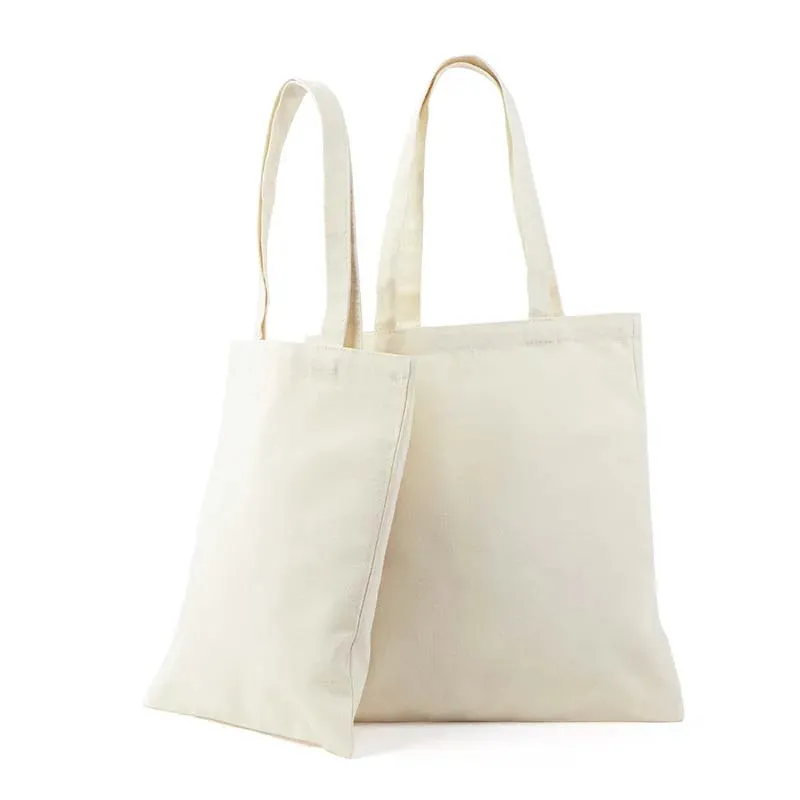
Best Applications for Cotton Bags
Cotton is the right material when your brand needs to project warmth, authenticity, and natural quality — or when the bag itself is intended to be a premium, reusable product that customers will keep.
Cotton is ideal for:
- Retail Tote Bags — premium packaging that doubles as a reusable brand asset
- Boutique and Fashion Brand Packaging — natural texture enhances perceived quality
- Farmers Market and Eco Brand Giveaways — aligns with organic and sustainability messaging
- Bookstores and Cultural Institutions — reflects craft, intellect, and authenticity
- Wellness and Organic Product Brands — reinforces natural, clean-living positioning
- Wedding and Event Favor Bags — soft texture and printability make for elegant keepsakes
Best Applications for Polyester Bags
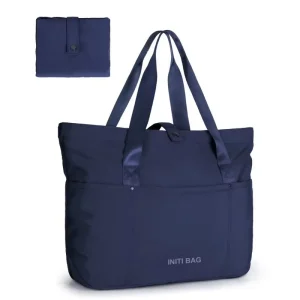
Polyester is the right material when functional performance, cost efficiency, or large-scale production volume is the primary requirement.
Polyester is ideal for:
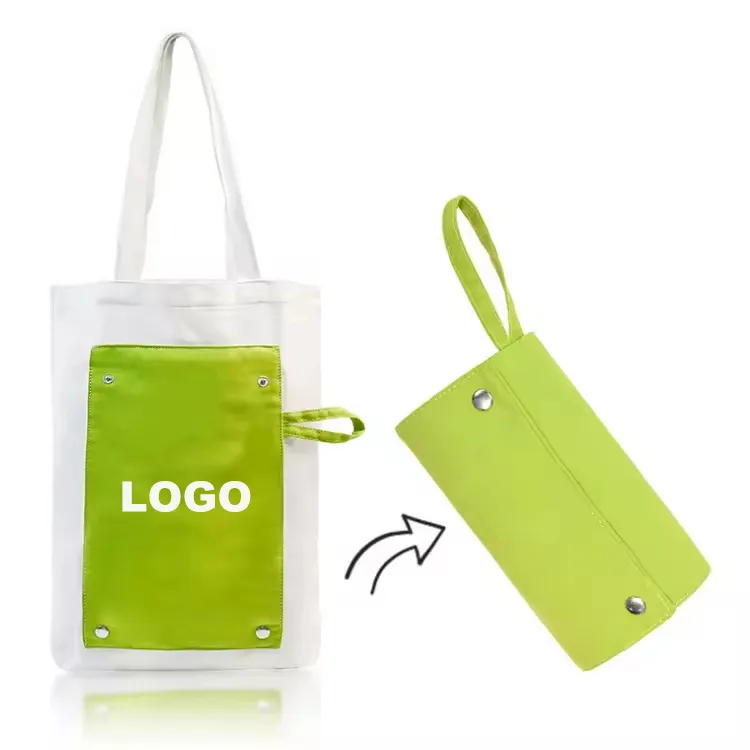
- Foldable Reusable Shopping Bags — lightweight and compact for everyday carry
- Cooler Bags and Insulated Bags — polyester’s synthetic structure pairs well with thermal linings
- Sports and Gym Bags — abrasion resistance and moisture management are essential
- Travel and Adventure Bags — durability and weather resistance for varied environments
- Large-Scale Promotional Giveaways — cost-effective at volume with high color print impact
- Corporate Event Bags — practical, lightweight, easy to distribute at scale
Polyester vs Cotton Bags: Which One Should You Choose?
Rather than declaring a single winner, the right framework is to match material to requirement. Use this decision table to identify the optimal choice for your specific project:
| If You Need… | Best Material |
| Premium natural look and feel | Algodón |
| Outdoor or all-weather performance | Poliéster |
| Lower cost per unit at bulk quantities | Poliéster |
| Retail branding with artisan appeal | Algodón |
| Full-color or photographic print quality | Poliéster |
| Lightweight, foldable, compact design | Poliéster |
| Eco-friendly or organic brand credentials | Cotton (organic/recycled) |
| Maximum long-term durability | Poliéster |
| Embroidery or premium logo presentation | Algodón |
| Large-scale event giveaway on a tight budget | Poliéster |
| Sustainability with performance balance | rPET Polyester |
For projects where both premium feel and functional performance matter, a poly-cotton blend may offer a useful middle ground — combining the natural texture of cotton with the durability and shape retention of polyester.
Preguntas Frecuentes
Are polyester bags stronger than cotton bags?
Generally, yes. Polyester is more resistant to abrasion, stretching, and tearing, making it the stronger choice for heavy-duty or long-term use. Heavy-weight cotton canvas is durable in its own right, but polyester maintains structural integrity better under sustained stress and repeated loading.
Are cotton bags more eco-friendly than polyester bags?
Cotton is biodegradable and plant-derived, which gives it a natural environmental advantage. However, conventional cotton farming requires significant water and pesticide use. Organic cotton is considerably more sustainable. Recycled polyester (rPET) is also a credible eco choice. The most environmentally responsible bag is one that is used repeatedly over a long lifespan — material alone does not determine environmental impact.
Can polyester bags be recycled?
Yes, polyester is technically recyclable. Recycled polyester (rPET) is already widely available as a bag material, manufactured from post-consumer PET plastic bottles. However, recycling infrastructure for textiles varies by region, and end-of-life recyclability depends on local facilities.
Which fabric is better for tote bags?
It depends on the intended use and brand positioning. Cotton canvas produces a premium, natural-feeling tote that is well suited for retail, lifestyle, and eco-focused brands. Polyester totes are more practical for functional everyday use, outdoor settings, or large-volume promotional distribution.
Does polyester last longer than cotton?
For most bag applications, yes. Polyester is more resistant to wear, moisture, and deformation over time. Cotton is durable, but heavier use and repeated washing tend to degrade cotton faster than polyester under equivalent conditions.
Can both fabrics be customized with logos?
Yes. Both cotton and polyester support effective logo customization, though the optimal printing method differs. Cotton performs best with screen printing and embroidery. Polyester supports sublimation printing, which delivers the most vibrant full-color results. The right method depends on your design complexity and color requirements.
Conclusion: Make the Right Choice for Your Sourcing Goals
Cotton and polyester each bring distinct, proven strengths to custom bag production. Cotton delivers a natural appearance, premium tactile quality, and strong retail appeal — making it the preferred choice for brands that want their packaging to communicate authenticity, craftsmanship, and sustainability. Polyester delivers superior durability, water resistance, lighter weight, and cost efficiency — making it the practical choice for high-volume promotions, functional use cases, and performance-driven applications.
The best choice is not determined by which material is objectively superior. It is determined by how your customers will use the bag, what your brand needs to communicate, and what your production budget allows.
If you are sourcing custom bags for the first time — or reviewing your current specifications — taking the time to match material to application before production begins will reduce cost, improve customer satisfaction, and ensure your bags deliver the brand impact you are looking for.
Need help selecting the right fabric for your next custom bag order? Contact our sourcing team to request samples, discuss specifications, and get a production quote tailored to your project.
 Spanish
 English
 French
 German
 Japanese
 Arabic
 Thai
 Vietnamese
 Russian
 Portuguese