
Materiales naturales
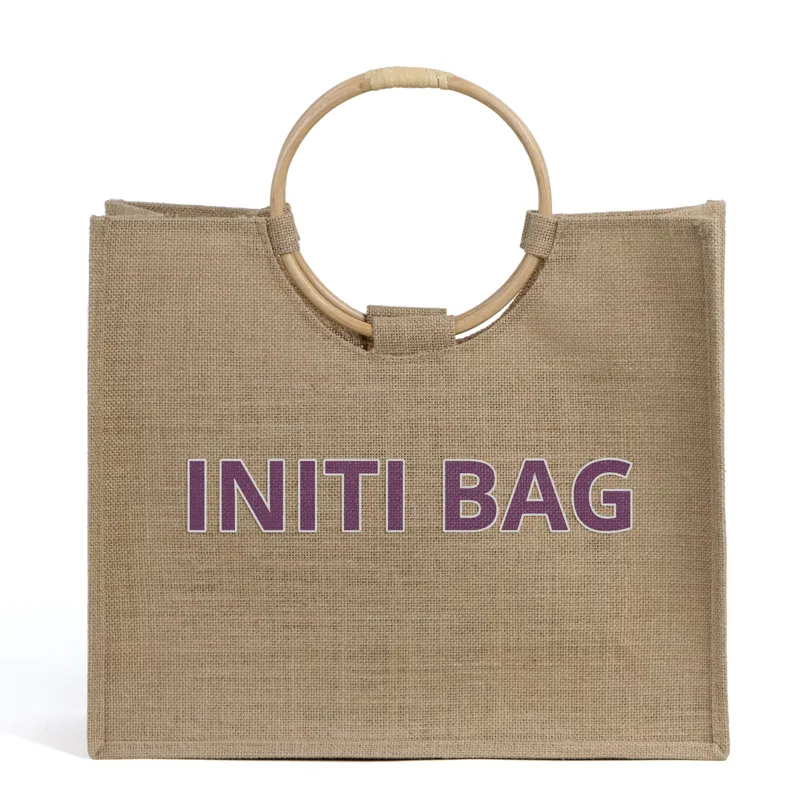
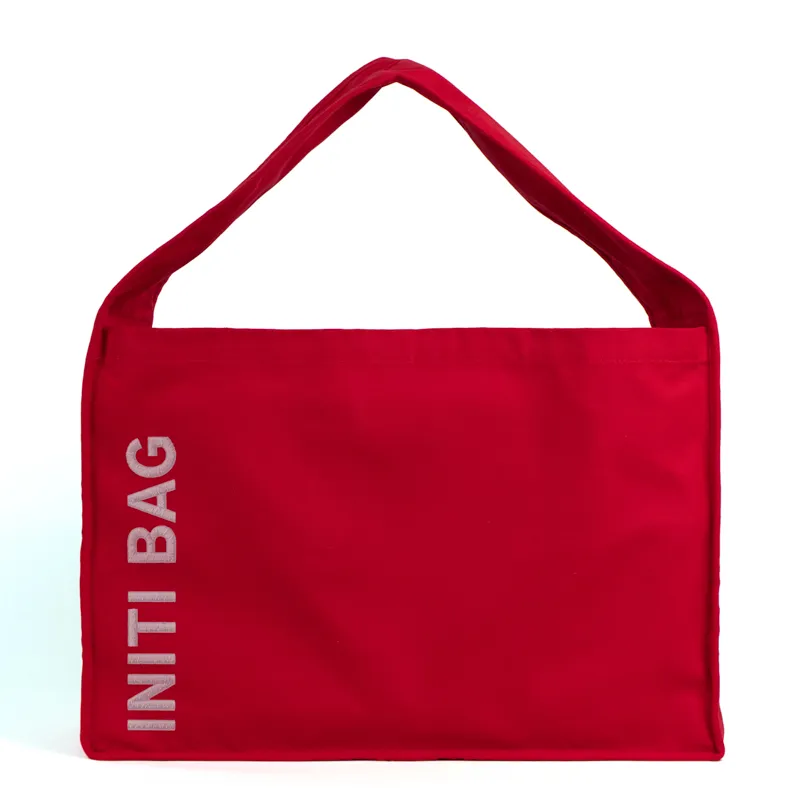
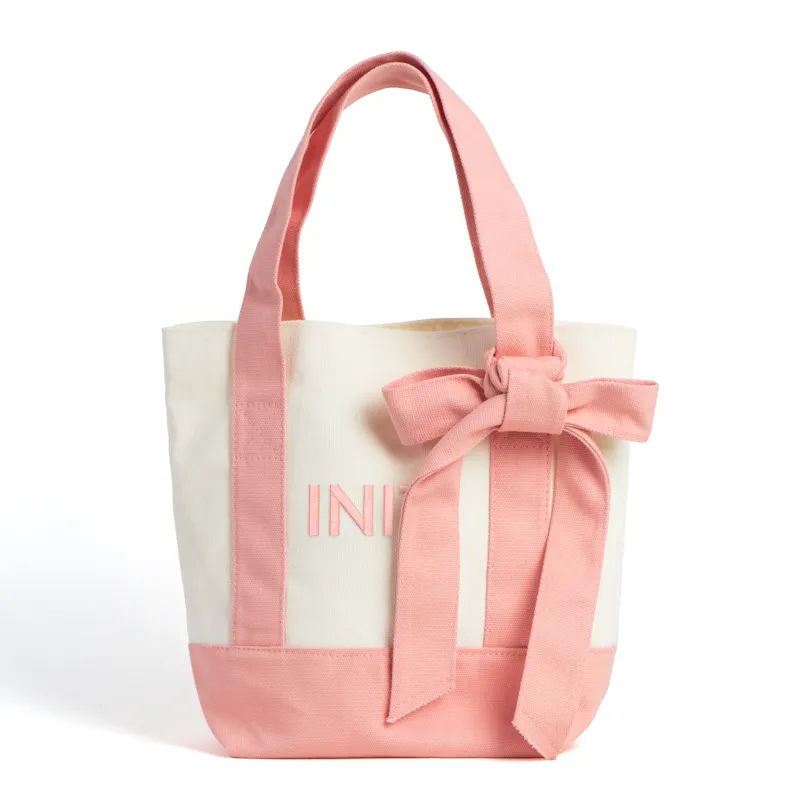
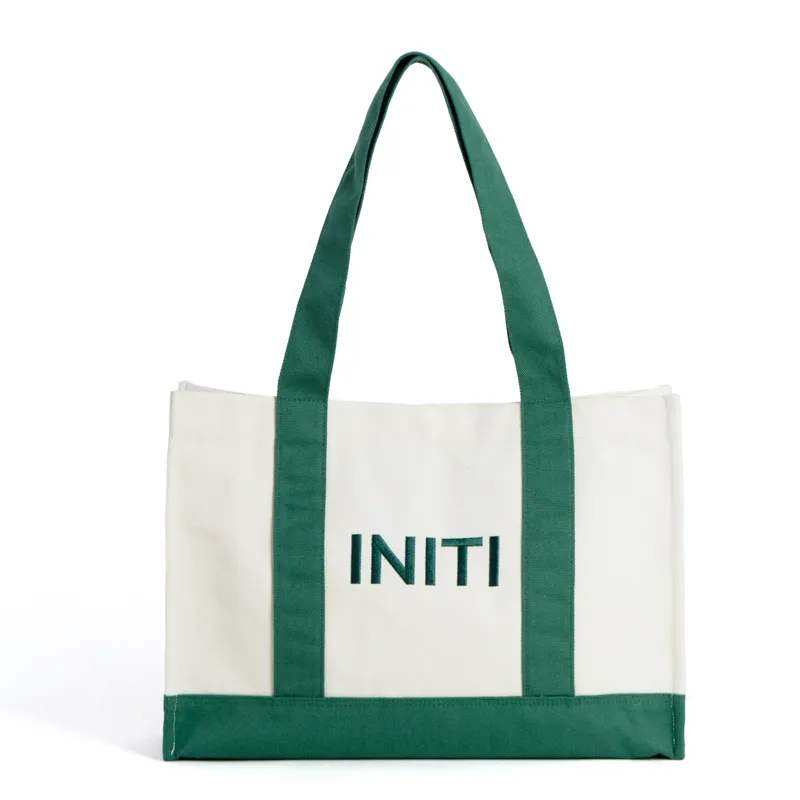
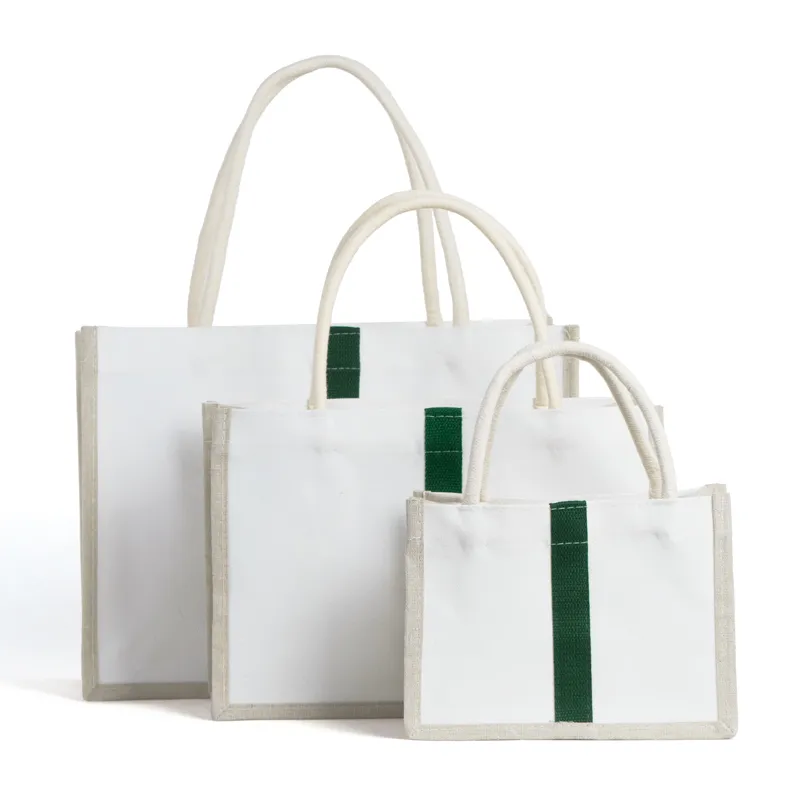
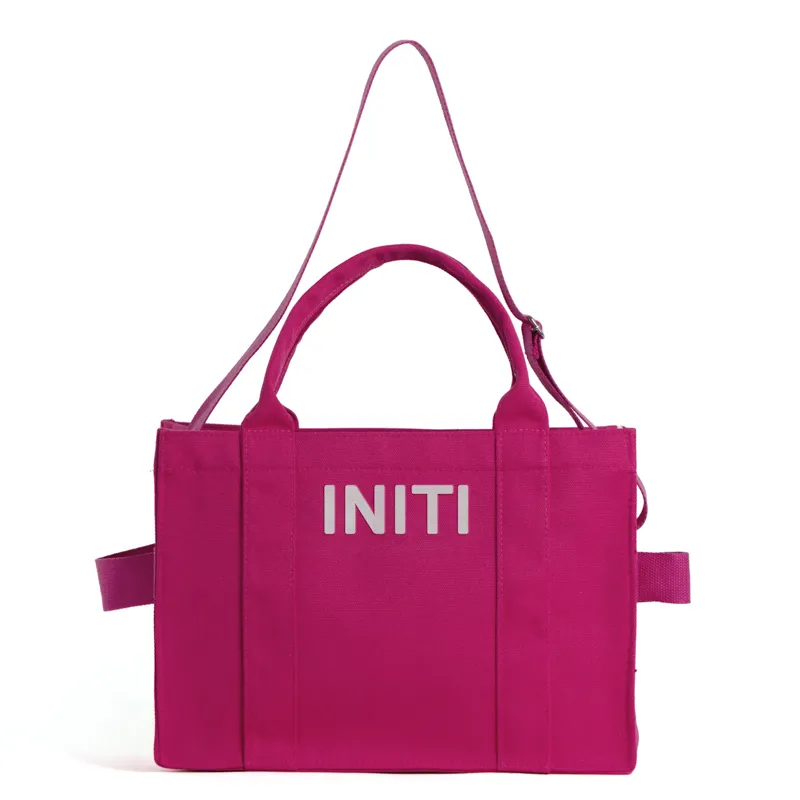
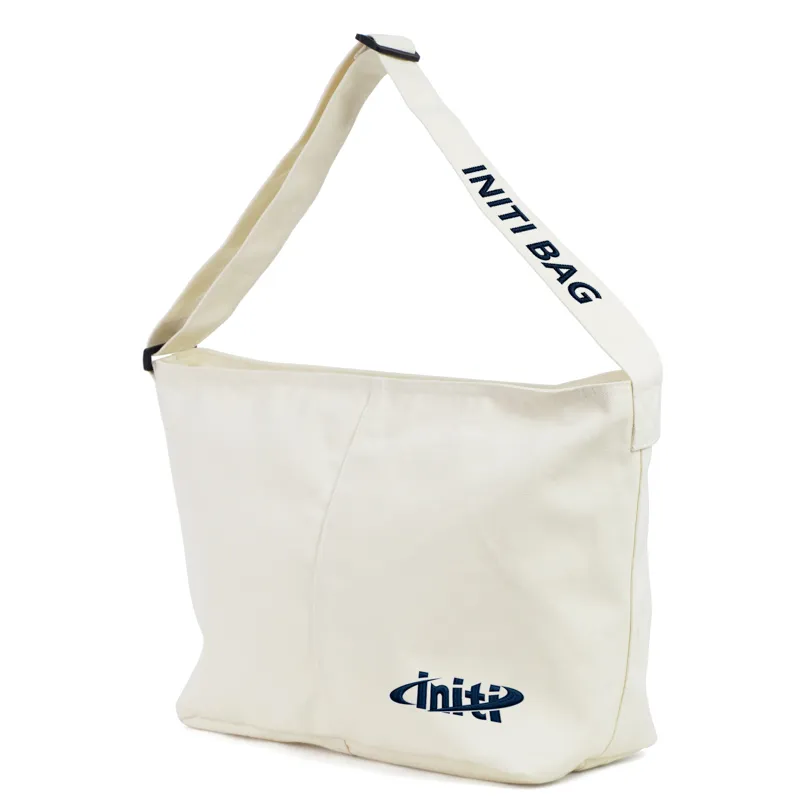
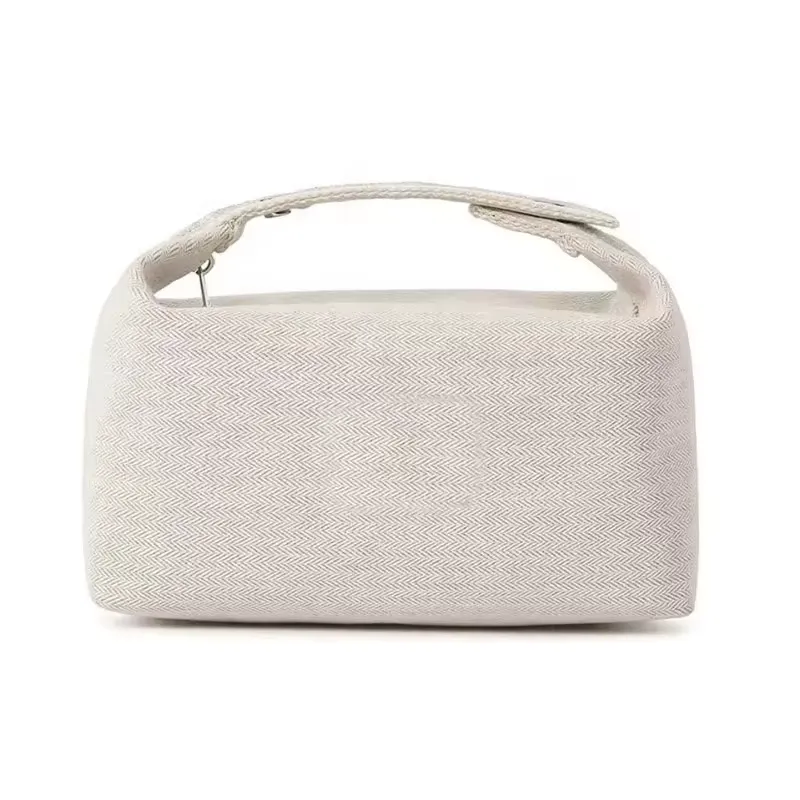
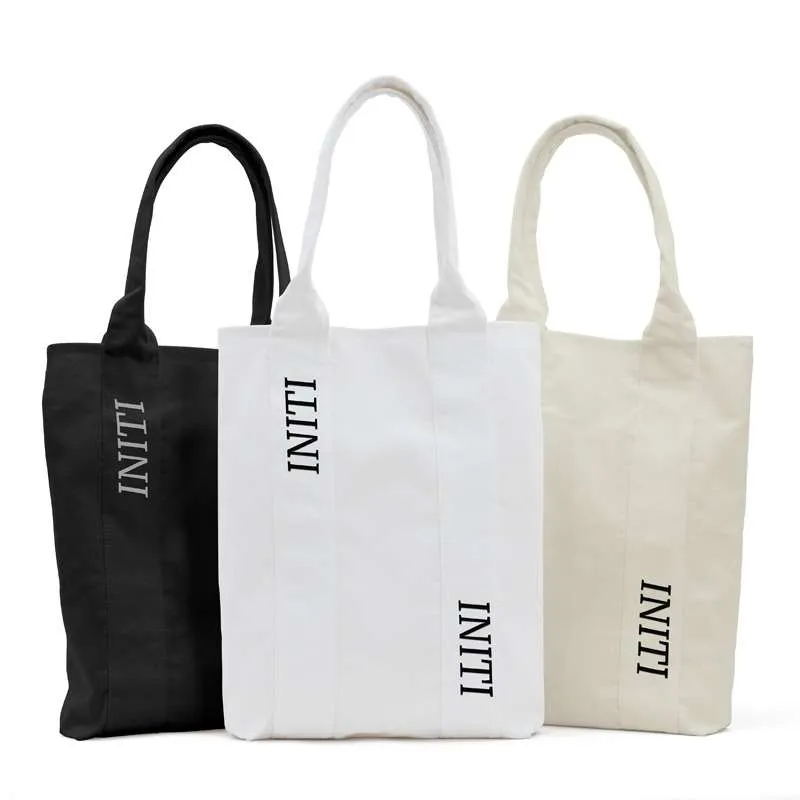
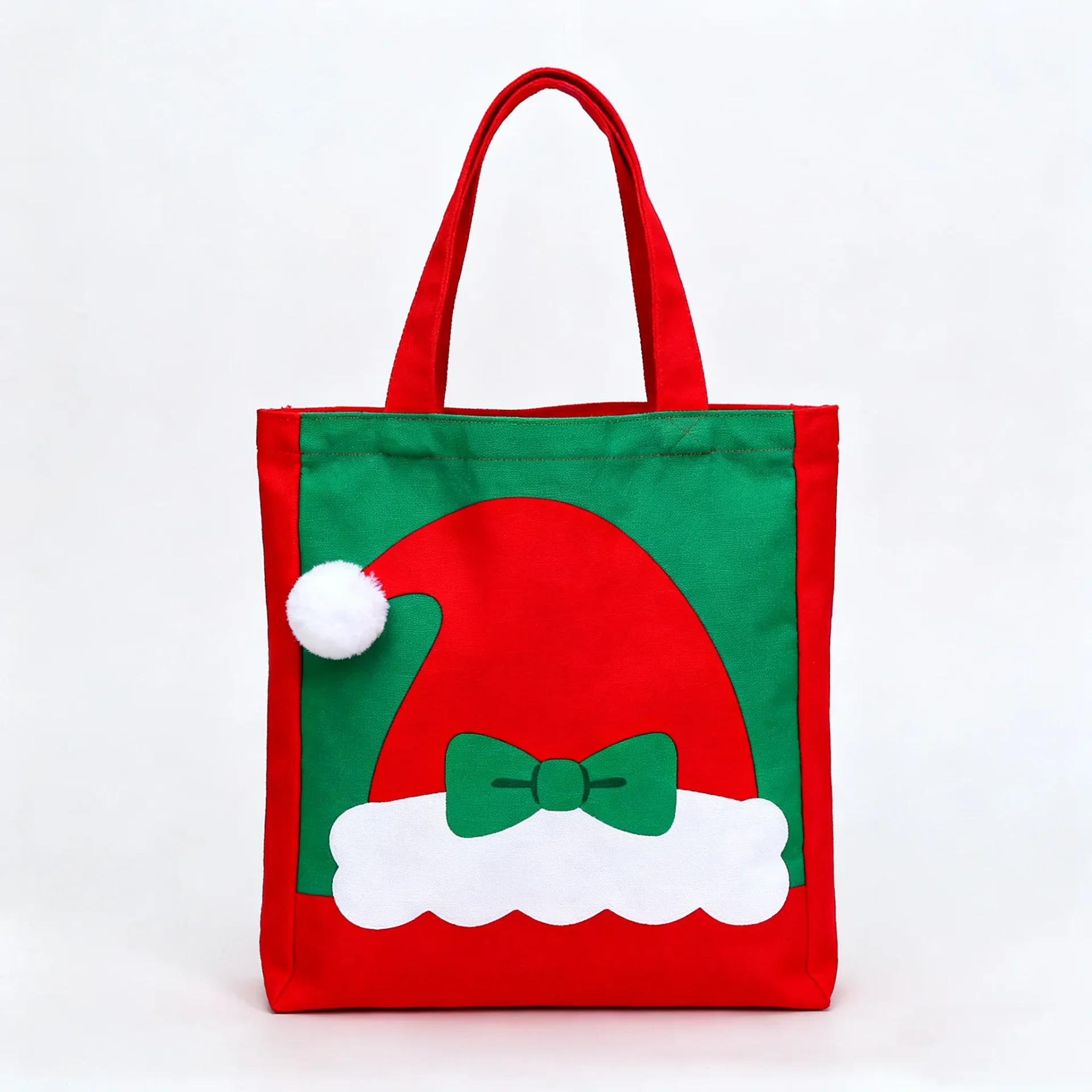
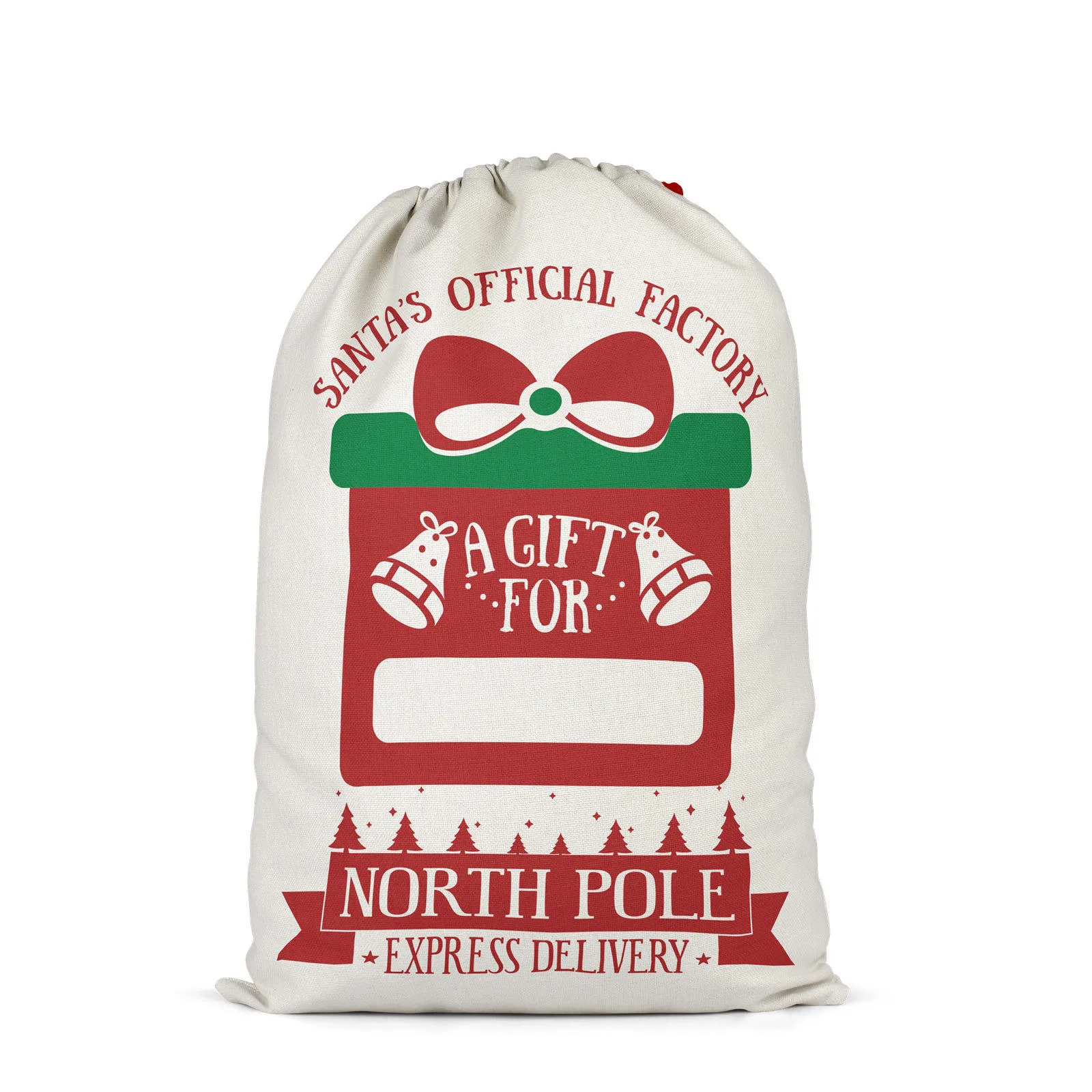

What Are Natural Materials in Bag Manufacturing?
Natural materials in bag manufacturing refer to fibers and fabrics derived from plants or other natural sources, commonly used for reusable, promotional, and retail bags.
These materials are valued for their biodegradability, tactile quality, and sustainability perception, making them a preferred choice for brands and organizations focused on environmental responsibility.
In bulk bag production, natural materials are often selected not only for their appearance, but for how they align with brand values, regulations, and long-term sourcing strategies.
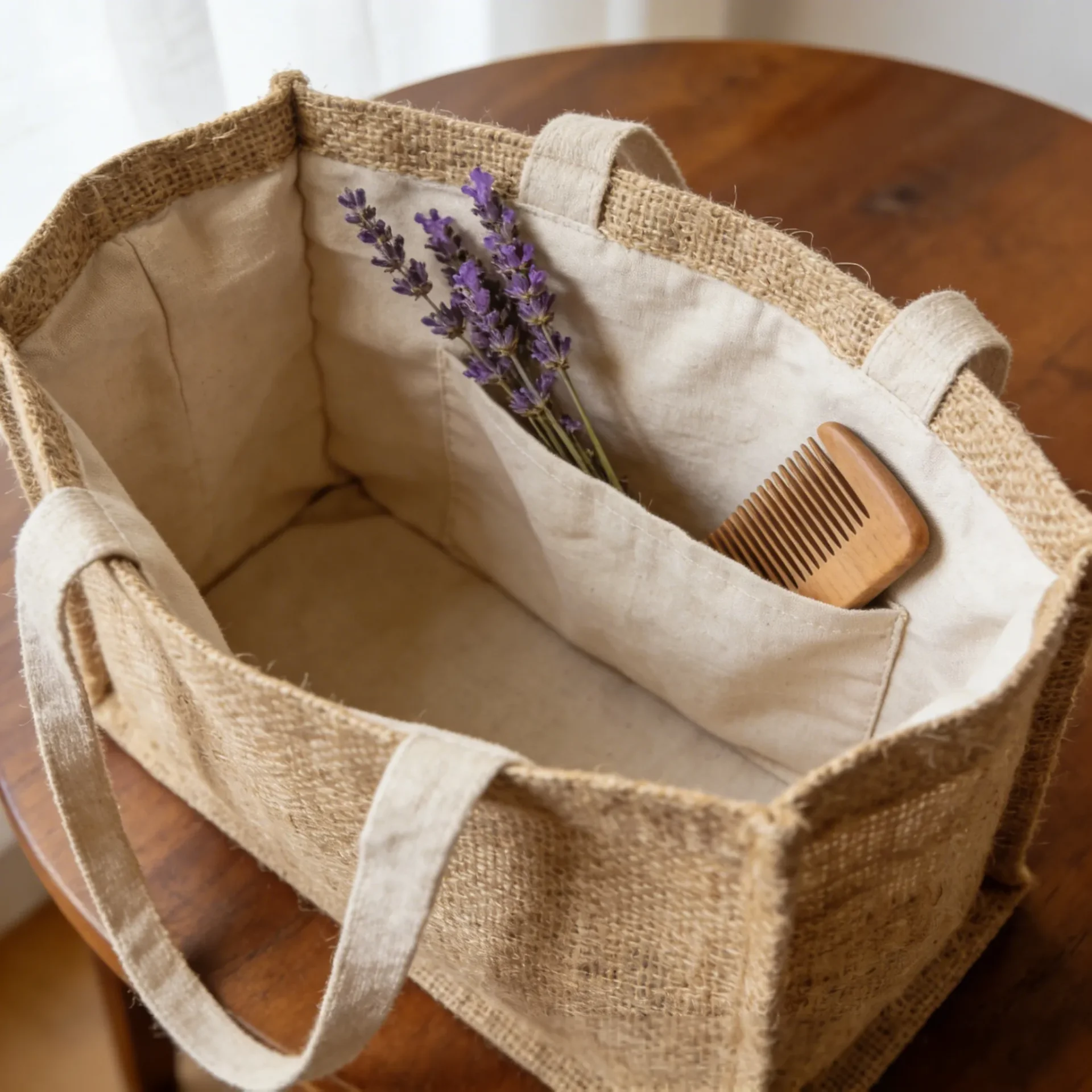

Key Properties of Natural Materials for Bulk Orders
From a B2B sourcing perspective, natural materials offer distinct characteristics that impact cost, production efficiency, and end-use performance.
Key properties include:
Breathability and natural texture
Renewable and biodegradable origins
Compatibility with water-based and low-impact printing
Stable availability for large-volume manufacturing
Strong alignment with sustainability and eco-label programs
These properties make natural materials especially suitable for reusable bag programs, promotional distribution, and retail packaging.
Common Natural Materials Used in Bags
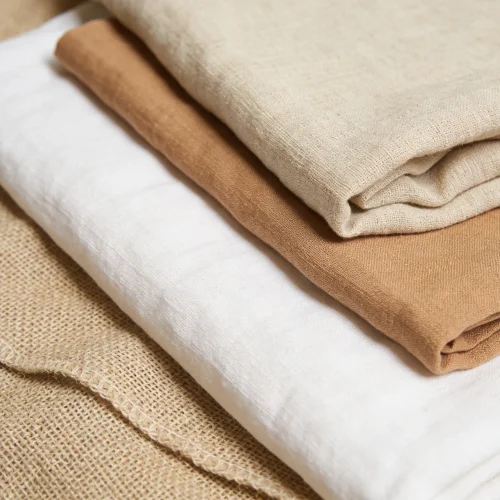
Natural materials are not a single fabric, but a family of fibers, each with different performance and cost profiles.
Frequently used natural materials include:
Cotton and organic cotton
Canvas (cotton-based)
Jute and burlap
Linen and flax fabrics
Each material differs in strength, texture, weight, and printability, and should be selected based on the intended application and budget.
Conocimiento
Natural Materials Bags
Best Bag Types Made from Natural Materials
In wholesale production, natural materials are most commonly used for:
Tote bags for retail and promotional use
Drawstring bags for giveaways and events
Shopping and grocery bags for reusable programs
Pouches and dust bags for packaging and storage
These combinations are driven by material behavior, durability requirements, and cost efficiency, rather than aesthetics alone.
Customization Possibilities with Natural Materials
Natural materials offer excellent compatibility with logo and branding customization, especially for B2B projects.
Common customization options include:
Screen printing and water-based printing
Heat transfer printing on treated surfaces
Embroidery for premium positioning
Woven labels and sewn-in tags
The choice of material directly affects print clarity, color absorption, and minimum order quantities, making material selection a key part of customization planning.
When to Choose Natural Materials (and When Not To)
Natural materials are ideal when:
Sustainability messaging is a priority
Bags are designed for reuse rather than heavy waterproofing
Natural texture and appearance are desired
Projects require compliance with eco-focused regulations
They may not be the best option when:
Full waterproof performance is required
Ultra-lightweight or transparent materials are needed
Long-term exposure to moisture is expected
Understanding these trade-offs helps buyers make cost-effective and functional sourcing decisions.
Why Source Natural Material Bags from Us
Como un fabricante de custom bag manufacturer, we support B2B clients sourcing natural material bags by offering:
Stable sourcing of cotton, jute, canvas, and linen fabrics
Consistent quality control across bulk production
Personalización flexible dentro de los marcos mayoristas
Support for eco-focused and reusable bag programs
Our experience with natural materials across multiple bag types allows us to guide material selection based on both branding and production efficiency.
Natural Materials Bags – Wholesale FAQ
1. What are natural material bags commonly used for?
Natural material bags are widely used for promotional campaigns, retail packaging, reusable shopping programs, and eco-conscious branding initiatives.
2. Are natural materials suitable for bulk bag production?
Yes. Many natural materials, such as cotton and canvas, are highly suitable for large-volume manufacturing with stable quality and pricing.
3. Can logos be printed on natural material bags?
Yes. Natural materials support various logo methods, including screen printing, embroidery, and woven labels.
4. Are natural material bags biodegradable?
Most natural materials are biodegradable, though treatments, coatings, or mixed fibers may affect biodegradability.
5. How do natural materials compare to synthetic materials?
Natural materials emphasize sustainability and texture, while synthetic materials often provide higher water resistance and lighter weight.
6. Do natural materials support eco certifications?
Many natural materials can support eco certifications depending on sourcing and processing methods.
7. What affects pricing for natural material bags in bulk?
Pricing is influenced by material type, fabric weight, customization method, and order quantity.
8. How do I choose the right natural material for my project?
Selecting the right material depends on use case, durability requirements, branding goals, and budget. We provide guidance during the quoting process.
 Spanish
 English
 French
 German
 Japanese
 Arabic
 Thai
 Vietnamese
 Russian
 Portuguese