Introducción

Insulated bags are most commonly associated with keeping groceries, picnic items, or lunches cold during transport or outings. Their thermal lining and foam layers effectively block external heat, preserving chilled temperatures for hours. However, the same insulation principles work in reverse for hot foods.

If insulated bags can keep food cold for hours, how do they perform when it comes to heat retention? The answer is quite well—often just as effectively, depending on the bag’s quality and usage.

Maintaining food heat is crucial in various scenarios: food delivery services ensuring meals arrive piping hot, takeout orders staying warm on the drive home, travelers packing thermoses or containers for long trips, picnics with hot dishes, or daily commuters bringing homemade lunches to work. Hot food not only tastes better but also reduces food safety risks when kept above certain temperatures.

This guide explores realistic heat retention times, key influencing factors, practical use cases, and tips to maximize performance. Whether for personal or commercial needs, understanding these details helps set proper expectations.Do Insulated Bags Keep Food Warm Too? 1Do Insulated Bags Keep Food Warm Too? 2
How Insulated Bags Keep Food Hot: The Basic Principle

To understand how a bag keeps food hot, we must first dispel a common myth: insulated bags do not create heat. Instead, they are passive thermal barriers designed to slow down the laws of thermodynamics.

How Insulation Works

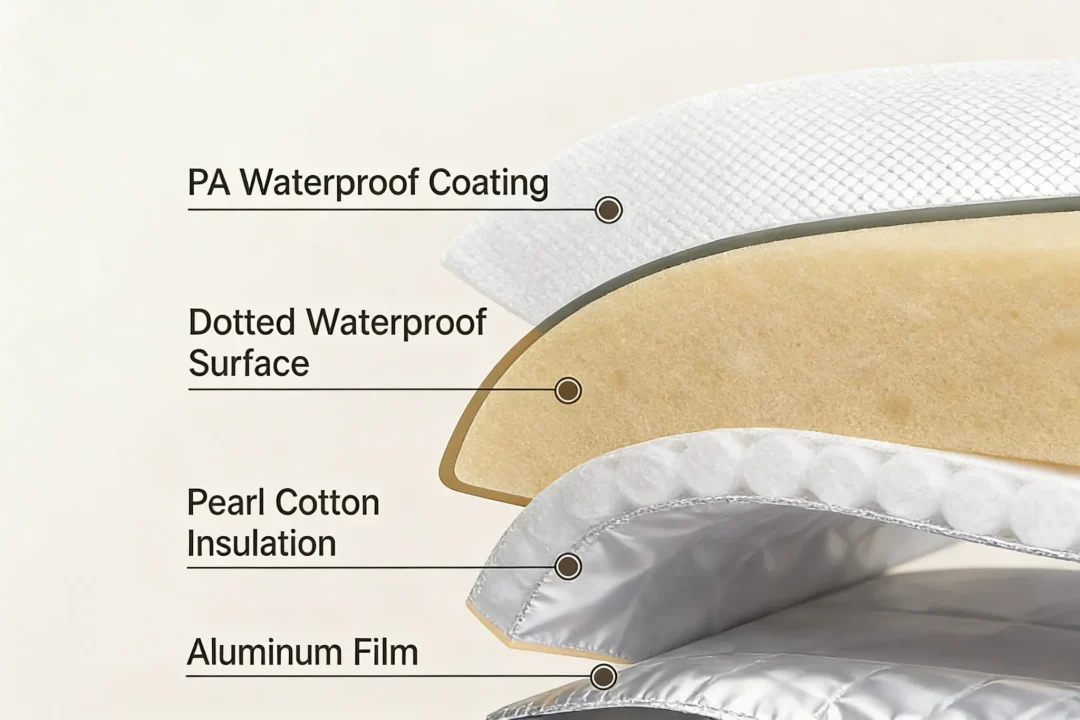
Heat naturally moves from a warm object to a cooler environment through three methods: conduction, convection, and radiation. * Thermal Barriers: Most bags use a layer of dense foam (like EPE or PEVA) that acts as a poor conductor of heat, preventing the warmth from “leaking” out.

  • Trapped Air: Foam is essentially thousands of tiny air bubbles. Since air is a poor conductor, these layers create a “dead zone” that stops thermal transfer.

  • Reflective Linings: The shiny aluminum or foil lining inside the bag addresses radiant heat. It reflects the infrared energy back toward the food rather than letting it escape.

Heat Retention vs. Active Heating

Unlike a heated delivery oven or a plug-in warming tray, an insulated bag is a race against time. It simply slows the inevitable cooling process. The higher the quality of the insulation, the slower the rate of heat loss.
Do Insulated Bags Keep Food Warm Too? 3

How Long Do Insulated Bags Keep Food Hot? (General Time Ranges)

The length of time an insulated bag can keep food hot varies widely depending on the bag’s quality and the conditions it’s used in. Here are the general time ranges you can expect:
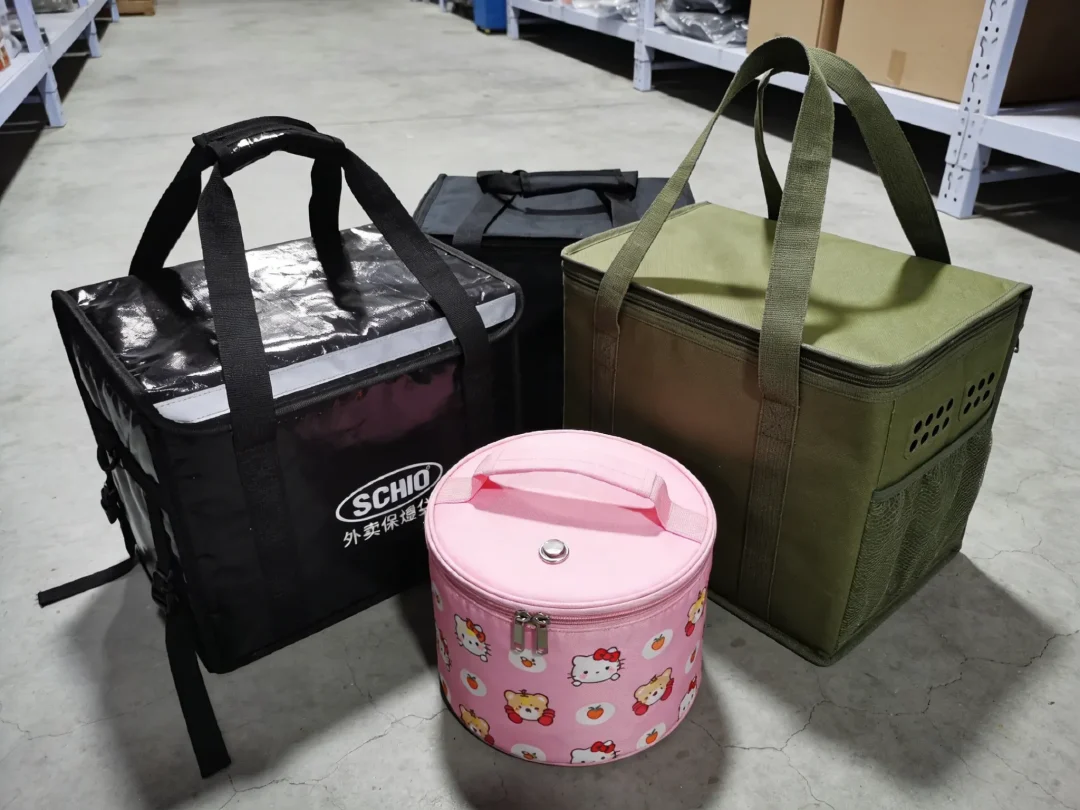
  • Basic insulated bags: These are typically lightweight, with thin insulation and a simple design—think the disposable insulated bags you get with takeout orders or budget-friendly lunch bags. They can keep food hot for 1–2 hours. After this window, food will start to cool to a lukewarm temperature, which may not be ideal for eating comfort.
  • Standard insulated food bags: Designed for regular use, these bags feature thicker insulation and a durable, heat-reflective lining (often aluminum foil). They are suitable for daily commutes, family outings, and small-scale food delivery. Standard insulated bags can maintain hot food temperatures for 2–4 hours.
  • High-quality / thick insulated bags: These are the heavyweights of the insulated bag world, often used by professional delivery services and caterers. They have multi-layer insulation, airtight closures, and reinforced seams to minimize heat leakage. High-quality bags can keep food hot for 4–6 hours, making them ideal for long trips or large events.
Tipo de bolsaTypical Heat RetentionFinal Food Temp* Best Use Case
Basic single-layer tote1–2 hours45–50 °CShort grocery trips, quick commutes
Standard food-delivery bag2–4 hours55–60 °COffice lunches, school meals
Thick, multi-layer premium bag4–6 hours60–65 °CFood delivery, catering, long trips
It’s important to note that “hot” is a subjective term. For some people, a meal that’s warm enough to eat without reheating is sufficient, while others prefer food that’s as hot as when it was cooked. From a food safety perspective, the FDA recommends keeping hot food at or above 140°F (60°C) to prevent the growth of harmful bacteria. This temperature threshold is more critical than personal comfort, especially for perishable foods like meat, dairy, and cooked vegetables.

Key Factors That Affect Heat Retention Time

Several variables can either extend or shorten the heat-retention time of an insulated bag. Understanding these factors can help you get the most out of your bag, regardless of its quality.

3.1 Insulation Materials

The type of insulation material is one of the biggest determinants of performance. Foam insulation (such as polyethylene foam) is a top choice for heat retention because it’s dense, lightweight, and excellent at trapping air. Aluminum foil lining adds an extra layer of protection by reflecting heat back into the bag, preventing it from escaping through the walls. Bags with multi-layer thermal structures—combining foam, foil, and a waterproof outer layer—offer the best heat retention. In contrast, bags with only a thin foil lining (and no additional insulation) will lose heat much faster.

3.2 Bag Construction & Design

The way an insulated bag is built has a direct impact on heat leakage. Closure type matters significantly: roll-top closures with buckles or heavy-duty zippers create a tighter seal than Velcro closures, which can leave gaps for heat to escape. Seams are another weak point—bags with sealed, reinforced seams prevent heat from leaking through stitching holes, while poorly sewn bags have more opportunities for heat loss. The shape and internal air space also play a role: a bag that fits your food containers snugly has less empty air inside, which means less space for heat to disperse. A roomy bag with lots of empty space will cool down faster, as the heat has to fill a larger area.

3.3 External Conditions

The environment surrounding the bag can make or break its heat-retention capabilities. Outdoor temperature is a major factor: a bag left in freezing winter weather will lose heat much faster than one kept in a cool, shaded area. Wind exposure accelerates heat loss through convection, so keeping the bag out of strong winds can extend its performance. Direct sunlight can have a mixed effect—while it may add a small amount of heat to the outside of the bag, prolonged exposure can degrade the insulation material over time and cause the bag to absorb heat, which may actually speed up heat loss from the inside for some low-quality bags.

3.4 Food & Container Type

The type of food and the container it’s stored in also influence heat retention. Liquids (like soup, coffee, or stew) retain heat longer than solid foods because they have a higher thermal mass—they hold onto heat more effectively. Solid foods (like sandwiches, wraps, or fried chicken) cool down faster, especially if they have a lot of surface area exposed to air. The container material matters too: metal and glass containers are excellent at retaining heat, but they can be heavy and prone to breaking. Plastic containers are lightweight and durable, but they conduct heat more easily, so food in plastic may cool down faster. Preheating your containers before adding hot food is a simple trick that can make a big difference—it prevents the cold container from absorbing heat from the food.

Heat Retention in Real-Life Use Cases

Insulated bags’ heat-retention capabilities shine in real-world scenarios, where they solve everyday problems for different users.

4.1 Food Delivery & Takeout

For food delivery drivers and restaurants, insulated bags are non-negotiable. They are the key to maintaining the quality of hot foods like pizza, fried chicken, and pasta from the kitchen to the customer’s doorstep. Without proper insulation, a 20-minute drive could turn a hot pizza into a lukewarm one, leading to negative reviews and lost business. High-quality insulated delivery bags can keep food at a safe, hot temperature for 4–6 hours, which is essential for long delivery routes or peak hours when drivers have multiple stops to make.

4.2 Travel, Work, and Daily Commutes

For office workers, students, and travelers, insulated lunch bags are a game-changer. A standard insulated bag can keep a homemade lunch hot for 2–4 hours, which means you can enjoy a warm meal at lunchtime without relying on office microwaves or expensive takeout. For families on road trips or day trips, these bags make it easy to pack warm meals for picnics or sightseeing, eliminating the need to stop at fast-food restaurants. They are also perfect for packing warm snacks for kids’ sports practices or after-school activities.

4.3 Catering & Event Use

Caterers rely on insulated bags to keep large batches of food hot before serving at weddings, corporate events, and parties. High-quality, large-capacity insulated bags can maintain consistent temperatures for 4–6 hours, which is critical for ensuring that every guest gets a meal that’s hot and fresh. These bags are also designed to be durable and easy to transport, which is essential for caterers who are constantly on the move.
Do Insulated Bags Keep Food Warm Too? 4

How to Keep Food Hot Longer in an Insulated Bag

If you want to extend the heat-retention time of your insulated bag, there are several simple, effective tips you can follow:
  • Preheat the bag: Before adding hot food, fill the bag with hot water or place a hot towel inside for 5–10 minutes. This warms up the insulation and the air inside the bag, so it doesn’t absorb heat from your food.
  • Use hot packs or heat bricks: For extra heat retention, add a microwaveable hot pack or heat brick to the bag. These packs release heat slowly over time, helping to maintain the temperature inside the bag. Just be sure to wrap the hot pack in a towel to prevent it from touching your food directly.
  • Fill empty space: If your bag has extra space, fill it with crumpled newspaper, towels, or foam padding. This reduces the amount of empty air inside the bag, which slows down heat loss.
  • Minimize opening frequency: Every time you open the bag, you let out hot air and let in cold air. Try to open the bag as infrequently as possible to keep the heat trapped inside.
  • Proper food wrapping: Wrap hot food tightly in aluminum foil or heat-resistant plastic wrap before placing it in the container. This adds an extra layer of insulation and prevents heat from escaping through the container.

Insulated Bags for Hot vs. Cold: Are They the Same?

Technically, yes. A well-insulated bag is a thermal insulator, meaning it resists the transfer of heat in either direction. However, there are nuances:

  • Steam Management: Bags designed specifically for hot food often have small vents to allow a tiny amount of steam to escape so the food doesn’t become soggy.

  • Linings: Some cold bags use thin plastic linings that might melt if they come into direct contact with a dish straight out of a 400°F oven. Always check the heat rating of your bag’s interior.

For more information on using insulated bags to keep food cold, check out our guide on : How Long Do Insulated Bags Keep Food Cold ?

Choosing the Right Insulated Bag for Heat Retention

When shopping for an insulated bag for heat retention, there are several key features to look for:
  • Thickness of insulation: Thicker insulation means better heat retention. Look for bags with at least ¼-inch thick foam insulation for optimal performance.
  • Inner lining material: A heat-reflective aluminum foil lining is a must—it reflects heat back into the bag and prevents heat loss through the walls.
  • Size and capacity: Choose a bag that fits your food containers snugly. A bag that’s too big will have extra space, which can speed up heat loss.
  • Intended usage: For personal use (like daily commutes), a standard-sized lunch bag is sufficient. For professional use (like food delivery or catering), opt for a high-quality, heavy-duty bag with a secure closure and reinforced seams.

For businesses looking to stock up on insulated bags, custom or wholesale options are available. Many manufacturers offer custom branding, which is perfect for food delivery services, restaurants, and caterers looking to promote their brand while providing a functional service.

Common Misconceptions About Insulated Bags and Heat

There are several myths about insulated bags and heat retention that need to be debunked:
  • Myth 1: Insulated bags keep food hot all day: This is the most common misconception. Even the highest-quality insulated bags can only keep food hot for 4–6 hours. After that, food will cool down to room temperature, which is not safe for perishable foods.
  • Myth 2: All insulated bags perform the same: This is far from true. Basic, disposable bags have minimal insulation and will only keep food hot for 1–2 hours, while high-quality professional bags can maintain heat for twice as long. The material, construction, and design all play a role in performance.
  • Myth 3: Heat retention equals food safety: Just because food is warm doesn’t mean it’s safe to eat. The FDA recommends that hot food be kept at or above 140°F (60°C) to prevent bacterial growth. Even if food feels warm, it may have dropped below this threshold, especially if it’s been in the bag for several hours. Always use a food thermometer to check the temperature of perishable foods before eating.

Conclusión

Insulated bags are an incredible tool for maintaining the quality and temperature of your meals. While a basic bag will give you a solid hour of warmth, a high-quality, well-packed thermal bag can keep your food at an enjoyable temperature for up to 6 hours. By choosing the right materials and using a few simple “pre-heating” tricks, you can ensure that your last bite is just as good as the first.

Are you looking for high-performance thermal solutions for your business or brand? [Explore our range of custom insulated bags] or contact us today for wholesale inquiries to find the perfect match for your heat-retention needs!
Productos Destacados