
Einführung
Insulated bags are most commonly associated with keeping groceries, picnic items, or lunches cold during transport or outings. Their thermal lining and foam layers effectively block external heat, preserving chilled temperatures for hours. However, the same insulation principles work in reverse for hot foods.
If insulated bags can keep food cold for hours, how do they perform when it comes to heat retention? The answer is quite well—often just as effectively, depending on the bag’s quality and usage.
Maintaining food heat is crucial in various scenarios: food delivery services ensuring meals arrive piping hot, takeout orders staying warm on the drive home, travelers packing thermoses or containers for long trips, picnics with hot dishes, or daily commuters bringing homemade lunches to work. Hot food not only tastes better but also reduces food safety risks when kept above certain temperatures.
This guide explores realistic heat retention times, key influencing factors, practical use cases, and tips to maximize performance. Whether for personal or commercial needs, understanding these details helps set proper expectations.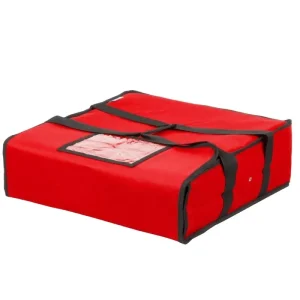
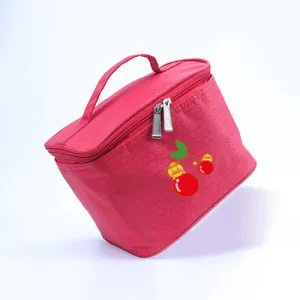
How Insulated Bags Keep Food Hot: The Basic Principle
To understand how a bag keeps food hot, we must first dispel a common myth: insulated bags do not create heat. Instead, they are passive thermal barriers designed to slow down the laws of thermodynamics.
How Insulation Works
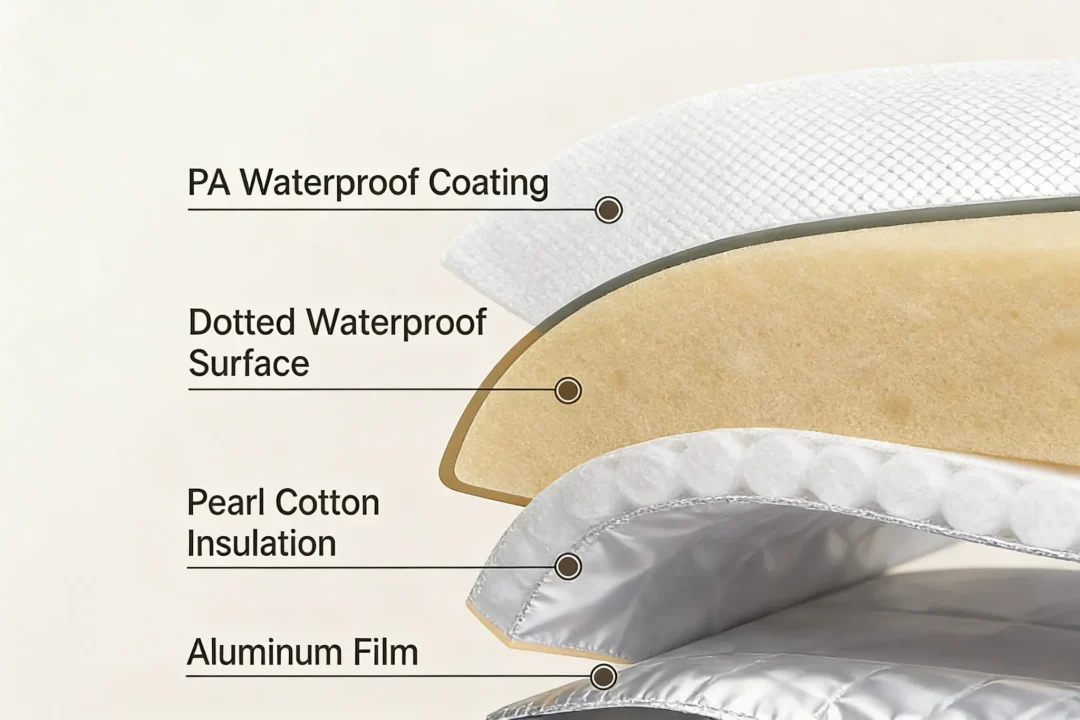
Heat naturally moves from a warm object to a cooler environment through three methods: conduction, convection, and radiation. * Thermal Barriers: Most bags use a layer of dense foam (like EPE or PEVA) that acts as a poor conductor of heat, preventing the warmth from “leaking” out.
Trapped Air: Foam is essentially thousands of tiny air bubbles. Since air is a poor conductor, these layers create a “dead zone” that stops thermal transfer.
Reflective Linings: The shiny aluminum or foil lining inside the bag addresses radiant heat. It reflects the infrared energy back toward the food rather than letting it escape.
Heat Retention vs. Active Heating
Unlike a heated delivery oven or a plug-in warming tray, an insulated bag is a race against time. It simply slows the inevitable cooling process. The higher the quality of the insulation, the slower the rate of heat loss.
How Long Do Insulated Bags Keep Food Hot? (General Time Ranges)
| Tasche Typ | Typical Heat Retention | Final Food Temp* | Best Use Case |
| Basic single-layer tote | 1–2 hours | 45–50 °C | Short grocery trips, quick commutes |
| Standard food-delivery bag | 2–4 hours | 55–60 °C | Office lunches, school meals |
| Thick, multi-layer premium bag | 4–6 hours | 60–65 °C | Food delivery, catering, long trips |
Key Factors That Affect Heat Retention Time
3.1 Insulation Materials
3.2 Bag Construction & Design
3.3 External Conditions
3.4 Food & Container Type
Heat Retention in Real-Life Use Cases
4.1 Food Delivery & Takeout
4.2 Travel, Work, and Daily Commutes
4.3 Catering & Event Use
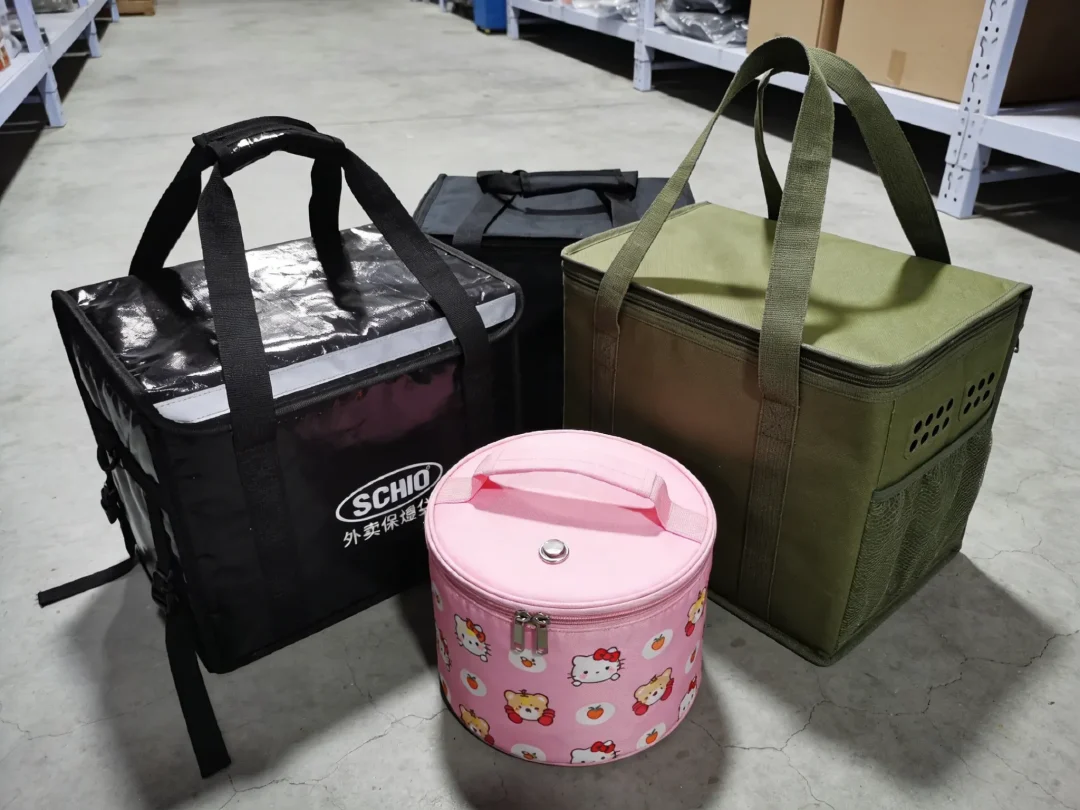
How to Keep Food Hot Longer in an Insulated Bag
Insulated Bags for Hot vs. Cold: Are They the Same?
Technically, yes. A well-insulated bag is a thermal insulator, meaning it resists the transfer of heat in either direction. However, there are nuances:
Steam Management: Bags designed specifically for hot food often have small vents to allow a tiny amount of steam to escape so the food doesn’t become soggy.
Linings: Some cold bags use thin plastic linings that might melt if they come into direct contact with a dish straight out of a 400°F oven. Always check the heat rating of your bag’s interior.
For more information on using insulated bags to keep food cold, check out our guide on : Wie lange halten Isoliertaschen Lebensmittel kalt ?
Choosing the Right Insulated Bag for Heat Retention
For businesses looking to stock up on insulated bags, custom or wholesale options are available. Many manufacturers offer custom branding, which is perfect for food delivery services, restaurants, and caterers looking to promote their brand while providing a functional service.
Common Misconceptions About Insulated Bags and Heat
Schlussfolgerung
Insulated bags are an incredible tool for maintaining the quality and temperature of your meals. While a basic bag will give you a solid hour of warmth, a high-quality, well-packed thermal bag can keep your food at an enjoyable temperature for up to 6 hours. By choosing the right materials and using a few simple “pre-heating” tricks, you can ensure that your last bite is just as good as the first.
Are you looking for high-performance thermal solutions for your business or brand? [Explore our range of custom insulated bags] or Kontaktieren Sie uns today for wholesale inquiries to find the perfect match for your heat-retention needs!

 German
 English
 French
 Japanese
 Arabic
 Thai
 Vietnamese
 Russian
 Spanish
 Portuguese