
Cotton fabric shrinkage is one of the most common concerns for consumers and manufacturers alike. Whether you’re purchasing a cotton tote bag, considering custom manufacturing, or simply trying to maintain your cotton items, understanding shrinkage behavior is essential for making informed decisions and setting proper expectations.
The short answer: Yes, cotton does shrink – but the extent depends on factors like fabric treatment, weave type, and care methods. This comprehensive guide explores everything you need to know about cotton shrinkage, from the science behind why it happens to practical solutions for manufacturers and consumers.
Does Cotton Shrink?
Yes, cotton fabric does shrink, particularly during the first wash cycle. This is a natural characteristic of cotton fibers and occurs due to the release of tension created during the manufacturing process.
Key factors that determine cotton shrinkage:
- Fabric treatment: Untreated cotton shrinks significantly more than pre-shrunk varieties
- Weave density: Tighter weaves generally shrink less than loose weaves
- Fabric weight: Heavy cotton canvas typically shrinks less than lightweight cotton
- Fiber quality: Long-staple cotton tends to have more dimensional stability
- Manufacturing process: How the fabric was woven and finished affects shrinkage potential
When cotton shrinkage occurs most:
- First wash cycle (most significant shrinkage)
- First 2-3 wash cycles (gradual additional shrinkage)
- When exposed to heat during washing or drying
- When fabric transitions from dry to wet state
Understanding these factors helps both consumers and manufacturers make better decisions about cotton products, from selecting the right fabric type to setting appropriate care instructions.
Does Cotton Shrink in the Dryer?
Heat from the dryer is one of the primary causes of cotton shrinkage. The combination of heat, moisture, and mechanical action creates ideal conditions for fiber contraction and dimensional change.
Heat vs. Air Drying Comparison
| Método de Secado | Shrinkage Risk | Advantages | Disadvantages |
|---|---|---|---|
| High Heat Dryer | Very High (5-8%) | Fast drying, convenience | Maximum shrinkage, potential damage |
| Medium Heat Dryer | Moderate (3-5%) | Reasonable speed, less damage | Still significant shrinkage risk |
| Low Heat/Delicate | Low (1-3%) | Minimal shrinkage, fabric protection | Longer drying time |
| Air Dry | Minimal (0-2%) | No heat damage, energy efficient | Weather dependent, slower process |
Pre-shrunk Cotton Behavior in Dryers
Pre-shrunk cotton still experiences some shrinkage in the dryer, though significantly less than untreated cotton:
- Residual shrinkage: Even pre-shrunk cotton can shrink an additional 1-3% in high heat
- Cumulative effect: Repeated high-heat drying can cause ongoing dimensional changes
- Fabric relaxation: Some apparent “shrinkage” is actually fabric settling into its natural state
- Weave tightening: Heat can cause yarn structure to compact, reducing overall dimensions
Tumble Drying Risk Factors
Several factors increase shrinkage risk during machine drying:
- Temperature settings: Higher heat dramatically increases shrinkage potential
- Drying time: Over-drying can cause additional fiber stress and shrinkage
- Load size: Overcrowded dryers create uneven heat distribution
- Fabric weight: Mixed weights in same load can cause uneven shrinkage
- Moisture content: Very wet items entering dryer experience more dramatic temperature changes
How Much Does Cotton Usually Shrink?
Cotton shrinkage varies significantly based on fabric type, treatment, and care methods. Here’s a comprehensive breakdown of expected shrinkage rates:
Shrinkage by Cotton Type
| Cotton Type | First Wash Shrinkage | Dryer Shrinkage (High Heat) | Total Potential Shrinkage | Aplicaciones típicas |
|---|---|---|---|---|
| Regular Cotton (Untreated) | 5-8% | 3-5% additional | 8-13% | Basic clothing, budget bags |
| Heavy Canvas Cotton | 3-5% | 2-3% additional | 5-8% | Tote bags, heavy-duty items |
| Pre-shrunk Cotton | 1-3% | 1-2% additional | 2-5% | Quality garments, premium bags |
| Organic Cotton (Untreated) | 6-10% | 4-6% additional | 10-16% | Eco-friendly products |
| Cotton Blends (Cotton/Poly) | 2-4% | 1-3% additional | 3-7% | Performance wear, durable goods |
| Combed Cotton | 3-5% | 2-4% additional | 5-9% | High-quality apparel |
Factors Affecting Shrinkage Variation
Weave density impact:
- Tight weave (high thread count): Lower shrinkage (2-4%)
- Medium weave: Moderate shrinkage (4-6%)
- Loose weave: Higher shrinkage (6-10%)
Fabric weight considerations:
- Lightweight cotton (under 200 GSM): Higher shrinkage potential
- Medium weight (200-400 GSM): Moderate, predictable shrinkage
- Heavy weight (over 400 GSM): Lower shrinkage, more dimensional stability
Why Does Cotton Fabric Shrink?
Understanding the science behind cotton shrinkage helps explain why it occurs and how to minimize it. Cotton shrinkage is primarily a result of fiber and yarn behavior when exposed to moisture and heat.
Fiber Swelling Mechanism
Cotton fibers have a unique cellular structure that responds to moisture:
- Cellulose absorption: Cotton fibers can absorb up to 25% of their weight in water
- Fiber expansion: As fibers absorb moisture, they swell and become shorter
- Dimensional change: Swollen fibers take up more space in width but less in length
- Permanent alteration: Once dried, fibers often retain their new, shorter length
Yarn Tension Release
Manufacturing processes create internal stress within cotton yarns:
- Spinning tension: Yarn production stretches fibers beyond their natural state
- Weaving stress: Fabric construction adds additional tension to the yarn structure
- Finishing processes: Chemical treatments and mechanical processes create further stress
- Relaxation response: When exposed to moisture and heat, yarns “relax” to their natural state
Weaving Density Effects
The way cotton is woven significantly impacts shrinkage behavior:
| Weave Characteristic | Effect on Shrinkage | Mechanism | Example Products |
|---|---|---|---|
| Tight Weave | Reduced shrinkage | Limited yarn movement space | Canvas bags, upholstery |
| Loose Weave | Increased shrinkage | More yarn movement freedom | Gauze, lightweight fabrics |
| Plain Weave | Moderate shrinkage | Balanced yarn interaction | Basic cotton fabric |
| Twill Weave | Directional shrinkage | Diagonal yarn alignment | Denim, canvas bags |
Does Organic Cotton Shrink More Than Regular Cotton?
Yes, organic cotton typically shrinks more than conventionally processed cotton, primarily due to differences in treatment and processing methods.
Why Organic Cotton Shrinks More
Processing differences create higher shrinkage potential:
- Minimal chemical treatment: Organic cotton avoids many shrink-resistant chemicals used in conventional processing
- Natural fiber state: Less mechanical and chemical alteration preserves natural fiber characteristics
- Reduced pre-shrinking: Many organic cotton products skip aggressive pre-shrinking treatments
- Gentler finishing: Organic standards often prohibit harsh finishing agents that reduce shrinkage
Organic vs. Conventional Cotton Shrinkage Comparison
| Cotton Type | Average First Wash Shrinkage | Processing Level | Chemical Treatments | Dimensional Stability |
|---|---|---|---|---|
| Organic Cotton (Raw) | 8-12% | Minimal processing | None or very limited | Lower |
| Organic Cotton (Pre-treated) | 4-6% | Gentle pre-treatment | Organic-approved only | Moderate |
| Conventional Cotton | 3-5% | Standard processing | Full range available | Higher |
| Treated Conventional | 1-3% | Extensive pre-shrinking | Shrink-resistant chemicals | Highest |
Benefits of Choosing Organic Despite Higher Shrinkage
While organic cotton may shrink more, it offers significant advantages:
- Environmental sustainability: No harmful pesticides or synthetic fertilizers
- Health benefits: Reduced chemical residue exposure
- Superior aging: Often becomes softer and more comfortable over time
- Authentic texture: Maintains natural cotton characteristics
- Biodegradability: Completely natural decomposition
For manufacturers using organic cotton: Build shrinkage allowance into product specifications and clearly communicate expected shrinkage to customers. This transparency builds trust and sets appropriate expectations.
Cotton vs Linen vs Polyester: Which Shrinks More?
Understanding how different fabrics behave helps consumers and manufacturers make informed material choices based on shrinkage tolerance and performance requirements.
Comparative Shrinkage Analysis
| Tipo de tela | Shrinkage Potential | Sensibilidad al calor | Dificultad de cuidado | Long-term Stability | Best Use Cases |
|---|---|---|---|---|---|
| Algodón | Medium-High (3-8%) | Moderate | Medio | Good with proper care | Everyday bags, casual wear |
| Lino | High (8-15%) | Alto | Alto | Excellent with gentle care | Luxury items, summer wear |
| Poliéster | Very Low (0-2%) | Heat-resistant | Bajo | Maintains dimensions | Performance gear, easy-care items |
| Cotton/Poly Blend | Low-Medium (2-5%) | Moderate | Low-Medium | Very good | Balanced performance items |
| Canvas (Heavy Cotton) | Medium (3-6%) | Low-Moderate | Medio | Excelente | Tote bags, heavy-duty use |
Detailed Fabric Performance Characteristics
Cotton Shrinkage Profile:
- Predictable behavior: Most shrinkage occurs in first 1-3 washes
- Heat responsive: Shrinkage increases significantly with temperature
- Directional variation: Often shrinks more in length than width
- Treatment dependent: Pre-shrunk cotton performs much better
Linen Shrinkage Profile:
- Highest natural shrinkage: Can shrink 10-15% in first wash
- Very heat sensitive: Hot water or dryer heat causes dramatic shrinkage
- Uneven shrinkage: May warp or distort during washing
- Mejora con la edad: Becomes more stable after initial shrinkage
Polyester Performance:
- Minimal shrinkage: Synthetic fibers maintain original dimensions
- Heat stable: Can withstand high dryer temperatures without shrinking
- Chemical stability: Resistant to most detergents and treatments
- Consistent performance: Behavior doesn’t change over time
Material Selection Guide for Different Applications
Choose Cotton When:
- Natural fiber preference is important
- Moderate shrinkage is acceptable (factor into sizing)
- Breathability and comfort are priorities
- Budget-conscious natural option needed
Choose Linen When:
- Luxury natural texture is desired
- Premium positioning justifies higher care requirements
- Customers understand and value natural fiber characteristics
- Products are sized with significant shrinkage allowance
Choose Polyester When:
- Dimensional stability is critical
- Easy care is a primary selling point
- Performance characteristics outweigh natural fiber benefits
- High-volume, low-maintenance applications
Do Cotton Tote Bags Shrink After Washing?
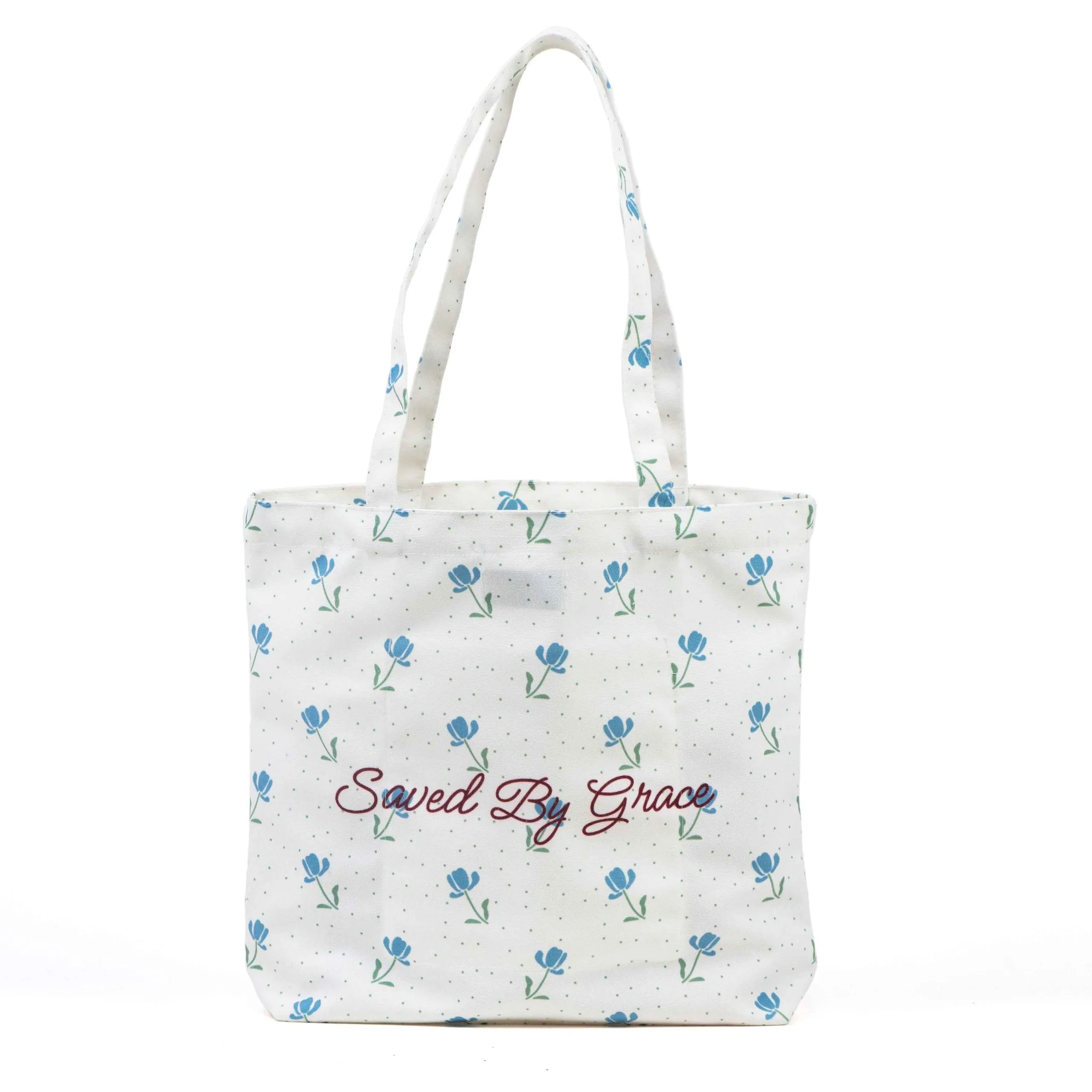
Yes, cotton tote bags do shrink after washing, with the extent depending on the fabric type, construction method, and care approach. Understanding tote bag shrinkage is crucial for both consumers and manufacturers in the promotional and retail bag industry.
Tote Bag Shrinkage by Construction Type
| Tote Bag Type | Typical Shrinkage | Primary Risk Areas | Recommended Care | Commercial Applications |
|---|---|---|---|---|
| Bolsas Tote de Lona | 3-5% | Handle attachment points, bottom seams | Cold wash, air dry | Grocery bags, promotional items |
| Cotton Duck Totes | 4-6% | Overall dimensions, strap length | Gentle cycle, low heat | Heavy-duty carrying, retail |
| Organic Cotton Totes | 6-8% | Significant overall shrinkage | Hand wash preferred | Eco-conscious brands |
| Cotton Blend Totes | 2-4% | Minimal, even shrinkage | Standard machine wash | Corporate gifts, everyday use |
| Pre-shrunk Cotton Totes | 1-3% | Handle stress points only | Normal care acceptable | Premium promotional items |
Specific Shrinkage Concerns for Tote Bags
Dimensional changes affect functionality:
- Handle length reduction: Shrinkage can make handles uncomfortably short
- Bag depth decrease: Reduced capacity affects practical use
- Width narrowing: May no longer accommodate intended items
- Seam stress: Uneven shrinkage can stress stitched areas
Construction vulnerabilities during shrinkage:
- Handle attachment points: High stress areas prone to failure
- Bottom reinforcement: Heavy-use areas may pull apart
- Side seams: Differential shrinkage can cause puckering
- Printed areas: Designs may distort or crack
Impact on Different Tote Bag Uses
Grocery and Shopping Bags:
- Size considerations: Must maintain adequate capacity after shrinkage
- Handle comfort: Shortened handles affect carrying comfort
- Durability requirements: Repeated washing increases shrinkage accumulation
- Regulatory compliance: Some markets have size requirements for reusable bags
Promotional and Corporate Bags:
- Brand consistency: Size changes affect brand presentation
- Print quality: Logo distortion from fabric shrinkage
- Customer satisfaction: Unexpected shrinkage creates negative brand association
- Bulk production considerations: Consistent sizing across production runs
How Manufacturers Reduce Shrinkage in Cotton Bags
Professional bag manufacturers employ various techniques to minimize shrinkage and ensure consistent product quality. Understanding these manufacturing processes helps explain price differences and quality variations in the market.
Pre-washing Fabric Rolls
Industrial pre-washing is the most effective shrinkage control method:
- Controlled shrinkage process: Fabric undergoes planned shrinkage before cutting
- Temperature management: Precise water temperature control (typically 40-60°C)
- Multiple wash cycles: 2-3 wash cycles remove most shrinkage potential
- Professional drying: Controlled tension drying prevents over-shrinkage
- Quality testing: Shrinkage testing on sample batches before full production
Pre-washing process details:
| Process Step | Purpose | Quality Impact | Cost Factor |
|---|---|---|---|
| Initial Inspection | Assess raw fabric characteristics | Baseline quality measurement | Bajo |
| First Wash Cycle | Remove sizing and initial shrinkage | Major shrinkage elimination | Medio |
| Steam Stabilization | Relaxation of fiber tension | Improved dimensional stability | Media-alta |
| Second Wash | Additional shrinkage removal | Enhanced stability | Medio |
| Controlled Drying | Prevent over-tension during drying | Maintains fabric hand and dimensions | Alto |
| Final Testing | Verify shrinkage control effectiveness | Quality assurance | Bajo |
Steam Stabilization Process
Steam treatment provides additional dimensional stability:
- Controlled moisture application: Steam provides uniform moisture without over-wetting
- Heat regulation: Precise temperature control prevents damage while encouraging fiber relaxation
- Tension release: Manufacturing stress is relieved through controlled steam exposure
- Fabric conditioning: Improves hand feel and reduces future shrinkage potential
Shrinkage Allowance During Cutting
Professional pattern-making accounts for expected residual shrinkage:
- Oversizing calculations: Patterns include 2-5% additional dimensions
- Directional considerations: Different allowances for warp vs. weft shrinkage
- Component-specific adjustments: Handles, pockets, and body panels may require different allowances
- Testing verification: Prototype testing confirms appropriate allowance amounts
Strategic Printing and Customization Timing
When customization occurs in the manufacturing process affects final quality:
| Printing Stage | Advantages | Disadvantages | Best Applications |
|---|---|---|---|
| Pre-shrinkage Printing | Design shrinks with fabric, maintains proportions | Requires shrinkage prediction, more complex planning | Large solid designs, simple logos |
| Post-shrinkage Printing | Accurate sizing, no design distortion | Higher cost, more process steps | Detailed graphics, precision branding |
| Post-construction Printing | Perfect sizing, finished product decoration | Highest cost, potential construction limitations | Premium products, complex designs |
Quality Control and Testing Protocols
Professional manufacturers implement comprehensive testing:
- Wash testing: Sample bags undergo multiple wash cycles
- Dimensional measurement: Precise before/after measurements
- Stress testing: Handle and seam strength after shrinkage
- Batch consistency: Testing across different fabric lots
- Customer care instructions: Development of accurate care labels
Best Cotton Types for Durable Tote Bags
Selecting the appropriate cotton type is crucial for creating tote bags that balance durability, shrinkage control, and customer satisfaction. Different cotton varieties offer distinct advantages depending on intended use and target market.
Cotton Canvas – The Gold Standard
Cotton canvas remains the preferred choice for most tote bag applications:
- Weight range: Typically 12-16 oz per square yard (400-540 GSM)
- Shrinkage characteristics: Moderate shrinkage (3-5%) with good predictability
- Durability factors: Tight weave provides excellent tear resistance
- Handle capability: Strong enough for heavy loads without stretching
- Print quality: Smooth surface accepts various printing methods well
Canvas specifications for different applications:
| Canvas Weight | Uso Típico | Shrinkage Rate | Nivel de costo | Durability Rating |
|---|---|---|---|---|
| 10 oz Canvas | Light promotional bags | 4-6% | Presupuesto | Bueno |
| 12 oz Canvas | Standard tote bags | 3-5% | Standard | Very Good |
| 14 oz Canvas | Heavy-duty shopping bags | 3-4% | Premium | Excelente |
| 16+ oz Canvas | Industrial/tool bags | 2-3% | High-end | Superior |
Organic Cotton – Sustainable Choice
Organic cotton offers environmental benefits with specific performance characteristics:
- Environmental advantages: No pesticides, synthetic fertilizers, or GMO seeds
- Shrinkage considerations: Higher initial shrinkage (6-10%) due to minimal processing
- Texture development: Becomes notably softer and more comfortable with use
- Market positioning: Appeals to environmentally conscious consumers
- Certification requirements: GOTS, OCS, or similar certifications add credibility
Organic cotton considerations for manufacturers:
- Supply chain transparency: Traceability requirements increase complexity
- Cost factors: 20-40% higher material costs than conventional cotton
- Processing limitations: Restricted chemical treatments affect shrinkage control
- Marketing advantages
- Marketing advantages: Strong appeal to sustainability-focused brands and consumers
- Batch consistency: Natural variations require more careful quality control
Recycled Cotton – Circular Economy Option
Recycled cotton provides environmental benefits with unique performance characteristics:
- Sustainability credentials: Made from post-consumer or post-industrial cotton waste
- Fiber length considerations: Shorter fibers may affect strength and shrinkage behavior
- Blending requirements: Often mixed with virgin fibers for optimal performance
- Cost effectiveness: Can offer cost savings while maintaining environmental appeal
- Quality variations: Performance depends heavily on source material and processing
Brushed Cotton – Comfort and Aesthetics
Brushed cotton offers enhanced texture and appearance:
- Surface treatment: Mechanical brushing creates soft, fuzzy texture
- Shrinkage impact: Brushing process may increase shrinkage potential
- Aesthetic appeal: Premium look and feel justifies higher pricing
- Care requirements: May require gentler washing to maintain texture
- Aplicaciones: Ideal for fashion-forward or luxury tote bags
Cotton Blend Options for Enhanced Performance
| Blend Type | Typical Ratio | Shrinkage Rate | Key Benefits | Best Applications |
|---|---|---|---|---|
| Cotton/Polyester | 65/35 or 50/50 | 2-4% | Reduced shrinkage, easy care | Corporate gifts, promotional bags |
| Cotton/Linen | 70/30 | 5-8% | Natural texture, breathability | Fashion bags, summer collections |
| Cotton/Bamboo | 60/40 | 4-6% | Antimicrobial, eco-friendly | Health-conscious brands |
| Cotton/Recycled PET | 70/30 | 3-5% | Strength enhancement, sustainability | Heavy-duty eco bags |
How to Wash Cotton Bags Without Shrinking
Proper care techniques can significantly reduce cotton bag shrinkage while maintaining fabric quality and appearance. These guidelines help consumers maximize the lifespan and usability of their cotton tote bags.
Preparación previa al lavado
Preparation steps that minimize shrinkage risk:
- Check care labels: Always follow manufacturer-specific instructions
- Empty all pockets: Remove items that might cause uneven washing
- Pre-treat stains: Address spots before washing to avoid repeat cycles
- Turn bags inside out: Protects printed designs and exterior surface
- Close zippers: Prevents snagging and maintains bag shape
Optimal Washing Settings
| Setting | Recommendation | Shrinkage Impact | Reasoning |
|---|---|---|---|
| Water Temperature | Cold (30°C/86°F or below) | Minimal shrinkage | Prevents fiber swelling and tension release |
| Wash Cycle | Gentle or Delicate | Reduced agitation stress | Less mechanical stress on fibers |
| Spin Speed | Medium or Low | Prevents over-stretching | Reduces centrifugal stress on fabric |
| Load Size | Small to Medium | Even water distribution | Ensures uniform washing action |
Detergent and Additive Considerations
Choose washing products that support dimensional stability:
- Mild detergents: Gentle formulations reduce fiber stress
- Avoid bleach: Harsh chemicals can damage cotton fibers
- Fabric softener caution: Can affect cotton’s natural absorbency
- pH considerations: Neutral pH detergents are gentler on cotton
- Enzyme-free options: Some enzymes can affect cotton fiber structure
Strategic Drying Techniques
Drying method has the greatest impact on final shrinkage:
Air Drying (Recommended)
- Hang by handles: Allows natural draping and shape maintenance
- Avoid direct sunlight: UV exposure can weaken fibers over time
- Ensure good airflow: Promotes even drying and prevents mildew
- Reshape while damp: Gently adjust dimensions before fully dry
- Indoor drying: More controlled environment than outdoor conditions
Machine Drying (If Necessary)
- Lowest heat setting: Air fluff or lowest temperature only
- Retira mientras esté ligeramente húmedo: Prevents over-drying and additional shrinkage
- Use dryer balls: Improve air circulation and reduce drying time
- Check frequently: Monitor progress to prevent over-drying
- Immediate removal: Don’t leave bags in hot dryer after cycle ends
Post-Wash Care for Longevity
Proper handling after washing maintains bag quality:
- Gentle reshaping: Adjust handles and corners while fabric is relaxed
- Proper storage: Fold or hang in ways that maintain structure
- Avoid over-washing: Spot clean when possible to reduce wash frequency
- Inspección regular: Check for wear patterns that might indicate care adjustments needed
Preguntas Frecuentes
Does cotton shrink every time you wash it?
No, cotton shrinkage decreases significantly after the first few washes. Most cotton shrinkage (60-80%) occurs during the initial wash cycle, with diminishing amounts in subsequent washes. After 3-5 wash cycles, well-made cotton items typically reach dimensional stability.
Shrinkage timeline:
- First wash: 60-80% of total expected shrinkage
- Second wash: 15-25% additional shrinkage
- Third wash: 5-15% additional shrinkage
- Subsequent washes: Minimal additional change (under 2%)
However, shrinkage can continue to occur if:
- Higher temperatures are used than in previous washes
- Different detergents or treatments are applied
- Mechanical stress (aggressive washing) increases
- Extended heat exposure occurs during drying
Does cold water stop cotton shrinkage?
Cold water significantly reduces cotton shrinkage but doesn’t eliminate it completely. Temperature is one of the primary triggers for cotton shrinkage, so using cold water (below 30°C/86°F) is one of the most effective prevention strategies.
Cold water benefits:
- Reduced fiber swelling: Cotton fibers absorb less water at lower temperatures
- Minimized tension release: Heat accelerates the release of manufacturing tension
- Maintained structure: Fabric weave remains more stable in cold conditions
- Color protection: Additional benefit of preserving dyes and prints
Limitations of cold water washing:
- Cleaning efficiency: Some stains require warmer water for effective removal
- Detergent activation: Some detergents work better in warm water
- Sanitization: Cold water may not eliminate all bacteria or allergens
- Residual shrinkage: Even cold washing can cause 1-3% shrinkage in untreated cotton
Is 100% cotton worse than blended cotton?
100% cotton and cotton blends each have advantages depending on priorities and intended use. Neither is universally “better” – the choice depends on specific requirements and user preferences.
| Characteristic | Algodón 100% | Cotton Blends | Winner |
|---|---|---|---|
| Shrinkage Control | Higher shrinkage potential | Better dimensional stability | Cotton Blends |
| Natural Feel | Authentic cotton experience | Modified texture | Algodón 100% |
| Breathability | Excellent moisture management | Varies by blend partner | Usually 100% Cotton |
| Durabilidad | Good with proper care | Often enhanced strength | Often Cotton Blends |
| Impacto Ambiental | Fully biodegradable | Depends on synthetic content | Algodón 100% |
| Care Ease | Requires more attention | Generally easier care | Cotton Blends |
Choose 100% cotton when:
- Natural fiber authenticity is important
- Environmental considerations are primary
- Traditional cotton characteristics are desired
- Fabric will be pre-shrunk or shrinkage is acceptable
Choose cotton blends when:
- Dimensional stability is crucial
- Easy care is a priority
- Enhanced durability is needed
- Performance characteristics outweigh natural fiber purity
Do canvas bags shrink less than soft cotton bags?
Yes, canvas bags typically shrink less than soft cotton bags due to their construction characteristics and fabric weight.
Why canvas shrinks less:
- Tighter weave structure: Dense weaving limits yarn movement during shrinkage
- Higher fabric weight: Heavier fabrics have more dimensional stability
- Processing differences: Canvas often receives more stabilizing treatments
- Yarn characteristics: Canvas uses stronger, more stable yarn constructions
- Manufacturing tension: Professional canvas production typically includes tension control
Shrinkage comparison:
| Tipo de tela | Typical Shrinkage | Reason for Difference |
|---|---|---|
| Lightweight Cotton (under 200 GSM) | 6-10% | Loose weave, high yarn mobility |
| Medium Cotton (200-300 GSM) | 4-7% | Moderate structure, average stability |
| Canvas Cotton (300+ GSM) | 3-5% | Tight weave, structural stability |
| Heavy Canvas (400+ GSM) | 2-4% | Maximum structural integrity |
However, canvas considerations:
- Directional shrinkage: Canvas may shrink unevenly in different directions
- Handle attachment stress: Shrinkage can stress reinforced areas differently
- Initial stiffness: New canvas bags may seem to shrink more as they relax and soften
- Quality variations: Canvas quality varies significantly between manufacturers
Why does cotton warp after washing?
Cotton warping occurs when different areas of fabric shrink at different rates, creating distortion in the overall shape and structure.
Primary causes of cotton warping:
- Uneven moisture distribution: Some areas get wetter than others during washing
- Directional yarn differences: Warp and weft yarns may have different shrinkage rates
- Weave irregularities: Inconsistent tension during manufacturing creates weak points
- Seam differential: Stitched areas behave differently than open fabric
- Heat exposure variations: Uneven drying creates localized shrinkage
Prevention strategies:
- Even loading: Don’t overcrowd washing machine to ensure uniform water circulation
- Balanced drying: Rotate items during air drying to prevent uneven moisture loss
- Quality fabric selection: Choose cotton with consistent weave and yarn quality
- Proper reshaping: Gently adjust fabric while damp to counteract warping tendencies
- Temperature consistency: Maintain uniform temperature throughout washing and drying process
Correcting minor warping:
- Steam treatment: Gentle steaming can help relax and reshape warped areas
- Damp reshaping: Lightly mist and reshape, then air dry under controlled conditions
- Professional pressing: Steam pressing can restore proper dimensions in some cases
- Weight training: Place flat with light weights while drying to maintain shape
Conclusión
Cotton bag shrinkage is a manageable characteristic that doesn’t have to compromise quality or customer satisfaction. Understanding the science behind cotton shrinkage, implementing proper manufacturing techniques, and educating customers about appropriate care methods creates a foundation for successful B2B cotton bag businesses.
Key Takeaways for B2B Success
For Manufacturers:
- Invest in pre-shrinking processes to deliver consistent, high-quality products
- Provide accurate care instructions to help customers maintain product integrity
- Choose appropriate cotton types based on intended use and target market expectations
- Implement quality testing protocols to ensure batch consistency and customer satisfaction
- Educate sales teams about cotton characteristics to set proper customer expectations
For Buyers and Brands:
- Factor shrinkage into design specifications when ordering custom cotton bags
- Request pre-shrunk materials when dimensional consistency is critical
- Provide clear care instructions to end customers to protect brand reputation
- Consider cotton blends for applications where easy care is a priority
- Test samples thoroughly before committing to large production runs
Industry Trends and Future Considerations
The cotton bag industry continues to evolve with enhanced shrinkage control methods:
- Advanced pre-treatment technologies: New stabilization processes offer better shrinkage control
- Smart fabric blends: Innovative fiber combinations optimize performance while maintaining natural appeal
- Sustainability focus: Growing demand for organic and recycled cotton requires adapted shrinkage management
- Consumer education: Increased awareness of proper care extends product lifespan and customer satisfaction
- Quality standards evolution: Industry standards continue to develop for dimensional stability requirements
The cotton bag market’s future success depends on balancing natural fiber benefits with practical performance requirements. By understanding and properly managing cotton shrinkage, manufacturers and brands can deliver products that meet both environmental goals and functional expectations.
For more information about cotton bag manufacturing, custom production capabilities, or to discuss your specific shrinkage control requirements, contact our technical team for personalized consultation.
Ready to Source Premium Cotton Bags with Minimal Shrinkage?
Our experienced team specializes in pre-shrunk cotton bag production with guaranteed dimensional stability. Contact us today for:
- Free samples with shrinkage testing reports
- Custom cotton blend recommendations
- Bulk pricing for trade customers
- Technical consultation on fabric specifications

 Spanish
 English
 French
 German
 Japanese
 Arabic
 Thai
 Vietnamese
 Russian
 Portuguese