
PEVA هو مادة حرارية مرنة خالية من الكلور تُستخدم عادةً كفيلم شفاف، أو مدبب، أو ملون، أو مزخرف. في صناعة الحقائب، تُستخدم كثيرًا لأغطية الملابس، وأكياس مستحضرات التجميل، وأكياس التخزين، والتغليف الوقائي، ومنتجات أخرى تتطلب مقاومة للرطوبة، ورائحة منخفضة، وفيلم بلاستيكي ناعم.
عادةً ما يتم الترويج لها كبديل أكثر أمانًا أو صديقًا للبيئة لـ PVC. هذا الوصف جزئي صحيح، لكنه يحتاج إلى سياق. PEVA لا تحتوي على الكلور الموجود في PVC وعادةً لا تعتمد على بلاستيكات الفثالات من أجل المرونة. ومع ذلك، فهي لا تزال مادة صناعية مشتقة من النفط، وتعتمد سلامتها وقابليتها لإعادة التدوير وملاءمتها على الصيغة المحددة والاستخدام المقصود.
بالنسبة لمطوري المنتجات والمشترين، فإن الأسئلة العملية لا تقتصر على ما إذا كانت PEVA “آمنة” أو “صديقة للبيئة”. عليك أيضًا أن تأخذ بعين الاعتبار:
- سمك الفيلم والصيغة
- ما إذا كان المنتج النهائي مخيطًا أو مُلصقًا بالحرارة
- الطباعة المطلوبة، واللون، والتشطيب السطحي
- السوق المستهدفة ومتطلبات الاختبار المعمول بها
- ما إذا كان المنتج سيتلامس مع الطعام، أو أشياء الأطفال، أو المحتويات الحساسة
- كيف ستؤدي المادة أثناء التخزين، والشحن، والاستخدام المتكرر
هذا الدليل يوضح المادة من منظور تقني ومن منظور مصادر.
What Does PEVA Stand For?
PEVA تشير عمومًا إلى البوليمر المشترك (الإيثيلين-أسيتات الفينيل), وهو بوليمر مشترك مصنوع من الإيثيلين وأسيتات الفينيل.
تتكون المادة من مكونين أساسيين:
- الإيثيلين, الذي يسهم في القوة، ومقاومة الرطوبة، وقابلية التصنيع
- أسيتات الفينيل, التي تزيد من النعومة والمرونة والوضوح وأداء درجات الحرارة المنخفضة.
يمكن أن يختلف محتوى أسيتات الفينيل بشكل كبير. عادةً ما ينتج عن نسبة أعلى من أسيتات الفينيل مادة أكثر نعومة ومرونة، في حين أن نسبة أقل تنتج فيلمًا أكثر صلابة بتصرف أكثر شبهًا بالبولي إيثيلين.
النطاقات التالية مفيدة كمراجع عامة للتوريد، على الرغم من أن الأداء الفعلي يختلف حسب درجة الراتينج، والإضافات، وطريقة الإنتاج، وسمك الفيلم.
| نسبة محتوى أسيتات الفينيل التقريبية | سلوك المواد العام | الاحتياجات المحتملة |
|---|---|---|
| النطاق الأدنى | أكثر صلابة وقوة وأكثر شبهاً بالبولي إيثيلين | أفلام وأغطية واقية |
| النطاق المتوسط | Balanced flexibility and durability | أكياس الملابس والأفلام المرنة متعددة الأغراض |
| النطاق الأعلى | أنعم، وأكثر مرونة وغالبًا أكثر وضوحًا | أكياس مستحضرات التجميل والتغليف المرن |
يجب على المشترين ألا يختاروا مادة PEVA فقط بناءً على نسبة الأسيتات الفينيلية. تعتبر ورقة البيانات الفنية للمورد، وعينة الفيلم المنتهي، ومواصفات السماكة، والغرض المقصود عادةً أكثر فائدة لتطوير المنتج.
هل PEVA هي نفس EVA؟
المصطلحات ليست دائمًا متسقة عبر الصناعات.
كيميائيًا،, EVA تعني أسيتات الإيثيلين-الفينيل، بينما PEVA تستخدم غالبًا كاسم آخر لبولي (إيثيلين-أسيتات الفينيل). قد تعالج قواعد البيانات الفنية PEVA وEVA كأسماء لنفس عائلة البوليمر المشترك.
ومع ذلك، في عمليات شراء الأكياس والمنتجات المنزلية، غالبًا ما يستخدم الموردون المصطلحات بشكل مختلف:
- EVA تشير عادةً إلى الأوراق السميكة، الرغوة، المكونات المصبوبة، التبطين، أو المواد الشبيهة بالمطاط.
- PEVA تشير عادةً إلى الأفلام الرفيعة والمرنة والخالية من الكلور المستخدمة في ستائر الاستحمام، وأكياس الملابس، وأغطية الطاولات، والتغليف، والأكياس.
لذلك، الاسم وحده لا يوفر معلومات كافية لمقارنة مادتين.
عند طلب عرض أسعار أو الموافقة على عينة، يجب على المشترين تأكيد:
- شكل الفيلم أو الرغوة
- Thickness
- Transparency
- Surface finish
- Flexibility
- المضافات
- Printing compatibility
- الاستخدام النهائي المقصود
- المعايير الاختبارية المطلوبة
هذا أكثر موثوقية من الافتراض أن كل مورد يستخدم “EVA” و“PEVA” بنفس الطريقة بالضبط.
Is PEVA a Fabric or Plastic?
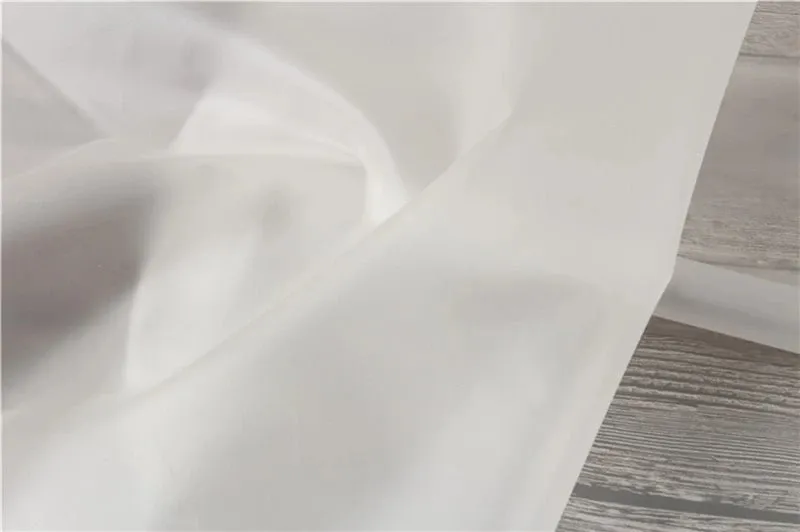
PEVA في الأساس بلاستيك، على الرغم من أن فيلم PEVA الرقيق يمكن أن يشعر ويتصرف كأنَّه قماش مرن.
في تطبيقات الأكياس، عادةً ما يتم تقديم PEVA في لفات من الفيلم اللين. اعتمادًا على سماكته وتركيبته، يمكن أن يكون:
- مطبوعًا
- مقطعًا
- مخيطًا
- مختومة بالحرارة
- مُلبدة بسطح آخر
- مطبوع بعد معالجة السطح المناسبة
لهذا السبب فإن مصطلحات مثل “قماش PEVA” أو “قماش PEVA” شائعة في أوصاف المنتجات التجارية. إنهم يصفون شكل المادة المرن، الشبيه بالقماش بدلاً من تصنيفها الكيميائي.
يوفر PEVA خصائص مفيدة عدة لتصميم المنتجات:
- الفيلم نفسه يقاوم اختراق الماء
- يمكن إنتاجه في تشطيبات شفافة أو م frosted أو غير لامعة أو ملونة أو بارزة
- إنه أخف من العديد من الأقمشة المطلية
- يمكن أن يوفر رؤية دون ترك المحتويات مكشوفة
- يمكن استخدامه بمفرده أو مقترنًا بنسيج غير منسوج، أو بوليستر، أو مواد أخرى
ومع ذلك، يجب ألا يتم التعامل مع فيلم PEVA وحقيبة PEVA جاهزة على أنها مضادة للماء بالتساوي بشكل تلقائي. فالمشبك، وثقوب الخياطة، والأختام الملتصقة بالحرارة، والربط، وطرق البناء كلها تؤثر على مقاومة الماء للمنتج النهائي.
How Is PEVA Material Manufactured?
يساعد فهم عملية الإنتاج المشترين في تقييم اتساق الفيلم، وأداء الطباعة، وقوة اللحامات، وقدرة المورد.
تحضير الراتنجات والإضافات
عادة ما يبدأ إنتاج فيلم PEVA بتركيبة مختارة من راتينج الإيثيلين-فينيل أسيتات المشترك. اعتمادًا على الأداء المطلوب، قد يتم دمج الراتينج مع:
- Pigments
- مثبتات UV
- مساعدات المعالجة
- إضافات مضادة للكهرباء الساكنة
- عوامل انزلاق
- إضافات خاصة بتطبيقات معينة
تؤثر التركيبة الدقيقة على الوضوح، والرائحة، والمرونة، وسلوك الشيخوخة، والتصاق الطباعة، والتكلفة.
لا تصنع مصانع الحقائب بالضرورة البوليمر أو تقوم بضغط الفيلم بأنفسها. كثير من الأحيان يشترون لفات PEVA جاهزة من موردي الأفلام المتخصصين ثم يتعاملون مع الطباعة، والقطع، والخياطة، والختم، والفحص، والتجميع.
لذا يجب على المشترين توضيح ما إذا كان المورد يتحكم في عملية بثق الفيلم داخل الشركة أو يعمل مع شريك مواد معتمد.
البثق والتقويم للفيلم
يتم تسخين الراتنج المُجهز وتشكيله في شكل فيلم مستمر. تختلف درجات حرارة المعالجة وإعدادات الآلات حسب درجة الراتنج والمعدات.
أثناء إنتاج الفيلم، يتحكم المصنع في:
- Thickness
- Width
- Transparency
- ملمس السطح
- اللون
- Flexibility
- اتساق اللفيفة
قد يتراوح PEVA المستخدم في الأكياس من فيلم رقيق اقتصادي إلى مادة أثقل بكثير. النطاق التجاري العام هو حوالي 0.06 ملم إلى 0.30 ملم, ، لكن السماكة المناسبة تعتمد على بنية المنتج والاستخدام المتوقع.
لا تحدد السماكة وحدها المتانة. صياغة المواد، وبناء السطح، وجودة السوستة، والتعزيز، وأبعاد المنتج لها أيضاً أهمية.
Post-Processing
اعتماداً على المنتج، قد يتلقى فيلم PEVA معالجة إضافية مثل:
- علاج كورونا لتحسين التصاق الحبر
- التقويم أو التجميد
- تغطية بمواد غير منسوجة أو ركيزة أخرى
- طباعة الشاشة أو زينة نقل الحرارة
- Die-cutting
- الخياطة
- ختم الحرارة
- عمليات لحام الخياطة المتوافقة الأخرى
ليس كل تركيبة PEVA تعمل بنفس الدرجة مع كل طريقة طباعة أو ختم. يجب اختبار طريقة الإنتاج على الفيلم المختار قبل التصنيع بالجملة.
Key Properties of PEVA Material
يوفر الجدول التالي نظرة عامة عملية. تختلف القيم الدقيقة حسب درجة الراتنج والمواد المضافة والسماكة وطريقة الاختبار، لذا يجب على المشترين طلب ورقة بيانات تقنية عندما تكون الأداء الرقمي مهمًا.
| Property | أداء PEVA النموذجي | Why It Matters |
|---|---|---|
| مقاومة الرطوبة | ممتازة على مستوى الفيلم | يساعد على حماية المحتويات من الرذاذ والرطوبة والغبار |
| Flexibility | عالية | مناسب للأغطية القابلة للطوي والأكياس والمنتجات المحمولة |
| Odor | عادة ما تكون منخفضة | مفيدة للتخزين الداخلي، والتغليف بالتجزئة، والمنتجات الشخصية |
| Transparency | Adjustable | متاحة بخيارات شفافة وشبه شفافة ومجمدة وملونة وغير شفافة |
| قوة الشد والتمزق | متوسطة وتعتمد على التركيبة | مناسبة للعديد من المنتجات ذات الوزن الخفيف والمتوسط |
| أداء درجات الحرارة المنخفضة | بشكل عام أفضل من المواد الفينيلية الصلبة | يقلل من مخاطر الهشاشة أثناء التخزين أو النقل في درجات الحرارة المنخفضة |
| مقاومة الحرارة | محدودة | يتطلب اختباراً للبيئات الحارة، التعقيم، أو الاتصال المباشر بالمحتويات الساخنة |
| ثبات الأشعة فوق البنفسجية | يعتمد على التركيبة | قد يتطلب الاستخدام الخارجي مثبتات واختبار الشيخوخة |
| الوزن | خفيف نسبياً | يمكن أن يقلل من وزن المنتج والشحن |
| Printability | جيد بعد المعالجة المناسبة | يدعم الشعارات، الأنماط، معلومات العناية، والعلامات التجارية |
يكون PEVA الأكثر فعالية عندما تتطابق خصائصه مع هيكل المنتج. قد يعمل الفيلم الرقيق بشكل جيد لتغطية الملابس الخفيفة ولكنه قد يتمزق بسهولة عند استخدامه لمحتويات حادة أو ثقيلة.
PEVA مقابل PVC: لماذا يقارن المشترون بينهما
غالبًا ما تتم مقارنة PEVA مع PVC لأن كلا المادتين يمكن إنتاجهما كأفلام ناعمة مقاومة للماء لحقائب، ستائر الاستحمام، التعبئة، وأغطية الحماية.
الفرق الكيميائي الأساسي هو الكلور.
يحتوي PVC على الكلور في هيكله البوليمري. قد يستخدم PVC المرن أيضًا المحسنات لتحقيق النعومة المطلوبة. لا يحتوي PEVA على الكلور بنفس الطريقة وعادةً ما يحصل على المرونة من هيكل البولي مزيج بدلاً من الحاجة إلى نفس نظام المحسنات.
هذا لا يعني أن كل منتج PVC غير آمن أو أن كل تركيبة PEVA مناسبة تلقائيًا لكل تطبيق. يعني أن PEVA يمكن أن يقلل من بعض الأمور المتعلقة بالمادة والامتثال المرتبطة بـ PVC المرن.
| Factor | PEVA | PVC |
|---|---|---|
| الكلور في البوليمر | No | Yes |
| Flexibility | الأمر متأصل في تركيبة البولي مزيج | غالبًا ما يتم ضبطه باستخدام المحسنات |
| Odor | عادة ما تكون منخفضة | قد يكون له رائحة أقوى اعتمادًا على التركيبة |
| Transparency | شفاف إلى معتم | شفاف إلى معتم |
| مقاومة الرطوبة | ممتاز على مستوى الفيلم | ممتاز على مستوى الفيلم |
| مقاومة الحرارة | محدودة | يعتمد على التركيبة |
| الوصول إلى إعادة التدوير | محدودة | محدد أيضًا في العديد من المواقع |
| Cost | غالبًا ما يكون أعلى قليلًا | غالبًا ما يكون أقل |
| تصور المشتري | يتم posicioned بشكل شائع كبديل منخفض الضرر | قد تواجه متطلبات أكثر صرامة من المشتري في التطبيقات الحساسة |
PEVA does not contribute chlorine from the polymer itself during disposal. However, the environmental impact of any product still depends on additives, manufacturing energy, service life, waste collection, and the broader waste stream.
For international orders, buyers should evaluate the exact formulation rather than relying only on the material name.
هل PEVA آمن؟ Toxicity and Health Considerations
The practical answer is:
PEVA is generally considered suitable for many everyday products, but safety must be evaluated according to the exact formulation and intended use.
لماذا تُعتبر PEVA غالبًا أكثر أمانًا من PVC
PEVA has several characteristics that make it attractive for household products, packaging, and bags:
- It does not contain chlorine in the same way as PVC.
- Phthalate plasticizers are generally not required to make it flexible.
- Properly formulated PEVA normally has a low odor.
- It may produce fewer odor and VOC concerns than some flexible PVC formulations.
- It is widely used in shower curtains, covers, pouches, and protective packaging.
ما الذي يجب أن يكون المشترون واقعيين بشأنه
PEVA should not automatically be described as completely non-toxic.
It is still a synthetic polymer, and commercial formulations may contain pigments, stabilizers, processing aids, and other additives. Their suitability depends on the application and target market.
Buyers should be especially careful when the product involves:
- Direct food contact
- Baby products
- Children’s products
- Medical use
- Repeated contact with skin or personal-care items
- High temperatures
- Restricted-substance requirements from a retailer or brand
PEVA is not automatically food-grade simply because the material is chlorine-free or low-odor. For direct food contact, the selected formulation and finished product must meet the relevant requirements for the intended conditions of use.
The U.S. FDA lists certain ethylene-vinyl acetate copolymers for specified food-packaging applications, but this does not mean that every commercial PEVA film automatically complies. Buyers must verify the exact resin, additives, migration requirements, and intended application.
هل PEVA صديقة للبيئة؟
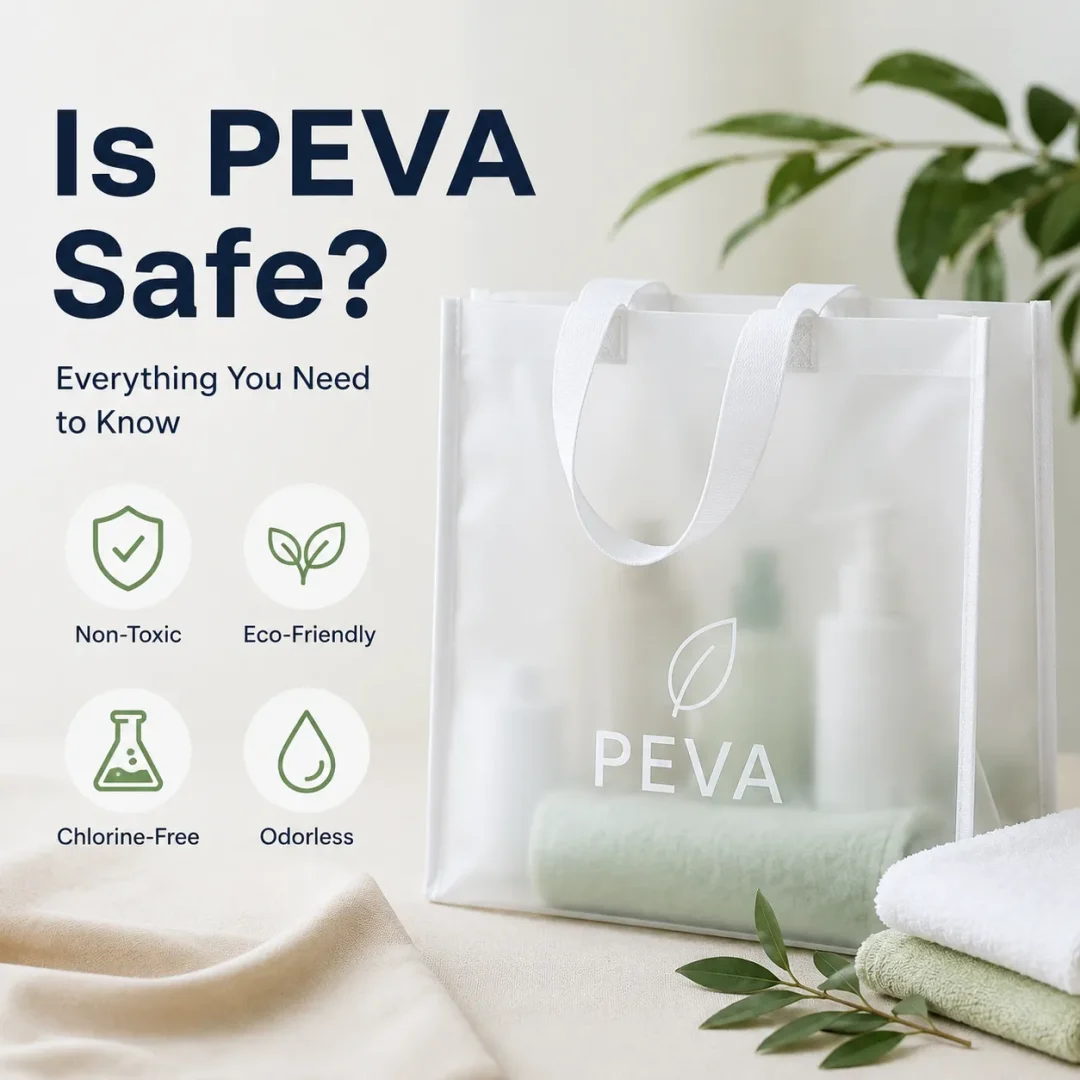
PEVA is often marketed as eco-friendly because it avoids chlorine and some of the additives associated with flexible PVC. A more accurate description is that PEVA can be a reduced-harm alternative to PVC, rather than a completely sustainable material.
| Sustainability Factor | PEVA Reality |
|---|---|
| Raw material source | Usually petroleum-derived |
| Chlorine content | Does not contain the chlorine found in PVC |
| Use-phase odor | Generally low |
| التحمل | Suitable for reusable products when properly specified |
| Biodegradability | Does not readily biodegrade under normal conditions |
| Recyclability | Technically possible for some formulations, but collection infrastructure is limited |
| End of life | Frequently disposed of through landfill or incineration |
| Overall position | An improvement for some applications, but not a complete solution to plastic waste |
A longer usable life may reduce replacement frequency, but reusability should be supported by appropriate thickness, seam strength, closures, and product design.
Brands should avoid claims such as:
- 100% eco-friendly
- Completely biodegradable
- Fully recyclable everywhere
- Chemical-free
- Completely non-toxic
More defensible descriptions include:
- Chlorine-free
- PVC-free, when verified
- Low-odor
- Reusable
- Reduced-harm alternative to PVC
- Tested to the buyer’s specified restricted-substance requirements
When renewable or recycled content is the main priority, materials such as recycled polyester, organic cotton, or hemp may be more suitable. However, they do not provide the same combination of transparency and moisture resistance unless coatings or laminations are added.
Applications of PEVA Material
PEVA is used across household, retail, packaging, travel, and storage products.
Garment Bags and Clothing Protection
PEVA garment bags can provide:
- Clear or frosted visibility
- Protection against dust and incidental moisture
- Lightweight construction
- Low bulk for shipping and storage
- Printable surfaces for branding and care information
For retail, dry-cleaning, uniforms, bridalwear, and wardrobe storage, the required film thickness should reflect the garment weight and expected number of uses.
Thin PEVA is suitable for light covers, while larger suit bags, wedding-gown bags, or reusable travel covers may need thicker film, reinforced handles, stronger zippers, or fabric panels.
ستائر الحمام ومنتجات الحمام
PEVA is commonly used for shower-curtain liners because it is flexible, water-resistant, easy to wipe clean, and normally lower in odor than many traditional vinyl curtains.
The humid environment makes formulation, seam quality, cleaning instructions, and mildew-control practices important.
Cosmetic and Travel Bags
Clear or frosted PEVA can be used for:
- Cosmetic zipper pouches
- Toiletry organizers
- Travel wash bags
- Gift sets
- Retail beauty packaging
- Small wet-item pouches
A clear material can help users identify contents, but airline or security compliance depends on the bag dimensions, capacity, and applicable travel rules—not on PEVA alone.
Promotional and Retail Packaging
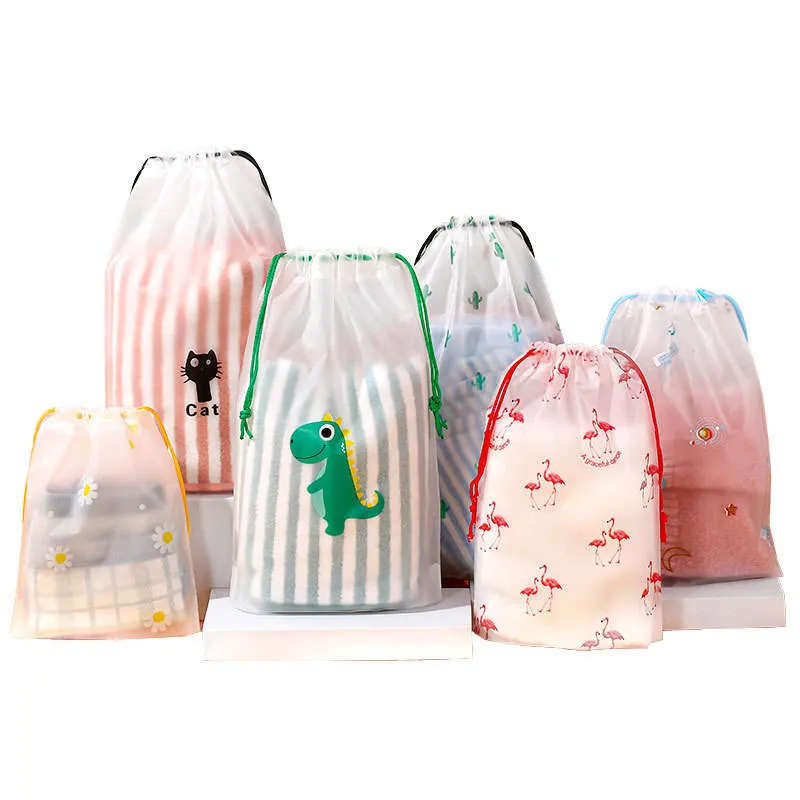
PEVA can be customized for:
- Gift-with-purchase pouches
- Product presentation bags
- Trade-show giveaways
- Branded storage organizers
- Reusable promotional packaging
- Clear retail packs
For printed packaging, ink adhesion should be tested on the selected surface treatment before mass production.
الأغطية الواقية والمنظمون

Other applications include:
- Table covers
- Furniture covers
- Mattress protectors
- Household storage bags
- Bedding organizers
- Dust covers
- Moisture-resistant packaging
For heavy or sharp contents, PEVA may need reinforcement, lamination, or an alternative material with better puncture resistance.
PEVA in Custom Manufacturing: What Buyers Need to Know
For custom PEVA products, quality depends on more than the material name.
خيارات التخصيص
Common options include:
- Thickness: approximately 0.06 mm to 0.30 mm for many bag applications
- الإنهاء: clear, frosted, matte, glossy, textured, or embossed
- اللون: transparent, translucent, opaque, or Pantone-matched where technically feasible
- الطباعة: screen printing, heat transfer, and other compatible methods
- Construction: sewn, bound, heat-sealed, laminated, or combined-material structures
- Closures: zippers, snaps, drawstrings, hook-and-loop tape, or sealed edges
- Reinforcement: webbing handles, fabric binding, reinforced corners, or additional panels
Thicker film generally costs more, but it does not automatically guarantee a stronger finished bag. Large dimensions, heavy contents, sharp objects, weak seams, and poorly attached handles can still cause failure.
الحد الأدنى من كميات الطلبات
For custom production, a common starting point is approximately 1,000 units per design, although the actual MOQ depends on:
- Film color
- Thickness
- Printing method
- Product dimensions
- نوع الإغلاق
- Whether custom tooling is required
- Whether stock film can be used
- Packaging requirements
Lower quantities may be possible with stock material and simple printing, but the unit price normally increases because setup, printing, cutting, and machine-adjustment costs are distributed across fewer pieces.
Quality Control Checklist
When evaluating a PEVA sample or production order, check:
- Material thickness
Measure several points rather than relying on one reading. - Thickness consistency
Confirm that the agreed tolerance is written into the specification. - Odor
A strong or unusual chemical odor may indicate formulation, storage, or processing issues. - Seam strength
Sewn and sealed seams should be tested according to the expected load and use. - Water resistance
Test the finished product, not only the raw film. Pay attention to zippers, stitching holes, corners, and bindings. - Puncture and tear resistance
Thin PEVA can be damaged by sharp contents or concentrated loads. - Print adhesion
Printed areas should be checked for scratching, peeling, blocking, and color transfer. - Clarity and surface consistency
Look for haze variation, wrinkles, black spots, uneven embossing, and roll marks. - Color consistency
Compare production against an approved sample or agreed tolerance. - Aging behavior
If the product will be stored for long periods or used outdoors, consider heat, UV, folding, and yellowing tests.
Target Markets and Compliance
Testing requirements should be defined according to the product category, target market, buyer requirements, and intended use.
Depending on the project, buyers may request:
- REACH restricted-substance screening for EU markets
- Applicable U.S. requirements for children’s products
- California Proposition 65 assessment
- Food-contact testing for the intended use
- Phthalate screening
- Heavy-metal testing
- Colorfastness and print-adhesion testing
- Retailer-specific restricted substance lists
- Material safety documentation
Compliance should not be assumed from a general statement such as “PEVA is safe.” The supplier should test the specified material and finished product against the standards required for that order.
Limitations of PEVA Material
PEVA is useful, but it is not suitable for every project.
Its main limitations include:
- It is not readily biodegradable under normal disposal conditions.
- Recycling access is limited in many markets.
- Thin films can be punctured by sharp objects.
- It is less suitable than canvas, nylon, or heavy coated textiles for demanding loads.
- Heat resistance is limited and formulation-dependent.
- Long-term UV exposure may cause discoloration or brittleness without suitable stabilization.
- Sewn PEVA products may allow water to enter through needle holes.
- Clear and glossy surfaces may show scratches, wrinkles, or handling marks.
- Raw-material costs may be affected by petrochemical price changes.
These limitations should be considered during material selection rather than after a sample has already been produced.
متى تختار PEVA - ومتى لا تختارها
PEVA هو خيار جيد عندما:
- Moisture and dust protection are important
- You need a clear or frosted product
- Low odor is important for indoor use
- The product must remain lightweight and foldable
- You need a chlorine-free alternative to PVC
- The expected load is light or moderate
- The design requires printing or product visibility
- Cost must remain below many premium TPU or coated-textile constructions
اعتبر مادة أخرى عندما:
- Heavy-duty load capacity is required
- The product will contain sharp tools or components
- High-temperature exposure is expected
- Outdoor UV exposure will be prolonged
- Natural, biodegradable, or recycled content is the primary brand requirement
- Direct food contact is required without a verified compliant formulation
- A premium textile appearance is more important than transparency
- The bag must remain waterproof at heavily stitched seams
Possible alternatives include TPU, coated polyester, nylon, canvas, RPET, non-woven fabric, or laminated textiles, depending on the performance requirements.
Frequently Asked Questions
مما يتكون مادة PEVA?
PEVA is generally a copolymer of ethylene and vinyl acetate. Commercial film may also contain pigments, stabilizers, processing aids, and other additives selected for the intended application.
هل PEVA بلاستيك أم قماش?
Chemically, PEVA is a plastic. When manufactured as a thin, flexible film, it can feel and behave like fabric, which is why it is sometimes sold as “PEVA fabric.”
Is PEVA safe for everyday use?
Properly formulated PEVA is commonly used for garment bags, shower curtains, storage covers, cosmetic pouches, and packaging. Sensitive applications still require verification of the exact formulation and applicable test requirements.
هل PEVA غير سامة?
It is more accurate to describe PEVA as chlorine-free and generally low-odor rather than universally “non-toxic.” Finished formulations can contain additives, so safety claims should be supported by appropriate testing.
Is PEVA waterproof?
The PEVA film itself provides excellent resistance to water penetration. However, the finished bag may not be fully waterproof if it has sewn seams, needle holes, non-waterproof zippers, bindings, or unsealed openings.
Is PEVA better than PVC?
PEVA is often preferred when buyers want a chlorine-free, lower-odor material that does not normally require phthalate plasticizers for flexibility. PVC may still offer advantages in cost, clarity, or certain performance requirements. The better material depends on the application and compliance needs.
Can PEVA be recycled?
Some PEVA formulations are technically recyclable, but they are not widely accepted by municipal recycling systems. Local collection and processing availability should be verified before making recyclability claims.
هل PEVA قابلة للتحلل?
PEVA does not readily biodegrade under normal environmental or composting conditions.
هل PEVA آمنة للطعام?
Not automatically. Food-contact suitability depends on the resin, additives, finished construction, type of food, contact time, temperature, and applicable regulations. Buyers should specify food-contact requirements before material selection.
كم مدة بقاء منتج PEVA?
There is no universal service-life figure. Durability depends on film thickness, formulation, seam construction, folding frequency, load, heat, UV exposure, cleaning method, and storage conditions.
Conclusion
PEVA is a practical material for products that require flexibility, low odor, transparency, and moisture resistance. It is widely used for garment bags, cosmetic pouches, shower curtains, protective covers, storage organizers, and promotional packaging.
Its main advantage over PVC is not that it is perfectly sustainable or completely risk-free. Rather, it provides a chlorine-free, generally low-odor option that can reduce some of the material concerns associated with flexible PVC.
For buyers, the material name is only the starting point. A successful PEVA product also depends on:
- The selected film grade and thickness
- Additive and testing requirements
- Printing compatibility
- Seam and zipper construction
- Expected load and service environment
- Target-market compliance
- Finished-product quality control
Before confirming bulk production, buyers should approve the actual film, construction sample, printed result, and required test standards. This provides a more reliable basis for sourcing than general claims such as “eco-friendly,” “non-toxic,” or “fully waterproof.”
المراجع التقنية
- PubChem: Poly(ethylene-co-vinyl acetate)
- U.S. FDA Food Contact Substances Inventory
- U.S. FDA: Packaging Materials Listed in 21 CFR 179.45
Material formulations and regulatory requirements vary by product and market. Technical data and compliance documentation should be verified for each specific order.
 Arabic
 English
 French
 German
 Japanese
 Thai
 Vietnamese
 Russian
 Spanish
 Portuguese