
Beach trips typically require carrying numerous items to ensure comfort, safety, and enjoyment throughout the day. From sun protection essentials to entertainment options, the variety of potentially useful beach items can quickly become overwhelming without proper planning and organization.
Forgetting important items can significantly impact beach experience quality, leading to discomfort, safety concerns, or missed opportunities for activities. Common oversights include adequate sun protection, sufficient hydration, or entertainment for extended beach stays, all of which are easily preventable with systematic packing approaches.
This comprehensive guide provides complete beach bag packing checklists and scenario-specific packing recommendations to ensure you’re properly prepared for various types of beach visits, from quick solo trips to extended family outings and specialized activities like beach picnics.
Quick Beach Bag Packing Checklist
This essential checklist covers the fundamental items needed for most beach visits, serving as a foundation that can be expanded based on specific activities and group requirements.
| หมวดหมู่ | Essential Items | Priority Level | Average Weight |
|---|---|---|---|
| Sun Protection | Sunscreen, sunglasses, hat | Critical | 0.5-1 lbs |
| Beach Gear | Towel, flip-flops, swimsuit | Essential | 2-3 lbs |
| Food & Drinks | Water bottle, snacks | High | 1-3 lbs |
| Personal Items | Phone, wallet, keys | Essential | 0.5 lbs |
| Entertainment | Book, beach games, music | กลาง | 1-2 lbs |
The following sections will explore each category in detail, providing specific recommendations and considerations for different beach scenarios and group compositions.
Beach Essentials You Should Always Pack
These fundamental items form the core of any beach bag, regardless of trip duration, group size, or specific activities planned. These essentials address basic comfort, safety, and functionality requirements for beach environments.
ผ้าขนหนูชายหาด
Beach towels serve dual purposes: drying off after swimming and creating comfortable seating or lying areas on sand. Quality beach towels should be larger than regular bath towels, typically measuring 30×60 inches or larger to provide adequate coverage and comfort.
Quick-dry microfiber towels offer advantages for beach use, including faster drying times, reduced weight when wet, and compact packing when stored. Traditional cotton towels provide superior absorbency and comfort but require longer drying periods and occupy more bag space.
| Towel Type | ข้อดี | Considerations | ดีที่สุดสำหรับ |
|---|---|---|---|
| Cotton Beach Towels | High absorbency, soft comfort | Heavy when wet, slow drying | Local beach visits |
| Microfiber Towels | Quick-dry, lightweight, compact | Less absorbent initially | Travel and hiking |
| Turkish Cotton | Premium comfort, durability | Higher cost, heavier weight | Luxury beach experiences |
| Bamboo Blend | Eco-friendly, antimicrobial | Limited availability, higher cost | Sustainable preferences |
กันแดด
Sunscreen represents the most critical health protection item for beach visits, preventing painful sunburns and reducing long-term skin damage risks. Broad-spectrum sunscreen with SPF 30 or higher provides adequate protection for most beach conditions and skin types.
Water-resistant formulations maintain effectiveness during swimming and sweating, though reapplication every two hours remains essential regardless of product claims. Physical sunscreens containing zinc oxide or titanium dioxide offer immediate protection and work well for sensitive skin types.
Consider packing multiple sunscreen products: face-specific formulations for facial application and body sunscreens for larger areas. Lip balm with SPF protection prevents overlooked but painful lip sunburns common in beach environments.
แว่นกันแดด
Quality sunglasses protect eyes from intense UV radiation reflected by sand and water, reducing glare and preventing long-term eye damage. Beach environments amplify UV exposure through reflection, making eye protection particularly important near water and sand.
Wraparound styles provide superior protection by blocking UV rays from multiple angles, while polarized lenses reduce glare from water surfaces and enhance visual comfort during water activities and beach sports.
Secure retention systems like straps or floating attachments prevent loss during active beach activities and water sports, protecting both your investment and continued eye protection throughout the beach visit.
Hat or Cap
Head coverage provides additional sun protection for face, neck, and ears while helping regulate body temperature in hot beach conditions. Wide-brimmed hats offer superior protection compared to baseball caps, shading larger areas including shoulders.
Packable hat designs compress for efficient packing while maintaining shape when worn. Materials should balance sun protection with breathability to prevent overheating during extended wear in hot beach conditions.
Consider chin straps or clips for windy beach conditions, as losing a hat to beach winds creates both inconvenience and reduced sun protection for the remainder of your beach visit.
Clothing and Personal Items
Swimsuit
Swimwear selection impacts comfort and functionality throughout beach visits. Consider packing a spare swimsuit for extended beach days, allowing one to dry while wearing the other, which prevents prolonged discomfort from wet swimwear.
Quick-dry fabrics reduce drying time and improve comfort when transitioning between swimming and other beach activities. UV-protective swimwear offers additional sun protection for extended water exposure or sensitive skin types.
Proper fit ensures security during active swimming and water sports while providing comfort for extended wear during beach activities and relaxation periods.
รองเท้าแตะหรือแซนดัล
Beach-appropriate footwear protects feet from hot sand, sharp objects, and rough surfaces while providing easy removal for water entry and sand play. Flip-flops offer simplicity and drainage, while sport sandals provide enhanced foot support and security.
Water-friendly materials resist salt water damage and dry quickly after water exposure. Textured soles improve traction on wet surfaces around pools, docks, and shower areas common in beach environments.
Consider backup footwear for family groups, as lost or damaged beach shoes can significantly impact comfort and mobility for the remainder of the beach visit.
Extra Clothing
Dry clothing for post-swimming comfort and sunset temperature changes enhances beach experience quality. Lightweight cover-ups provide sun protection and modesty when transitioning between beach and other areas.
| Clothing Item | Purpose | Material Recommendations |
|---|---|---|
| Dry T-Shirt | Post-swim comfort and sun protection | Cotton blend or moisture-wicking synthetics |
| Shorts or Sarong | Lower body coverage and style | Quick-dry fabrics, lightweight materials |
| Light Jacket | Evening temperature changes | Wind-resistant, packable designs |
| Underwear | Comfort after removing wet swimwear | Quick-dry, antimicrobial treatments |
Waterproof Phone Pouch
Electronic device protection prevents costly damage from water, sand, and saltwater exposure while maintaining device functionality for communication, photography, and emergency situations during beach visits.
Quality waterproof pouches maintain touchscreen functionality while providing complete submersion protection, allowing underwater photography and worry-free water activities without sacrificing device access.
Consider pouches with neck straps or attachment points to prevent loss during active swimming and water sports, ensuring device security while maintaining hands-free mobility in water environments.
Food and Drinks for a Beach Trip
Extended beach stays require adequate nutrition and hydration to maintain energy levels and prevent dehydration in hot, sunny conditions. Planning appropriate food and beverages prevents expensive beachside purchases while ensuring dietary preferences and restrictions are accommodated.
Water Bottle
Hydration represents a critical health consideration for beach activities, as sun exposure, physical activity, and saltwater environment increase fluid loss rates. Reusable water bottles provide environmental benefits while ensuring adequate hydration capacity for extended beach visits.
Insulated bottles maintain cool water temperatures in hot beach conditions, enhancing hydration appeal and effectiveness. Large-capacity bottles reduce refill frequency but increase carrying weight, requiring balance based on group size and trip duration.
Consider electrolyte supplements for extended beach activities, active water sports, or hot weather conditions where sweating increases mineral loss beyond what plain water can replace effectively.
Snacks
Beach-appropriate snacks provide energy maintenance without refrigeration requirements or messy preparation. Portable options that travel well in beach bag conditions prevent hunger-related discomfort and maintain activity energy throughout beach visits.
Fruits: Fresh options like grapes, berries, and pre-cut melons provide hydration and natural sugars. Citrus fruits offer vitamin C but may increase sun sensitivity. Bananas provide potassium for muscle function during physical activities.
Sandwiches: Protein-based options maintain energy for extended periods. Avoid mayonnaise-based spreads in warm conditions. Hard cheeses, peanut butter, and lean meats travel safely without refrigeration for moderate periods.
Granola bars: Packaged options resist heat and provide sustained energy. Look for varieties with nuts and dried fruits for balanced nutrition and satisfying texture that appeals during beach activities.
กระเป๋าเย็นชายหาด
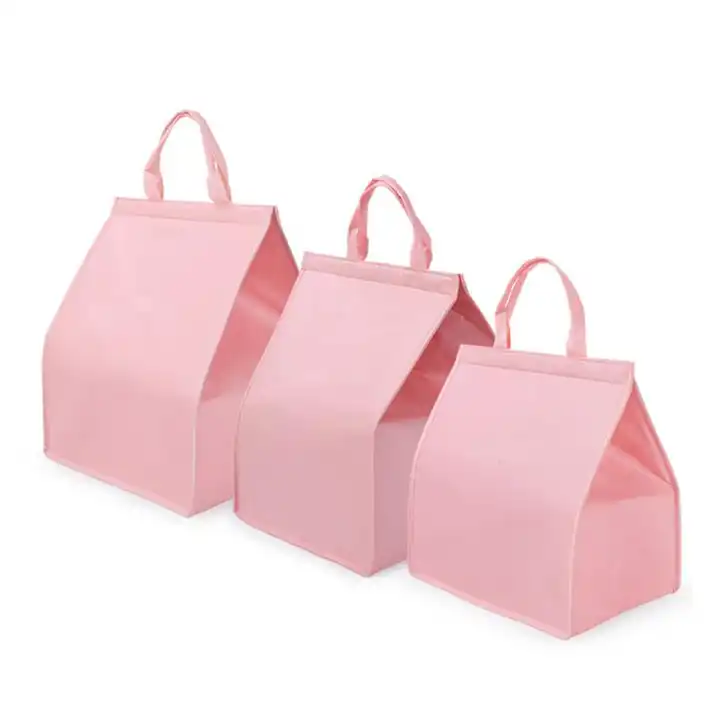
Insulated storage maintains food safety and beverage temperature during warm beach conditions, particularly important for family groups and extended beach visits where food spoilage risks increase significantly without temperature control.
Cooler bags with ice packs maintain safe food temperatures for 6-12 hours depending on external conditions and bag quality, providing adequate protection for day-long beach visits without requiring additional ice purchases.
Consider sized appropriate to group needs, as oversized coolers become heavy and cumbersome while undersized options limit food variety and quantity for longer beach experiences or larger groups.
Entertainment and Activities
Books or Magazines
Reading materials provide relaxing entertainment during beach downtime and rest periods between more active pursuits. Lightweight paperbacks or magazines resist wind better than hardcover books while providing engaging content for various interest levels.
E-readers offer vast selection in compact form but require protection from sand, water, and sun glare. Screen protectors and waterproof cases maintain device functionality in challenging beach environments while preserving access to extensive digital libraries.
Consider shared reading materials for families or groups, including puzzle books, activity magazines, or discussion-worthy books that can engage multiple people during beach relaxation periods.
Beach Games
Active games encourage physical activity and social interaction while taking advantage of the open space and unique environment that beaches provide for recreational activities.
| Game Type | Equipment Needed | Players | Space Requirements |
|---|---|---|---|
| Beach Ball | Inflatable ball | 2-10 | Small to medium area |
| Frisbee | Flying disc | 2-8 | Large open area |
| Volleyball | Ball and portable net | 4-12 | Large rectangular area |
| Paddle Ball | Paddles and ball | 2-4 | Medium area |
| Cornhole | Boards and bean bags | 2-4 | Medium linear space |
Beach ball: Lightweight, inflatable design makes transport easy while providing versatile entertainment for various age groups. Games range from simple catch to organized volleyball-style activities.
Frisbee: Compact storage with engaging gameplay that encourages running and catching activities. Ultimate frisbee adaptations work well for larger groups seeking organized competition.
Beach Toys for Kids
Children’s entertainment requires age-appropriate options that engage creativity and physical development while remaining safe in sand and water environments. Durable construction resists beach conditions while maintaining safety standards.
Sand toys including buckets, shovels, and molds encourage creative construction activities that can occupy children for extended periods. Look for toys without small parts that could be lost in sand or pose choking hazards.
Water toys like flotation devices, diving toys, and water squirters enhance swimming enjoyment while building water confidence. Ensure all flotation devices meet safety standards and provide appropriate supervision regardless of toy capabilities.
Beach Bag Packing Guide by Trip Type
Different beach visit scenarios require customized packing approaches to optimize comfort, convenience, and enjoyment while avoiding unnecessary weight and bulk for specific activity types and group compositions.
Packing for a Solo Beach Trip
Solo beach visits prioritize personal comfort and convenience with minimal weight and bulk, focusing on essentials that enhance relaxation and safety without group accommodation requirements.
| Item Category | Specific Items | Rationale |
|---|---|---|
| Personal Care | Small towel, sunscreen, sunglasses | Individual protection and comfort |
| Hydration | Single water bottle, light snacks | Personal hydration and energy needs |
| Entertainment | Book or headphones, phone | Individual relaxation and communication |
| Safety | Waterproof pouch, basic first aid | Device protection and minor injury care |
Recommended bag type: Medium-size beach bags provide adequate capacity without excessive bulk for solo travelers. Mesh or canvas construction works well depending on primary activities and drainage needs.
Weight considerations: Solo travelers manage all carrying responsibilities, making weight minimization important for extended beach walks and public transportation use. Prioritize multi-purpose items when possible.
Packing for a Family Beach Trip
Family beach outings require substantial gear coordination to meet diverse age group needs while maintaining organization and ensuring no family member lacks essential items for comfort and safety.
Multiple towels: Each family member needs individual towels, plus extras for spills and extended drying needs. Quick-dry options reduce weight when packing wet items for departure.
Sunscreen for everyone: Different family members may require different SPF levels or formulations based on age and skin sensitivity. Consider separate face and body products for optimal protection.
Snacks and drinks: Family appetites require substantial food planning with variety to accommodate different preferences and dietary restrictions within the group.
Kids’ beach toys: Age-appropriate entertainment prevents boredom and meltdowns while encouraging active play and creativity in the beach environment.
Extra clothes: Children particularly benefit from dry clothing changes, and spares prevent trip-ending wardrobe malfunctions that could affect entire family enjoyment.
Recommended bag type: Large beach bags or beach cooler bags accommodate family volumes while providing organization and temperature control for perishable items essential for group trips.
Packing for a Beach Picnic
Beach picnics combine meal planning with beach recreation, requiring food safety considerations and expanded equipment lists to support comfortable outdoor dining experiences.
| Picnic Essential | Purpose | Beach-Specific Considerations |
|---|---|---|
| Sandwiches | Main meal component | Avoid mayo in warm conditions |
| Fresh Fruits | Healthy snacks and hydration | Pre-cut to avoid sandy preparation |
| Cold Drinks | Temperature regulation and enjoyment | Require insulated storage |
| Reusable Plates | Environmentally responsible serving | Wind-resistant materials preferred |
| Napkins/Wipes | Cleanliness and spill management | Extra quantities for sandy conditions |
| Trash Bags | Environmental responsibility | Secure against wind dispersal |
Recommended bag type: Cooler beach bags provide essential temperature control for food safety while accommodating the expanded equipment list required for successful beach dining experiences.
Food safety priorities: Beach environments challenge food safety through temperature exposure and limited washing facilities, making careful food selection and temperature control essential for health and enjoyment.
Optional Beach Accessories
These supplementary items enhance beach experience quality and comfort without being strictly necessary for basic beach enjoyment. Consider adding these accessories based on available space, budget, and specific activity preferences.
| รายการ | Benefit | น้ำหนัก | Cost Range |
|---|---|---|---|
| Beach Umbrella | Extended shade and sun protection | 3-8 lbs | $25-80 |
| Portable Speaker | Music entertainment for groups | 1-3 lbs | $30-150 |
| Beach Mat | Comfortable ground coverage | 2-4 lbs | $20-60 |
| Reusable Water Bottle | Environmental responsibility | 0.5-1 lb | $15-40 |
| Beach Cart | Easy transport of heavy gear | 8-15 lbs | $50-200 |
How to Organize Your Beach Bag
Effective beach bag organization improves access efficiency, protects valuable items, and ensures nothing is forgotten during packing or departure from beach locations.
Use Separate Compartments
Compartmentalization prevents item mixing that could cause damage, contamination, or difficulty locating specific items during beach activities. Wet swimwear separated from electronics prevents water damage, while sandy toys isolated from food maintain hygiene.
Utilize built-in bag compartments or add organizational accessories like packing cubes, mesh pouches, and waterproof cases to create functional separation within single-compartment bags.
Designate specific compartments for categories: electronics and valuables in waterproof sections, wet items in ventilated areas, and frequently accessed items in easily reachable locations.
Pack Heavy Items at the Bottom
Bottom-heavy packing creates stability and comfortable carrying by positioning the load’s center of gravity appropriately. Water bottles, sunscreen bottles, and substantial food items work well as bottom-layer items.
This organization prevents crushing of fragile items like snacks, reading materials, or delicate clothing while maintaining bag shape and reducing shift during transport that could cause discomfort or imbalance.
Consider the bag’s intended carrying position when organizing weight distribution, as shoulder bags benefit from different weight placement than backpack-style beach bags.
Use Waterproof Pouches for Electronics
Electronic device protection requires complete isolation from moisture, sand, and salt exposure that can cause immediate or gradual damage to sensitive components and circuits.
Multiple pouch sizes accommodate different devices while maintaining individual protection. Phone pouches, camera cases, and tablet protectors provide size-appropriate protection without unnecessary bulk.
Test waterproof pouches before beach visits by submerging empty pouches to verify seal integrity and functionality, preventing disappointing protection failures when devices are at risk.
Choosing the Right Beach Bag
Beach bag selection significantly impacts packing efficiency, carrying comfort, and item protection throughout beach visits. Different bag types excel in specific scenarios and activity types.
Mesh beach bags: Excel in sand management and drainage but provide minimal item protection. Ideal for toys, towels, and items that benefit from air circulation and quick drying capabilities.
Canvas beach bags: Offer superior strength for heavy loads and durability for frequent use. Best suited for equipment transport, family outings, and situations where bag longevity and capacity matter more than specialized features.
Beach cooler bags: Provide temperature control essential for food safety and beverage enjoyment during extended beach visits, picnics, and warm weather conditions where unrefrigerated items would spoil or become unpalatable.
Consider your primary beach activities, typical group size, and most common beach conditions when selecting bag types. Multi-bag systems work well for families or groups with diverse needs requiring different bag characteristics.
คำถามที่พบบ่อย
What should you always bring to the beach?
Essential beach items include sunscreen (SPF 30+), water for hydration, towels, sunglasses, and appropriate swimwear. These basics address fundamental safety, comfort, and functionality needs regardless of specific beach activities or trip duration.
What food should you bring to the beach?
Beach foods should be non-perishable or properly cooled, easy to eat without utensils, and resistant to sand contamination. Good options include sandwiches with stable fillings, fresh fruits, granola bars, crackers, and plenty of water. Avoid mayonnaise-based foods in warm conditions.
How big should a beach bag be?
Beach bag size depends on group size and activities. Solo trips typically need 15-25 liter capacity, couples require 25-35 liters, families need 40+ liters. Choose based on your largest anticipated outing, as oversized bags can always carry less while undersized bags limit options.
Are cooler bags good for beach trips?
Cooler bags excel for beach trips involving food, extended stays, or warm weather conditions. They maintain safe food temperatures for 6-12 hours and keep beverages refreshing, making them particularly valuable for family outings, picnics, and all-day beach visits.
How do you keep items dry at the beach?
Use waterproof pouches for electronics, pack dry clothes in sealed bags, and separate wet items from dry ones using different compartments. Consider bringing extra plastic bags for wet swimwear and towels during departure to protect other items
 Thai
 English
 French
 German
 Japanese
 Arabic
 Vietnamese
 Russian
 Spanish
 Portuguese