
First, for a quick answer, this is the short answer
‘Wear-resistant and anti-static, jute fabric is a kind of fabric made from jute plant fiber, which is wear-resistant and dirt-resistant. Tote bags made from jute are simple, stylish and very durable. Jute fabric material is widely used to make handbags. It is a very popular decorative design and it is a favorite decoration at weddings.
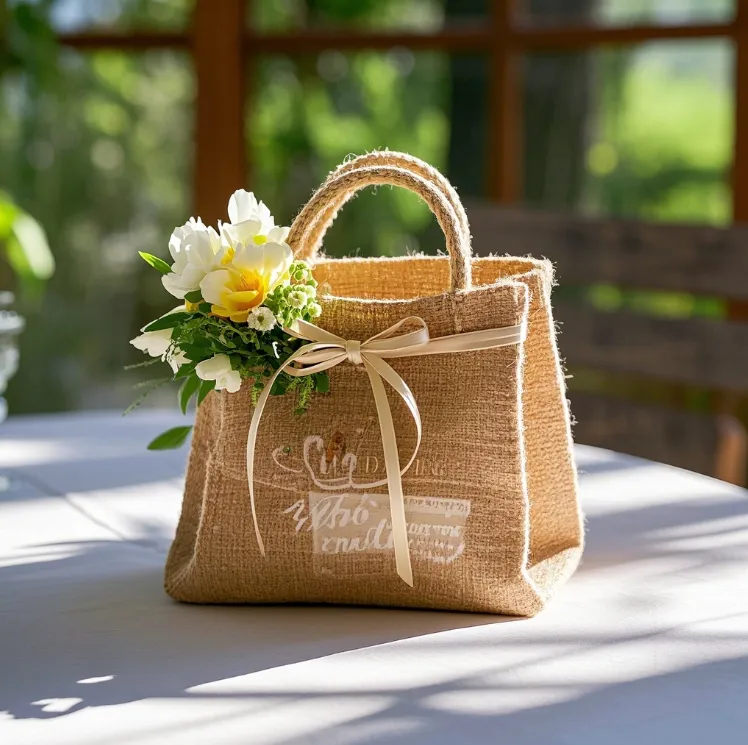
Next, if you are interested, you can learn more about jute bags in further detail. In recent years, handbags made of jute have been widely used, and in the wave of environmental protection sweeping the world today, jute bags have gradually become the mainstream alternative to plastic bags by virtue of their unique natural attributes and the concept of sustainability. It is not only a practical daily tool, but also a symbol of environmental protection lifestyle. This paper will be from the raw material properties of jute, historical applications, production processes, to the fashion of jute bags and environmental value, systematic elaboration of the core connotation of this green product.
1. The Raw Material: The Unique Properties of Jute Fiber
Jute bags are crafted from natural jute fiber, derived from the stems of the jute plant (Corchorus). Thriving in tropical regions like India, Bangladesh, and China, jute is nicknamed the “Golden Fiber” for its versatility and eco-friendly attributes.
Physical Characteristics of Jute Fiber
Strength & Durability: Jute fibers are robust and flexible, capable of bearing heavy loads without tearing.
Breathability: The porous structure allows air circulation, preventing moisture buildup and mold.
Texture: Naturally coarse yet lightweight, jute fabric offers a rustic aesthetic ideal for eco-conscious designs.
Environmental Advantages
Biodegradability: Jute decomposes naturally within 1–2 years, leaving no toxic residues.
Low Resource Demand: Jute requires minimal water (1/20th of cotton’s needs) and thrives without synthetic pesticides.
Carbon Sequestration: A hectare of jute plants absorbs ~15 tons of CO₂ during growth, outperforming many trees.
Soil Health: Jute cultivation enriches soil fertility through crop rotation, promoting sustainable farming.
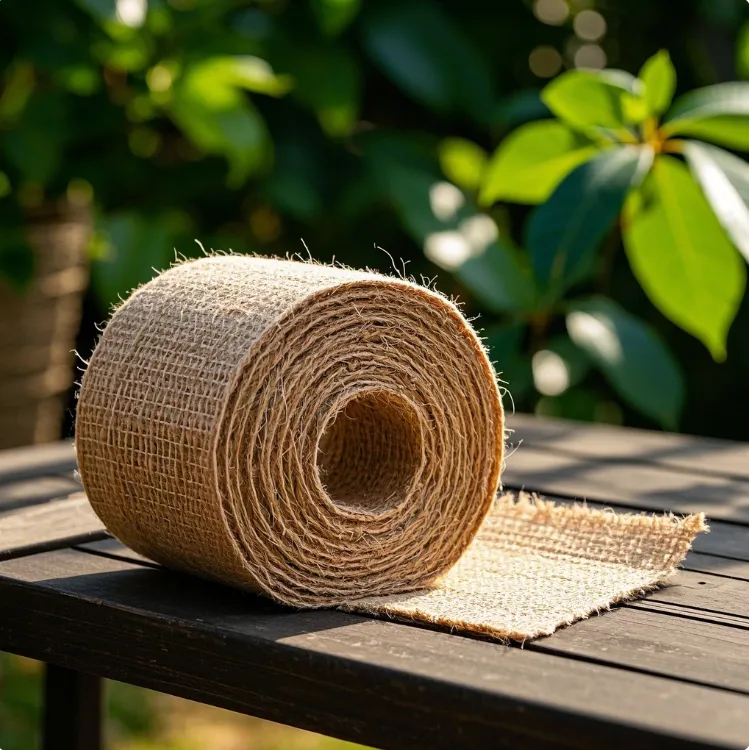
2. Historical Legacy: Jute’s Journey Through Time
Jute’s history spans millennia, evolving from ancient utility to modern innovation.
Ancient Applications
Early Uses: In Mughal-era India, jute was woven into clothing, ropes, and sacks. Chinese artisans during the Western Han Dynasty (206 BCE–9 CE) used jute fibers for papermaking, as evidenced by fragments found in Dunhuang.
Trade & Agriculture: Jute sacks became indispensable for transporting grains, spices, and tea across Asia due to their durability and breathability.In Southeast Asian countries such as Thailand and Viet Nam, jute fibers are widely used by fishermen to weave fishing nets because of their resistance to corrosion and salt water. These nets are not only durable, but can also be used for long periods of time in humid environments, making them an important production tool for coastal communities.
Industrial Revolution & Global Expansion
The 19th century saw jute rise as a global commodity. British colonizers established jute mills in Bengal, turning the region into a hub for burlap (coarse jute fabric) production. By the 20th century, Bangladesh’s jute industry earned it the moniker “Golden Bengal.”
Modern Reinvention
Today, jute transcends its industrial roots. Designers blend jute with cotton or linen to create chic fabrics, transforming it into stylish bags, home décor, and even haute couture.
3. From Plant to Product: The Making of a Jute Bag
Jute bag production combines traditional techniques with modern technology:
Step 1: Cultivation & Harvesting
Jute plants mature in 4–6 months. Farmers cut stems close to the ground, ensuring long, intact fibers.
Step 2: Retting
Stems are submerged in water (rivers or ponds) for 2–3 weeks. Microbial activity breaks down pectin, loosening fibers from the woody core.
Step 3: Fiber Extraction & Spinning
Workers strip fibers by hand, wash them, and sun-dry. Fibers are then spun into yarn using manual or mechanical spinners.
Step 4: Weaving & Stitching
Yarn is woven into burlap fabric on looms. The fabric is cut and stitched into bags, with handles reinforced for durability.
Step 5: Customization
ถุงผ้ากัญชาเป็นผลิตภัณฑ์ที่ปรับแต่งได้ผ่านการพิมพ์สกรีน การ刺 embroidery หรือการถ่ายโอนความร้อน แบรนด์ต่าง ๆ มักเพิ่มโลโก้ สโลแกนเพื่อสิ่งแวดล้อม หรือแพทเทิร์นศิลปะเพื่อให้สอดคล้องกับเป้าหมายทางการตลาด.
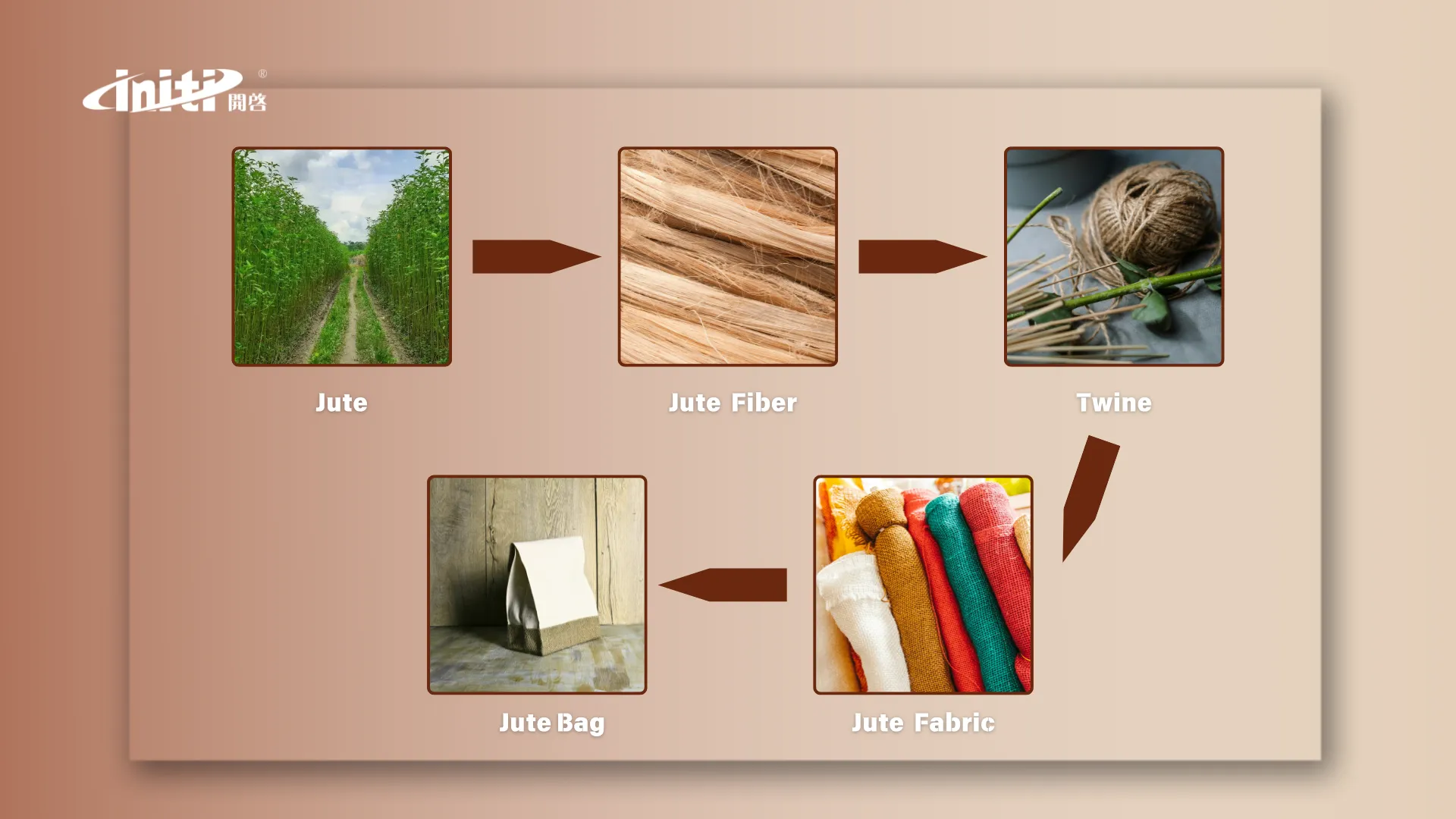
แผนผังการผลิตที่เรียบง่าย
4. ถุงผ้ากัญชาในแฟชั่น: ที่ซึ่งความยั่งยืนพบกับสไตล์
ถุงผ้ากัญชาได้เปลี่ยนจากกระสอบใช้งานมาเป็นเครื่องประดับที่ทันสมัย ขับเคลื่อนโดยการตระหนักถึงสิ่งแวดล้อมและนวัตกรรมการออกแบบ.
การเกิดขึ้นของความทันสมัยเพื่อสิ่งแวดล้อม
ความสวยงามแบบมินิมอล: โทนสีที่เป็นกลางและเนื้อสัมผัสที่ดิบตกอยู่ภายใต้ “น้อยคือมาก” ปรัชญา ซึ่งดึงดูดคนรุ่นใหม่ในเมือง.
ความหลากหลาย: ตั้งแต่การช Einkaufen ซื้อของไปจนถึงการพักผ่อนที่ชายหาด ถุงผ้ากัญชาสามารถใช้ได้ในรูปแบบที่ไม่เป็นทางการและกึ่งเป็นทางการ.
การสนับสนุนจากเซเลบริตี้และแบรนด์
แบรนด์ระดับโลกอย่าง H&M และ ZARA มีถุงผ้ากัญชาในคอลเลกชันที่ยั่งยืน ดีไซเนอร์หรูหราทดลองใช้วัสดุผ้ากัญชาผสมหนัง โดยพิสูจน์ว่าวัสดุที่เป็นมิตรกับสิ่งแวดล้อมสามารถสวยงามได้.
ผลกระทบทางวัฒนธรรม
การแต่งงานและกิจกรรม: ถุงของขวัญผ้ากัญชาเพิ่มเสน่ห์แบบชนบทในงานแต่งงาน ในขณะที่การประชุมใช้พวกมันเป็นของฝากที่คำนึงถึงสิ่งแวดล้อม.
ความน่าสนใจแบบช่างฝีมือ: ถุงผ้ากัญชาที่ทำด้วยมือสนับสนุนช่างฝีมือในชนบท ซึ่งรวมเอาจริยธรรมเข้ากับความสวยงาม.
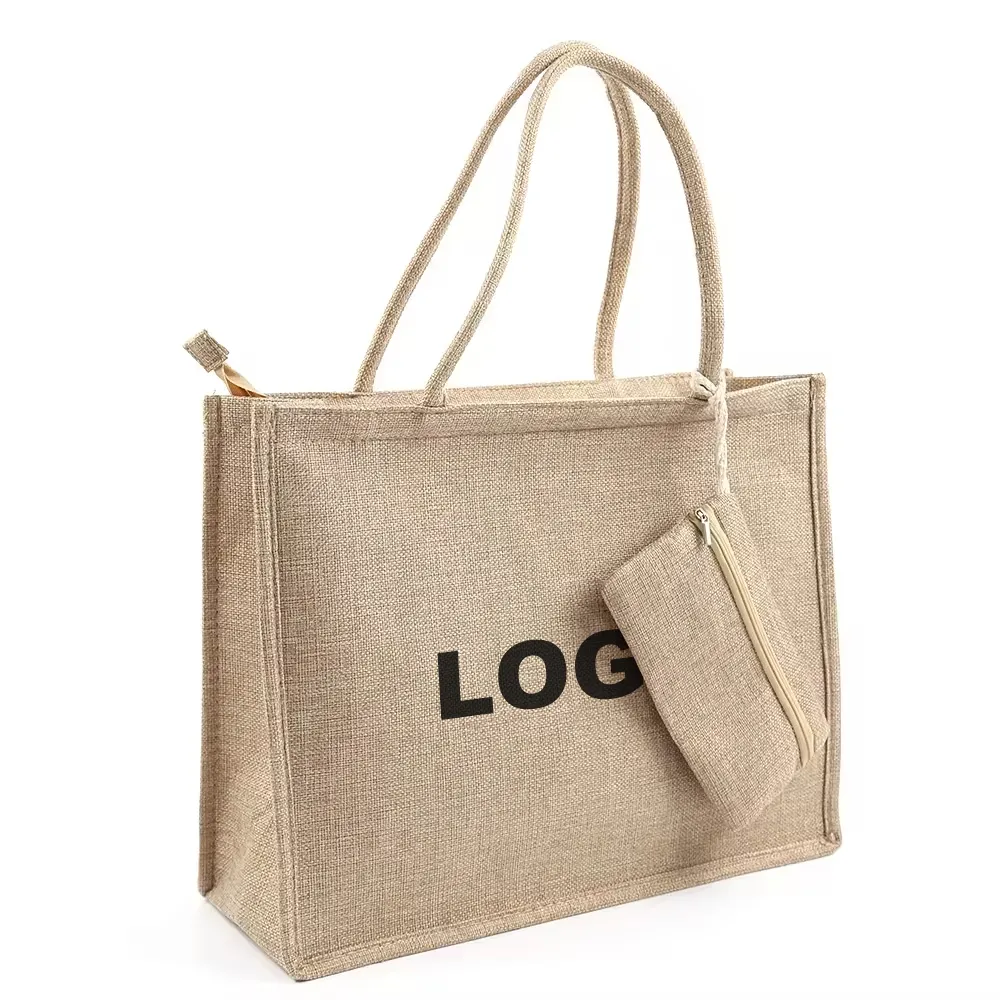
5. ผลกระทบด้านสิ่งแวดล้อมและสังคม: ทำไมถุงผ้ากัญชาจึงมีความสำคัญ
การเลือกถุงผ้ากัญชาเป็นก้าวไปสู่โลกที่เขียวกว่าและสังคมที่เท่าเทียมกัน.
การต่อสู้กับมลพิษพลาสติก
พลาสติกมากกว่า 300 ล้านตันถูกสร้างขึ้นในแต่ละปี ถุงผ้ากัญชาเพียงใบเดียวสามารถแทนที่ถุงพลาสติกใช้แล้วที่ใช้ทิ้งได้หลายร้อยใบ ซึ่งช่วยลดมลพิษในที่ทิ้งขยะและมหาสมุทร.
การสนับสนุนชุมชน
เส้นทางเศรษฐกิจ: การเก็บเกี่ยวและการแปรรูปผ้ากัญชาจ้างงานล้านคนในประเทศกำลังพัฒนา ในบังกลาเทศเพียงแห่งเดียว เกษตรกร 20 ล้านคนพึ่งพาผ้ากัญชาสำหรับรายได้.
ผู้หญิง’s ความแข็งแกร่ง: หลายกลุ่มการทอผ้าภายใต้การนำของผู้หญิง ช่วยให้มีความเป็นอิสระทางการเงินและพัฒนาทักษะ.
การส่งเสริมเศรษฐกิจหมุนเวียน
Jute’s ความสามารถในการย่อยสลายและนำกลับมาใช้ใหม่สอดคล้องกับหลักการเศรษฐกิจหมุนเวียน ช่วยลดขยะและการสกัดทรัพยากร.
6. การเลือกและดูแล ถุงหญ้าชนิดหนึ่ง
เคล็ดลับในการซื้อ
เลือกถุงที่ไม่ฟอกสีและมีสีธรรมชาติเพื่อลดการใช้สารเคมี.
ตรวจสอบคุณภาพการเย็บและความแข็งแรงของมือจับ.
คู่มือการบำรุงรักษา
การทำความสะอาด: เช็ดคราบด้วยผ้าเปียก; หลีกเลี่ยงการซักด้วยเครื่องเพื่อป้องกันไม่ให้ย่น.
การเก็บรักษา: เก็บในพื้นที่แห้งและมีการระบายอากาศ ใช้ซิลิกาเจลเพื่อป้องกันความชื้น.
การซ่อมแซม: ซ่อมแซมรอยแตกเล็ก ๆ โดยทันทีด้วยด้ายที่ตรงกันเพื่อยืดอายุการใช้งาน.
บทสรุป
ถุงหญ้าชนิดหนึ่งมากกว่าที่จะเป็นแค่เครื่องประดับ—it’s เป็นเครื่องยืนยันถึงความสามารถของมนุษย์’s ที่จะทำให้ประเพณีกับนวัตกรรมเข้ากันได้อย่างกลมกลืน จากทุ่งโบราณถึงแฟชั่นสมัยใหม่ หญ้าชนิดหนึ่งแสดงถึงความยืดหยุ่น ความยั่งยืน และความงามที่เป็นอมตะ โดยการยอมรับหญ้าชนิดหนึ่ง เราจะให้เกียรติแก่โลกและเปิดทางสู่อนาคตที่แฟชั่นและนิเวศวิทยาอยู่ร่วมกันอย่างราบรื่น.
แท็กยอดนิยม:กระเป๋าช้อปปิ้ง จีน, ซัพพลายเออร์, ผู้ผลิต, โรงงาน, ขายส่ง, ขนาดใหญ่, สำหรับขาย,ไอเดียกระเป๋าโท,กระเป๋าผ้าฝ้ายสำหรับเก็บของ,กระเป๋าสะพายผ้าฝ้าย, ถุง rpet, ถุงเสื้อผ้าสั่งทำ,ถุงผ้าสั่งทำแบบมีเชือกรูด,กระเป๋าเก็บอาหารกลางวันที่มีฉนวน,กระเป๋าเครื่องสำอางสำหรับขาย,กระเป๋าโท้ตสำหรับช้อปปิ้งและของชำ,อุปกรณ์ชายหาด,Jute/hemp/burlap tote bag,Corduroy tote bag,กระเป๋าเดินทาง,กระเป๋าผ้าลินิน,กระดาษห่อ
 Thai
 English
 French
 German
 Japanese
 Arabic
 Vietnamese
 Russian
 Spanish
 Portuguese