
Quick Answer: What Is the Best Canvas Weight for Custom Tote Bags?
For most custom tote bags, the best canvas weight is typically 8oz to 12oz.
- 6oz – 8oz canvas: lightweight promotional tote bags
- 8oz – 10oz canvas: standard everyday tote bags
- 10oz – 12oz canvas: premium retail or brand merchandise
- 12oz – 16oz canvas: heavy-duty grocery or beach tote bags
Midweight canvas (8–12 oz) offers the best balance between durability, printing quality, and cost efficiency for most wholesale custom tote bag projects.
1.Canvas oz vs GSM: Understanding Fabric Weight
Canvas fabric weight is typically measured using two units:
- Ounces per square yard (oz/yd²) – commonly used in the United States
- Grams per square meter (GSM) – used internationally
Both units represent the density of the fabric. A higher number means thicker and stronger material. The conversion between the two systems is simple:
1 oz/yd² ≈ 33.9 GSM. :contentReference[oaicite:1]{index=1}
Canvas Weight Conversion Examples
| Canvas Weight (oz) | Approx GSM | Typical Use |
|---|---|---|
| 6 oz | 200 GSM | Promotional tote bags |
| 8 oz | 270 GSM | Standard shopping totes |
| 10 oz | 340 GSM | Retail merchandise bags |
| 12 oz | 400 GSM | Premium tote bags |
| 16 oz | 540 GSM | Heavy-duty carry bags |
2. Why Canvas Weight Matters in Custom Tote Production
When ordering custom tote bags, one of the most critical specifications you’ll encounter is “canvas weight,” typically measured in ounces (oz) per square yard. This single number, often overlooked by those new to bulk bag procurement, plays a foundational role in defining the final product. It dictates far more than just the fabric’s thickness; it influences the bag’s entire character and performance.
Understanding the impact of canvas weight is key to making an informed decision that aligns with your project goals, budget, and brand message. Here’s why mastering this detail is essential for any buyer looking to procure the best canvas weight for tote bags:
- Impacts Cost: Heavier canvas fabrics require more raw material per bag and can sometimes be more challenging to cut and sew, translating to higher unit costs. Balancing quality with budget demands a careful consideration of material weight.
- Influences Load-Bearing Capacity & Durability: A thicker, heavier canvas naturally offers greater strength and resilience. This directly affects how much weight the tote can comfortably carry and how long it will withstand rigorous, repeated use before showing signs of wear and tear.
- Affects Printing Quality & Design Clarity: The weave and smoothness of canvas vary with its weight. Lighter canvases often have a finer, tighter weave that can take detailed prints exceptionally well, while very heavy canvases might have a coarser texture that impacts fine lines or gradients.
- Shapes Brand Positioning & Perceived Value: The tactile feel and drape of a tote bag communicate directly with the user. A flimsy, lightweight bag might unintentionally convey a budget-friendly or disposable image, while a sturdy, substantial bag projects quality, durability, and premium value. This choice directly impacts how your brand is perceived.
This guide aims to demystify canvas weight, helping you navigate the options to select the perfect thickness for your custom tote bag needs, ensuring your investment delivers maximum impact and satisfaction.
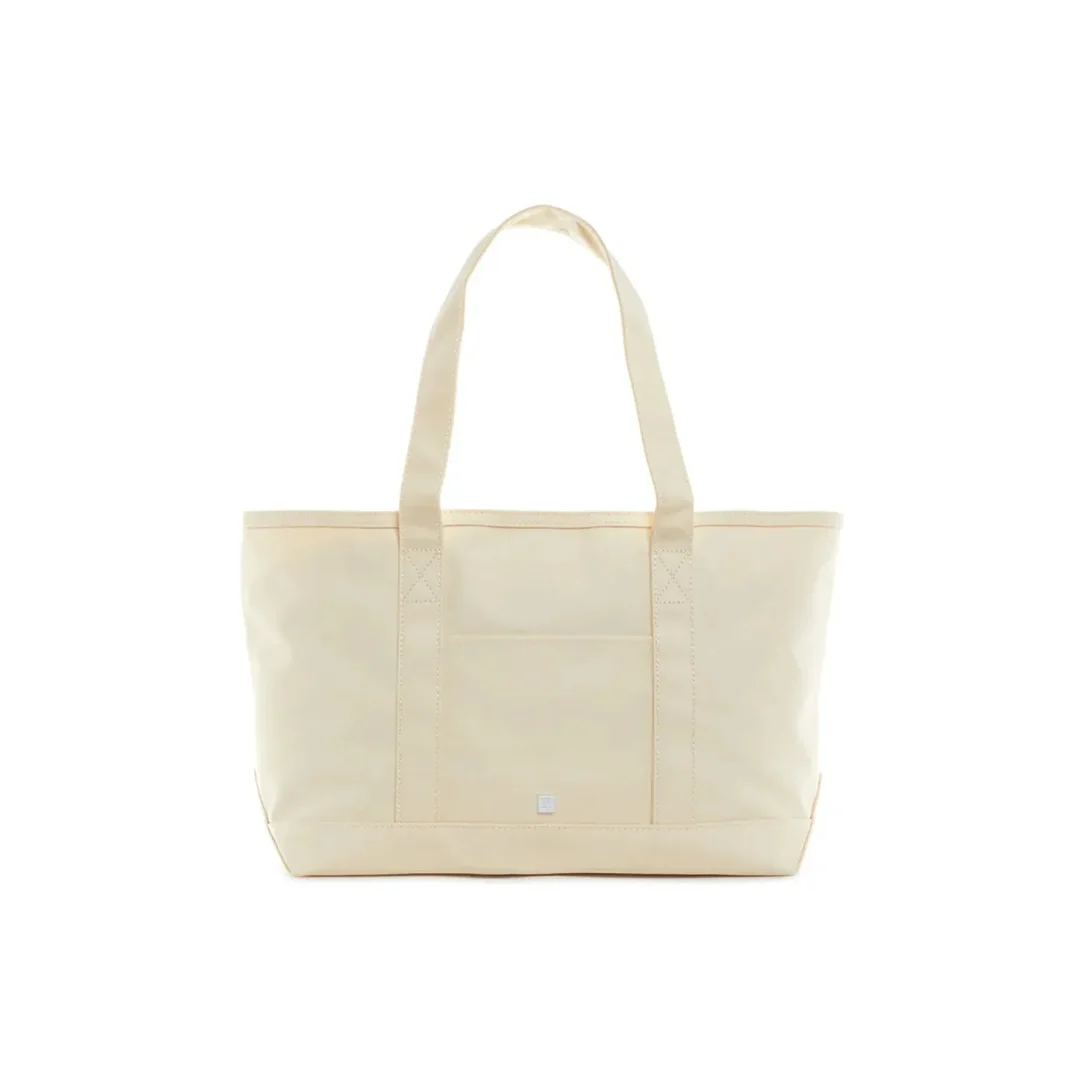
3. Recommended Canvas Weights by Use Case
The “best” canvas weight isn’t a fixed number; it’s a strategic choice based on the intended purpose and desired market positioning of your custom tote bags. Here’s a breakdown by common use cases:
– For Promotional Giveaways (6–8 oz)
When the primary goal is widespread brand exposure at events, trade shows, or as part of a low-cost marketing initiative, lighter canvas weights are often preferred.
- Characteristics: These bags are lightweight, easily foldable, and cost-effective. They serve as a practical, disposable, or short-term carryall.
- Perception: Functional, accessible, good for high-volume distribution.
– For Retail & Brand Merchandise (8–10 oz)
For items intended for sale, or as robust merchandise that reflects well on a brand without being overly premium, a mid-weight canvas is an excellent choice.
- Characteristics: Offers a good balance of durability for everyday use and an appealing tactile feel. Still relatively lightweight for shipping.
- Perception: Good quality, practical, durable enough for repeat use, represents good value.
– For Premium & Long-Term Use (10–12 oz)
When your custom tote bag is meant to be a lasting item, a cherished accessory, or a statement piece that conveys significant brand quality, a heavier canvas weight is highly recommended.
- Characteristics: Substantial feel, excellent durability, holds its shape well, and can carry heavier loads comfortably. Ideal for grocery shopping, school books, or daily commuting.
- Perception: High quality, premium, eco-conscious (due to longevity), sturdy, reliable.
– For Heavy-Duty Applications (16 oz+)
For specialized industrial uses, tool bags, or situations where extreme durability and load-bearing capacity are non-negotiable, the heaviest canvas weights are employed.
- Characteristics: Extremely thick, stiff, and exceptionally strong. Designed to withstand heavy contents, harsh conditions, and prolonged, intensive use.
- Perception: Indestructible, professional-grade, maximum reliability.
Here’s a B2B-oriented table summarizing these recommendations:
| Weight (oz) | GSM | Лучший выбор для | Bag Performance |
|---|---|---|---|
| 6-8 oz | 200–270 gsm | Promotional giveaways, high-volume distribution, event swag | Accessible, wide reach, functional, eco-friendly (reusable alternative) |
| 8-10 oz | 270–340 gsm | Everyday reusable bags, retail merchandise, good value offerings | Practical, reliable, good quality, sustainable commuter option |
| 10-12 oz | 340–410 gsm | Premium retail, lasting corporate gifts, daily heavy-duty use | High-quality, durable, premium, built to last, investment piece |
| 16 oz+ | 540 gsm+ | Specialized heavy-duty applications, industrial, tool bags | Ultra-durable, rugged, professional, uncompromising strength |
4. 6 oz vs 8 oz vs 12 oz: Cost & Performance Comparison
To further refine your decision, let’s look closer at the direct implications of selecting between some of the most common canvas weights for bulk orders, focusing on the distinction between 6 oz vs 12 oz canvas bag options and the popular 8 oz.
Fabric Cost Differences
Naturally, a heavier canvas means more cotton fiber per square yard, directly translating to a higher raw material cost. This difference becomes amplified when ordering thousands of units:
- 6 oz: Represents the most economical option, offering significant cost savings for large promotional runs where budget is a primary driver.
- 8 oz: A modest increase in cost from 6 oz, but delivers a noticeable step up in perceived quality and durability, often providing the best value.
- 12 oz: A substantial jump in cost compared to 6 oz and 8 oz. This is an investment in a significantly more robust and premium product.
Printing Effect Differences
The texture and weave of canvas vary with its weight, which can subtly influence how print designs appear:
- 6 oz: Often has a smoother, tighter weave, which can be advantageous for fine details in screen printing or digital printing. However, its thinner nature means darker prints might show through slightly to the other side (bleed-through).
- 8 oz: Provides a good, consistent surface for most printing methods. Fine details are generally well-retained, and bleed-through is less of a concern than with 6 oz.
- 12 oz: Can have a slightly more prominent weave texture, which might make extremely fine lines or super-smooth gradients a bit less crisp compared to lighter, finer weaves. However, its substantial thickness ensures no bleed-through and provides a luxurious depth to the print.
Shipping Weight Differences
For bulk orders, the per-unit weight directly impacts total shipping costs. This is an important logistical and financial consideration:
- 6 oz: Least weight per unit, resulting in the lowest per-bag shipping costs. Ideal for maximizing unit count within shipping container limits.
- 8 oz: A slight increase in shipping weight, still very economical for freight and distribution.
- 12 oz: Noticeably heavier per unit, leading to higher overall shipping costs for the same number of bags. This needs to be factored into the landed cost per unit.
MOQ (Minimum Order Quantity) Recommendations
While MOQs vary by manufacturer and specific design, generally:
- 6-8 oz: Often have lower MOQs or are more readily available for larger quantity orders due to widespread demand and material availability.
- 10-12 oz: MOQs might be slightly higher, or lead times a bit longer, as these are considered more specialized or premium.
- 16 oz+: Typically reserved for larger runs due to the specialized nature of the fabric and production. If you’re looking for heavy duty canvas tote wholesale, be prepared for correspondingly higher MOQs.
5. How Canvas Weight Affects Printing & Embroidery
The choice of canvas weight has direct implications for how your custom artwork will be rendered on the final product, affecting both appearance and durability of the applied design.
- Шелкография: This method involves pushing ink through a stenciled mesh.
- Lighter Canvas (6-8 oz): Generally smooth and receptive to screen printing, allowing for good detail. However, very thin canvas can sometimes lead to ink bleed-through if not handled by an experienced printer with appropriate ink viscosity.
- Heavier Canvas (10-16 oz+): Provides a more substantial surface, significantly reducing bleed-through issues. The coarser weave of some heavier canvases might slightly affect extremely fine lines, but generally offers excellent, vibrant results with proper ink application.
- Digital Printing (DTG – Direct-to-Garment): This method sprays ink directly onto the fabric, similar to an inkjet printer.
- Lighter Canvas (6-8 oz): Can yield very detailed and soft-hand prints due to its finer weave. However, the thinner material might require pre-treatment to ensure color vibrancy and prevent fiber show-through.
- Heavier Canvas (10-16 oz+): Often produces excellent, vibrant digital prints. The dense fabric allows for rich color saturation and prevents the fabric’s natural color from showing through the print. The slightly coarser texture can sometimes add a unique, organic feel to the printed design.
- Embroidery: Involves stitching a design onto the fabric using threads.
- Lighter Canvas (6-8 oz): While possible, lighter canvases may pucker or distort slightly under the tension of embroidery stitching, especially with dense designs. A stabilizer is often required.
- Heavier Canvas (10-16 oz+): Ideal for embroidery. The fabric’s inherent stiffness and density prevent puckering, allowing for crisp, well-defined embroidered logos and designs. This results in a premium finish that truly stands out.
- Fabric Texture & Weave Influence: The texture of the canvas, which becomes more pronounced with heavier weights, can add character to prints. A subtle texture can enhance the natural feel of the bag, while a very coarse texture might impact ultra-fine print details. It’s crucial to consider how the texture will interact with your specific design.
6.Common Canvas Weight Selection Mistakes
Mistake 1: Choosing Weight Based on Price Alone
Problem: Selecting the cheapest option without considering end-use requirements.
Solution: Factor in durability, customer satisfaction, and brand reputation costs.
Mistake 2: Ignoring Handle Strength Requirements
Problem: Light canvas with heavy-duty handle expectations.
Solution: Match handle strength to canvas weight – 12oz minimum for reinforced handles.
Mistake 3: Not Considering Printing Method Early
Problem: Choosing canvas weight before finalizing printing method.
Solution: Select printing method first, then choose compatible canvas weight.
Mistake 4: Overlooking Shrinkage Testing
Problem: Not accounting for post-wash shrinkage in bag dimensions.
Solution: Always test wash samples and adjust patterns accordingly.
Mistake 5: Mixing Weight Standards
Problem: Confusing oz and GSM measurements leading to wrong orders.
Solution: Always confirm measurement units with your supplier.
7. How to Choose the Most Cost-Effective Option for Bulk Orders
Navigating the balance between quality and cost when ordering custom tote bags in bulk is a strategic exercise. Here’s how to approach choosing the most cost-effective option while still meeting your brand’s objectives:
- For Budget-Limited Projects & High-Volume Promotion (e.g., Trade Shows, Giveaways):
- Recommended Range: 6-8 oz. These weights offer the lowest unit cost, allowing you to maximize the number of bags within your budget. Their lightweight nature also reduces shipping expenses. Focus on simple, bold designs that print well on a thinner canvas. The goal here is reach and brand visibility.
- Strategy: Prioritize quantity. Ensure your design is optimized for screen printing (fewer colors, solid shapes) to keep production costs down.
- For Brands Emphasizing Quality, Durability & Retail Value (e.g., Merchandise, Premium Gifts):
- Recommended Range: 10-12 oz. This range signals a commitment to quality and creates a product that users will appreciate and use repeatedly. While the unit cost is higher, the perceived value and longer lifespan of the bag often justify the investment, enhancing brand loyalty and perception.
- Strategy: Focus on perceived value. A 10-12 oz bag can be a strong statement piece. Consider embroidery for a truly premium touch, or high-quality digital prints for intricate designs.
- Long-Term Engagement & Repeat Purchases Strategy:
- If your goal is for customers to use your branded tote bag for years, invest in 10-12 oz for its durability and substantial feel. A bag that lasts becomes a walking advertisement for months or even years, offering a higher return on investment over time compared to a cheaper bag that might be discarded quickly.
- Consider adding features like reinforced handles, internal pockets, or gusseted bottoms to further enhance functionality and perceived value at these heavier weights.
Ultimately, cost-effectiveness isn’t just about the lowest price per unit, but the best value delivered for your specific brand goals and target audience. A small increase in canvas weight can profoundly impact how your custom tote bag is received and utilized.
8. Our Available Canvas Weight Options
We understand the importance of matching the right canvas weight to your specific project. As a dedicated manufacturer, we offer a comprehensive range of canvas weights to meet diverse needs, from promotional giveaways to high-end retail merchandise.
- 6 oz Canvas: Our lightest option, perfect for large-scale promotions, trade show giveaways, and extremely budget-conscious projects. Highly foldable and easy to distribute.
- 8 oz Canvas: The versatile workhorse. Offers a great balance of affordability, durability, and a pleasant tactile feel, making it ideal for everyday retail and promotional use.
- 10 oz Canvas: A step up in perceived quality and strength. This weight provides a more substantial bag, well-suited for premium merchandise, boutique retail, or durable everyday carry.
- 12 oz Canvas: Our most popular choice for premium and long-lasting custom tote bags. This heavy-duty canvas offers exceptional durability, a luxurious drape, and excellent print fidelity, conveying a strong message of quality.
- 16 oz Canvas: Our heaviest and most robust option, reserved for specialized applications requiring extreme strength and longevity, such as heavy-duty utility or specialized retail bags.
All our canvas options support extensive customization, from various printing techniques to embroidery. We can also accommodate specific requests for material finishes or custom dyes. We understand that seeing and feeling the material is crucial for making the right decision, which is why we are pleased to offer material samples upon request for all our canvas weights. Furthermore, we are transparent about our MOQs (Minimum Order Quantities) and will work with you to find the most efficient and cost-effective production solution for your bulk order.
9. FAQs for Wholesale Buyers
- Q: What canvas weight is best for screen printing?
A: For general screen printing, 8 oz and 10 oz canvas are excellent choices, offering a good, smooth surface for detail without excessive bleed-through. If your design has very fine lines or dense ink coverage, 10 oz or 12 oz can provide superior results. - Q: Is 12 oz worth the higher cost?
A: For many buyers, yes. A 12 oz canvas bag offers a significantly more premium feel, superior durability, and a longer lifespan compared to lighter options. If your brand emphasizes quality, sustainability, or you want the bag to be a lasting item that builds brand loyalty, the higher cost often translates to a much better return on investment in terms of perceived value and consistent brand exposure. - Q: Can I mix different weights in one order?
A: Typically, each canvas weight would be considered a separate product line with its own MOQ. While it might be possible for very large orders, it’s generally more cost-effective to standardize on one weight per custom tote bag design to streamline production. Discuss your specific needs with our sales team. - Q: What’s the most popular canvas weight in the US/EU market?
A: In the US and EU markets, the 8 oz and 10 oz canvas weights are widely popular for general-purpose custom tote bags and retail merchandise, striking an excellent balance between cost and quality. For more premium offerings and lasting durability, 12 oz is increasingly favored. - Q: How do I ensure color accuracy on different canvas weights?
A: Canvas weight can slightly influence how colors appear due to fabric texture and absorbency. We recommend providing precise Pantone (PMS) color codes for your design. Our production team will account for fabric variations during sampling to match your brand colors as accurately as possible. Always approve physical samples before bulk production.


 Russian
 English
 French
 German
 Japanese
 Arabic
 Thai
 Vietnamese
 Spanish
 Portuguese