
Everything you need to know about PVC bags — from raw material science to custom manufacturing for your business.
What Is a PVC Bag?
A PVC bag is a bag made from polyvinyl chloride — a synthetic plastic polymer valued for its flexibility, water resistance, and durability. PVC bags range from small cosmetic pouches to large storage totes, and are widely used across retail, travel, fashion, and industrial packaging.
Unlike fabric bags, PVC bags are manufactured from sheets of plasticized vinyl that are cut and joined using heat sealing, high-frequency welding, or stitching. The result is a product that combines the structural integrity of plastic with the workability of a textile — making it one of the most versatile bag materials available globally.
In modern manufacturing, PVC bags can be made fully transparent or opaque, in virtually any color, and across a wide range of thicknesses (measured in millimeters or gauge). Their surfaces can be smooth, frosted, glossy, or textured — giving designers and brands significant creative freedom.
What Is PVC Material?
PVC — short for polyvinyl chloride — is the world’s third most widely produced synthetic polymer, behind only polyethylene and polypropylene. Understanding what PVC is made of helps explain why it has become such a popular choice for bag production.
What Is PVC Made Of?
PVC is derived from two primary ingredients: chlorine (obtained from salt via electrolysis) and ethylene (derived from natural gas or petroleum). When combined through polymerization, they form polyvinyl chloride resin — a white powder that serves as the base material.
On its own, raw PVC resin is rigid and brittle. To make it suitable for bags, manufacturers add key additives:
- Plasticizers (e.g., phthalates, citrates) — increase flexibility
- Stabilizers (e.g., calcium-zinc, tin) — prevent degradation from heat and UV
- Pigments — provide color
- Fillers and lubricants — improve processability and surface feel
Flexible PVC vs Rigid PVC
Flexible PVC (Soft PVC)
- High plasticizer content (15–40%)
- Soft, pliable, easy to fold
- Used for most bags and pouches
- Excellent waterproofing
- Available in frosted & clear finishes
Rigid PVC (Hard PVC)
- Little or no plasticizer
- Stiff, structural, impact-resistant
- Used for hard-shell cases & luggage
- Less common in soft-bag applications
- Better dimensional stability
Why PVC Is Used for Bags
Several characteristics make PVC ideal for bag production. It can be produced in sheets of precise thickness, making it easy to cut and form into consistent shapes at scale. It bonds reliably with heat or RF (radio frequency) welding — eliminating stitching in many designs. Its cost-to-performance ratio is among the best of any bag material, and its clarity enables brands to create transparent bags that showcase contents without additional labeling.
Types of PVC Bags
PVC is used to produce a remarkable breadth of bag styles. Below are the most commercially significant categories, each serving distinct market needs.
PVC Tote Bags
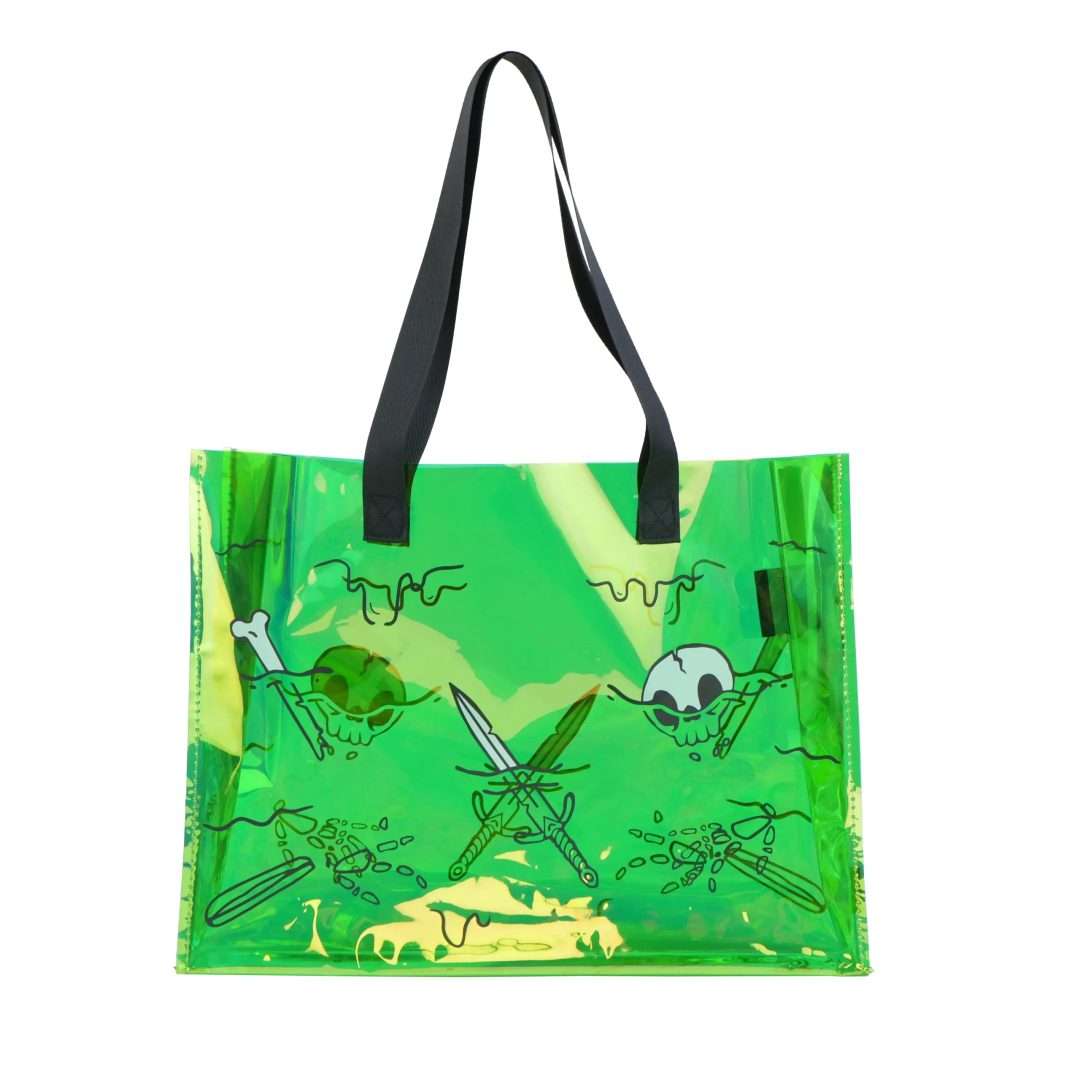
PVC tote bags feature an open-top design with two parallel handles, mirroring the silhouette of a classic canvas tote. Available in transparent, frosted, or solid opaque finishes, PVC totes are popular as retail shopping bags, beach bags, and branded promotional items. They typically range from 0.2mm to 0.5mm in thickness and can be reinforced at handle attachment points for added durability.
PVC Cosmetic Bags
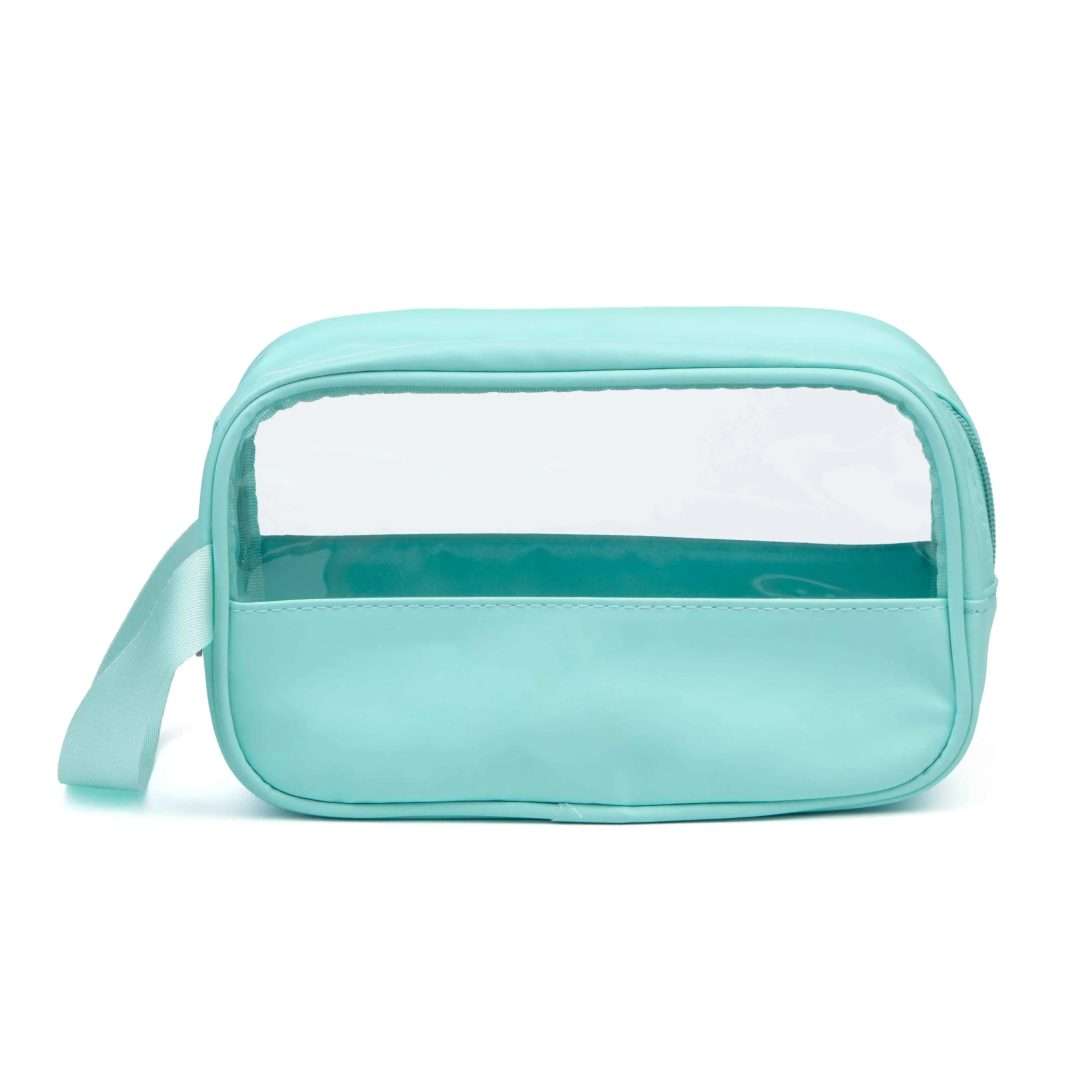
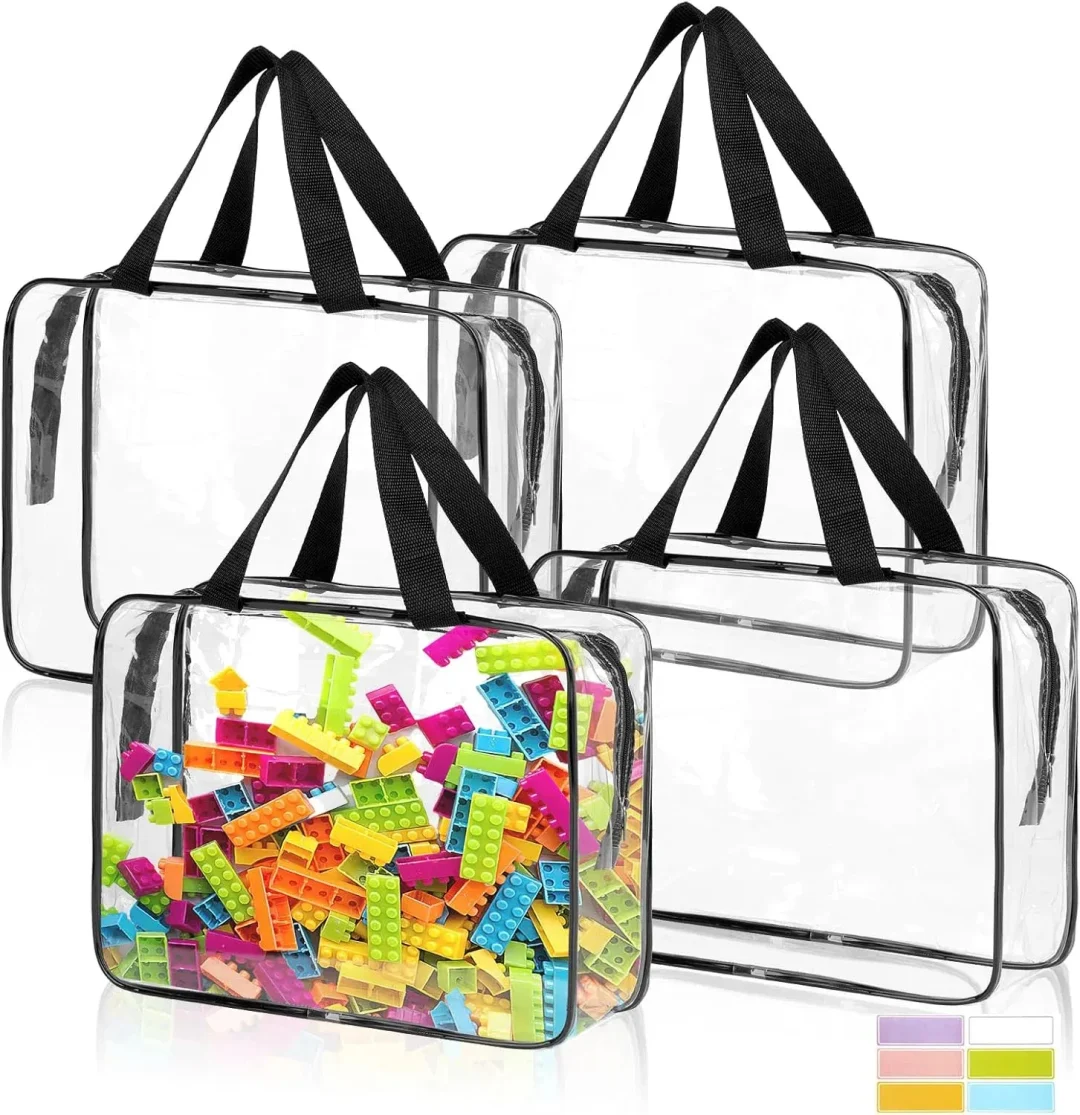
One of the most commercially significant PVC bag categories. Cosmetic and toiletry bags in PVC offer a critical functional advantage: 100% waterproof containment for liquids, creams, and makeup. They are widely sold in travel sets and produced by cosmetic brands for gifting and retail. Most feature a zipper closure and are made from 0.3–0.5mm clear or frosted PVC. Their transparency makes airport security screening and personal organization effortless.
PVC Zipper Bags
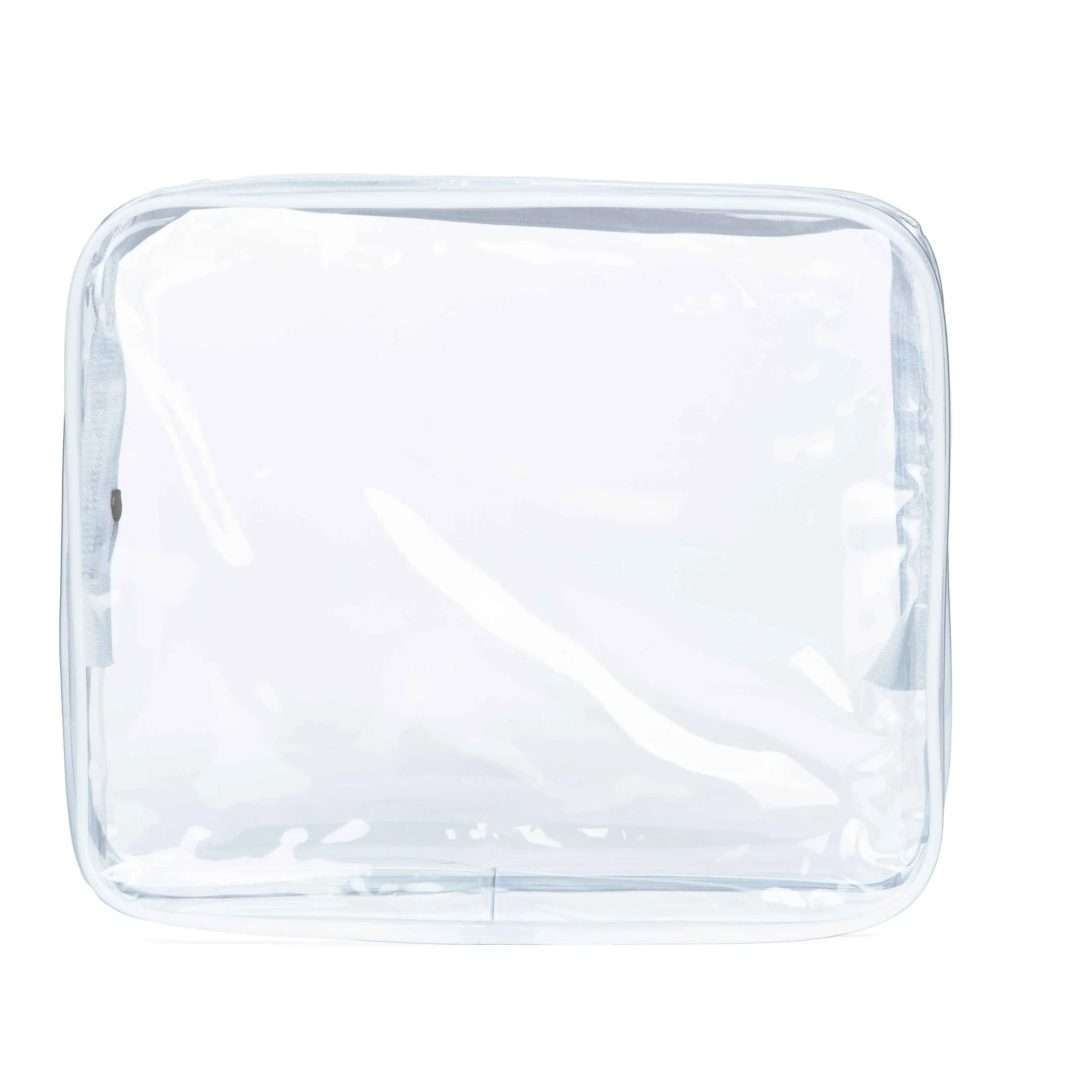
PVC zipper bags are versatile sealed pouches used for packaging, storage, and retail display. They range from small jewelry pouches to large garment bags. The zipper can be a standard pull zipper, a slider zipper, or a heat-sealed PVC coil. PVC zipper bags are extensively used in apparel packaging, where brands include them as premium garment protectors.
PVC Drawstring Bags
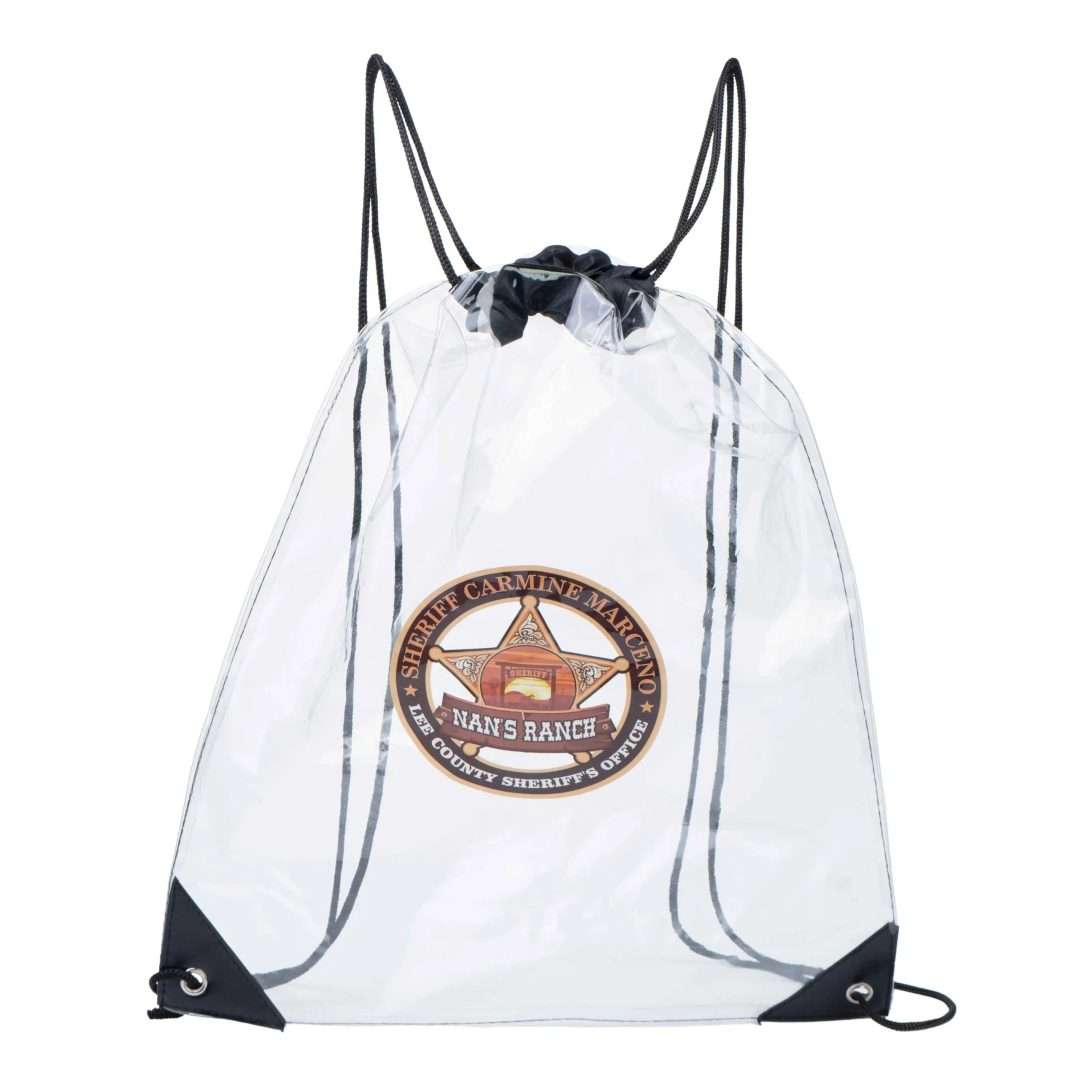
A lightweight option commonly used for gym bags, shoe bags, promotional giveaways, and gift packaging. The drawstring opening eliminates the need for a zipper, reducing production cost while maintaining a clean aesthetic. PVC drawstring bags are especially popular in the sporting goods and events industries.
PVC Backpacks
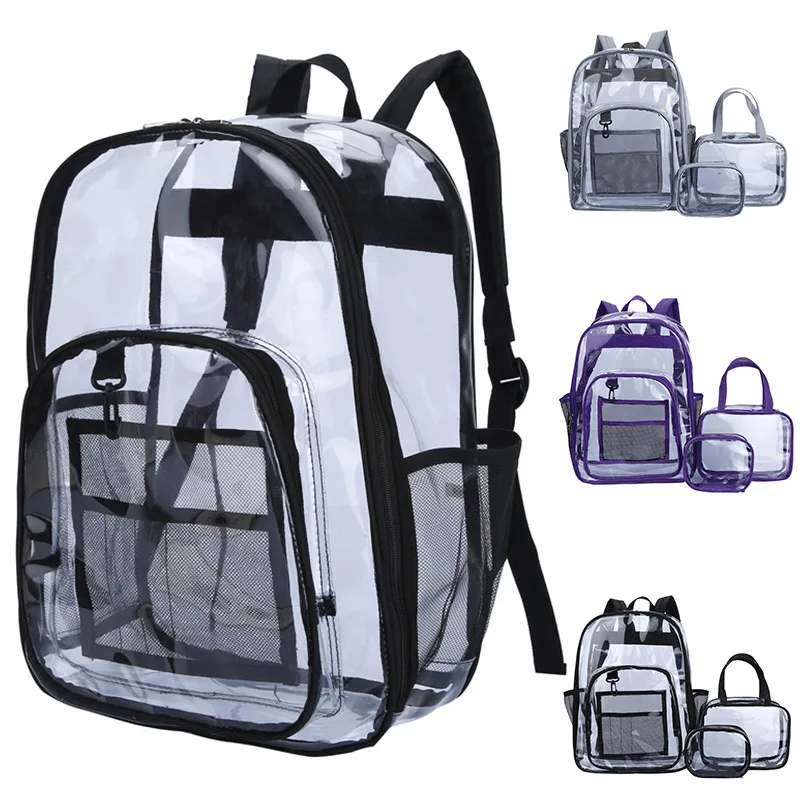
Transparent PVC backpacks have become a fashion and security compliance staple. Schools, stadiums, and event venues increasingly require or recommend clear backpacks to improve visibility of contents. Fashion designers have also embraced PVC backpacks as a statement accessory, often combining them with leather or fabric trims. They are typically constructed from heavier-gauge PVC (0.5mm+) to handle the structural demands of a backpack.
PVC Storage Bags
Designed for organizing household items, travel essentials, or industrial components, PVC storage bags prioritize capacity and visibility. Common formats include flat zip pouches, hanging toiletry bags, under-bed storage bags, and cube organizers. Their waterproof nature makes them ideal for storing items in humid environments like bathrooms, boats, or garages.
Advantages of PVC Bags
PVC bags offer a compelling combination of functional and commercial benefits that have driven their widespread adoption across dozens of industries.
Waterproof
PVC is inherently impermeable to water. Unlike canvas, cotton, or non-woven fabrics that absorb moisture, PVC sheets form a continuous barrier that keeps contents dry even when fully submerged. This makes PVC bags the preferred choice for beach bags, pool accessories, rain gear, and wet item storage. Most PVC bags require no additional waterproof coating — the material itself provides total water resistance.
Durable and Long-Lasting
High-quality PVC bags resist tearing, puncturing, and abrasion under normal conditions. A bag made from 0.4mm PVC with reinforced seams can withstand years of repeated use before showing significant wear. PVC also resists mildew, mold, and rot — making it a more durable long-term storage option than natural fiber bags in humid environments.
Easy to Clean
Cleaning a PVC bag requires nothing more than a damp cloth or a gentle wipe-down with mild soap. Unlike fabric bags that need laundering, PVC surfaces can be cleaned in seconds. This is a significant advantage for cosmetic bags, food packaging, and industrial use cases where hygiene is a priority.
Transparent and Stylish
The ability to produce PVC in fully transparent or frosted-clear finishes sets it apart from virtually every other bag material. Transparency serves both functional and aesthetic purposes: consumers can see bag contents at a glance, while brands create visually striking products that showcase packaging inside. Transparent bags have become a mainstream fashion trend, appearing on catwalks and in high-street retail worldwide.
Easy for Custom Printing
PVC bags can be decorated via screen printing, heat transfer, digital printing, and embossing. The smooth surface of PVC holds ink well and allows for sharp, high-resolution graphics. Brands can print logos, patterns, product information, and full-color artwork directly onto PVC surfaces — making them ideal for promotional merchandise, branded retail packaging, and event giveaways.
Disadvantages of PVC Bags
Like all materials, PVC comes with trade-offs. Understanding these limitations helps buyers and designers make more informed decisions.
Environmental Concerns
PVC’s environmental footprint is a significant and legitimate concern. The production of PVC involves chlorine chemistry that can generate toxic byproducts. Traditional PVC formulations may contain phthalate plasticizers, which have faced regulatory scrutiny in the EU, US, and elsewhere due to potential health effects. When PVC is incinerated at end-of-life, it can release hydrogen chloride and dioxins under certain conditions.
That said, the industry has made progress: modern PVC bags increasingly use REACH-compliant, phthalate-free plasticizers (such as DINCH or DOTP), and responsible manufacturers follow environmental standards including OEKO-TEX certification.
Limited Breathability
PVC’s impermeability — a strength in waterproofing — becomes a limitation for certain applications. Clothing, shoes, or organic materials stored in sealed PVC bags for extended periods may suffer from condensation, odor, or mold if adequate ventilation isn’t provided. PVC bags are generally not recommended for long-term breathable storage of food or textiles without ventilation features.
May Scratch Easily
Clear PVC surfaces, particularly in thinner gauges, are susceptible to fine scratches from keys, buckles, and abrasive surfaces. These scratches reduce transparency and affect appearance over time. Matte or frosted PVC finishes tend to conceal scratches better than high-gloss clear PVC.
Strengths Summary
- 100% waterproof
- Highly durable
- Low production cost
- Easy to clean
- Transparent finish options
- Excellent printability
Limitations Summary
- Environmental concerns
- Low breathability
- Surface scratch risk
- Challenging to recycle
- Heat sensitivity (extreme temps)
Common Uses of PVC Bags
PVC bags appear in a wide range of commercial and consumer contexts. Their combination of transparency, waterproofing, and cost-effectiveness makes them useful across multiple industries.
Retail and Packaging Bags
Retail brands across fashion, accessories, jewelry, and electronics use PVC bags as primary or secondary packaging. A transparent PVC bag allows consumers to see the product inside, reducing the need for additional labeling while enhancing shelf appeal. Many brands use frosted PVC totes with a printed logo as a premium alternative to paper shopping bags.
Cosmetic and Toiletry Bags
The cosmetic industry is one of the largest users of PVC bags globally. From department store gift sets to travel toiletry kits, PVC cosmetic bags are the dominant format because of their waterproof properties, ease of cleaning, and transparent visibility of contents. They are standard in hotel amenity programs and airline travel kits worldwide.
Travel and Storage Bags
Luggage organizers, shoe bags, compression bags, and wet-dry pouches represent a growing category of PVC travel bags. Their lightweight construction and waterproof performance make them essential for travelers. Many packing cube systems incorporate PVC panels for visibility, paired with fabric for structure.
Promotional and Event Bags
PVC bags are widely used in corporate gifting, trade show giveaways, and event merchandise. Their printable surfaces and low production cost per unit make them economical for large runs. Frosted PVC totes with a single-color logo are a staple promotional item at conferences, product launches, and brand activations.
PVC Bags vs Other Bag Materials
How does PVC compare to alternative bag materials? The table below offers a direct comparison across the most important performance criteria for bag buyers and manufacturers.
| Recurso | PVC | Lona | TPU | Non-woven PP |
|---|---|---|---|---|
| Waterproof | ✓ Excellent | ✗ Poor (uncoated) | ✓ Excellent | ✗ Poor |
| Durabilidade | ✓ High | ✓ High | ✓ Very High | ~ Medium |
| Transparency | ✓ Clear / Frosted | ✗ Opaque | ✓ Clear available | ✗ Opaque |
| Cost | ✓ Low–Medium | ~ Medium | ✗ High | ✓ Very Low |
| Eco-Friendliness | ~ Limited | ✓ Good (organic) | ~ Better than PVC | ~ Recyclable PP |
| Imprimibilidade | ✓ Excellent | ✓ Very Good | ✓ Good | ✓ Good |
| Peso | ✓ Light–Medium | ~ Medium–Heavy | ✓ Light | ✓ Very Light |
| Premium Look & Feel | ~ Medium | ✓ Natural, high-end | ✓ Soft, premium | ✗ Budget aesthetic |
| Recyclability | ✗ Difficult | ✓ Compostable | ~ Limited | ✓ PP recyclable |
Observação: TPU (thermoplastic polyurethane) is often considered the premium eco-friendlier alternative to PVC. It offers similar transparency and waterproofing with better biodegradability and softer hand-feel, but at 30–60% higher cost.
Are PVC Bags Eco-Friendly?
This is one of the most frequently asked questions about PVC bags — and the answer is nuanced. PVC bags are not inherently eco-friendly in the way that organic cotton or recycled polyester can be, but the picture is more complex than a simple yes or no.
Reusability Reduces Impact
A durable PVC bag used hundreds of times over several years has a significantly lower per-use environmental impact than a single-use plastic bag. Many PVC totes, cosmetic bags, and storage bags are specifically designed for long-term, multi-year use — meaning their resource cost is amortized across an extended service life. Reuse is the single most impactful thing a consumer can do to reduce PVC bag environmental footprint.
Recycling Challenges
PVC carries recycling resin code #3 and is technically recyclable, but it is not accepted by most curbside recycling programs. The chlorine content in PVC complicates the recycling process and can contaminate PET and HDPE streams. Specialized PVC recyclers exist, but accessibility varies significantly by region. At end-of-life, most PVC bags still end up in landfill. Avoid incinerating PVC bags in general waste, as this can release toxic gases.
Eco-Friendly Alternatives and Trends
The industry is actively responding to environmental pressure. Key developments include:
- REACH-compliant PVC — phthalate-free plasticizers approved under EU chemical regulations
- Bio-PVC — PVC derived partly from bio-based ethylene (sugarcane-sourced) rather than fossil fuels
- TPU alternatives — similar transparency and waterproofing, no chlorine, better end-of-life profile
- RPVC (Recycled PVC) — emerging suppliers now offer recycled PVC sheet for bag production
- OEKO-TEX certified PVC — independently tested for over 100 harmful substances
How PVC Bags Are Manufactured
Understanding the manufacturing process helps buyers evaluate quality and make better sourcing decisions. PVC bag production involves several distinct stages:
- 01
PVC Sheet ProductionPVC resin is compounded with plasticizers, stabilizers, and pigments, then processed through a calendering machine (heated rollers) to produce flat PVC sheet in the desired thickness and transparency. Thickness typically ranges from 0.1mm (thin packaging film) to 1.0mm+ (heavy-duty bags).
- 02
CuttingPVC sheet is cut to pattern pieces using die-cutting presses, laser cutters, or straight-blade cutters. Precision cutting ensures consistent dimensions and minimizes material waste. Complex shapes may require custom-made dies.
- 03
Heat Sealing or High-Frequency (HF) WeldingThe primary joining method for most PVC bags. HF welding uses electromagnetic energy to excite PVC molecules, fusing pieces together with a bond often stronger than the base material itself. This produces clean, waterproof seams with no stitching required.
- 04
Sewing (Optional)Some PVC bags — particularly backpacks, large totes, and fashion bags — incorporate sewing alongside welding at reinforcement points, handle attachments, and zipper installation. Nylon or polyester thread is used for durability.
- 05
Printing and DecorationLogos, patterns, and branding are applied via screen printing, heat transfer, or digital printing. Printing typically occurs on flat PVC panels before final assembly, allowing for cleaner and more precise results.
- 06
Hardware and Zipper AttachmentZippers (nylon coil, metal, or PVC), D-rings, snap hooks, handles, and other hardware are attached at this stage, either by sewing, welding, or riveting depending on design requirements.
- 07
Quality Inspection and PackingFinished bags are inspected for seal integrity, print quality, dimensional accuracy, and hardware function before being polybag-packed individually or bulk-packed for shipment.
Custom PVC Bags for Business
For brands, retailers, and distributors, custom PVC bags offer one of the most flexible and cost-effective ways to create branded packaging and promotional merchandise at scale. Here is what to know when placing a custom or wholesale order.
Logo Printing Options
Serigrafia is the most common method for simple 1–3 color logos — it is cost-effective on large runs and produces crisp, durable results. Heat transfer allows for full-color photographic designs and is better suited to small-to-medium runs. UV or solvent digital printing enables complex gradients and photo-realistic artwork. Embossing or debossing can create a tactile logo impression on soft PVC surfaces for a premium retail look.
Thickness Options
Thickness directly impacts durability, weight, and cost. Most cosmetic and tote bags use 0.3–0.5mm. Backpacks and heavy-duty storage bags typically require 0.5mm or thicker.
Zipper and Handle Choices
Custom PVC bags can be specified with a wide range of closure and carrying options: nylon coil zippers (economical, smooth operation), metal zippers (premium feel), slider zippers (easy one-hand operation), rope handles, ribbon handles, PVC-welded handles, or die-cut handles. Zipper pulls can also be custom-branded with your logo or text.
Minimum Order Quantity (MOQ)
MOQs for custom PVC bags vary by supplier and product complexity:
- Simple totes or zipper pouches with single-color printing: 500–1,000 pieces
- Cosmetic bags with hardware: 1,000–2,000 pieces
- Custom-shaped bags or backpacks: 2,000–5,000 pieces
For PVC bags wholesale orders (5,000+ units), significant per-unit price reductions are standard, and full packaging customization including hang tags, inner cards, and retail boxes is typically available at this volume.
Ready to Order Custom PVC Bags?
Get a fast quote for your custom PVC bag project — logo printing, size, thickness, and MOQ all customizable to your brand’s exact requirements.
FAQ About PVC Bags
Are PVC bags waterproof?
Yes — PVC bags are fully waterproof. PVC (polyvinyl chloride) is a non-porous material that does not absorb water. Bags made entirely from PVC sheet, joined with heat-sealed or HF-welded seams, provide complete water resistance — ideal for beach use, wet travel accessories, and waterproof cosmetic storage. Note that sewn (rather than welded) seams may not be 100% waterproof at needle holes without additional seam sealing.
Are PVC bags recyclable?
PVC carries recycling resin code #3 and is technically recyclable, but it is not accepted by most curbside recycling programs. The chlorine content in PVC complicates the process and can contaminate other plastics streams. Specialized PVC recyclers exist in some regions — check with your local waste authority. The most impactful consumer action is to maximize the bag’s useful life through repeated reuse rather than disposal.
Are PVC bags safe to use?
Modern, certified PVC bags are considered safe for everyday use. The historical concern was phthalate plasticizers (particularly DEHP), which are now restricted or banned in consumer products across the EU, US, and many other markets. Reputable manufacturers use REACH-compliant, phthalate-free formulations. For additional assurance, look for bags certified to OEKO-TEX Standard 100, which tests for over 100 harmful substances. Avoid prolonged food contact with non-food-grade PVC.
What thickness PVC is used for bags?
Thickness depends on the intended application. Lightweight cosmetic pouches typically use 0.2–0.35mm PVC. Standard tote bags and shopping bags use 0.3–0.5mm. Backpacks and heavy-duty storage bags require 0.5–0.8mm for adequate structural integrity. Garment and retail packaging may use thinner film (0.10–0.18mm). When ordering custom bags, specifying the correct gauge is important for both function and cost.
What is the difference between PVC and TPU bags?
Both PVC and TPU are flexible, transparent plastics commonly used for bags. TPU (thermoplastic polyurethane) is generally softer, more flexible at low temperatures, and considered more environmentally friendly than traditional PVC as it contains no chlorine and no phthalate plasticizers. TPU bags also tend to be lighter with a more premium feel. The trade-off is cost — TPU is typically 30–60% more expensive than equivalent PVC. For brands prioritizing sustainability and premium aesthetics, TPU is the preferred direction.
Can PVC bags be custom printed with a logo?
Yes — PVC bags are highly suitable for custom logo printing. The smooth, flat surface accepts screen printing, heat transfer, and UV digital printing very well. Screen printing is the most common method for branded PVC bags on medium-to-large runs (500+ units) due to its durability and cost efficiency. Full-color and photographic designs are possible with digital printing. For best results, printing is typically applied to flat PVC panels before bag assembly.
How long do PVC bags last?
With normal use, a quality PVC bag should last 3–7 years or more. Durability depends on material thickness, construction quality, and conditions of use. PVC can yellow and become brittle under prolonged UV exposure, so bags stored long-term should be kept away from direct sunlight. Adding UV stabilizers during PVC compounding significantly extends outdoor service life — this is worth specifying when ordering bags for outdoor or promotional use.
 Portuguese
 English
 French
 German
 Japanese
 Arabic
 Thai
 Vietnamese
 Russian
 Spanish