
Linen bags have emerged as a premium sustainable packaging solution that combines natural elegance with practical functionality. As brands increasingly seek eco-friendly alternatives to synthetic materials, linen bags offer the perfect balance of durability, breathability, and environmental responsibility. This comprehensive guide explores everything retailers, eco-conscious brands, and wholesale buyers need to know about linen fabric bags, from manufacturing processes to customization options and market positioning strategies.
The growing consumer awareness of environmental issues has created unprecedented demand for sustainable packaging alternatives. Linen bags address this need while providing a luxury feel that elevates brand perception. Unlike synthetic alternatives, linen offers authentic natural properties that improve with use and age, making it an investment in both sustainability and brand image.
What Is a Linen Bag?
Definition of Linen Fabric
Linen is a natural textile made from flax fiber, one of the oldest known fabrics dating back over 30,000 years. The flax plant (Linum usitatissimum) provides the raw material through a complex process of retting, breaking, and heckling that transforms plant stems into usable fiber. Unlike cotton, which comes from seed fibers, linen is derived from the stem of the flax plant, resulting in longer, stronger fibers that create the distinctive characteristics linen is known for.
The production process involves harvesting flax when the lower leaves begin to yellow, indicating optimal fiber strength. The plants are then retted (rotted) in controlled conditions to separate the fibers from the woody stem. This natural process, often done in dew fields or specialized tanks, can take several weeks but results in the high-quality fibers that make linen so durable and valuable.
| Fiber Source | Processing Method | Fiber Length | Texture Quality | Growing Region |
|---|---|---|---|---|
| Linen (Flax) | Stem retting and breaking | 12-20 inches | Crisp, slightly rough | Northern Europe, Canada |
| Algodão | Seed ginning | 0.5-1.5 inches | Soft, smooth | Global warm climates |
| Canvas (Cotton/Linen) | Tight weaving | Varies by blend | Dense, sturdy | Global production |
| Hemp | Stem processing | 8-16 inches | Coarse, strong | Asia, North America |
Key Characteristics of Linen Bags
Linen bags possess unique properties that make them ideal for premium packaging and promotional use. The natural characteristics of flax fibers create a product that not only looks sophisticated but also performs exceptionally well in various applications.
- Superior breathability: The loose weave structure and natural fiber properties allow exceptional air circulation, preventing moisture buildup and odor retention
- Lightweight durability: Strong long fibers create a fabric that’s surprisingly light yet capable of handling substantial weight loads
- Natural texture appeal: The distinctive slub weave pattern and hand-feel provide an authentic, artisanal appearance that synthetic materials cannot replicate
- Moisture-wicking properties: Linen naturally absorbs and releases humidity, making it ideal for items that need to breathe
- Temperature regulation: The fabric provides natural cooling properties, staying comfortable in various climates
- Antimicrobial resistance: Natural enzymes in flax provide inherent resistance to bacteria and fungi
| Characteristic | Performance Rating | Eco Level | Typical Weight Range | Melhores Aplicações |
|---|---|---|---|---|
| Breathability | 9/10 | Excellent – Natural | 6-14 oz/sq yard | Food storage, cosmetics |
| Durabilidade | 8/10 | 100% Biodegradable | 8-16 oz/sq yard | Shopping, promotional |
| Texture Appeal | 9/10 | Natural luxury | Light to Heavy | Gift bags, premium retail |
| Moisture Control | 8/10 | Chemical-free | 10-14 oz/sq yard | Produce bags, wine bags |
Types of Linen Bags
Linen Tote Bags
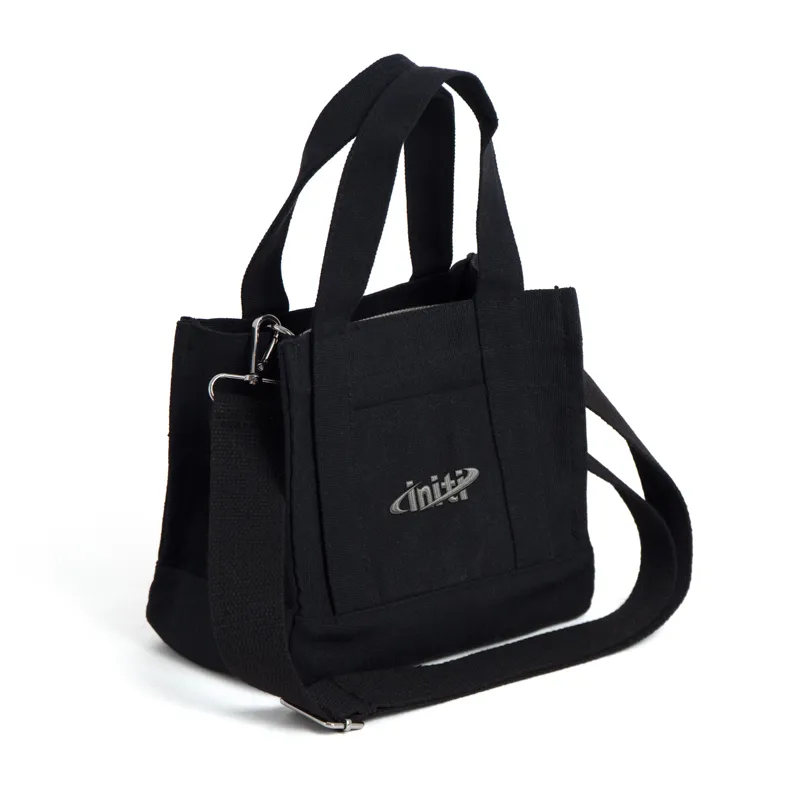
The most popular choice for retail and promotional use, linen tote bags offer spacious interiors with sturdy handles designed for repeated use. These versatile bags typically feature reinforced stress points and can accommodate substantial loads while maintaining their sophisticated appearance. The classic tote design works equally well for grocery shopping, beach outings, library visits, and brand marketing campaigns.
Target users include eco-conscious consumers seeking plastic alternatives, retail stores wanting to offer premium shopping bags, corporate programs focused on sustainability initiatives, and event organizers requiring branded merchandise that reflects quality values. The natural drape and texture of linen make these bags photograph beautifully for social media marketing.
Linen Drawstring Bags
The versatile closure system of drawstring bags makes them ideal for storage applications, travel organization, and specialty packaging needs. The cinching mechanism provides security while maintaining easy access, and the compact closure allows for efficient storage when not in use. These bags often feature reinforced grommets or eyelet holes to prevent tearing under tension.
Popular applications include wellness industry packaging for yoga accessories and meditation supplies, artisanal product presentation for handmade soaps and crafts, subscription box components for monthly delivery services, and travel organizers for shoes, laundry, or electronics. The drawstring design provides functional versatility while maintaining the natural linen aesthetic that appeals to environmentally conscious consumers.
Linen Shopping Bags
Engineered with reinforced construction specifically designed for repeated use and heavier loads, linen shopping bags represent the premium end of reusable shopping solutions. These bags often feature gusseted bottoms for increased capacity, reinforced handles rated for substantial weight, and sometimes include interior pockets for organization.
Grocery stores seeking to eliminate plastic bags favor these for their durability and positive environmental message. Farmers markets appreciate the breathable nature that keeps produce fresh during transport. Sustainable lifestyle brands use them as promotional items that align with their values while providing ongoing advertising through repeated use. The investment in quality construction pays dividends through extended lifespan and customer satisfaction.
Linen Gift Bags
Premium presentation bags designed specifically for luxury items, jewelry, artisanal products, and special occasion gifts. The natural elegance of linen elevates the unboxing experience while communicating values of sustainability and quality. These bags often feature decorative elements like ribbon handles, embossed logos, or contrast stitching.
Boutique retail establishments use these to enhance customer experience and encourage repeat visits. Craft artisans package handmade items in linen bags to reinforce the natural, authentic positioning of their products. Corporate gift programs choose linen bags for executive presents and client appreciation because they reflect thoughtfulness and environmental responsibility. The reusable nature ensures the brand message continues long after the initial gift.
Necessaires de Linho
Small-format bags with zippered or drawstring closures specifically designed for beauty products, travel items, and personal accessories. The breathable nature of linen makes it particularly suitable for cosmetics and toiletries, as it prevents moisture buildup that could damage products or create unsanitary conditions.
Beauty brands increasingly choose linen pouches for product packaging because they align with natural beauty trends and provide protection for delicate items. Travel companies include them in amenity kits because they’re lightweight, packable, and useful for organizing luggage. Subscription beauty boxes use them as premium packaging upgrades that customers appreciate and reuse, extending brand exposure beyond the initial purchase.
Advantages and Disadvantages of Linen Bags
Understanding the full spectrum of linen bag characteristics helps buyers make informed decisions based on their specific needs, budget constraints, and brand positioning requirements. While linen offers numerous advantages, certain considerations must be weighed against alternative materials.
| Vantagens | Desvantagens | Melhor Para | Avoid If |
|---|---|---|---|
| ✓ Natural eco-friendly appearance ✓ Excellent breathability ✓ Premium texture and feel ✓ Improves with age and use | ✗ Higher cost than cotton ✗ Natural wrinkling tendency ✗ Limited bright color options ✗ Requires careful handling | Luxury brands Organic products Premium packaging Sustainable positioning | Tight budgets High-volume basic use Wrinkle-free requirements Vivid color needs |
| ✓ Biodegradable and sustainable ✓ Strong and durable fibers ✓ Hypoallergenic material ✓ Natural antimicrobial properties | ✗ Potential shrinkage issues ✗ Slower production times ✗ Weather sensitivity ✗ Higher minimum orders | Environmental campaigns Artisanal brands Gift packaging Health-conscious products | Quick turnaround needed Outdoor storage Small quantity orders Tight size tolerances |
| ✓ Moisture-wicking properties ✓ Temperature regulation ✓ Long-lasting durability ✓ Unique natural texture | ✗ Initial stiffness ✗ Care requirements ✗ Limited stretch ✗ Price sensitivity | Health products Food packaging Reusable shopping Premium positioning | Machine-only care Stretch requirements Budget campaigns Mass market appeal |
Linen vs Cotton vs Canvas Bags
Material selection significantly impacts bag performance, cost, and brand perception. This comprehensive comparison helps buyers understand which material best suits their specific requirements, target market, and operational constraints.
| Recurso | Linho | Algodão | Canvas (Cotton/Linen) | Best Choice |
|---|---|---|---|---|
| Peso do Tecido | 6-16 oz/sq yd | 4-12 oz/sq yd | 12-24 oz/sq yd | Canvas for heavy-duty use |
| Classificação de Durabilidade | Excellent (9/10) | Good (7/10) | Very Good (8/10) | Linen for longevity |
| Cost per Unit | $2.50-8.00 | $1.50-4.50 | $2.00-6.00 | Cotton for budget efficiency |
| Weight Capacity | 15-25 lbs | 10-20 lbs | 20-35 lbs | Canvas for heavy loads |
| Qualidade de Impressão | Muito Bom | Excelente | Bom | Cotton for detailed graphics |
| Environmental Impact | Excelente | Bom | Bom | Linen for sustainability |
| Aesthetic Appeal | Premium luxury | Versatile casual | Rugged utility | Context-dependent |
| Care Requirements | Médio | Baixo | Baixo | Cotton/Canvas easier maintenance |
| Breathability | Excelente | Bom | Fair | Linen for moisture management |
| Market Positioning | Premium/Luxury | Mass Market | Utility/Industrial | Match to target audience |
Material Selection Guidelines
Choose sacos de linho when targeting premium markets, emphasizing sustainability credentials, or requiring long-term durability with elegant aging characteristics. Linen excels in luxury retail, high-end events, and applications where natural texture enhances brand perception.
Select cotton bags for cost-effective promotional campaigns, detailed print requirements, or broad market appeal. Cotton provides the best balance of affordability, printability, and consumer familiarity across diverse demographics and applications.
Opt for canvas bags when maximum durability and weight capacity are priorities over aesthetic refinement. Canvas suits industrial applications, heavy-duty use, or brand messaging emphasizing strength and reliability.
Performance Considerations
Linen bags age gracefully, developing character over time while maintaining structural integrity. The natural antimicrobial properties make linen particularly suitable for food-related products or long-term storage applications where freshness matters.
Cotton bags offer superior ink adhesion and color retention, making them ideal for complex graphics, detailed logos, or vibrant color schemes. The smooth surface provides consistent print results across large production runs.
Canvas bags withstand harsh conditions and heavy use without degradation. The thick weave construction resists tearing, stretching, and wear even under demanding industrial or outdoor conditions.
Lifecycle Environmental Assessment
The environmental impact of linen bags extends far beyond their end-of-life disposal. During cultivation, flax plants sequester carbon dioxide from the atmosphere, and their deep roots help prevent soil erosion. The entire plant is utilized: seeds for linseed oil, shorter fibers for paper and insulation, and long fibers for textile production. This comprehensive utilization maximizes resource efficiency and minimizes waste.
Processing linen requires mechanical rather than chemical methods, reducing environmental contamination. The traditional retting process uses natural bacteria and moisture to separate fibers, avoiding harsh chemicals used in synthetic fiber production. Modern linen processing facilities increasingly use renewable energy sources and closed-loop water systems to further reduce environmental impact.
The durability of linen bags significantly extends their useful life compared to single-use alternatives. A quality linen bag can replace hundreds of plastic bags over its lifespan, dramatically reducing overall resource consumption and waste generation. Studies show that environmental impact per use decreases exponentially with extended bag lifespan, making durable linen bags one of the most environmentally efficient packaging options available.
Certification Standards for Sustainable Linen
Several certification programs verify the sustainability credentials of linen products:
- OEKO-TEX Standard 100: Tests for harmful substances and ensures human-ecological safety throughout production
- Global Organic Textile Standard (GOTS): Covers organic fiber production, environmental criteria, and social criteria
- Cradle to Cradle Certified: Assesses material health, renewable energy use, water stewardship, and social fairness
- European Flax Certification: Guarantees European origin and traceability of flax fibers
- Masters of Linen: Premium quality label ensuring European flax cultivation and processing standards
Manufacturing Process and Quality Standards
Understanding linen bag manufacturing processes helps buyers evaluate quality, set realistic expectations for lead times, and make informed decisions about customization options. The production of linen bags involves several critical stages that impact final product quality and performance characteristics.
Fabric Production Stages
The journey from flax plant to finished linen fabric involves multiple specialized processes, each affecting the final fabric characteristics. Harvesting occurs at optimal maturity when lower leaves yellow, indicating peak fiber strength. The timing of this harvest significantly impacts fiber quality and final bag durability.
Retting, the decomposition process that separates fibers from stems, can be performed through dew retting (natural field retting taking 4-6 weeks) or tank retting (controlled water retting taking 7-10 days). Dew retting produces softer, higher-quality fibers but requires favorable weather conditions. Tank retting offers more control but may result in slightly less premium fiber quality.
| Production Stage | Duration | Quality Impact | Fator de Custo |
|---|---|---|---|
| Flax Cultivation | 100 days | Foundation quality level | Climate and soil dependent |
| Harvesting & Retting | 4-6 weeks | Fiber length and strength | Weather risk premium |
| Breaking & Scutching | 3-5 days | Fiber separation quality | Equipment intensive |
| Heckling & Combing | 2-3 days | Fiber alignment and smoothness | Skilled labor required |
| Spinning & Weaving | 1-2 weeks | Fabric density and drape | Technical complexity |
| Finishing & Treatment | 3-7 days | Handle, appearance, performance | Chemical processing costs |
Bag Construction Methods
Quality linen bag construction requires specialized techniques that accommodate the fabric’s natural properties while maximizing durability. Proper seam construction becomes crucial as linen’s tendency to fray requires specific stitching methods and seam finishes.
French seams or bound seams are preferred for premium linen bags as they enclose raw edges and prevent fraying. Single-needle lockstitch provides the strongest seam construction for load-bearing areas like handles and bottom seams. Bartacking at stress points reinforces areas subject to repeated strain.
Handle attachment methods significantly impact bag longevity. Box-X stitching provides maximum strength for heavy-use applications, while cross-stitching offers adequate strength for lighter loads with improved aesthetic appeal. Reinforcement patches distribute stress across larger fabric areas, preventing tear-through failures at attachment points.
Customization Options for Linen Bags
The customization capabilities of linen bags enable brands to create unique packaging solutions that align with their identity while meeting specific functional requirements. The natural properties of linen accommodate various decoration methods, though some techniques work better than others on this particular substrate.
Printing and Decoration Methods
Screen printing remains the most popular decoration method for linen bags due to its versatility, cost-effectiveness for larger quantities, and excellent durability on natural fibers. The slightly rough texture of linen provides good ink adhesion, resulting in vibrant, long-lasting prints that actually improve in appearance as the bag ages and softens.
Digital printing technology has advanced significantly for natural fiber applications, enabling full-color designs, photographic images, and small quantity customization that wasn’t previously economically viable. However, pre-treatment may be required to achieve optimal color vibrancy and wash-fastness on linen substrates.
| Decoration Method | Min. Quantity | Cost Range | Durabilidade | Melhores Aplicações |
|---|---|---|---|---|
| Impressão em Tela | 250+ pieces | $0.50-2.50 per color | Excellent (3-5 years) | Large runs, simple designs |
| Impressão Digital | 25+ pieces | $1.50-4.00 per bag | Good (2-3 years) | Small runs, full-color designs |
| Embroidery | 50+ pieces | $2.00-6.00 per design | Superior (5+ years) | Premium brands, logos |
| Transferência de Calor | 1+ pieces | $1.00-3.00 per application | Fair (1-2 years) | Prototypes, small quantities |
| Laser Engraving | 10+ pieces | $2.50-5.00 per item | Permanent | Subtle branding, premium feel |
| Foil Stamping | 500+ pieces | $1.00-3.50 per application | Good (2-3 years) | Luxury applications, metallic effects |
The data in the table is for reference only. Especially, the prices should be evaluated based on the actual situation.
Structural Customization Options
Beyond decoration, linen bags offer extensive structural customization possibilities that can significantly enhance functionality and brand differentiation. Handle options range from simple sewn-on straps to sophisticated rope handles, leather accents, or wooden components that complement the natural linen aesthetic.
Size customization accommodates specific product requirements, from small cosmetic pouches measuring 4″x6″ to large shopping bags exceeding 20″x24″. Gusset options increase capacity while maintaining elegant proportions. Bottom reinforcement panels distribute weight and prevent bag distortion under load.
- Handle variations: Length adjustments for shoulder carry vs hand carry, width modifications for comfort, material combinations (linen/leather, linen/rope), reinforcement methods
- Closure systems: Magnetic snaps for premium feel, zippered closures for security, drawstring mechanisms for versatility, Velcro for convenience
- Interior features: Zippered pockets for valuables, pen loops for functionality, card holders for organization, bottle holders for specialized use
- Exterior enhancements: Contrast piping for style, decorative stitching patterns, button details, patch pockets
Cost Analysis and Budget Consideration
Understanding the total cost structure of linen bags enables better budgeting and ROI calculations for marketing and packaging investments. While initial costs may exceed alternatives like cotton or non-woven polypropylene, the comprehensive value proposition often justifies the premium pricing.
Pricing Structure Breakdown
Base linen bag costs vary significantly based on fabric weight, construction complexity, and order quantity. Light-weight linen (6-8 oz) provides cost savings but may compromise durability for heavy-use applications. Medium-weight options (10-12 oz) offer the optimal balance of cost and performance for most retail applications.
| Order Quantity | Unit Cost (USD) | Setup Fees | Lead Time | Customization Level |
|---|---|---|---|---|
| 100-250 pieces | $6.50-12.00 | $150-300 | 3-4 weeks | Basic printing, standard sizes |
| 250-500 pieces | $4.50-8.00 | $100-200 | 2-3 weeks | Multi-color printing, size options |
| 500-1,000 pieces | $3.25-6.50 | $75-150 | 2-3 weeks | Full customization available |
| 1,000-2,500 pieces | $2.50-4.75 | $50-100 | 3-4 weeks | Premium features, embroidery |
| 2,500-5,000 pieces | $2.00-3.50 | $25-75 | 4-5 weeks | Complex construction, multiple sizes |
| 5,000+ pieces | $1.75-3.00 | Waived | 5-6 weeks | Full custom development |
The data in the table is for reference only. Especially, the prices should be evaluated based on the actual situation.
Hidden Cost Considerations
Beyond base pricing, several factors can significantly impact total project costs. International shipping for linen bags typically adds 15-25% to base costs due to dimensional weight calculations and import duties. Rush production fees can increase costs by 25-50% when standard lead times cannot be accommodated.
Quality control inspections, while recommended for brand protection, add $0.15-0.35 per unit but can prevent costly recalls or customer dissatisfaction. Sample development costs range from $50-200 per design iteration but ensure final products meet expectations before full production commits.
Storage and inventory management costs should be factored for larger orders. Linen bags require dry storage conditions and protection from UV exposure to maintain quality over extended periods. Many suppliers offer drop-shipping services that eliminate inventory costs but may limit customization options for future reorders.
ROI Calculation Framework
Calculating return on investment for linen bag programs requires consideration of both direct financial returns and brand value improvements. Direct revenue comes from retail sales of bags, reduced packaging costs through reusable solutions, and marketing value from repeated brand exposure.
Brand value improvements include enhanced sustainability credentials, improved customer perception, increased customer loyalty, and differentiation from competitors using less premium packaging solutions. Studies indicate that sustainable packaging can increase brand preference by 15-25% among environmentally conscious consumers.
| ROI Factor | Measurement Method | Typical Impact | Time Frame |
|---|---|---|---|
| Direct Sales Revenue | Unit sales x margin | 200-400% markup | Immediate |
| Marketing Impression Value | CPM equivalent calculation | $0.10-0.50 per use | 2-5 years |
| Customer Loyalty Increase | Repeat purchase tracking | 10-20% improvement | 6-18 months |
| Packaging Cost Reduction | Per-transaction savings | $0.05-0.25 per use | Ongoing |
| Brand Premium Justification | Price point comparison | 3-8% price premium | Long-term |
How to Choose the Right Linen Bag Supplier
Selecting an appropriate linen bag supplier significantly impacts product quality, delivery reliability, and overall project success. The complexity of linen processing requires suppliers with specific expertise, quality control systems, and ethical manufacturing practices that align with the sustainable values linen bags represent.
Supplier Evaluation Criteria
Manufacturing capability assessment should focus on fabric sourcing transparency, production capacity, quality control processes, and customization flexibility. Suppliers should demonstrate experience with natural fiber processing and understanding of linen’s unique handling requirements throughout production.
Certification verification becomes particularly important for linen suppliers due to the premium positioning and sustainability claims associated with these products. Key certifications include OEKO-TEX for textile safety, GOTS for organic standards if applicable, and ISO 9001 for quality management systems.
| Evaluation Category | Key Questions to Ask | Importance Level | Red Flags |
|---|---|---|---|
| Controle de Qualidade | Testing procedures, defect rates, inspection standards | Critical | No written quality standards |
| Production Capacity | Monthly output, peak capacity, lead time reliability | Alto | Frequent delivery delays |
| Customization Ability | Design flexibility, sampling process, modification limits | Alto | Limited design capabilities |
| Communication | Response time, language capability, project management | Médio | Poor English, slow responses |
| Ethical Standards | Labor practices, environmental compliance, certifications | Critical | No factory visits allowed |
| Financial Stability | Payment terms, insurance, business references | Médio | Demands full prepayment |
Due Diligence Process
Comprehensive supplier evaluation should include factory audits, reference checks with existing clients, sample evaluation under various conditions, and clear contractual agreements covering quality standards, delivery schedules, and contingency procedures.
Sample evaluation process should test bags under actual use conditions, including weight capacity testing, handle strength testing, print durability assessment, and washing/care instruction validation. Multiple sample rounds may be necessary to achieve desired specifications.
Financial due diligence protects against production disruptions due to supplier financial instability. This includes credit checks, insurance verification, and establishment of clear payment terms that protect both parties while ensuring adequate cash flow for production requirements.
Pros and Cons of Linen Bags
Comprehensive Advantage Analysis
The premium positioning of linen bags stems from genuine performance and aesthetic advantages that justify higher investment costs. The natural properties of flax fibers create functional benefits that synthetic alternatives cannot replicate, particularly in applications requiring breathability, moisture management, and authentic texture appeal.
Durability characteristics set linen apart from other natural fiber options. The long staple length of flax fibers creates inherently strong fabric that improves with use as fibers soften and interlock more effectively. This aging process creates the distinctive “lived-in” appearance that many premium brands desire.
Environmental credentials provide authentic sustainability marketing opportunities. Unlike synthetic materials marketed as eco-friendly, linen offers genuine environmental benefits throughout its lifecycle, from carbon sequestration during growth to complete biodegradability at end-of-life.
Limitation Assessment
Cost considerations represent the primary barrier to linen bag adoption. Premium pricing may exceed budget constraints for price-sensitive applications or high-volume promotional programs where cost per impression drives decision-making more than quality perceptions.
Care requirements may limit applicability in some use cases. Linen’s tendency to wrinkle requires specific handling and storage considerations that may not align with all distribution or retail environments. However, many brands find that slight wrinkling adds to the authentic, natural appeal rather than detracting from it.
| Aspect | Vantagens | Desvantagens | Mitigation Strategy |
|---|---|---|---|
| Cost Structure | High perceived value, premium positioning possible | Higher initial investment than alternatives | Calculate total lifecycle value and ROI |
| Appearance | Natural elegance, improves with age, authentic texture | Natural wrinkling, limited bright colors | Embrace natural aesthetic, choose appropriate colors |
| Performance | Excellent breathability, moisture-wicking, antimicrobial | Initial stiffness, care requirements | Pre-wash treatment, clear care instructions |
| Sustentabilidade | Genuinely eco-friendly, biodegradable, carbon negative | Higher environmental cost if underutilized | Ensure durability design for extended use |
| Market Appeal | Premium market positioning, differentiation value | May not suit all market segments | Target appropriate consumer demographics |
Frequently Asked Questions (FAQ)
Are linen bags better than cotton bags?
Linen bags offer superior durability, better breathability, and more premium appearance compared to cotton bags, but at higher cost. The choice depends on specific application requirements, target market positioning, and budget constraints. For premium retail applications, luxury gift packaging, or brands emphasizing sustainability, linen provides better value despite higher initial costs. Cotton remains more cost-effective for high-volume promotional use or budget-conscious applications.
How long do linen bags typically last?
Quality linen bags typically last 3-5 years with regular use, significantly longer than most cotton or synthetic alternatives. The lifespan depends on fabric weight, construction quality, usage intensity, and care practices. Heavier weight linen (12+ oz) in well-constructed bags can last even longer, often improving in appearance and handle as they age. Proper care including gentle washing and air drying extends lifespan considerably.
Can linen bags be machine washed?
Yes, linen bags can be machine washed usingcold or warm water (30-40°C) on a gentle cycle. Use mild detergent and avoid bleach or fabric softeners which can damage natural fibers. Air drying is preferred to maintain fabric integrity and prevent shrinkage. Initial washing may cause slight shrinkage (3-5%), so oversizing by this amount during manufacturing compensates for this natural process. Ironing on medium heat while slightly damp achieves best results if wrinkle removal is desired.
What printing methods work best on linen bags?
Screen printing provides the most durable and cost-effective decoration for linen bags, especially for orders over 250 pieces. The natural texture of linen provides excellent ink adhesion. Water-based inks are preferred for their environmental compatibility and soft hand feel. Embroidery offers superior durability and premium appearance but at higher cost. Digital printing works well for small quantities and full-color designs but may require pre-treatment for optimal results.
Are linen bags really environmentally friendly?
Linen bags are among the most environmentally friendly packaging options available when used appropriately. Flax cultivation requires minimal water and chemicals while actually improving soil health. The entire plant is utilized, maximizing resource efficiency. Complete biodegradability ensures no long-term environmental impact. However, environmental benefits are maximized only through extended use – a linen bag must replace many single-use alternatives to achieve optimal environmental impact.
What’s the minimum order quantity for custom linen bags?
Minimum order quantities vary by supplier but typically range from500-1000pcs. Complex customization features like unique sizes or construction details may require higher minimums.
How do I care for linen bags to maximize lifespan?
Proper care significantly extends linen bag lifespan. Store in cool, dry locations away from direct sunlight. Clean regularly with mild soap and water, avoiding harsh chemicals. Allow complete drying between uses to prevent mildew. For stains, treat immediately with gentle stain removers appropriate for natural fibers. Rotate usage among multiple bags when possible to reduce wear. Professional cleaning may be worthwhile for heavily soiled or valuable branded bags.
Making the Decision: When Linen Bags Make Sense
The decision to invest in linen bags should align with specific business objectives, target market characteristics, and brand positioning strategy. Linen bags excel in applications where premium positioning, environmental credentials, and long-term brand impression value exceed the importance of minimum initial cost.
Ideal Use Case Scenarios
Luxury retail applications represent the optimal use case for linen bags, where the premium nature justifies higher costs and customers value authentic sustainability. High-end boutiques, artisanal food producers, premium cosmetics brands, and luxury service providers find linen bags enhance rather than compete with their value proposition.
Corporate gifting programs benefit significantly from linen bags’ combination of utility, environmental messaging, and memorable texture that creates lasting positive associations. The durability ensures extended brand exposure while the sustainability credentials align with corporate social responsibility objectives.
Event marketing applications where impression quality matters more than quantity often justify linen bag investments. Trade shows, premium product launches, VIP customer events, and exclusive retail experiences all benefit from the distinctive appeal and perceived value of linen packaging.
Decision Matrix Framework
Evaluating linen bag suitability requires balancing multiple factors against specific requirements and constraints. This framework helps systematize the decision-making process:
| Decision Factor | Weight (1-5) | Evaluation Questions | Linen Advantage Threshold |
|---|---|---|---|
| Budget Flexibility | 5 | Can you invest 2-4x more than basic alternatives? | Premium budget allocation available |
| Brand Positioning | 4 | Does your brand emphasize quality and sustainability? | Premium or luxury market positioning |
| Target Demographics | 4 | Do customers value environmental responsibility? | Eco-conscious, affluent demographics |
| Usage Duration | 3 | Will bags be used repeatedly over years? | Expected multi-year usage lifecycle |
| Differentiation Need | 3 | How important is standing out from competitors? | High competitive differentiation value |
| Volume Requirements | 2 | Are you ordering 500+ pieces annually? | Sufficient volume for cost efficiency |
Implementation Success Factors
Successful linen bag implementations require careful attention to supply chain management, quality control, and customer education. Establishing relationships with reliable suppliers who understand linen’s unique characteristics prevents quality issues that could damage brand reputation.
Customer education enhances value perception and ensures proper care that maximizes bag lifespan. Including care instructions, highlighting environmental benefits, and explaining the natural aging characteristics of linen helps customers appreciate the investment and maintain bags properly.
Inventory management considerations include seasonal demand fluctuations, longer lead times compared to commodity alternatives, and storage requirements that protect linen’s quality over time. Planning seasonal orders well in advance prevents supply shortages during peak periods.
Performance Measurement Strategy
Tracking linen bag program success requires metrics beyond simple cost comparison. Customer satisfaction surveys, brand perception studies, and long-term customer value analysis provide more comprehensive performance assessment than initial cost calculations.
Environmental impact reporting can quantify sustainability benefits for corporate social responsibility reporting and marketing communications. Tracking metrics like plastic bag displacement, carbon footprint reduction, and waste stream improvements demonstrates measurable environmental progress.
Return on investment calculations should include both direct financial returns and indirect benefits like enhanced brand perception, customer loyalty improvements, and competitive differentiation value that contribute to long-term business success.
Conclusão
Linen bags represent a strategic investment in premium packaging that combines authentic sustainability credentials with distinctive aesthetic appeal and superior durability. While initial costs exceed commodity alternatives, the comprehensive value proposition often justifies the premium for brands targeting quality-conscious, environmentally aware consumers.
The decision to implement linen bags should be based on alignment between product characteristics and specific business objectives rather than simple cost comparison. Brands emphasizing sustainability, premium positioning, and long-term customer relationships find linen bags provide measurable competitive advantages that contribute to overall business success.
Success with linen bag implementation requires careful supplier selection, appropriate quality standards, customer education, and realistic performance expectations. When properly executed, linen bags become valuable brand assets that enhance customer perception, demonstrate environmental commitment, and provide years of effective marketing exposure.
As consumer awareness of environmental issues continues growing and preference for authentic, sustainable products increases, linen bags position brands effectively for long-term market trends while delivering immediate functional and aesthetic benefits that justify their premium positioning in today’s competitive marketplace.

 Portuguese
 English
 French
 German
 Japanese
 Arabic
 Thai
 Vietnamese
 Russian
 Spanish