
When it comes to keeping food and drinks chilled on the go, two primary options dominate the market: soft cooler bags e hard coolers. Both serve the fundamental purpose of insulation, but their design, functionality, and ideal use cases differ significantly. Choosing between them isn’t about one being universally “better” than the other; it’s about matching the tool to your specific needs.
Whether you’re planning a quick lunch, a weekend camping trip, or outfitting your food delivery business, understanding the distinctions between a flexible, portable soft cooler and a robust, rigid hard cooler is crucial. This comprehensive comparison will break down their key features, performance metrics, and cost implications to help you make an informed decision.
What Is a Soft Cooler Bag?
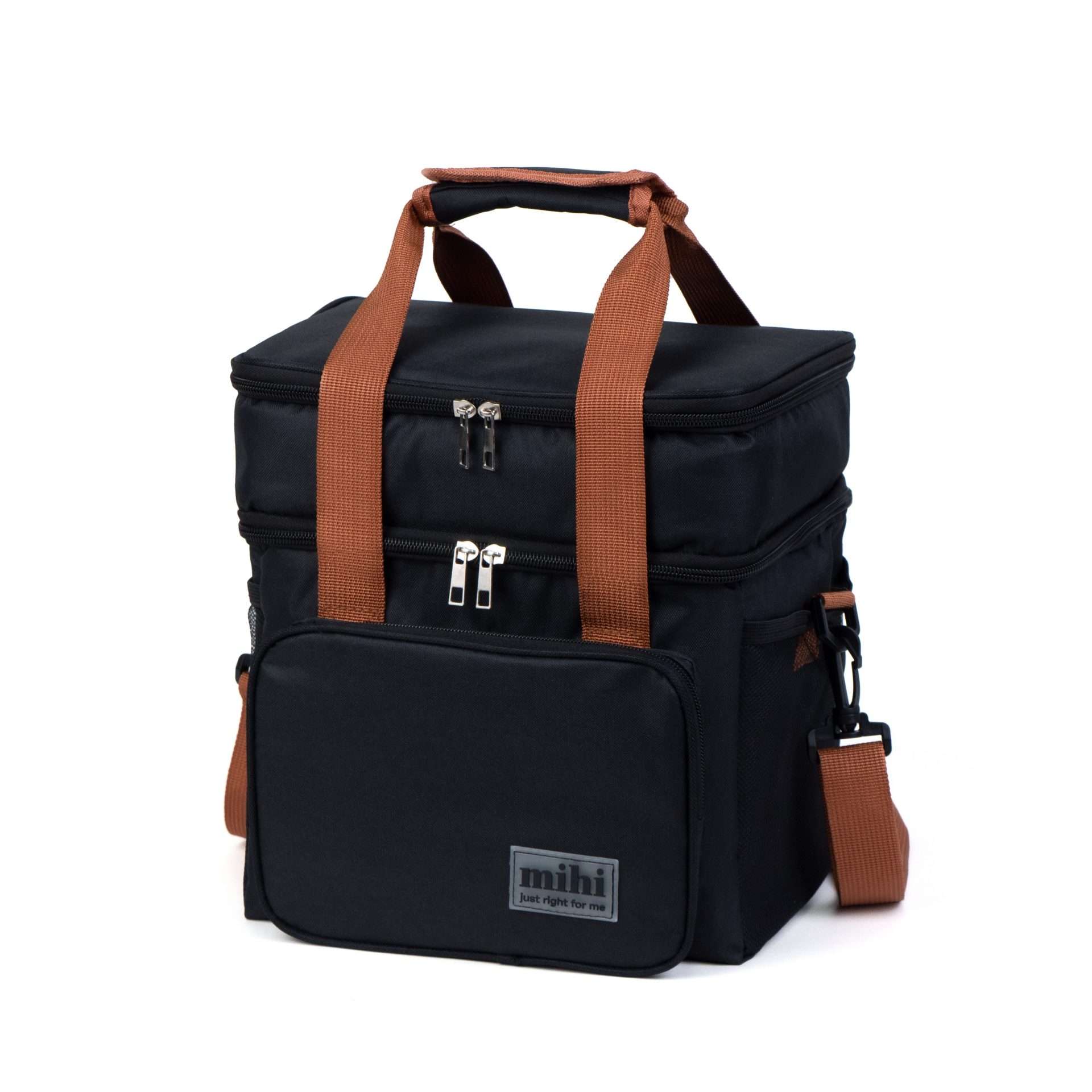
A soft cooler bag is a versatile insulated container characterized by its flexible, fabric exterior. Typically made from materials like polyester, nylon, or Oxford cloth (often coated with PVC or TPU for water resistance), these bags feature an interior insulation layer (commonly PE foam or EPE foam) and a leakproof inner lining (often PEVA or aluminum foil laminate).
Key characteristics include:
- Portabilidade: Lightweight and often equipped with shoulder straps or handles for easy carrying.
- Flexibility: Can fold or collapse when empty, making them easy to store.
- Variety: Available in numerous styles, from lunch bags to tote bags to backpacks.
- Personalização: Highly customizable for branding, making them popular for promotional events.
What Is a Hard Cooler?
A hard cooler, also known as a hard-sided cooler, is distinguished by its rigid, robust shell. These coolers are typically constructed from durable plastics like polyethylene, often using rotational molding (roto-molded) for maximum strength and insulation. They feature thick, insulated walls and lids, usually filled with pressure-injected foam.
Key characteristics include:
- Durabilidade: Built to withstand impacts, rough handling, and harsh outdoor conditions.
- Superior Ice Retention: Designed for extended periods of cold storage, often for several days.
- Capacidade: Generally offer larger capacities suitable for longer trips or bigger groups.
- Stability: Their rigid structure provides a stable surface and often includes latches for secure closure.
Key Differences Between Soft Coolers and Hard Coolers
Here’s a snapshot of the primary distinctions between these two cooler types:
| Recurso | Soft Cooler Bag | Hard Cooler |
|---|---|---|
| Weight (Empty) | Very lightweight | Heavy (due to rigid shell & thick insulation) |
| Portability | Excellent (shoulder straps, handles, backpack style) | Good but bulky (side handles, wheels on larger models) |
| Ice Retention | Good (4–12 hours, max 1 day with optimal conditions) | Excellent (2–7+ days, depending on size & quality) |
| Storage | Collapsible, easy to store when empty | Rigid, takes up fixed space |
| Durabilidade | Good (resistant to punctures, but less impact-proof) | Superior (impact, crush, and bear-resistant) |
| Price | Lower to moderate | Moderate to high (especially roto-molded) |
| Personalização | Extensive (printing, embroidery, custom designs) | Limited (stickers, small logos/engravings) |
Quick Decision Guide: Which Cooler Should You Choose?
If you don’t want to read the full comparison, here’s a quick decision guide to help you choose the right cooler for your needs:
| If You Want… | Choose… |
|---|---|
| Lightweight and easy to carry | Soft Cooler |
| 2–3 days ice retention or more | Hard Cooler |
| Custom logo printing for branding/events | Soft Cooler |
| Outdoor rugged durability & maximum protection | Hard Cooler |
| Bulk purchase for large-scale events or promotions | Soft Cooler |
| Compact storage when not in use | Soft Cooler |
| Lower per-unit cost for mass distribution | Soft Cooler |
For most daily and business uses, especially where portability, branding, and cost-efficiency are factors, soft cooler bags are often the more flexible and practical choice.
Ice Retention Performance Comparison
The core function of any cooler is to maintain temperature, and here, hard coolers typically outperform soft coolers, though soft coolers still offer impressive capabilities for their class. The difference lies in several structural aspects:
- Insulation Thickness & Density: Hard coolers often feature significantly thicker walls and lids (2-3 inches or more) filled with dense, pressure-injected polyurethane foam. Soft coolers typically use 0.5-1 inch (10mm-25mm) of PE or EPE foam. Thicker, denser foam directly correlates to longer ice retention.
- Wall Construction: Hard coolers use rigid plastic shells that add structural integrity and further enhance insulation. Soft coolers rely on fabric, which offers less inherent thermal barrier.
- Lid Seal: High-end hard coolers often have robust, freezer-grade gaskets around the lid, creating an airtight seal that drastically reduces air exchange. Soft coolers typically use zippers or roll-top closures, which, while effective, generally don’t achieve the same airtightness.
- Environmental Impact: Both types perform better when placed in cooler environments and opened less frequently.
While premium soft coolers with advanced insulation can keep ice for up to 24 hours (or even 1-2 days in optimal conditions), top-tier hard coolers can maintain ice for 3-7+ days, making them ideal for multi-day trips.
Portability and Convenience
This is where soft cooler bags truly shine, particularly for daily use and situations requiring frequent movement.
- Weight: Soft coolers are inherently much lighter than their hard-sided counterparts of similar capacity. This makes them easy to carry when full, reducing strain.
- Opções de transporte: Soft coolers often come with adjustable shoulder straps, padded handles, or a backpack design, offering multiple hands-free carrying options. Hard coolers primarily rely on side handles, which can be cumbersome for longer distances, though some larger models have wheels.
- Storage: When empty, most soft coolers can be flattened, folded, or collapsed, saving valuable storage space in a car, closet, or pantry. Hard coolers maintain their rigid shape, taking up fixed space whether empty or full.
- Flexibility: Soft coolers can flex and fit into tighter spaces, making them highly adaptable for car trunks, crowded boats, or even under airplane seats (smaller models). Hard coolers’ rigidity can be limiting in confined areas.
Comparação de Custos
When considering bulk purchases, cost is a significant factor, encompassing more than just the initial price tag.
- Product Cost: Per unit, soft cooler bags are generally more affordable than hard coolers of comparable capacity. This makes them a more viable option for large-scale promotional giveaways, employee gifts, or retail merchandise with a lower price point.
- Shipping Cost: Due to their lighter weight and ability to be packed flat or collapsed, soft coolers have significantly lower shipping costs, especially for bulk orders. This can result in substantial savings for businesses importing or distributing goods.
- Storage Cost: Their collapsible nature means soft coolers require less warehouse or storage space when empty, further reducing overheads for businesses stocking inventory.
- Custom Branding Cost: Soft coolers offer extensive and cost-effective customization options. Logos can be screen-printed, heat-transferred, or embroidered onto various fabric types at relatively low cost per unit for bulk orders. Hard coolers typically offer less prominent branding options, often limited to stickers, plaques, or laser engraving, which can be more costly or less impactful for mass branding.
Which Is Better for Different Use Cases?
The “better” choice is always situational.
Food Delivery Businesses
- Soft Cooler Bags: Ideal. They are lightweight, easy for delivery personnel to carry, flexible enough to fit various food containers, and excellent for maintaining temperatures for typical delivery durations (1-3 hours). Their lower cost also makes them practical for large fleets, and custom branding provides mobile advertising.
- Hard Coolers: Generally too bulky and heavy for frequent, individual food deliveries.
Promotional Events & Giveaways
- Soft Cooler Bags: Excellent. Their lower unit cost, vast customization options, and broad appeal make them a perfect branded item for trade shows, corporate events, or as part of a loyalty program. They offer practical utility consumers appreciate.
- Hard Coolers: Too expensive and difficult to brand for mass giveaways.
Day Trips & Picnics
- Soft Cooler Bags: Often preferred. Easy to pack in the car, carry to the park or beach, and provide sufficient cold retention for a day’s outing.
- Hard Coolers: Can be good for larger groups or if you need to keep things cold for longer without access to a fridge.
Camping & Multi-Day Outdoor Adventures
- Hard Coolers: The clear winner. Their superior ice retention (lasting several days), rugged durability, and ability to serve as a makeshift seat or table make them indispensable for longer expeditions where frequent access to ice isn’t possible and conditions might be harsh.
- Soft Cooler Bags: Best for individual meals or shorter trips within a multi-day adventure, or as a secondary cooler.
Fishing & Boating
- Hard Coolers: Often favored for their ability to withstand marine environments, contain large catches, and keep ice for extended periods. Many are designed with non-slip feet and drain plugs.
- Soft Cooler Bags: Useful for keeping bait or a few drinks, but typically not for main catch storage or long durations.
FAQ Section
- Q: Do soft coolers keep ice as long as hard coolers?
A: Generally no. Hard coolers, especially high-quality roto-molded ones, have significantly thicker insulation and tighter seals, allowing them to retain ice for several days longer than most soft coolers. Soft coolers are typically designed for shorter periods (4-24 hours). - Q: Are soft coolers waterproof?
A: Many soft coolers are designed to be internally leakproof (meaning melted ice won’t leak out). Some, particularly high-end models, are also externally water-resistant or fully waterproof, protecting against rain or splashes. Always check the specific product’s specifications. - Q: Can soft coolers replace hard coolers?
A: For many daily uses, picnics, lunch, or short trips, a soft cooler can effectively replace a hard cooler. However, for multi-day camping, fishing, or scenarios requiring maximum ice retention and extreme durability, a hard cooler remains the superior choice. - Q: Which cooler is better for food delivery?
A: Soft cooler bags are generally better for food delivery due to their lighter weight, portability, flexibility to fit various food containers, and ease of cleaning. They provide ample temperature retention for typical delivery times. - Q: Are hard coolers worth the price?
A: High-end hard coolers are a significant investment, but they are often worth the price for users who need superior ice retention (multiple days), extreme durability for rugged outdoor use, or heavy-duty capacity for large groups. For casual or short-term use, softer options offer better value.
- Q: Do soft coolers keep ice as long as hard coolers?
Final Verdict
The choice between soft cooler bags vs. hard coolers ultimately boils down to your primary purpose and priorities. There isn’t a single “better” option, but rather a more suitable one for particular demands:
- ✔ If your need is for maximum ice retention, extreme durability, and capacity for multi-day excursions, a hard cooler will be your steadfast companion.
- ✔ If you prioritize portability, lightweight design, flexible storage, cost-effectiveness for bulk purchases, and extensive branding opportunities, then soft cooler bags offer an undeniable business advantage and practical versatility for daily and promotional use.
Make your choice based on purpose, not hype. For businesses looking for custom cooler bags in bulk, soft coolers frequently offer a more adaptable and budget-friendly solution with ample branding potential. Contact us today to discuss your specific needs and design the perfect soft cooler bags for your brand!

 Portuguese
 English
 French
 German
 Japanese
 Arabic
 Thai
 Vietnamese
 Russian
 Spanish