
Escolher o tecido de lona certo é uma das decisões mais críticas que você tomará ao desenvolver sacolas personalizadas — no entanto, também é uma das mais negligenciadas. Muitos compradores simplesmente solicitam “sacolas de lona” sem perceber que a lona vem em uma ampla gama de pesos, composições de fibra, tecelagens e acabamentos. Cada variável afeta diretamente a aparência, durabilidade, qualidade de impressão, custo de produção, peso de envio e - o mais importante - como seu cliente vivencia o produto.
Uma sacola promocional leve que se rasga na primeira utilização danifica sua marca. Uma sacola de lona encerada de grau pesado encomendada para um evento de uso único consome suas margens sem necessidade. O tecido certo está na interseção entre seu orçamento, seu caso de uso e as expectativas de seu cliente.
Este guia oferece uma visão completa: desde entender o que é realmente lona, até combinar pesos e acabamentos específicos com aplicações reais de sacolas, até a lista de verificação que você deve seguir antes de enviar um pedido de compra ao seu fabricante.
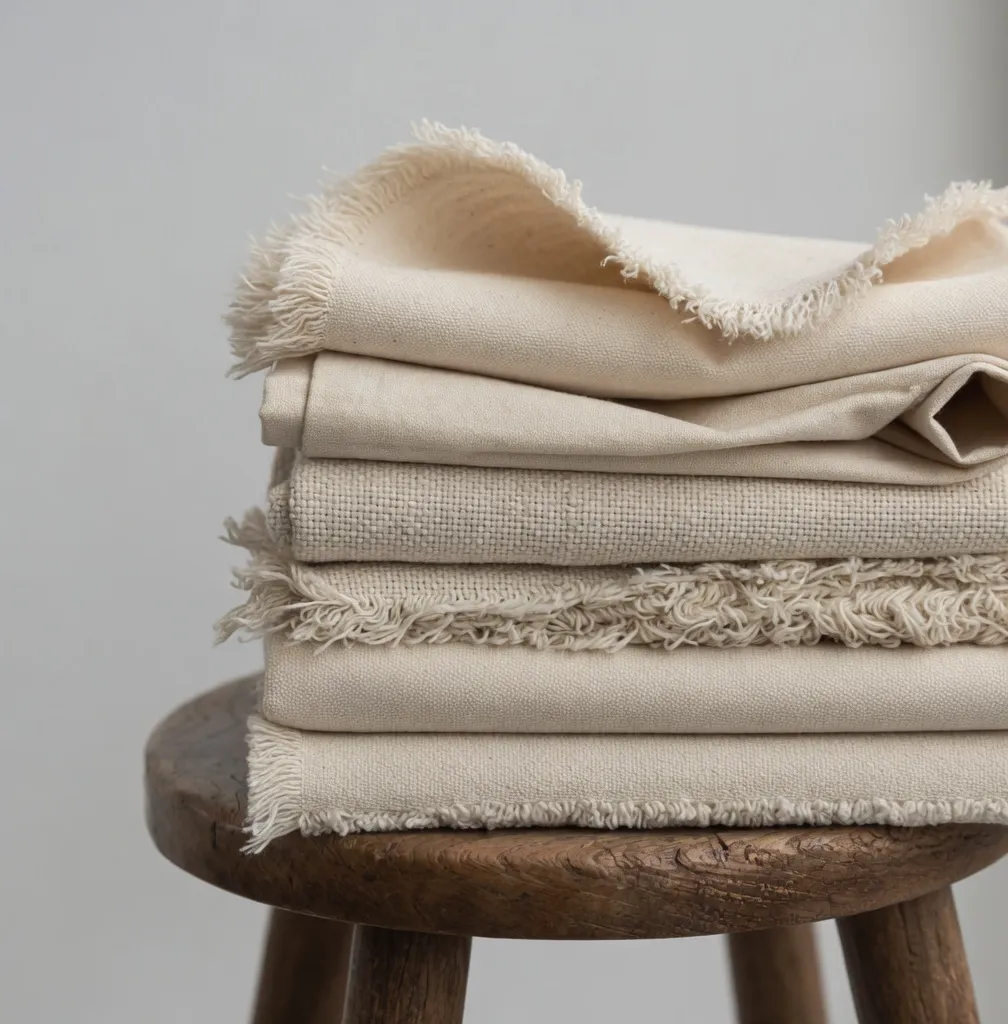
O Que É Tecido de Lona?
A lona é um tecido densamente tecido, tradicionalmente feito de algodão, que obtém sua resistência de uma estrutura de trama simples — os fios de urdidura e trama se entrelaçam em um padrão simples de sobre e sob. Essa construção apertada confere à lona sua robustez característica, tornando-a a escolha padrão para sacolas que devem durar.
A maioria das lonas usadas na fabricação de sacolas se enquadra em duas categorias amplas:
- Lona de pato de algodão: Um tipo específico de lona com uma trama mais apertada e uniforme. O termo “pato” vem da palavra holandesa doek (tecido) e não tem relação com o animal. A lona de pato é classificada por um sistema de numeração onde um número mais baixo significa um tecido mais pesado (por exemplo, a lona de pato #1 é mais pesada do que a lona de pato #10).
- Lona de algodão simples: Uma trama ligeiramente mais solta do que a lona de pato, frequentemente mais macia ao toque, comumente usada para sacolas de moda e sacolas de compras.
Da fibra bruta à sacola finalizada, a jornada é assim:
Fibra de Algodão → Fio Torcido → Tecidos Lisos (Lona) → Tingido ou Acabado → Cortado e Costurado → Bolsa Personalizada
A lona pode ser natural (não tingida), tingida em peça em cores sólidas, feita de algodão orgânico, misturada com fibras recicladas, ou tratada com cera, revestimentos repelentes à água ou laminação em PVC — cada variação abre diferentes aplicações.
Por Que a Seleção do Tecido de Lona É Importante
A escolha do tecido não é um pensamento estético secundário — é a base sobre a qual cada outra decisão se fundamenta.
Durabilidade e Uso Diário
Uma bolsa de lona de 6 oz pode aguentar bem um evento de um dia, mas entregue-a a um cliente que a use para compras semanais e ela falhará em meses. Por outro lado, uma bolsa de ferramentas de 16 oz é excessiva — e excede o orçamento — para uma distribuição promocional. Combine o peso com a expectativa de vida útil e carga.
Resultados de Impressão
Diferentes tecidos recebem tinta de maneira diferente:
- Serigrafia funciona melhor em lona de 8 oz ou mais com uma superfície relativamente lisa e uniforme. Uma textura muito áspera causa vazamento de tinta.
- Impressão Digital (DTG) requer uma lona mais plana e suave para uma reprodução de imagem limpa.
- Heat transfer aderem melhor a tecidos com textura mínima.
- Embroidery necessita de pelo menos 12 oz de tecido para manter as costuras sem enrugar.
Choose the fabric before you choose the printing method — not the other way around.
Custo de Produção
Heavier canvas costs more per yard. Thicker fabrics also weigh more per finished bag, which directly increases shipping costs. For a 10,000-unit order, a 2 oz difference per bag adds up to real freight dollars.
Brand Positioning
The fabric you choose signals your brand:
- Luxury brands lean toward 14–16 oz cotton duck or waxed canvas for a premium, tactile experience.
- Eco-conscious brands specify organic or recycled cotton canvas with GOTS or OEKO-TEX certification.
- Promotional brands prioritize cost efficiency with 6–8 oz canvas that prints well and ships light.
Understand Canvas Fabric Weight (Oz and GSM)
Canvas weight is measured in two systems, and you need to understand both to communicate clearly with suppliers:
- Oz (ounces per square yard): The standard in the US market. A 10 oz canvas means one square yard of the fabric weighs 10 ounces.
- GSM (grams per square meter): The global metric standard, widely used by Asian manufacturers. Most Chinese and Indian mills quote in GSM.
Mais Leve Não É Sempre Pior. Mais Pesado Não É Sempre Melhor.
A 6 oz bag is not lower quality — it is lighter by design. If your goal is to distribute 5,000 branded totes at a conference, a 16 oz canvas bag would be wasteful, expensive, and heavy to ship. The right weight is the one that matches the load, the lifespan, and the budget.
Rule of thumb: Choose the lightest fabric that still meets your durability requirements. Every ounce you save reduces fabric cost and freight — without necessarily sacrificing perceived quality.
Tipos de Tecido de Lona
Cotton Canvas
The industry standard for custom bags.
- Vantagens: Soft natural hand feel, excellent print surface, biodegradable, takes dye well, widely available in multiple weights.
- Desvantagens: Wrinkles easily, absorbs moisture (can mildew if stored wet), shrinks after first wash if not pre-shrunk, higher cost than synthetics.
- Best for: Retail tote bags, fashion bags, corporate gifts, premium promotional products.
Cotton Duck Canvas
A tighter, more uniform weave than standard cotton canvas. Duck canvas is graded by number — #10 duck (~15 oz) is lighter than #1 duck (~30 oz). For bags, #8 to #10 duck canvas is the sweet spot.
- Vantagens: Higher durability and tear resistance, better shape retention, a structured look that holds up over time.
- Desvantagens: Stiffer hand feel, more expensive, harder to fold or pack flat for shipping.
- Best for: Premium tote bags, work bags, bags that need to stand upright.
Lona de Algodão Orgânico
Grown without synthetic pesticides or fertilizers, processed without harsh chemicals.
- Vantagens: Appeals to sustainability-focused consumers, can carry GOTS or OEKO-TEX certification, strong brand storytelling value.
- Desvantagens: Higher cost (typically 20–40% premium), limited color availability, yields are slightly lower.
- Best for: Eco-branded retail bags, zero-waste store merchandise, premium sustainable fashion.
Lona de Algodão Reciclado
Made from pre-consumer or post-consumer cotton waste — scraps from garment factories or recycled cotton textiles.
- Vantagens: Reduces landfill waste, lower water and energy footprint vs. virgin cotton, growing consumer demand.
- Limitações: Fiber length is shorter than virgin cotton, which can slightly reduce durability. Often blended with virgin cotton or polyester to maintain strength. Color may have natural variations.
- Best for: Brands with a circular-economy message, environmentally-positioned product lines.
Lona Misturada (Algodão-Poliéster)
Typically 65% cotton / 35% polyester or similar ratios.
- Vantagens: Wrinkle-resistant, lower cost (10–25% cheaper than 100% cotton), better dimensional stability — bags hold their shape through washing and use.
- Desvantagens: Less breathable, slightly lower-end hand feel, polyester content reduces biodegradability.
- Best for: Mid-range retail bags, trade show giveaways, bags where cost is a primary concern but cotton feel is still desired.
Qual Peso de Lona É o Melhor para Diferentes Sacolas Personalizadas?
If your bag falls between categories, err on the heavier side for bags intended for recurring use and the lighter side for one-time or short-life applications.
Como o Método de Impressão Afeta a Seleção do Tecido
Key takeaway: If your design is intricate or photo-realistic, choose a smooth, tightly-woven canvas. If you plan to embroider, do not go below 12 oz. Always request a print sample on your selected fabric — what looks good on paper does not always translate to fabric.
Lona Natural vs. Tingida vs. Encerada
If water resistance matters, choose coated or waxed canvas. If print quality is your top priority, natural or dyed untreated canvas gives you the cleanest surface.
Custo vs. Qualidade — Onde Investir e Onde Economizar
Canvas fabric pricing follows a clear hierarchy:
Polyester Canvas < Cotton-Poly Blend < 100% Cotton Canvas < Duck Canvas < Waxed/Coated Canvas < Organic Canvas
But the per-yard fabric cost is only part of the story. Three hidden cost factors matter just as much:
- Fabric waste rate: Natural cotton canvas has more visible imperfections (slubs, neps, uneven dyeing) than polyester blends. A higher defect rate means more yardage is wasted during cutting, increasing your effective cost.
- Printing cost variation: Polyester canvas requires different ink formulations than cotton. If your supplier does not stock the right ink, you may pay a setup premium.
- Shipping weight: Every ounce of fabric adds to landed cost. For a 10,000-unit order, the freight difference between 8 oz and 12 oz canvas can be substantial — factor it into your total landed cost, not just the FOB price.
Quando Investir vs. Quando Economizar
Cost-saving tip: If your budget is tight and you still want the cotton feel, specify a 65/35 cotton-poly blended canvas. You get roughly 70% of the cotton aesthetic at about 50% of the premium over pure polyester.
Questions Buyers Should Ask Before Ordering Bolsas de Lona
Run through this checklist before you contact a manufacturer:
- What weight do I need?— Narrow it to an oz or GSM range based on your bag type.
- What will the bag carry?— Groceries? Laptops? Promotional leaflets? Load determines weight.
- Which printing method?— Screen print, DTG, heat transfer, or embroidery? Confirm fabric compatibility.
- Indoor or outdoor use?— Outdoor bags benefit from coated or synthetic-blend canvas.
- Do I need waterproofing?— If yes, specify waxed, DWR, or PVC-coated — each has different trade-offs.
- Any sustainability requirements?— Organic, recycled, GOTS-certified, or OEKO-TEX? Specify early.
- What is my budget per unit?— Fabric cost is typically 30–50% of the total bag cost.
- What are the shipping considerations?— Heavier bags cost more to ship. Factor freight into your comparison.
Erros Comuns ao Escolher Tecido de Lona
- Defaulting to the heaviest fabric — “Heavier = better quality” is the most common misconception. A 16 oz tote is uncomfortable to carry and expensive to ship.
- Ignoring printing compatibility — Ordering 5,000 units in a textured, coated canvas, then discovering your screen-print design bleeds. Always test print on your selected fabric first.
- Focusing only on per-unit price — A 6 oz bag costs less per unit but may wear out after three uses, damaging your brand. Factor in cost-per-use, not just cost-per-unit.
- Not requesting fabric swatches — Digital photos and spec sheets lie. Colors shift, textures surprise. Request physical swatches before committing to a bulk order.
- Overlooking shrinkage — Cotton canvas shrinks 3–5% on first wash if not pre-shrunk. If your bag will be washed, specify pre-shrunk fabric.
- Ignoring certification requirements — If your customer base expects GOTS or OEKO-TEX, you cannot retrofit certification after production. Specify it in the initial brief.
Tecido de Lona Recomendado por Indústria
Por Que Trabalhar com um Fabricante de Sacolas de Lona Experiente
The right manufacturer does more than sew bags — they guide your material choices at the prototyping stage, before expensive mistakes happen.
What to look for:
- Material sourcing expertise — A factory that stocks multiple canvas grades and can recommend based on your use case, not just price.
- Printing capability in-house — When fabric and printing are handled under one roof, compatibility issues are caught early.
- Quality control systems — Inline inspection during cutting and sewing catches fabric defects before they become finished-bag problems.
- OEM & ODM support — Whether you bring your own design or need development help, the right partner adapts to your process.
- Prototype and sampling speed — Fast sample turnaround with multiple fabric options lets you make an informed choice without delaying your timeline.
- Global export experience — Understanding of international shipping logistics, customs documentation, and packaging requirements for different markets.
At INITI, we stock a full range of cotton canvas, duck canvas, recycled, and coated options — and we work with clients at the swatch stage to narrow down fabric choices before cutting a single yard. If you are unsure which canvas weight or finish fits your project, we are here to talk through it.
Perguntas Frequentes
Qual peso de lona é melhor para sacolas tote?
For everyday tote bags, 10–12 oz cotton canvas is the most common choice — it balances durability, print quality, and cost. For premium fashion totes, go up to 14–16 oz. For promotional giveaways, 6–8 oz is sufficient.
A lona de 12 onças é pesada o suficiente?
Yes — for most standard retail and grocery tote applications, 12 oz canvas is more than adequate. It supports up to 15–20 lbs of content comfortably and holds its shape well.
Qual é a diferença entre lona e lona de pato?
Duck canvas is a specific subtype of canvas with a tighter, more uniform weave. It is more durable than standard canvas at the same weight and holds its shape better, making it ideal for structured bags. The name “duck” comes from the Dutch word doek, meaning cloth.
A lona orgânica é mais forte do que a lona convencional?
No — organic certification refers to how the cotton was grown (without synthetic pesticides), not the fabric’s physical strength. At the same weight and weave, organic and conventional canvas perform identically in terms of durability. The difference is environmental, not mechanical.
As sacolas de lona podem ser impermeáveis?
Untreated cotton canvas is absorbent, not waterproof. Options: waxed finish (traditional, develops patina), DWR coating (light water repellency, wears off over time), or PVC lamination (full waterproofing, but stiff and heavier). Choose based on how much water exposure the bag will face.
Qual lona funciona melhor para serigrafia?
8 oz to 12 oz cotton canvas with a smooth, even surface delivers the cleanest screen print results. Avoid heavily textured or coated canvas — the ink will not lay evenly. Always request a print sample before bulk production.
Lonas mais pesadas duram mais?
Generally, yes — but only if the bag is actually carrying heavy loads. A 16 oz tote carrying a T-shirt and a magazine is not significantly more durable than a 10 oz tote carrying the same contents. Heavy canvas shines under real stress, not everyday light use.
A lona reciclada pode ser impressa?
Yes. Recycled cotton canvas accepts screen printing, DTG, and heat transfer. However, because recycled fibers are shorter, the surface may be slightly less uniform than virgin cotton — a print test is especially important here.
Conclusão
Choosing the right canvas fabric for custom bags is not about finding the “best” canvas — it is about finding the right canvas for your specific project. The correct choice balances your bag’s intended use, the expected load, your printing requirements, your budget, and your brand’s positioning.
A few principles to carry forward:
- Match the weight to the job. Promotional totes do not need 16 oz duck canvas; tool bags should not be made from 6 oz fabric.
- Test before you commit. Request fabric swatches. Print a sample. Check how the bag feels in hand — not just what the spec sheet says.
- Factor in the full cost. Freight, fabric waste, and printing compatibility all affect landed cost. Look beyond the per-yard price.
- Work with a manufacturer who consults, not just quotes. The right partner asks about your use case before they ask about your order quantity.
Ready to start your custom canvas bag project? Reach out to our team for a free fabric consultation — we will help you narrow down the right canvas weight, finish, and construction for your needs, with swatch samples available on request.
 Portuguese
 English
 French
 German
 Japanese
 Arabic
 Thai
 Vietnamese
 Russian
 Spanish