
How to Store Camera Lenses Properly
Camera lenses are precision optical instruments — delicate, expensive, and often irreplaceable in terms of both cost and performance. A single scratch, speck of dust inside the barrel, or worse, lens fungus can ruin image quality and cost hundreds (or even thousands) of dollars in repairs or replacement. Proper storage is one of the most effective ways to protect your investment and keep your lenses performing at their best for many years.
In this complete guide, we cover practical, photographer-tested methods for storing lenses safely — whether for daily use, at home, long-term archiving, or travel — with detailed advice on humidity control (especially relevant in San Jose / Bay Area’s variable coastal climate), and a clear size guide to help you choose the right protective pouches for your specific lenses.
1. Understanding Camera Lens Vulnerabilities
1.1 Parts of a Lens That Need Protection
- Front and rear glass elements — most vulnerable to scratches, fingerprints, dust, and fungus
- Focus and zoom rings — can become stiff or gritty from dust or pressure damage
- Lens mount & gold electronic contacts — sensitive to moisture, corrosion, and physical impact
- Aperture blades — delicate internal mechanism that can stick if stored in poor conditions
1.2 What Can Damage a Camera Lens
- Physical impact (drops, knocks, crushing)
- Dust, sand, and airborne particles
- High humidity (>60%) + darkness + poor ventilation → fungus growth
- Rapid temperature swings causing internal condensation
- Pressure from stacking heavy items on top of lenses
Fungus is a particularly serious risk in coastal California areas during humid months — once it etches lens coatings, the damage is usually permanent.
2. How to Store Camera Lenses for Daily Use
2.1 Storing Lenses in a Camera Bag
A well-organized camera bag with customizable padded dividers remains the most convenient solution for active photographers.
Here are examples of properly configured bags using adjustable dividers to keep lenses separated and secure:
Tips: Place heavier lenses (e.g. 70-200mm f/2.8) toward the bottom or center for better balance. Never let lenses touch each other directly.
2.2 Using Individual Lens Protection
For maximum daily protection — especially when changing lenses frequently or carrying gear in less structured bags — individual lens pouches are highly recommended.
Neoprene lens pouches are the most popular choice: they provide excellent shock absorption, dust protection, moisture resistance, and remain lightweight and affordable.
Here are real-world examples of neoprene pouches in different sizes used with actual lenses:
Lens Pouch Size Guide (Neoprene pouches – approximate internal dimensions)

| Taille | Diameter (cm) | Height (cm) | Best Suited For (Common Examples) | Typical Lens Types |
|---|---|---|---|---|
| Extra Small (XS) | 7–9 | 6–8 | Compact mirrorless primes, pancake lenses | 35mm f/1.8, 50mm f/1.8 (small), 27mm f/2.8 |
| Small (S) | 9–11 | 8–10 | Most standard primes, small fast primes | 24mm f/1.4, 35mm f/1.4, 50mm f/1.4, 85mm f/1.8 |
| Medium (M) | 11–13 | 10–14 | Standard zooms, short telephotos, many mid-size primes | 24-70mm f/2.8, 24-105mm f/4, 70-200mm f/4 |
| Large (L) | 13–16 | 14–18 | Professional telephoto zooms, large portrait lenses | 70-200mm f/2.8, 100-400mm, 85mm f/1.4 (large) |
| Extra Large (XL) | 16+ | 18+ | Super-telephotos, big wildlife & sports lenses | 100-600mm, 200-600mm, 400mm f/2.8, 600mm f/4 |
Selection tips:
- Measure your lens (with hood reversed if you store it that way) and choose a pouch 1–2 cm larger in each dimension
- Many brands offer convenient 3–5 piece multi-size pouch sets — perfect for protecting an entire kit
Here are more examples showing real lenses fitting different pouch sizes:
3. How to Store Camera Lenses at Home
3.1 Short-Term Storage (Between Shoots)
- Clean lens (blower → soft brush → proper lens tissue)
- Attach both front and rear caps
- Store in cool (18–24°C), dry, dust-free location — preferably interior shelf/closet away from windows, heating vents, and floor-level dust
3.2 Long-Term Storage
In the Bay Area, where humidity can spike during certain seasons, moisture control is critical.
Electronic dry cabinets are the most reliable and hassle-free solution, automatically maintaining 35–50% relative humidity (most photographers target 40–45%).
Here are examples of well-organized dry cabinets with safe lens storage:
Budget alternative: Airtight plastic bins + rechargeable silica gel packs (check and regenerate every 2–4 weeks). Inspect stored lenses every 3–6 months.
4. How to Store Camera Lenses for Travel
4.1 Carry-On vs Checked Luggage
Always keep lenses in carry-on luggage. Checked bags face:
- Extreme pressure changes
- Rough handling
- Wide temperature swings
- Higher theft risk
4.2 Packing Multiple Lenses Safely
- Use individual neoprene pouches as primary protection
- Place in padded camera bag compartments or hard case with foam dividers
- Never stack heavy lenses directly on lighter ones
- Fill gaps with soft clothing or bubble wrap
For rugged travel or shipping, hard-shell cases with custom foam offer maximum protection:

5. Choosing the Right Storage Solution for Camera Lenses
| Storage Option | Meilleur pour | Niveau de protection | Portabilité | Coût |
|---|---|---|---|---|
| Camera bag compartments | Daily / frequent use | Bon | Excellent | Moyen |
| Neoprene lens pouches | Everyday + light travel | Very Good | Excellent | Faible |
| Hard cases (foam) | Travel, shipping, long-term | Excellent | Modéré | Haut |
| Electronic dry cabinet | Long-term home storage (humid areas) | Excellent | Poor | Medium-High |
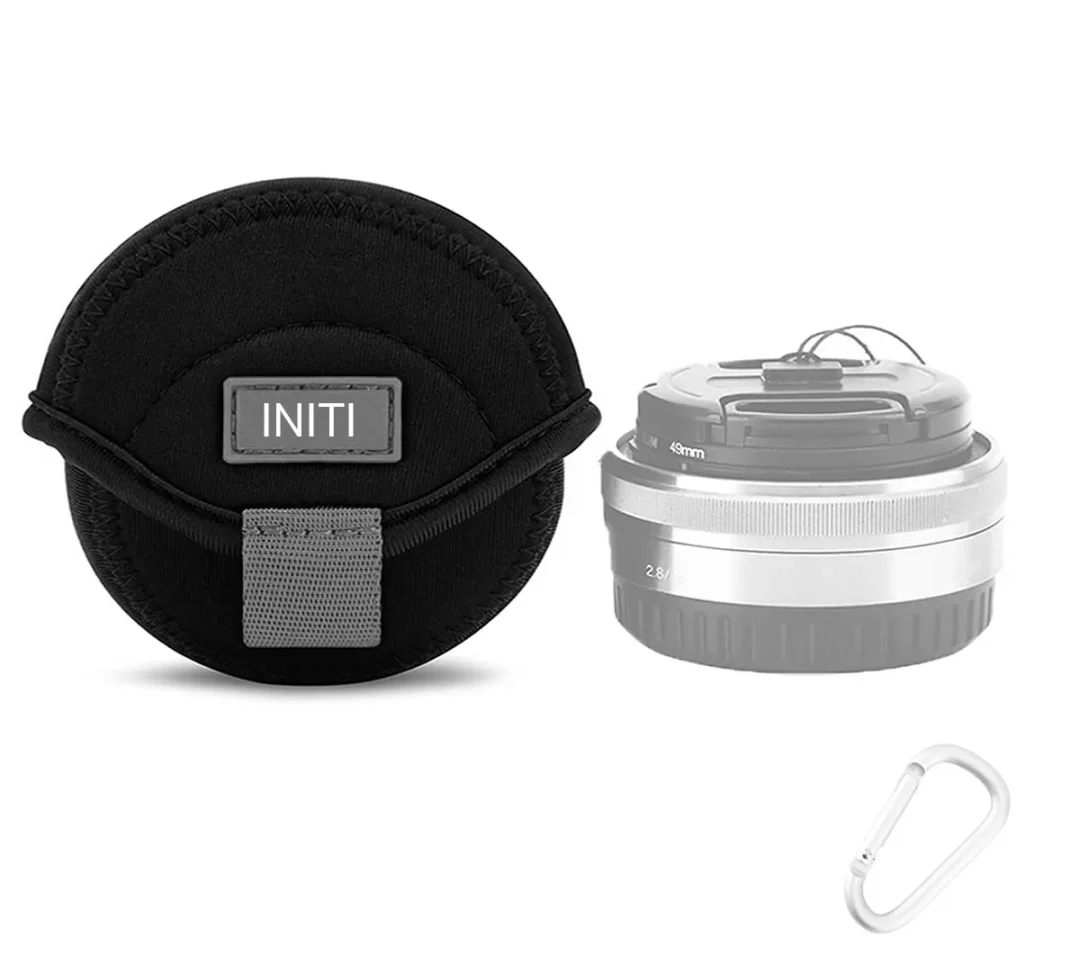
Key features to look for:
- Correct sizing (especially important for pouches)
- Good shock absorption
- Dust & moisture resistance
- Easy access when needed
6. Common Mistakes to Avoid
- Storing lenses without front/rear caps
- Throwing lenses loose into any bag
- Ignoring humidity control (especially in coastal California)
- Stacking heavy gear on top of lenses
- Putting away damp or condensation-covered equipment
7. Tips to Extend the Life of Your Camera Lenses
- Always clean before storage
- Rotate long-stored lenses every few months for air circulation
- Make good storage habits automatic — a quick 2-minute routine after each shoot prevents years of problems
Conclusion: Make Proper Lens Storage a Habit
Whether you’re protecting a single prime in a small neoprene pouch, organizing your full kit in a divided camera bag, or safeguarding valuable glass in a dry cabinet during San Jose’s humid months, the right storage strategy depends on your shooting style, travel frequency, and local environment.
Start with the basics: always use caps, choose properly sized individual protection, and control moisture. These simple habits will save you from expensive repairs and keep your lenses sharp and fungus-free for many years.


 French
 English
 German
 Japanese
 Arabic
 Thai
 Vietnamese
 Russian
 Spanish
 Portuguese