
Beach bags serve as essential companions for coastal activities, poolside relaxation, and outdoor adventures. Unlike standard handbags or everyday totes, beach bags are specifically engineered to handle the unique challenges of seaside environments including sand, moisture, UV exposure, and the need to transport bulky items like towels and beach equipment.
Beach activities demand specialized storage solutions that can accommodate everything from sunscreen and snacks to wet swimwear and sandy toys. The right beach bag combines functionality with durability, ensuring your essentials remain organized and protected throughout your seaside adventures.
This comprehensive guide explores beach bag definitions, essential features, material types, sizing considerations, and selection criteria to help you understand what makes these specialized bags indispensable for coastal and outdoor activities.
¿Qué es una bolsa de playa?
Definition of a Beach Bag
A beach bag is a large, lightweight bag specifically designed for carrying beach essentials such as towels, sunscreen, swimsuits, snacks, and recreational equipment. These bags prioritize spacious capacity, weather resistance, and easy cleaning over the refined aesthetics typically associated with fashion accessories.
Beach bags distinguish themselves from conventional bags through specialized design features including sand-resistant materials, drainage capabilities, UV-resistant fabrics, and construction methods that withstand saltwater exposure and outdoor conditions.
The fundamental purpose of beach bags extends beyond simple storage to include protection of contents from environmental elements, organization of diverse beach items, and convenience features that enhance the overall beach experience.
Main Purpose of a Beach Bag
Carry beach essentials: Beach bags accommodate the larger volume and diverse shape requirements of typical beach items including oversized towels, inflatable equipment, and bulky sun protection gear that exceed standard bag capacities.
Organize items for outdoor activities: Multiple compartments, specialized pockets, and internal organization systems help separate wet items from dry belongings, keep small valuables secure, and provide easy access to frequently needed items like sunscreen or water bottles.
Protect belongings from sand and moisture: Weather-resistant construction, sealed compartments, and sand-filtering features protect electronics, documents, and clothing from beach environment hazards while maintaining usability in wet conditions.
Key Features of a Beach Bag
| Característica | Standard Bags | Bolsas de playa | Beach Advantage |
|---|---|---|---|
| Capacidad | 10-20 liters | 25-50 liters | Accommodates towels, equipment |
| Resistencia al agua | Limited | Alto | Protects from splashes, wet items |
| Sand Filtration | None | Mesh/Drainage | Prevents sand accumulation |
| UV Protection | Minimal | Treated fabrics | Prevents material degradation |
| Easy Cleaning | Varies | Designed for washing | Simple maintenance after beach use |
Gran Capacidad
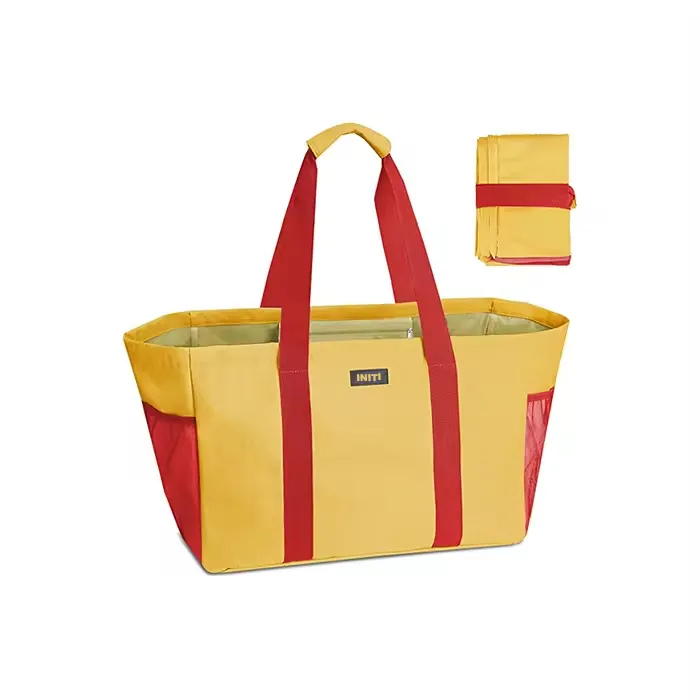
Beach bags typically offer 25-50 liter capacity compared to 10-20 liters in standard tote bags. This expanded volume accommodates oversized beach towels, extra clothing, inflatable items, and recreational equipment that define successful beach outings.
The spacious interior design prioritizes functionality over sleek profiles, with wide openings and flexible construction that adapts to irregularly shaped items like beach umbrellas, coolers, or sports equipment.
Lightweight Design
Despite their large capacity, quality beach bags minimize weight through strategic material selection and construction techniques. Lightweight design becomes crucial during extended walks on sand or when carrying multiple bags for family groups.
Advanced synthetic materials and minimalist hardware reduce bag weight while maintaining structural integrity and durability required for beach environments.
Durable Materials
Beach bag materials must withstand UV exposure, saltwater corrosion, abrasive sand contact, and repeated wet-dry cycles. Common materials include reinforced nylon, treated canvas, waterproof synthetics, and marine-grade fabrics originally developed for sailing applications.
Reinforced stress points, corrosion-resistant hardware, and fade-resistant dyes ensure beach bags maintain functionality and appearance through multiple seasons of intensive use.
Sand-Resistant or Breathable Structure
Many beach bags incorporate mesh panels, drainage grommets, or specially designed weaves that allow sand to filter out rather than accumulate inside the bag. This prevents the gradual sand buildup that can damage contents and make bags heavy over time.
Breathable construction also promotes air circulation, helping wet items dry faster and preventing mildew development in humid beach environments.
Múltiples Compartimentos
Effective beach bags feature specialized compartments for different item categories: waterproof sections for electronics and documents, insulated areas for food and drinks, mesh pockets for wet swimwear, and easily accessible exterior pockets for frequently used items like sunscreen or keys.
Common Types of Beach Bags
| Beach Bag Type | Primary Material | Key Advantage | Rango de precios | Best Use Case |
|---|---|---|---|---|
| Mesh Beach Bags | Synthetic mesh | Sand drainage | $15-40 | Family beach days with toys |
| Canvas Beach Bags | Treated canvas | Heavy-duty strength | $25-75 | Extended beach trips, equipment |
| Straw Beach Bags | Natural fibers | Fashion appeal | $30-120 | Resort settings, style-focused |
| Waterproof Beach Bags | PVC/TPU coating | Complete water protection | $20-60 | Water sports, electronics |
| Insulated Beach Bags | Insulated lining | Temperature control | $35-90 | Food and beverage transport |
Mesh Beach Bags
Mesh beach bags excel at sand drainage and quick drying, making them ideal for families with children who collect shells, build sandcastles, or use numerous beach toys. The open weave allows sand to filter out naturally while providing excellent visibility of contents.
High-quality mesh bags use reinforced stitching and durable synthetic materials that resist tearing from sharp objects while maintaining their drainage advantages.
Canvas Beach Bags
Canvas beach bags offer maximum durability and load-bearing capacity, suitable for extended beach trips or situations requiring heavy-duty performance. Treated canvas resists water absorption while maintaining the classic textile feel and appearance.
These bags often feature reinforced bottoms, leather trim, and substantial hardware that can handle fully loaded conditions without structural compromise.
Straw Beach Bags
Straw beach bags prioritize aesthetic appeal and resort-style fashion while providing functional beach storage. Natural fiber construction offers breathability and environmental sustainability, though typically at reduced durability compared to synthetic alternatives.
Premium straw bags often incorporate leather accents, fabric linings, and reinforcement details that enhance both appearance and functionality.
Waterproof Beach Bags
Waterproof beach bags provide complete moisture protection for electronics, documents, and clothing that must remain completely dry. PVC or TPU construction creates impermeable barriers while sealed seams prevent water infiltration.
These bags suit water sports enthusiasts, parents with infants requiring dry supplies, or anyone needing guaranteed moisture protection in marine environments.
Insulated Beach Bags
Insulated beach bags combine storage capacity with temperature control, keeping beverages cold and preventing food spoilage during extended beach sessions. Thermal lining technology maintains temperature differentials for 4-8 hours depending on external conditions.
Many insulated beach bags feature dual-zone design with separate insulated and non-insulated compartments for mixed storage requirements.
What Size Is a Typical Beach Bag?
Beach bag sizing varies significantly based on intended use, from compact personal bags to oversized family carriers. Understanding size categories helps match bag capacity to specific beach activities and group sizes.
| Beach Bag Size | Dimensions (inches) | Capacidad | Mejor para | Typical Contents |
|---|---|---|---|---|
| Pequeño | 14″ x 10″ x 6″ | 15-20 litros | Solo beach trips, short visits | Personal towel, sunscreen, book, water |
| Medio | 18″ x 14″ x 8″ | 25-35 liters | Couples, day trips | Two towels, snacks, drinks, beach games |
| Grande | 22″ x 16″ x 10″ | 40-50 liters | Small families, extended stays | Multiple towels, toys, cooler items, extra clothes |
| Extra Grande | 26″ x 20″ x 12″ | 60+ liters | Large families, beach equipment | Beach umbrella, chairs, extensive gear, group supplies |
Size selection should consider not only carrying capacity but also transportation logistics. Oversized bags may exceed airline carry-on restrictions or become unwieldy during beach walks, while undersized bags may require multiple trips or leave essential items behind.
What Do People Put in a Beach Bag?
Beach bag contents vary based on activity type, duration, group size, and personal preferences. Understanding common items helps inform bag selection and organization strategies.
| Item Category | Specific Items | Purpose | Requisitos de almacenamiento |
|---|---|---|---|
| Sun Protection | Sunscreen, sunglasses, hat, UV shirt | Prevent sunburn and UV damage | Easy access pocket |
| Towels & Clothing | Beach towels, extra swimwear, cover-ups | Drying, warmth, modesty | Main compartment |
| Hydration & Snacks | Water bottles, sports drinks, fruit, sandwiches | Maintain energy and hydration | Insulated section |
| Entertainment | Books, magazines, music players, games | Relaxation and fun activities | Waterproof compartment |
| Beach Equipment | Sand toys, floaties, snorkel gear, beach ball | Water activities and sand play | Mesh sections |
| Personal Care | Tissues, wet wipes, first aid, toiletries | Hygiene and minor emergencies | Secure pocket |
| Electronics | Phone, camera, chargers, speakers | Communication and photography | Waterproof pouch |
| Valuables | Wallet, keys, jewelry, documents | Essential personal items | Hidden/zippered pocket |
Beach Bag vs Tote Bag
While beach bags and tote bags share some similarities in basic structure, they serve distinctly different purposes and incorporate specialized features for their intended environments.
| Característica | Bolsa de playa | Tote Bag | Key Difference |
|---|---|---|---|
| Tamaño | Larger (25-50L) | Medium (10-25L) | Beach bags accommodate bulkier items |
| Materiales | Waterproof/mesh/treated | Cotton/canvas/leather | Beach bags prioritize weather resistance |
| Primary Use | Beach & outdoor activities | Daily errands & work | Environmental specialization |
| Style Focus | Function over form | Fashion and versatility | Beach bags emphasize utility |
| Rango de precios | $15-120 | $20-200+ | Tote bags have wider price variation |
| Cleaning | Easy wash/rinse | Spot clean/dry clean | Beach bags designed for frequent washing |
The fundamental distinction lies in environmental adaptation: beach bags incorporate specific features for sand, water, and UV exposure that would be unnecessary and potentially counterproductive in daily-use tote bags.
For detailed comparisons and selection guidance between these bag types, explore our comprehensive analysis of Beach Bag vs Tote Bag: What’s the Difference?
How to Choose the Right Beach Bag
Consider Capacity
Evaluate your typical beach activities and group size to determine appropriate capacity. Solo beachgoers may find 15-25 liter bags sufficient, while families require 40-60 liter capacity for towels, toys, snacks, and equipment for multiple people.
Consider seasonal variations in your beach activities. Summer family trips may require larger capacity than winter solo beach walks, suggesting either multiple specialized bags or one versatile large option.
Choose Suitable Materials
Match material properties to your primary beach activities and climate conditions. Frequent swimmers benefit from quick-dry mesh construction, while equipment-heavy users need reinforced canvas or synthetic materials for durability.
Climate considerations include UV intensity, humidity levels, and saltwater exposure frequency. Tropical environments demand maximum UV resistance and quick-dry capabilities, while temperate climates may prioritize durability over rapid moisture management.
Look for Functional Features
Prioritize features that address your specific pain points and usage patterns. Families with young children benefit from external mesh pockets for quick toy access, while electronics users need waterproof compartments for device protection.
Security features become important in crowded beach environments. Hidden pockets, zippered compartments, and attachment points for valuables provide peace of mind during swimming or extended time away from your bag.
Think About Your Activities
Active beach users engaging in water sports, beach volleyball, or extensive walking need lightweight, secure bags that won’t impede movement. Relaxation-focused beachgoers can accommodate heavier bags with additional comfort features.
Transportation method affects bag selection. Air travelers need bags that compress well and meet carry-on restrictions, while car travelers can choose larger, less portable options for maximum beach convenience.
Who Uses Beach Bags?
| User Category | Typical Needs | Preferred Features | Bag Size |
|---|---|---|---|
| Families | Multiple towels, toys, snacks, safety items | Large capacity, multiple compartments, durability | Large to XL |
| Solo Travelers | Personal items, books, light refreshments | Comfortable carrying, security features | Small to Medium |
| Water Sports Enthusiasts | Equipment protection, quick access | Waterproof compartments, external attachments | Medio |
| Resort Guests | Style coordination, poolside convenience | Aesthetic appeal, easy cleaning | Medio |
| Beach Sports Players | Equipment transport, team coordination | Durability, team customization options | Grande |
Families represent the largest beach bag user segment, requiring maximum capacity and organization features for managing diverse needs across multiple family members and extended beach sessions.
Travelers prioritize versatility and packability, seeking bags that serve double duty as both beach carriers and general travel accessories while meeting airline restrictions.
Beach sports enthusiasts need specialized features for equipment protection and quick access during active pursuits, often preferring water-resistant construction and secure closure systems.
Resorts and hotels increasingly provide beach bags as amenities or sell branded versions, focusing on durability under high-use conditions and easy maintenance for housekeeping staff.
Preguntas Frecuentes
What makes a bag a beach bag?
A beach bag is defined by specialized features including large capacity for towels and equipment, weather-resistant materials, sand drainage or filtration capabilities, and construction designed for outdoor marine environments. These features distinguish beach bags from standard tote bags or handbags.
Are beach bags waterproof?
Beach bags range from water-resistant to fully waterproof depending on construction. Mesh bags allow drainage but offer minimal water protection, canvas bags provide moderate water resistance, while PVC or TPU-lined bags offer complete waterproof protection. Choose based on your specific moisture protection needs.
What size beach bag should I buy?
Beach bag size depends on group size and activity type. Solo users typically need 15-25 liter capacity, couples require 25-35 liters, and families need 40+ liters. Consider your largest anticipated beach outing when selecting size, as oversized bags can always carry less while undersized bags limit options.
Are mesh beach bags good for sand?
Mesh beach bags excel at sand management, allowing sand to filter out naturally rather than accumulating inside the bag. This prevents the gradual sand buildup that makes bags heavy and damages contents. However, mesh construction offers minimal weather protection for sensitive items.
Can beach bags be used for travel?
Many beach bags work well for travel, particularly for resort destinations or beach-focused trips. However, consider airline size restrictions, security features for valuables, and whether the beach-specific features (like drainage) are appropriate for general travel use. Some travelers prefer dedicated travel bags for non-beach destinations.
How do I clean a beach bag after use?
Most beach bags can be rinsed with fresh water to remove salt and sand, then air dried completely. Canvas and synthetic bags often handle machine washing, while straw bags require gentle hand cleaning. Always check manufacturer care instructions and ensure complete drying to prevent mildew development.
What’s the difference between a beach bag and a pool bag?
Beach bags and pool bags share many features but beach bags typically emphasize sand resistance and UV protection for outdoor use, while pool bags may prioritize style and easy cleaning for controlled pool environments. Beach bags generally offer larger capacity for extended outdoor activities.

 Spanish
 English
 French
 German
 Japanese
 Arabic
 Thai
 Vietnamese
 Russian
 Portuguese