
Identifying biodegradable Einkaufstaschen can sometimes be a bit tricky, as not all bags labeled as “biodegradable” actually meet meaningful environmental standards. To make sure you’re choosing genuinely biodegradable Einkaufstaschen, here are some steps you can follow:

Check Labels and Certifications:
Look for clear labels and certifications on the shopping bags. Reputable biodegradable bags should have certifications from recognized organizations, such as the Biodegradable Products Institute (BPI) or similar local environmental agencies. These certifications ensure that the bag meets specific biodegradability and compostability standards.
Look for Specific Language:
Genuine biodegradable bags often use specific language on their labels, such as “Certified Compostable,” “Meets ASTM D6400 Standards,” or “BPI Certified.” These indicate that the Taschen have been tested and approved according to industry standards for biodegradability and compostability.
Check for Eco-Friendly Materials:
Biodegradable bags are typically made from eco-friendly materials like cornstarch, PLA (polylactic acid), or other plant-based materials. These materials break down more readily in natural environments compared to traditional plastic bags made from petroleum-based sources.

Examine Bag Appearance:
Biodegradable bags may look slightly different from traditional plastic bags. They might have a different texture, color, or feel due to the use of natural materials. Keep in mind that the appearance alone is not a foolproof way to identify biodegradable bags, as some manufacturers may still mimic the look of plastic.
Read the Fine Print:
Look for any additional information provided on the bag’s packaging. This might include details about the bag’s composition, its decomposition timeframe, and proper disposal methods.
Research the Brand:
Research the brand or manufacturer of the bag. Reputable companies that prioritize sustainability often provide clear information about their products’ biodegradability and environmental impact on their websites or packaging.
Avoid Misleading Claims:
Be cautious of bags labeled as “degradable” or “oxo-degradable.” These terms suggest that the bags break down, but they may only fragment into smaller pieces of plastic, which can still have harmful effects on the environment.
Ask Retailers or Sellers:
Wenn Sie sich über die Biokompatibilität einer Tüte unsicher sind, zögern Sie nicht, Händler oder Verkäufer um mehr Informationen zu bitten. Verantwortungsvolle Verkäufer sollten in der Lage sein, Details zu den angebotenen Taschen bereitzustellen.
Betrachten Sie die heimische Kompostierung:
Wenn die Tüte als kompostierbar gekennzeichnet ist, sollte sie idealerweise für industrielle Kompostierungsanlagen geeignet sein. Einige als kompostierbar gekennzeichnete Taschen können jedoch auch in einer heimischen Kompostierungsumgebung abgebaut werden. Überprüfen Sie das Etikett der Tüte auf Anweisungen zur heimischen Kompostierung, falls zutreffend.
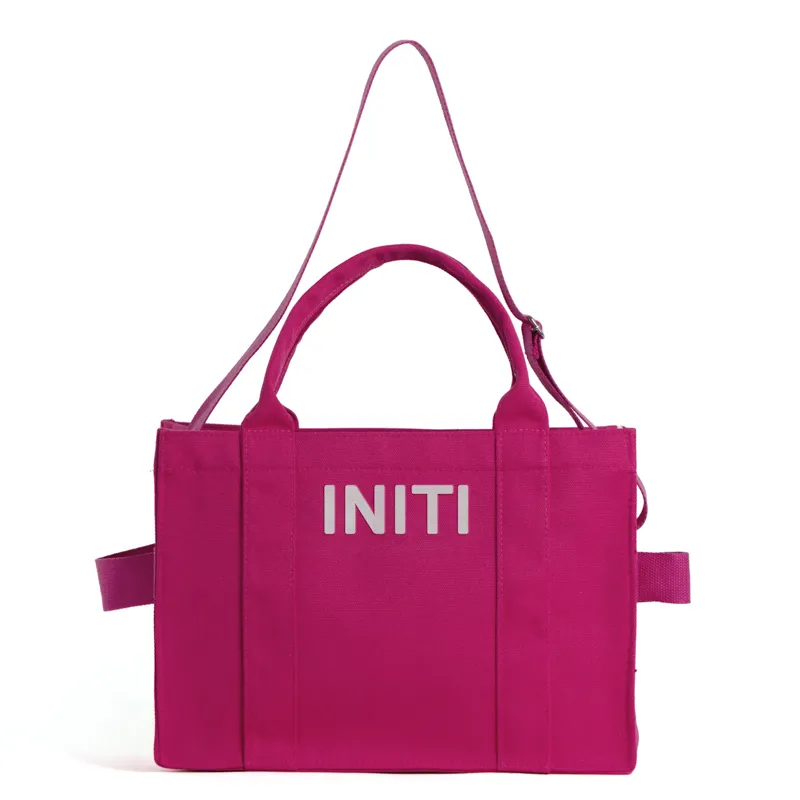
Denken Sie daran, dass biologisch abbaubare Tüten im Allgemeinen umweltfreundlicher sind als herkömmliche Plastiktüten, die ordnungsgemäße Entsorgung jedoch dennoch entscheidend ist. Wenn möglich, entscheiden Sie sich für wiederverwendbare Einkaufstaschen aus strapazierfähigen Materialien wie Canvas oder biologischer Baumwolle, da diese auf lange Sicht einen noch geringeren ökologischen Fußabdruck haben.

 German
 English
 French
 Japanese
 Arabic
 Thai
 Vietnamese
 Russian
 Spanish
 Portuguese