
Einführung
Linen has experienced a remarkable renaissance in recent years, becoming the fabric of choice for environmentally conscious consumers and those seeking timeless, natural elegance. From luxury fashion brands to eco-friendly bag manufacturers, linen’s appeal spans across industries and applications.
But what exactly makes linen so special? Linen is a natural textile made from flax plant fibers, prized for its exceptional breathability, sustainability, and distinctive texture. Unlike synthetic materials, linen is completely biodegradable and requires minimal processing, making it one of the most environmentally responsible fabric choices available.
However, linen’s natural properties come with specific care requirements. The same characteristics that make linen breathable and comfortable—its loose weave and natural fiber structure—also make it prone to wrinkling and sensitive to improper care. Understanding how to properly wash, dry, and maintain linen fabric is essential for preserving its quality, extending its lifespan, and maintaining that coveted linen aesthetic.
This comprehensive guide covers everything you need to know about linen care, from basic washing techniques to professional maintenance tips, ensuring your linen items remain beautiful and functional for years to come.
What Makes Linen Different From Other Fabrics?
Understanding Linen’s Unique Fiber Structure
To properly care for linen, it’s crucial to understand what makes it fundamentally different from other natural fibers. Linen fibers are derived from the flax plant’s stem, creating long, strong fibers with several distinctive characteristics:
- Hollow fiber structure: Linen fibers contain hollow spaces that provide exceptional breathability and moisture-wicking properties
- Natural irregularity: Unlike cotton’s uniform appearance, linen fibers vary in thickness and length, creating the fabric’s characteristic texture
- Loose weave pattern: Traditional linen weaving creates an open structure that enhances airflow but increases wrinkle susceptibility
- Cellulose composition: High cellulose content makes linen strong when dry but sensitive to excessive moisture and heat
Linen vs. Other Natural Fabrics: Care Comparison
| Stoffart | Fiber Source | Care Difficulty | Heat Sensitivity | Wrinkle Tendency | Special Requirements |
|---|---|---|---|---|---|
| Leinen | Flax plant stems | Medium-High | High sensitivity | Very high | Gentle handling, air drying preferred |
| Baumwolle | Cotton plant bolls | Niedrig | Medium sensitivity | Mittel | Machine washable, dryer safe |
| Segeltuch | Heavy cotton weave | Niedrig | Low sensitivity | Niedrig | Durable, minimal special care |
| Hemp | Hemp plant fibers | Mittel | Medium sensitivity | Mittel | Cold water washing recommended |
Why Linen Requires Special Washing Attention
Linen’s unique properties create specific vulnerabilities during the washing process:
- Fiber swelling: Linen fibers absorb water and swell significantly, making them more fragile when wet
- Stress concentration: The irregular fiber structure creates stress points that can lead to damage under harsh washing conditions
- Natural shrinkage tendency: Linen’s cellulose structure naturally contracts when exposed to heat and moisture
- Color sensitivity: Natural and dyed linen can be sensitive to pH changes and harsh chemicals
How to Wash Linen Properly
Hand Washing vs Machine Washing
The choice between hand washing and machine washing depends on several factors, including the linen item’s construction, value, and intended use:
Hand Washing – Best For:
- Delicate linen garments with embellishments
- Vintage or antique linen pieces
- Heavily soiled items requiring targeted treatment
- Linen items with mixed materials (leather trim, metal hardware)
Hand Washing Process:
- Fill a clean basin with lukewarm water (never hot)
- Add a small amount of gentle detergent designed for natural fibers
- Submerge the linen item and gently agitate by hand
- Allow to soak for 10-15 minutes for heavily soiled items
- Rinse thoroughly with cool water until detergent is completely removed
- Gently squeeze out excess water – never wring or twist
Machine Washing – Best For:
- Everyday linen clothing
- Linen bags and accessories without delicate details
- Pre-shrunk or treated linen items
- Items requiring regular, frequent washing
Machine Washing Setup:
- Use the gentle or delicate cycle exclusively
- Select cold or lukewarm water (30°C/86°F maximum)
- Reduce spin speed to prevent excessive wrinkles
- Wash linen items separately for the first few cycles
Pre-Washing Preparation
Proper preparation prevents damage and ensures optimal cleaning results:
- Check all pockets: Remove items and check for loose threads or hardware
- Treat stains immediately: Pre-treat specific stains with appropriate, gentle solutions
- Test colorfastness: For new items, test a hidden area for color bleeding
- Turn inside out: Protect printed or embroidered surfaces
- Close zippers and fastenings: Prevent snagging during washing
Best Water Temperature for Linen
Cold Water vs. Warm Water: The Science
Water temperature significantly impacts linen’s behavior during washing, affecting everything from shrinkage to color retention:
Cold Water (Below 30°C/86°F) – Recommended:
- Minimizes fiber damage and shrinkage
- Preserves color vibrancy and prevents bleeding
- Reduces energy consumption (environmental benefit)
- Prevents excessive wrinkling during wash cycle
- Maintains fabric strength and longevity
Warm Water (30-40°C/86-104°F) – Occasional Use:
- More effective for removing oil-based stains
- Better detergent activation for heavily soiled items
- Acceptable for pre-shrunk, high-quality linen
- Should be limited to specific cleaning needs
Why High Temperatures Are Dangerous for Linen
Hot water (above 40°C/104°F) can cause irreversible damage to linen fibers:
- Rapid shrinkage: High temperatures can cause immediate, significant dimensional changes (10-15%)
- Fiber weakening: Excessive heat breaks down cellulose structure, reducing fabric strength
- Color fading: Hot water can strip natural and artificial dyes from linen fibers
- Texture changes: Heat can make linen feel rough or stiff permanently
Choosing the Right Detergent
The Importance of Gentle Detergents
Linen’s natural fiber structure requires mild, pH-balanced cleaning agents that won’t damage the cellulose fibers or affect the fabric’s natural properties:
Recommended Detergent Characteristics:
- pH-neutral formulation: Prevents fiber degradation and color changes
- Enzyme-free or low-enzyme: Reduces risk of fiber damage over time
- Biodegradable ingredients: Aligns with linen’s environmental benefits
- Fragrance-free options: Prevents chemical residue buildup in natural fibers
Best Detergent Types for Linen:
- Woolite or similar gentle fabric detergents
- Plant-based, eco-friendly formulations
- Baby detergents (typically very mild)
- Specialized natural fiber detergents
Products to Avoid
Certain cleaning agents can permanently damage linen fibers:
| Produkttyp | Why to Avoid | Potential Damage | Safe Alternatives |
|---|---|---|---|
| Bleach (Chlorine) | Breaks down cellulose fibers | Yellowing, weakening, holes | Oxygen bleach for whites only |
| Fabric Softeners | Coats fibers, reduces breathability | Loss of natural texture | White vinegar in rinse cycle |
| Harsh Alkaline Detergents | High pH damages natural fibers | Color fading, fiber breakdown | Neutral pH detergents |
| Optical Brighteners | Chemical residue buildup | Artificial appearance, stiffness | Natural brightening agents |
Schrumpft Leinen?
Understanding Linen Shrinkage
Yes, linen does shrink – and this is completely normal for natural flax fibers. Understanding the shrinkage process helps you make informed care decisions and set appropriate expectations.
First Wash Shrinkage Expectations:
- Untreated linen: 8-12% shrinkage in both length and width
- Pre-shrunk linen: 3-5% additional shrinkage possible
- Linen blends: 4-7% shrinkage depending on blend composition
- Heavy linen (canvas weight): 5-8% shrinkage, typically less than lightweight linen
Ongoing Shrinkage Pattern:
- Most shrinkage occurs in the first 2-3 washes
- Gradual stabilization after 5-7 wash cycles
- Minimal additional shrinkage with consistent care
- Climate and storage conditions can affect long-term dimensions
Proven Methods to Minimize Shrinkage
- Cold Water Only: Use water temperatures below 30°C/86°F consistently
- Gentle Agitation: Select delicate wash cycles or hand wash carefully
- Proper Drying: Air dry exclusively – avoid machine drying with heat
- Gradual Process: Allow linen to shrink naturally over multiple gentle washes
- Pre-Purchase Planning: Buy linen items slightly larger to account for expected shrinkage
Is the Dryer Safe for Linen?
Machine drying is the fastest way to damage linen and should be avoided whenever possible. Here’s why:
- Rapid, uneven shrinkage: Heat causes immediate fiber contraction, often resulting in distorted shapes
- Excessive wrinkling: Tumbling action creates deep-set wrinkles that are difficult to remove
- Fiber damage: High heat weakens cellulose structure, reducing fabric lifespan
- Loss of natural texture: Machine drying can make linen feel stiff and unnatural
If Machine Drying Is Absolutely Necessary:
- Use the lowest heat setting available (delicate/air fluff)
- Remove items while still slightly damp
- Add wool dryer balls to reduce wrinkles
- Limit drying time to 10-15 minutes maximum
- Immediately reshape and air dry completely
How to Dry Linen Without Damaging the Fabric
Air Drying vs. Tumble Drying
Air drying is the gold standard for linen care, providing the gentlest treatment while preserving all of linen’s desirable characteristics:
Benefits of Air Drying:
- Zero heat damage to delicate fibers
- Natural fiber relaxation process
- Maintains fabric softness and drape
- Prevents excessive shrinkage
- Environmentally sustainable drying method
- Preserves color vibrancy
Air Drying Techniques
Hanging Method – Best for:
- Linen shirts and lightweight garments
- Items with minimal water retention
- Quick-drying needs
Hanging Process:
- Gently squeeze out excess water (never wring)
- Shake items to reduce wrinkles before hanging
- Use padded or wide hangers to prevent crease marks
- Hang in well-ventilated area away from direct sunlight
- Ensure adequate spacing between items for air circulation
Flat Drying Method – Best for:
- Heavy linen items (bags, canvas products)
- Structured items that could stretch when hung
- Decorated linen with embroidery or prints
Flat Drying Process:
- Lay clean towels on a flat surface
- Place linen items flat on towels, reshaping as needed
- Roll items in towels to absorb excess moisture
- Transfer to dry towels and reshape again
- Allow to air dry completely, flipping once if needed
Preventing Stiffness During Drying
Linen can become stiff during air drying, but several techniques help maintain softness:
- Shake periodically: Gently shake items during drying process to relax fibers
- Remove while slightly damp: Finish drying through wear or gentle movement
- White vinegar rinse: Add 1/2 cup white vinegar to final rinse cycle
- Strategic timing: Remove from line when 90% dry for optimal texture
Special Drying Tips for Linen Bags
Linen bags require specific drying considerations to maintain shape and functionality:
- Stuff with clean towels: Maintain bag shape while drying
- Avoid hanging by straps: Use flat drying to prevent stretching
- Handle hardware carefully: Protect metal components from moisture damage
- Check inner compartments: Ensure complete drying to prevent mold/mildew
- Air circulation: Open all zippers and pockets for thorough drying
How to Remove Wrinkles From Linen
Steam Ironing vs. Dry Ironing
Linen’s natural tendency to wrinkle is part of its charm, but proper ironing techniques can create a crisp, professional appearance when needed:
Steam Ironing – Recommended Method:
- Provides gentle heat distribution
- Moisture helps relax stubborn wrinkles
- Reduces risk of shine or scorch marks
- More forgiving for natural fiber care
Steam Ironing Process:
- Set iron to medium temperature (cotton/linen setting)
- Fill steam reservoir with distilled water
- Iron linen while slightly damp for best results
- Use pressing motions rather than sliding
- Iron on wrong side to prevent shine
- Steam vertically for hanging items
The Advantage of Damp Ironing
Ironing linen while slightly damp is the professional secret to achieving smooth, natural-looking results:
- Enhanced steam effect: Natural moisture creates superior wrinkle release
- Prevents overheating: Damp fibers are less likely to scorch or shine
- Easier process: Wrinkles release more readily from damp fabric
- Better finish: Results in crisp but natural appearance
Damp Ironing Technique:
- Spray linen lightly with clean water or use spray bottle
- Allow moisture to distribute evenly (2-3 minutes)
- Iron sections while fabric retains slight dampness
- Move systematically to ensure even treatment
- Hang immediately after ironing to prevent new wrinkles
Embracing Linen’s Natural Wrinkle Character
Modern linen care philosophy recognizes that some wrinkling is part of linen’s authentic appeal:
- “Lived-in” luxury: Gentle wrinkles convey relaxed elegance
- Reduced maintenance: Accepting natural texture reduces care time
- Authentic appearance: Over-pressing can make linen look artificial
- Practical approach: Focus on major wrinkles, accept minor texture
How to Store Linen Correctly
Long-term Storage Recommendations
Proper storage protects linen investments and prevents damage during periods of non-use:
Climate Control:
- Humidity levels: Maintain 45-55% relative humidity
- Temperature stability: Avoid extreme temperature fluctuations
- Air circulation: Ensure adequate ventilation in storage areas
- Light protection: Store away from direct sunlight and fluorescent lights
Storage Container Options:
| Storage Method | Am besten für | Vorteile | Cons |
|---|---|---|---|
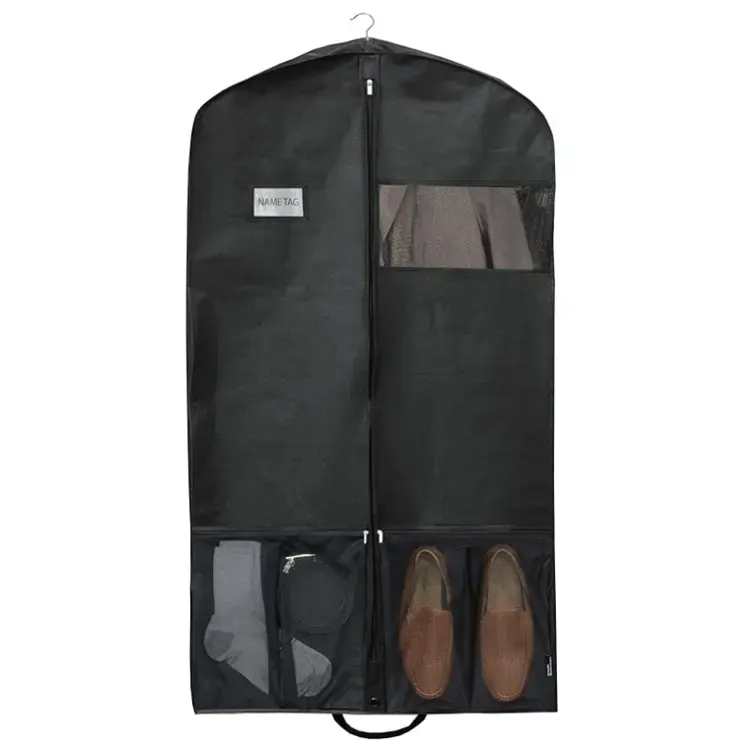
| Breathable Garment Bags | Hanging linen items | Air circulation, dust protection | Requires closet space |
| Cedar Chests | Long-term storage | Natural pest deterrent | Must monitor humidity |
| Acid-free Boxes | Flat storage, vintage items | Protection from light/dust | Limited air circulation |
| Cotton Storage Bags | General linen storage | Natural, breathable material | Minimal structure |
Moisture and Mold Prevention
Linen’s natural fiber composition makes it susceptible to moisture-related damage:
Prevention Strategies:
- Silica gel packets: Include moisture absorbers in storage containers
- Regular inspection: Check stored items every 3-6 months
- Air circulation: Periodically remove items for fresh air exposure
- Clean before storage: Ensure items are completely clean and dry
Folding vs. Hanging Storage
Hanging Storage – Best For:
- Linen shirts and dresses
- Frequently used items
- Wrinkle-prone pieces
- Short to medium-term storage
Folding Storage – Best For:
- Linen pants and casual wear
- Heavy linen items (bags, canvas)
- Long-term storage situations
- Space-limited storage areas
Proper Folding Technique:
- Ensure items are completely clean and dry
- Fold along natural seam lines when possible
- Use acid-free tissue paper for vintage or delicate items
- Refold periodically to prevent permanent creases
- Store folded items flat rather than stacked heavily
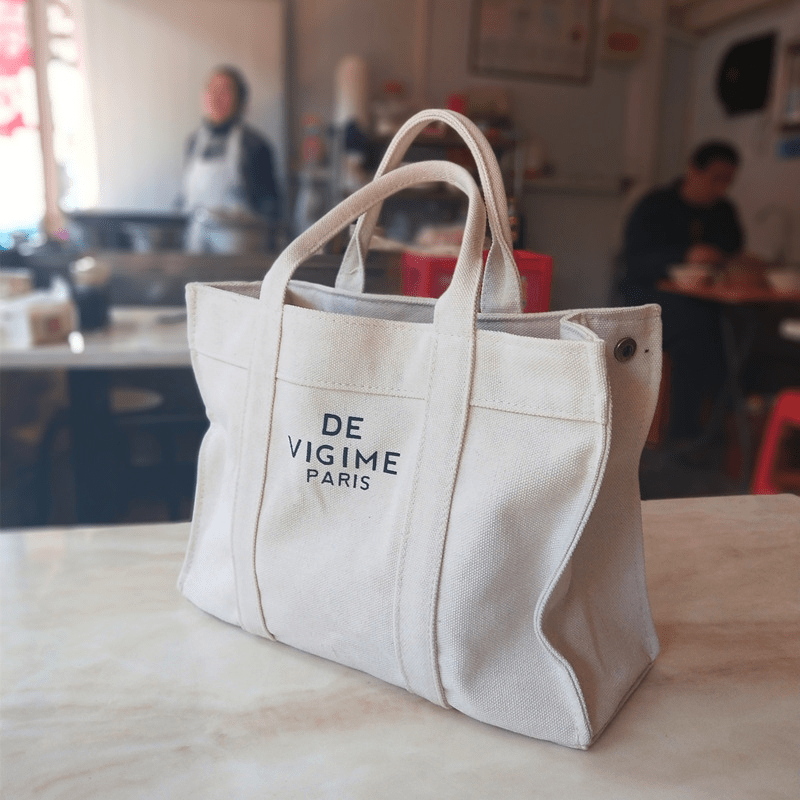
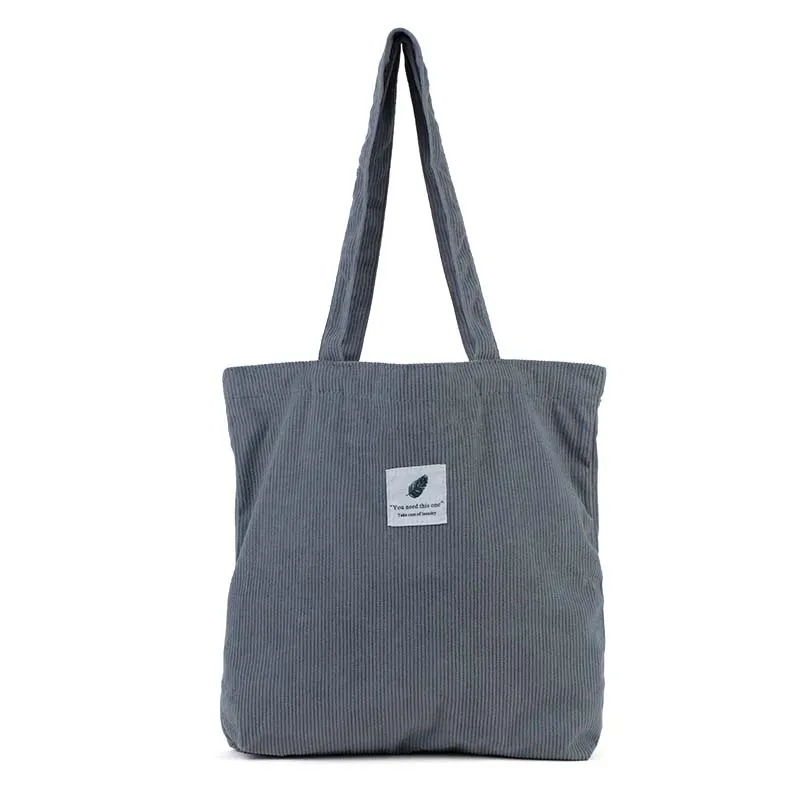
Special Care Tips for Linen Bags and Accessories
Determining Cleaning Frequency for Linen Bags
Unlike clothing, linen bags don’t require washing after every use. Overcleaning can actually shorten a bag’s lifespan, so establish appropriate cleaning schedules:
Daily Use Bags:
- Spot cleaning: Address stains immediately as they occur
- Monthly deep clean: Full washing for heavily used items
- Weekly maintenance: Empty, shake out, and air in sunlight
Occasional Use Bags:
- Seasonal cleaning: Wash 2-3 times per year
- Pre-storage cleaning: Always clean before long-term storage
- Spot treatment: Clean specific areas as needed
Caring for Printed and Embroidered Linen
Decorated linen requires additional care considerations to preserve both the fabric and the decorative elements:
Print Protection Strategies:
- Inside-out washing: Protects surface designs from agitation damage
- Cold water exclusive: Prevents ink bleeding and color fading
- Gentle detergents: Avoid harsh chemicals that can affect print adhesion
- Air dry away from direct sun: UV protection for printed designs
Embroidery Care:
- Hand washing recommended: Machine agitation can damage delicate threads
- Flat drying: Prevents embroidery from stretching or distorting
- Gentle ironing: Press around embroidered areas, not directly on them
- Storage protection: Use tissue paper to prevent thread snagging
Maintaining Bag Shape and Color Stability
Structured linen bags require specific techniques to maintain their intended form and appearance:
Shape Preservation:
- Stuff during drying: Use clean towels to maintain dimensional integrity
- Proper storage position: Store bags upright or flat, never compressed
- Handle stress distribution: Alternate carrying methods to prevent handle stretching
- Weight management: Avoid overloading beyond designed capacity
Color Protection:
- UV avoidance: Limit direct sunlight exposure during use and storage
- pH-neutral care: Use balanced detergents to prevent color shifts
- Separate washing: Wash similar colors together, especially for new items
- Professional treatment: Consider professional cleaning for valuable pieces
Common Linen Care Mistakes to Avoid
The High-Heat Trap
Using high-temperature drying is the most common and damaging mistake in linen care. This single error can:
- Cause immediate 10-15% shrinkage
- Create permanent texture changes
- Weaken fiber structure significantly
- Lead to color fading or bleeding
- Result in deep-set wrinkles
Detergent Overuse
Many people assume “more detergent = cleaner clothes,” but excessive detergent actually harms linen fibers:
- Residue buildup: Creates stiff, uncomfortable texture
- Color dulling: Chemical residues can make colors appear faded
- Skin irritation: Detergent residue can cause sensitivity reactions
- Reduced breathability: Buildup clogs linen’s natural fiber structure
Proper Detergent Amount: Use 1/2 to 2/3 the amount recommended for synthetic fabrics.
Extended Sun Exposure
While brief sunlight exposure can help freshen linen, prolonged UV exposure causes permanent damage:
- Color fading: Both natural and dyed colors fade with excessive UV
- Fiber degradation: UV radiation breaks down cellulose structure
- Brittleness development: Extended exposure makes linen weak and prone to tearing
- Uneven weathering: Parts exposed to sun fade differently than shaded areas
Safe Sun Exposure Guidelines:
- Limit direct sunlight to 30-60 minutes maximum
- Use shaded, well-ventilated areas for longer drying times
- Turn items periodically to ensure even exposure
- Bring items in before completely dry to prevent over-exposure
Frequent Intensive Washing
Over-washing is one of the fastest ways to prematurely age linen items:
- Fiber fatigue: Excessive agitation weakens natural fibers over time
- Color loss: Repeated washing strips both natural and applied colors
- Texture degradation: Too-frequent washing can make linen feel rough or thin
- Dimensional instability: Multiple wash cycles can cause ongoing shrinkage
Smart Washing Schedule:
- Spot clean minor stains instead of full washing
- Air out items between uses to reduce wash frequency
- Assess actual cleanliness need rather than washing by schedule
- Use the gentlest effective cleaning method for each situation
Linen vs Cotton Care Guide (Quick Comparison Table)
| Care Aspect | Leinen | Baumwolle | Key Differences |
|---|---|---|---|
| Optimal Washing Temperature | Cold (below 30°C/86°F) | Warm (30-40°C/86-104°F) | Linen more heat-sensitive |
| Shrinkage Expectation | 8-12% first wash (untreated) | 3-5% first wash | Linen shrinks significantly more |
| Wrinkle Resistance | Low (wrinkles easily) | Medium (moderate wrinkles) | Linen requires more ironing care |
| Trockungsmethode | Air dry strongly recommended | Machine dryer generally safe | Linen damaged by heat drying |
| Detergent Sensitivity | Requires gentle, pH-neutral | Tolerates standard detergents | Linen needs specialized care products |
| Ironing Temperature | Medium heat with steam | Medium to high heat | Cotton tolerates higher temperatures |
| Washing Frequency | Less frequent, spot clean | Regular washing acceptable | Linen benefits from reduced washing |
| Storage Requirements | Breathable, humidity controlled | Standard storage adequate | Linen needs more careful storage |
| Fabric Softener Use | Avoid (reduces natural properties) | Generally safe in moderation | Linen loses character with softeners |
| Bleach Tolerance | Avoid chlorine, oxygen bleach only | Can handle chlorine bleach | Linen fibers more bleach-sensitive |
Is Linen Easy to Maintain? Pros and Cons
The Advantages: Why Linen is Worth the Extra Care
Durability Benefits:
- Exceptional longevity: Properly cared-for linen can last decades, even generations
- Improves with age: Linen becomes softer and more comfortable with repeated gentle washing
- Strong fiber structure: Linen is actually stronger when wet, unlike many other natural fibers
- Resistance to pilling: High-quality linen maintains smooth surface texture over time
Health and Environmental Advantages:
- Natural antimicrobial properties: Flax fibers naturally resist bacteria and odors
- Hypoallergenic characteristics: Suitable for sensitive skin and allergies
- Biodegradable material: Complete environmental breakdown at end of life
- Low environmental impact: Flax cultivation requires minimal water and pesticides
- Sustainable production: Entire flax plant can be utilized, minimal waste
Performance Benefits:
- Superior breathability: Hollow fiber structure provides excellent ventilation
- Moisture-wicking properties: Draws perspiration away from skin effectively
- Temperature regulation: Keeps you cool in summer, provides insulation in winter
- UV protection: Natural linen provides moderate protection from harmful rays
The Challenges: What to Expect
Care Intensity:
- Temperature sensitivity: Requires careful attention to washing and drying temperatures
- Gentle handling needed: Cannot withstand harsh treatment like synthetic fabrics
- Wrinkle management: Requires more frequent ironing or acceptance of natural texture
- Specialized products: Benefits from gentle, natural detergents rather than standard products
Practical Considerations:
- Slower care process: Air drying and gentle washing take more time
- Initial investment: Quality linen typically costs more upfront than cotton alternatives
- Learning curve: Requires understanding of natural fiber characteristics
- Storage requirements: Needs proper climate control for long-term storage
Daily Use Suitability Assessment
Linen is Ideal For:
- People who appreciate natural, sustainable materials
- Those living in warm, humid climates
- Individuals with sensitive skin or allergies
- Anyone seeking long-term value over convenience
- Those who enjoy the “lived-in” luxury aesthetic
Consider Alternatives If:
- You need completely wrinkle-free appearance daily
- Time constraints prevent proper care routines
- You prefer synthetic fabric performance characteristics
- Budget doesn’t allow for quality linen initial investment
FAQ-Bereich
How often should you wash linen?
For clothing: Wash linen garments after 2-3 wears unless visibly soiled or odorous. Linen’s natural antimicrobial properties mean it stays fresh longer than many fabrics.
For bags and accessories: Monthly for daily-use items, seasonally for occasional-use pieces. Focus on spot cleaning for small stains rather than full washing.
For bedding: Weekly washing is appropriate for linen sheets, though they can often go longer than cotton bedding between washes.
Can linen go in the dryer?
Generally no – machine drying is not recommended for linen. The heat can cause significant shrinkage (10-15%), create permanent wrinkles, and damage the fiber structure. If absolutely necessary, use the lowest heat setting, remove while damp, and limit to 10-15 minutes maximum.
Does linen get softer over time?
Yes, linen becomes significantly softer with proper care and use. Each gentle wash cycle breaks down stiff lignins in the flax fibers, creating a more supple feel. High-quality linen can take 5-10 washes to reach its optimal softness, and continues improving for years with proper care.
How do you keep linen from wrinkling?
Prevention strategies include:
- Remove from wash immediately after cycle completion
- Shake items vigorously before hanging or folding
- Use a steamer for quick wrinkle release
- Embrace the natural texture – some wrinkles are part of linen’s charm
- Iron while slightly damp for best results
- Store properly folded or hung to prevent deep creases
Can you iron linen when dry?
While possible, ironing damp linen produces much better results. Dry linen requires higher heat and more effort to remove wrinkles. For dry linen, use steam setting or mist lightly with water before ironing. Always use medium heat and press rather than slide the iron to prevent shine.
How to care for linen bags?
Linen bag care summary:
- Spot clean minor stains immediately
- Wash monthly for daily-use bags, seasonally for occasional-use
- Use cold water and gentle detergent
- Stuff with towels during air drying to maintain shape
- Store flat or upright, never compressed
- Protect from direct sunlight during storage
- Clean thoroughly before long-term storage
Schlussfolgerung
Caring for linen doesn’t have to be complicated – it simply requires understanding and respecting the natural characteristics of this exceptional fiber. The key principles are gentleness, patience, and working with linen’s natural properties rather than against them.
Essential takeaways for successful linen care:
- Temperature control is critical: Cold water washing and air drying preserve linen’s integrity
- Gentle treatment pays dividends: Mild detergents and careful handling extend fabric life significantly
- Embrace natural characteristics: Some wrinkling and texture variation are part of linen’s authentic appeal
- Quality improves with time: Properly cared-for linen becomes softer, more comfortable, and more beautiful with age
- Prevention trumps correction: Proper initial care prevents most common linen problems
The investment in learning proper linen care techniques pays long-term dividends. A well-maintained linen item can last for decades, developing a unique patina and character that synthetic fabrics simply cannot match. Whether you’re caring for a luxury linen shirt, a handcrafted linen bag, or daily-use linen accessories, these proven techniques will help preserve both the fabric’s performance and its timeless aesthetic appeal.
Remember: linen care is about partnership, not domination. Work with the fabric’s natural tendencies, provide gentle treatment, and enjoy the unique benefits that only authentic linen can provide. Your patience and care will be rewarded with textiles that not only look and feel exceptional but also represent a sustainable, environmentally responsible choice in our increasingly synthetic world.
By following these comprehensive care guidelines, you’re not just maintaining fabric – you’re preserving a piece of textile heritage that connects us to thousands of years of human craftsmanship and natural fiber expertise. Proper linen care is both an art and a science, and mastering it ensures that your investment in quality linen products will provide satisfaction and performance for years to come.
 German
 English
 French
 Japanese
 Arabic
 Thai
 Vietnamese
 Russian
 Spanish
 Portuguese