
When choosing materials for custom bags, one of the most common comparisons is 210D polyester vs 600D polyester. Both fabrics are widely used in tote bags, drawstring bags, backpacks, promotional bags, and travel accessories, but they serve different purposes. The short answer is: 210D polyester is lighter, more flexible, and cost-effective, while 600D polyester is thicker, stronger, and more durable. In this guide, we’ll compare 210D and 600D polyester in terms of weight, durability, appearance, cost, and ideal applications to help you select the right fabric for your project.
What Does “D” Actually Mean — and What It Doesn’t
The Denier Definition
Denier (D) is a unit of measurement for yarn fineness. Specifically, it measures the mass in grams of 9,000 meters of a single yarn. So 210D means that 9,000 meters of that yarn weighs 210 grams. 600D means the same length weighs 600 grams — a significantly thicker, heavier yarn.
Higher denier = thicker yarn = heavier, more abrasion-resistant fabric. That’s the core relationship.
What denier does not tell you:
- GSM (grams per square meter) — the actual weight of the woven fabric. Two fabrics with the same denier can have very different GSMs depending on weave density and coating.
- Thread count — the number of yarns per square inch. A fabric can have a high thread count with low-denier yarns (fine, dense) or a low thread count with high-denier yarns (thick, open). For bag durability, you need adequate denier and a tight enough weave.
- Coating — a 600D uncoated fabric behaves very differently from 600D with PVC backing. Same denier number on the spec sheet, completely different product.
This distinction matters enormously in sourcing. When a factory quotes you “600D polyester,” ask: what’s the GSM? What coating? Oxford or plain weave? Without those answers, you’re comparing spec labels, not actual materials.
Oxford Weave vs Plain Weave — The Detail Most Buyers Miss
When people say “210D polyester” or “600D polyester” for bags, they almost always mean Oxford weave polyester, not plain weave. This matters because the weave structure has a direct effect on tear resistance independent of denier.
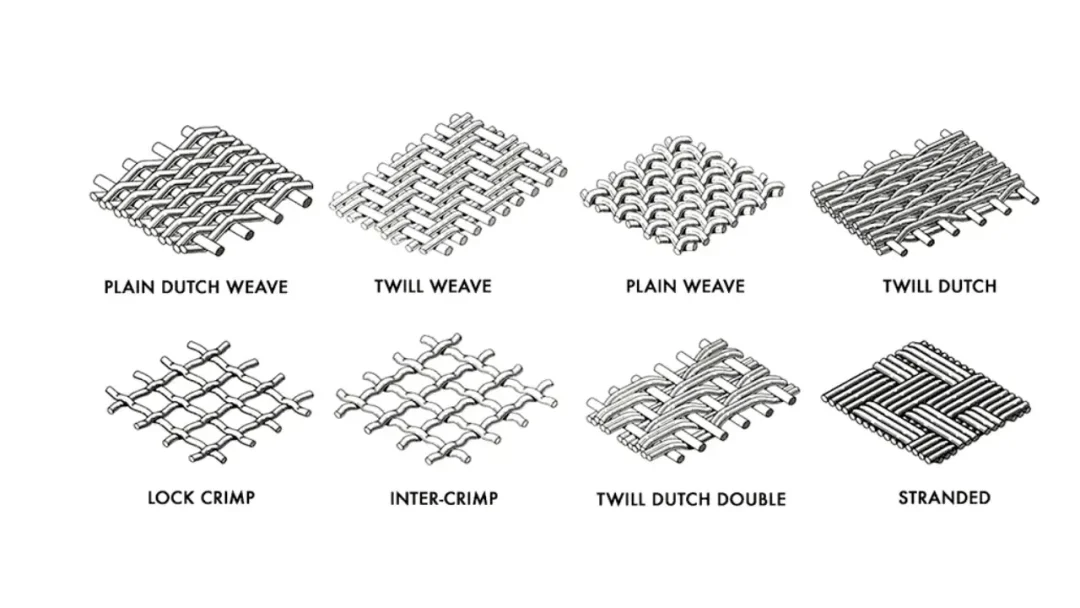
Oxford fabric uses a basket weave structure — typically 2×1 or 2×2 — where pairs of warp yarns interlace with pairs of weft yarns. This basket structure does two things: it distributes stress across a wider area when the fabric is punctured or snagged, and it prevents a tear from propagating in a straight line through the fabric.
In internal tear-strength testing (ISO 13937-2), 600D Oxford weave consistently outperforms 600D plain weave by 15–20% before rupture — same denier, meaningfully different performance.
For bag manufacturing, always specify Oxford weave unless you’re using the fabric as an inner lining or for very lightweight packable applications where plain weave saves weight and cost.
 Does Higher Denier Always Mean Better?
No — and this is one of the most common misconceptions we see in briefs from buyers without a materials background.
A school bag designed for a 12-year-old doesn’t need 1680D ballistic fabric. A foldable grocery tote doesn’t need 900D. Over-specifying denier adds cost, weight, and stiffness without delivering meaningful performance gains for the intended use. A promotional drawstring bag in 600D is wasteful — and harder to fold into the pocket giveaway pouch the client actually wants.
The right denier is the minimum specification that meets the product’s performance requirement. Everything above that threshold is cost without benefit.
Technical Specifications: 210D vs 600D at a Glance
Before going deeper, here’s the reference table we use internally when a new project comes in:
| Specification | 210D Polyester (Oxford) | 600D Polyester (Oxford) |
|---|---|---|
| Yarn construction | 75D × 75D | 300D × 300D |
| GSM — uncoated | 70–110 gsm | 180–230 gsm |
| GSM — PU coated | 110–150 gsm | 230–300 gsm |
| GSM — PVC coated | 150–200 gsm | 350–550 gsm |
| Thickness (approx.) | 0.09–0.15 mm | 0.35–0.55 mm |
| Hydrostatic pressure (PU) | 1,000–1,500 mm | 1,500–2,000 mm |
| Typical bulk cost/meter | $0.80–$1.20 | $1.80–$2.50 |
| RPET version premium | +15–20% | +15–20% |
These ranges vary by factory and coating thickness. Always request a material data sheet and verify GSM independently before finalizing a spec.
210D Polyester: Where It Fits and Where It Doesn’t
What 210D Actually Is
210D Oxford polyester is a fine-yarn, lightweight woven fabric. At 70–110 gsm uncoated, it’s roughly two to three times lighter than 600D. The yarn is thin enough that the fabric has a soft hand feel and folds down to almost nothing — which is exactly why it’s the default material for packable and foldable products.
With a PU coating applied, 210D achieves a hydrostatic head rating of around 1,000–1,500 mm — sufficient for light rain protection and everyday splash resistance. PVC coating increases this but adds weight and stiffness, which partially defeats the purpose of using a lightweight fabric.
Where 210D Performs Well
Promotional and event giveaway bags are the natural home for 210D. The fabric is inexpensive (among the lowest cost-per-unit of any woven polyester), takes screen printing and heat transfer cleanly, and is light enough that end users will actually carry it. For orders of 1,000–10,000 units where the brief is brand visibility rather than product longevity, 210D is usually the correct specification.
Drawstring bags — cinch packs, gym bags, event bags — are well-suited to 210D. The load requirements are low (most contents are clothing or light personal items), the compact fold is a feature, and the price point is appropriate for the product category.

Foldable shopping totes designed to stuff into a pocket or attach to a keychain are almost universally made in 210D or lighter. The functional requirement here is packability first, strength second.

Bag linings are an underappreciated use case for 210D. In many mid-range backpacks and travel bags, the outer shell is 600D or higher, but the interior is lined with 210D. This combination gives structural integrity on the outside with a clean, lightweight interior surface. It’s a cost and weight optimization that’s standard practice in most production-grade bag designs.
Lightweight travel accessories — packing cubes, laundry pouches, shoe bags — are typically 210D or similar. The fabric protects contents without adding meaningful weight to a carry-on.
Where 210D Falls Short
210D is not suitable as the primary structural fabric for bags that will carry heavy loads or face regular abrasion. A school backpack in 210D will show wear at stress points — corners, handle attachment points, zipper surrounds — within months of daily use. The seam strength is also lower, and at high load, 210D is more prone to seam blowout than heavier fabrics.
If a client describes the product as something they’ll use “every day for years,” 210D is the wrong answer regardless of budget pressure. A better approach in that case is to look at 420D (the middle ground that most guides overlook) or accept the cost of 600D.
600D Polyester: The Workhorse of Bag Manufacturing
What 600D Actually Is
600D Oxford polyester is built on 300D × 300D yarn — substantially thicker than 210D’s 75D × 75D construction. At 180–230 gsm uncoated and 230–300 gsm with PU coating, it has visible texture, a semi-rigid hand feel, and holds its shape without internal structure like foam or board.
The fabric is durable enough for daily use under real load, abrasion-resistant enough to survive being dragged across airport floors or shoved under classroom desks, and structured enough that even simple tote silhouettes maintain their form.
Where 600D Performs Well
School and student backpacks are the single largest category for 600D globally. It’s essentially the industry standard at this price and performance tier. 600D has the durability to survive a school year of daily use, the structure to hold a laptop compartment shape, and the cost-efficiency to land at accessible retail price points. For school bag projects, defaulting to 600D is almost never wrong.
Travel bags and duffels benefit from 600D’s combination of abrasion resistance and structure. The fabric holds up to the friction of overhead compartments, luggage carousels, and car trunks. It’s flexible enough to compress when needed but doesn’t collapse like lighter fabrics.
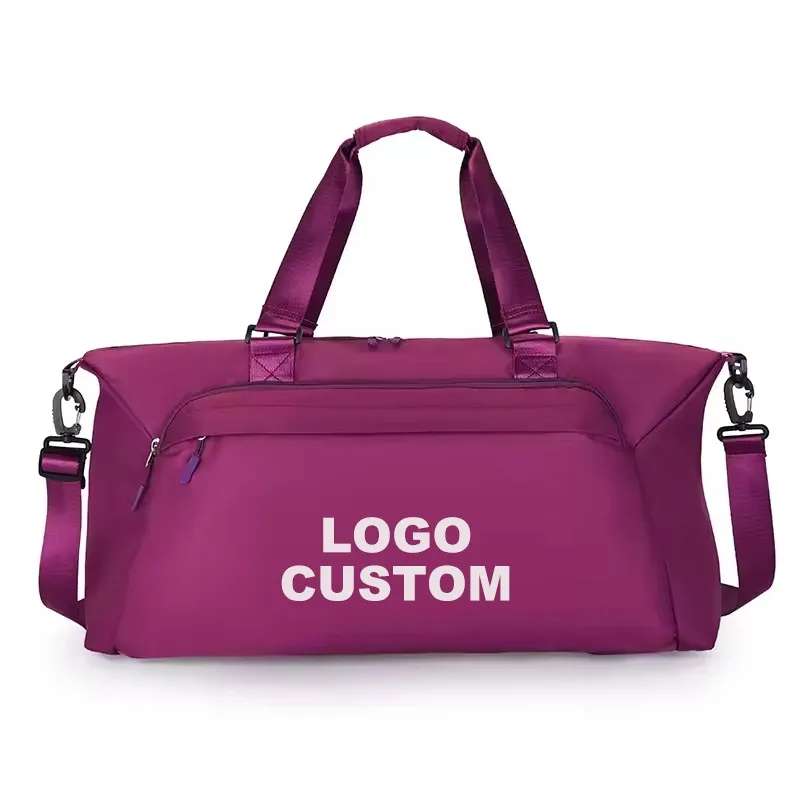
Cooler bags and insulated totes use 600D for the outer shell almost universally. The structured outer maintains the bag’s form around the PEVA or foil insulation lining, and the heavier fabric handles the weight of food and drinks better than lighter alternatives.
Tool bags and utility storage require a fabric that resists puncture from sharp edges and abrasion from tool handles — 600D is the entry point for this category, with heavier deniers (900D, 1680D) reserved for professional-grade products.
Corporate gift bags and premium promotional products use 600D when brand perception matters more than unit cost. A 600D tote feels and looks substantially more premium than a 210D equivalent — the weight, the texture, and the structure all communicate quality in a way that lightweight fabrics don’t.
Where 600D Has Limitations
600D doesn’t fold flat. For clients who want a packable or pocket-sized product, 600D creates a product that’s too bulky in its folded state. It’s also heavier, which becomes relevant for products sold by weight (such as branded merchandise with shipping cost sensitivity) or for ultralight travel applications.
At the higher end of the promotional budget range, it’s worth the specification. At the low end, buyers often request 600D for its quality perception without accounting for the unit cost increase, which can be 40–60% higher than 210D for equivalent bag silhouettes.
Coating Options: The Variable That Changes Everything
One of the most frequent sources of confusion in bag fabric sourcing is that two quotes for “600D polyester” can describe products that are radically different in weight, stiffness, water resistance, and cost — because the coating is different.
PU (Polyurethane) Coating
PU coating is a flexible, relatively thin polymer layer bonded to the back of the fabric. For most commercial bag applications, PU-coated polyester is the preferred specification:
- Water resistance: 1,000–2,000 mm hydrostatic head depending on coating thickness and denier
- Hand feel: Remains soft and flexible; doesn’t stiffen the fabric significantly
- Weight: Adds 30–80 gsm depending on coating thickness
- Compliance: PU coatings are generally REACH-compliant and appropriate for European markets
- Durability: PU coating can crack with age and heavy flexing, but typically outlasts the bag’s useful life at standard coating thickness
PU is the correct default specification for most bag categories — promotional bags, backpacks, travel accessories, and any product targeting European or environmentally conscious buyers.
PVC (Polyvinyl Chloride) Coating / Backing
PVC coating is heavier, stiffer, and provides higher initial water resistance than PU. The same 600D fabric with PVC backing can reach 350–550 gsm — double or more the weight of the PU-coated version. This changes the product significantly:
- Water resistance: Higher initial waterproof performance; less likely to delaminate in wet conditions
- Hand feel: Noticeably stiffer; the fabric holds its shape rigidly
- Weight: Adds 150–300 gsm depending on application
- Compliance: PVC contains plasticizers (phthalates) that are restricted under EU REACH regulations (SVHC list); requires careful supplier verification for European markets
- Cost: Generally lower than PU at equivalent weight
PVC-coated fabric is appropriate for cooler bags, tool bags, heavy-duty utility products, and markets where EU compliance is not a constraint. It is not the right specification for most fashion-adjacent or EU-targeted promotional products.
Specifying Coating Correctly
When writing a purchase specification, never just write “210D PU” or “600D PVC.” Include:
- Coating type (PU or PVC)
- Minimum GSM of finished fabric
- Minimum hydrostatic head rating (in mm)
- Compliance requirements (REACH, OEKO-TEX, GRS if RPET)
This removes the ambiguity that allows a factory to substitute a lighter coating to hit a price point while technically delivering “600D PU.”
Where Does 420D Fit?
Most comparisons of 210D and 600D skip 420D entirely, which creates a false binary for buyers. In practice, 420D is the correct specification for a substantial range of products that fall between the two extremes.
420D Oxford polyester sits at 130–180 gsm uncoated — heavier and more durable than 210D, but lighter and more packable than 600D. It’s the preferred fabric for:
- Mid-range promotional totes where the client wants perceived quality above 210D but can’t absorb the cost of 600D
- Lightweight daypacks and travel accessories where packability matters but durability requirements exceed 210D’s ceiling
- Rain covers and pack covers where weight is critical
- Higher-end promotional bags for corporate gifting that need to feel substantial without full 600D weight
If a brief describes a bag that should be “better quality than a standard giveaway but not a premium product,” 420D is frequently the correct answer. Recommending a jump from 210D to 600D when 420D meets the requirement is over-engineering that increases cost without meeting a stated performance need.
Printing and Branding: What Each Fabric Does to Your Graphics
Both 210D and 600D polyester accept the standard bag printing methods, but the surface characteristics of each fabric affect print outcome in ways that matter for brand-sensitive clients.
Dye Sublimation
Dye sublimation works by converting ink to gas under heat, which bonds permanently into the polyester fiber rather than sitting on top of it. The result is a full-color, photographic-quality print with no hand feel.
210D performs better for sublimation. The finer yarns produce a smoother surface with less visible texture, which means sharper image reproduction and more accurate color rendering. Tight gradients, photography, and complex multi-color designs come out cleaner on 210D.
On 600D, the coarser texture of the Oxford weave becomes slightly visible in sublimation prints — especially in large solid-color areas or fine-detail work. For most promotional graphics this is not noticeable, but for premium brand applications with exacting color standards, it’s worth testing.
Screen Printing
Screen printing works well on both fabrics. 600D’s heavier texture actually provides a more tactile, three-dimensional print feel that some clients prefer for logo applications. Ink adhesion is excellent on both. For large runs with 1–4 spot colors, screen printing on 600D is a cost-effective and visually strong option.
Heat Transfer
Both fabrics accept heat transfer film well. Standard temperatures (150–165°C, 10–15 seconds) produce good adhesion on polyester. No meaningful performance difference between 210D and 600D for heat transfer applications.
Embroidery
600D is meaningfully better for embroidery than 210D. The coarser yarn structure provides better needle-hole recovery and more anchor surface for the embroidery thread, reducing the risk of fabric distortion around the stitch area. 210D can be embroidered with a tear-away backing material, but the result is less crisp and the backing adds a step to production. For premium corporate gifts with embroidered logos, always specify 600D or heavier.
Sustainability: RPET Options for Both Deniers
Recycled polyester (RPET), produced from post-consumer PET plastic (primarily bottles), is available in both 210D and 600D. From a performance standpoint, RPET is functionally identical to virgin polyester — same shrink resistance, same dimensional stability, same coating compatibility.
The relevant considerations for procurement:
GRS Certification: If you’re marketing the product as containing recycled content, the fabric must be GRS (Global Recycled Standard) certified through the supply chain. This applies to both 210D and 600D RPET. Request the GRS transaction certificate from your fabric supplier, not just a claim on a product sheet.
OEKO-TEX Standard 100: Relevant for products that contact skin. Both 210D and 600D RPET can be certified; verify the specific fabric grade is covered, not just the factory.
EU compliance: For promotional products entering EU markets, PVC-coated RPET presents the same REACH compliance questions as virgin PVC-coated fabric. RPET with PU coating is the cleanest EU market specification.
Cost: RPET carries a 15–20% premium over equivalent virgin polyester at current market pricing. For large promotional orders where unit cost is critical, this delta is worth modeling into the brief before committing.
Product-to-Denier Mapping: How We Actually Make the Call
Here’s the reference framework used internally when a new product brief arrives:
| Product Type | Recommended Denier | Coating | Notes |
|---|---|---|---|
| Promotional drawstring bag | 210D | PU | Cost-first; occasional use |
| Event giveaway tote | 210D | PU or uncoated | Max 5 kg load |
| Foldable shopping bag | 210D | PU | Packability priority |
| Bag inner lining | 210D | None or light PU | Paired with heavier outer shell |
| Packing cubes / travel pouches | 210D–300D | PU | Weight-sensitive |
| Mid-range branded tote | 420D | PU | Step up from giveaway quality |
| Lightweight promotional backpack | 420D | PU | Budget-quality hybrid |
| School backpack | 600D | PU | Industry standard |
| Daily commuter bag | 600D | PU | Structure + durability |
| Travel duffel | 600D–900D | PU | Load-bearing, abrasion-exposed |
| Cooler / insulated bag | 600D | PVC or PU | Structure + wipe-clean surface |
| Tool bag | 600D–900D | PVC | Puncture and abrasion resistance |
| Premium corporate gift | 600D | PU | Embroidery-compatible |
| Hiking / technical pack | 900D–1680D | PU or TPU | Beyond standard bag scope |
Questions to Ask Your Supplier Before Confirming a Fabric Spec
Most sourcing problems with bag fabrics come from under-specified purchase orders. Before confirming any fabric, get clear answers on:
- What is the GSM of the finished fabric? (Not just the denier — the coated GSM)
- PU or PVC coating? What is the coating weight / hydrostatic head rating?
- Oxford weave or plain weave?
- What is the yarn construction? (For 210D: should be 75D×75D. For 600D: 300D×300D)
- Is GRS certification available if RPET is specified?
- What are the test results for colorfastness (ISO 105-B02) and abrasion resistance (Martindale cycles)?
- Is the coating REACH-compliant for EU market products?
A supplier who can answer all seven questions promptly with documentation is a supplier worth working with. Vague or delayed answers on basic material specs are a red flag for factories substituting lower-quality materials to hit price targets.
Side-by-Side Comparison: Full Reference Table
| Feature | 210D Polyester | 600D Polyester |
|---|---|---|
| GSM (PU coated) | 110–150 gsm | 230–300 gsm |
| Weight perception | Lightweight | Substantial / premium |
| Thickness | ~0.09–0.15 mm | ~0.35–0.55 mm |
| Durability | Moderate | High |
| Abrasion resistance | Moderate | Excellent |
| Tear resistance | Moderate | High |
| Structure / shape retention | Low–Moderate | High |
| Hydrostatic head (PU) | 1,000–1,500 mm | 1,500–2,000 mm |
| Foldability / packability | Excellent | Moderate |
| Sublimation print quality | Excellent | Good |
| Embroidery suitability | Moderate (needs backing) | Excellent |
| Screen / heat transfer print | Excellent | Excellent |
| Typical bulk cost/meter | $0.80–$1.20 | $1.80–$2.50 |
| Best for | Promotional, giveaway, lining, packable | Daily use, school, travel, corporate gift |
Frequently Asked Questions
What GSM is 210D polyester? Uncoated 210D Oxford polyester typically runs 70–110 gsm. With a standard PU coating, finished fabric is 110–150 gsm. PVC-coated versions can reach 150–200 gsm. Always specify the target GSM in your purchase order — the denier alone doesn’t determine the fabric weight.
What GSM is 600D polyester? Uncoated 600D Oxford polyester is typically 180–230 gsm. PU-coated finished fabric runs 230–300 gsm. PVC-coated or PVC-backed 600D can reach 350–550 gsm. The large GSM range at the same denier is one of the main reasons coating type must always be specified alongside denier.
Is 600D polyester waterproof? 600D polyester with PU coating achieves a hydrostatic head of approximately 1,500–2,000 mm — sufficient for light to moderate rain resistance. It is water-resistant, not fully waterproof. For true waterproofing under sustained rain or submersion, 600D with PVC coating or TPU lamination is required, combined with sealed seams on the finished bag.
Is 600D polyester stronger than 210D? Yes, significantly. 600D’s heavier yarn construction gives it higher tensile strength, better tear resistance, and substantially better abrasion resistance than 210D. For daily-use bags that will face repeated loading and physical stress, 600D is the correct minimum specification.
Which polyester fabric lasts longer? Under equivalent use conditions, 600D will outlast 210D. However, the longevity difference is most meaningful when the product faces real daily stress — a promotional bag used occasionally won’t show the performance difference between 210D and 600D. Matching the fabric to the expected use frequency and load is more important than defaulting to the heavier option.
Is 210D polyester suitable for shopping bags? Yes, for lightweight reusable shopping bags. 210D handles loads up to approximately 5–8 kg comfortably with properly reinforced handles. For heavier grocery use (10 kg+), 420D or 600D is a better specification. For foldable pocket-sized shoppers where weight and packability are the primary features, 210D is the standard choice.
What is the difference between 210D Oxford and 210D plain weave? Both use 210-denier yarn, but the Oxford weave (2×1 or 2×2 basket weave) distributes stress across multiple yarn intersections, improving tear propagation resistance by roughly 15–20% compared to plain weave. For bag applications, 210D Oxford is almost always specified. 210D plain weave is occasionally used for inner pocket linings where the basket texture is not desired.
Can both fabrics be made from recycled polyester? Yes. RPET versions of both 210D and 600D are widely available. Performance is equivalent to virgin polyester. GRS certification is required to make recycled content claims in marketing. RPET carries a 15–20% cost premium over virgin polyester at current market pricing.
What is the best polyester denier for promotional bags? 210D for standard giveaway and event bags. 420D for mid-range branded merchandise where perceived quality matters. 600D for premium corporate gifts or when the client wants the product to be retained and used by recipients rather than discarded. The correct answer depends on the intended use lifecycle of the product.
Conclusion
The 210D vs 600D decision is ultimately a use-case matching exercise, not a quality ranking. Neither fabric is universally better — each is the right answer for a different set of requirements.
From working across many bag projects, the most common sourcing mistakes are:
- Under-specifying for durability-critical products — using 210D on a bag that will face daily use under load because the client is price-sensitive
- Over-specifying for promotional applications — using 600D on a giveaway bag that adds cost without meaningful performance gain
- Ignoring coating type — treating “210D PU” and “210D PVC” as equivalent, or not specifying hydrostatic head, and receiving a fabric that doesn’t match the waterproofing requirement
- Skipping 420D as a middle option — forcing a binary choice when the optimal spec sits between the two
Nail the denier, specify the coating with GSM and hydrostatic head, confirm the weave structure, and request test documentation from your supplier. That’s the framework that produces consistent, predictable results — regardless of which side of the 210D/600D line your product sits on.
For custom bag manufacturing with 210D, 420D, or 600D polyester — including RPET options with GRS certification — contact our team for material samples and bulk pricing
 English
 French
 German
 Japanese
 Arabic
 Thai
 Vietnamese
 Russian
 Spanish
 Portuguese