
Are you a luxury handbag collector protecting your Chanel, Louis Vuitton, Hermès, or other high-end pieces? A premium dust bag is far more than basic storage—it’s an essential barrier against dust, scratches, UV fading, moisture issues, and even helps maintain resale value. In this comprehensive guide, we explore the best materials (including silk/satin options), key design features such as closures, logos (embroidery vs printing), stitching, sizing, and more, along with comparisons, breathability standards, reasons to avoid plastic, and common pitfalls that could harm your investment. Whether for long-term closet storage or resale authentication, these insights will help keep your collection timeless.
Why Material Choice Matters for Luxury Dust Bags
Choosing the right material for your luxury dust bag isn’t just about aesthetics—it’s crucial for long-term protection. Poor-quality bags can lead to moisture buildup, mold, or even discoloration on premium leathers like calfskin or exotic skins.
- Protection Against Dust, Scratches, and Light Exposure: A good dust bag acts as a barrier, shielding your handbag from everyday hazards. UV light from windows can fade colors over time, while dust particles can embed into the leather’s pores.
- Impact on Leather Aging, Moisture Control, and Shape Retention: Natural leathers “breathe,” so the dust bag material must allow airflow to prevent condensation. This helps maintain the bag’s suppleness and original shape, especially when stuffed with acid-free tissue paper.
- Difference Between Ordinary Dust Bags and Luxury-Grade Ones: Budget options like generic plastic or thin polyester often trap humidity, accelerating wear. Luxury-grade dust bags, provided by brands like Gucci or Prada, use premium fabrics tailored for high-end storage.
Authentication Role: Dust bag details—logo application, stitching quality, closure type, and overall fit—are frequently used by collectors and experts to verify genuine pieces in secondary markets.
In humid environments, prioritizing breathability and high-quality construction becomes especially important to prevent musty odors or mildew.
Best Materials for Luxury Dust Bags
Focus on choosing fabrics that have protective, soft and breathable properties. Here are the top three popular fabrics:
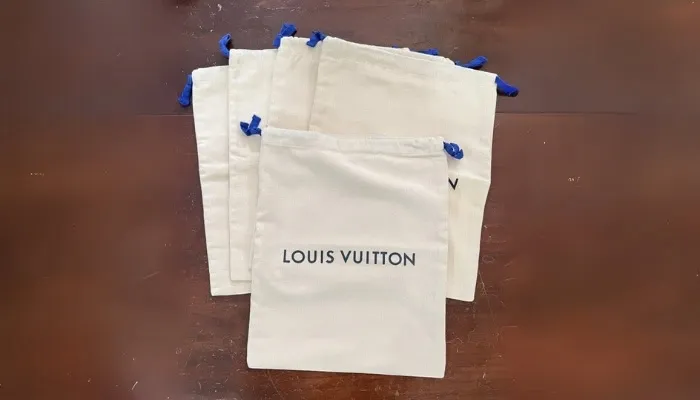
1. Cotton Dust Bags
Cotton (especially organic or high-thread-count) is the gold standard for most experts and handbag communities.
- Natural, Breathable Fabric: Excellent air circulation and moisture wicking.
- Benefits: Hypoallergenic, gentle on all leathers, eco-friendly, washable, and prevents mold in humid areas.
- Ideal Use Cases: Long-term storage for leather, suede, or exotics in closets or wardrobes. Many brands like Gucci, Bottega Veneta, and vintage pieces use thick cotton.
Extension: Opt for brushed or twill cotton for lint-free performance—perfect for Hong Kong’s humidity swings.
2. Velvet Dust Bags
Velvet brings luxury and superior cushioning.
- Soft, Plush Texture and Premium Appearance: Dense pile adds elegance and branding appeal.
- Benefits: Top-tier scratch protection; feels opulent for display or gifting.
- Potential Drawbacks: Slightly lower breathability if too dense—can retain moisture in very humid environments.
- Ideal Use Cases: Short-term storage, showcase, or dry climates. Seen in Alexander McQueen, some Chanel, and high-end custom options.
Extension: Look for cotton-velvet blends for better airflow while keeping the plush feel.

3. Silk/Satin Dust Bags (A Luxurious Alternative)
Silk (or more commonly satin—often polyester-based with a silky weave) is gaining popularity for its smooth elegance, though it’s not always the top pick for long-term use.
- Ultra-Smooth and Gentle Texture: Glossy, low-friction surface glides over leather without scratching—great for patent, metallic, or glossy finishes.
- Benefits: Luxurious unboxing/presentation feel; lightweight for travel; adds sophistication to storage or gifting. Some natural silk versions offer decent breathability.
- Potential Drawbacks: Most commercial “silk” dust bags are polyester satin—lower breathability than cotton, risking moisture trapping and mold in humid areas like Hong Kong. Natural pure silk is rarer, pricier, and still not as airy as cotton.
- Ideal Use Cases: Short-term protection, travel pouches, display cabinets, or bags with high-shine surfaces. Often used in luxury retail packaging or custom aftermarket sets.

Extension: If choosing silk/satin, prioritize natural silk or breathable blends; avoid cheap polyester versions for extended storage.
Other Common Materials (Brief Overview)
- Non-Woven Fabric: Lightweight but variable quality—high-end versions acceptable, low-end lack softness.
- Microfiber: Durable and soft but synthetic moisture handling is inferior to naturals.
- Why Low-Quality Synthetics Are Not Ideal: Can off-gas chemicals or trap humidity—stick to proven naturals for true luxury care.
Beyond Material: Key Design Features of Premium Luxury Dust Bags
Superior dust bags stand out through thoughtful details that enhance functionality, aesthetics, and longevity:
Closure Types
- Drawstring (Most Traditional and Preferred): Classic cotton or ribbon cords (seen on LV, Gucci, Hermès, Bottega Veneta) allow easy, adjustable closure without compressing bag edges or creating pressure points.
- Zipper: A modern option for some brands or newer designs—provides a tighter seal against dust but requires high-quality hardware (like YKK) to avoid snags or edge marks.
- Other Variations: Magnetic snaps or hidden mechanisms appear in some contemporary styles for a sleek look.
Size & Fit
- Premium dust bags are sized 20-30% larger than the handbag to allow space for protective stuffing and natural airflow—too tight risks creases or deformation, while too loose invites dust entry.
- Authentic brand-supplied bags are often model-specific (e.g., tailored for Hermès Birkin/Kelly or LV classics) for the perfect fit.
Stitching & Construction Quality
- Look for clean, even, high-density seams with no loose threads, skipped stitches, or uneven tension—double-stitched edges add durability and prevent fraying.
- Poor construction (sloppy lines, mismatched thread) is a common red flag in lower-quality or counterfeit examples.
Logo / Branding Application
Logo presentation is one of the strongest indicators of quality and authenticity.
- Embroidery (Most Preferred for Premium Bags): Dominant in authentic high-end dust bags (LV, Hermès, Chanel)—offers a sharp, raised, three-dimensional effect that withstands washing and time without cracking, fading, or peeling.
- Screen Printing / Heat Transfer: Used on some styles—provides crisp initial appearance but can crack, peel, or fade with handling and cleaning.
- Foil Stamping or Embossing: Rare but luxurious for special editions.
- Quality Details: Logos are precisely centered with even spacing, consistent color depth, and accurate font (e.g., LV’s signature navy/brown sharpness). Authentic versions avoid blurriness, misalignment, or color inconsistencies often seen in lesser options.
Color Matching & Interior
- Neutral shades (cream, beige, ivory, or brand-specific tones like Hermès orange) prevent color transfer to the handbag.
- Interiors typically match the exterior or use lighter tones—no dark linings that risk staining.
Other Functional Details
- Inner sewn tags or labels (e.g., indicating origin like “Made in France/Italy”) add authenticity cues.
- Eco-conscious trends include organic cotton, recycled fabrics, or undyed natural options.
- Custom possibilities: Monogramming, color matching, or reinforced linings from specialty makers.
Cotton vs Velvet vs Silk/Satin: Which Is Better for Luxury Handbags?
| Aspect | Cotton Dust Bags | Velvet Dust Bags | Silk/Satin Dust Bags |
|---|---|---|---|
| Breathability | High (best moisture control & airflow) | Medium (plush pile slightly restricts) | Low to Medium (poly satin traps humidity; natural silk better) |
| Scratch Protection | Strong (soft & gentle) | Superior (cushioning) | Excellent (smooth/slippery glide) |
| Luxury Feel/Aesthetics | Practical & classic | Opulent & plush | Glossy & elegant (premium presentation) |
| Best For | Long-term storage, humid climates (e.g., HK) | Short-term/display, dry settings | Short-term, travel, glossy/patent leathers |
| Drawbacks | Less “wow” factor | Potential moisture retention if dense | Risk of poor ventilation if synthetic |
| Common in Brands | Gucci, Bottega, classics | Alexander McQueen, some Chanel | Retail packaging, custom/aftermarket |
- Breathability Comparison: Cotton leads, especially in humidity.
- Protection Level: Velvet for padding, silk/satin for friction-free glide.
- Aesthetic and Branding: Silk/satin and velvet feel more premium for display.
- Best Choice: Cotton for everyday/long-term; velvet or silk/satin for aesthetics/short use.
Extension: Sustainable hybrids (e.g., recycled cotton-silk) are trending in 2026 for eco-luxury collectors.
How Breathable Should a Luxury Dust Bag Be?
How breathable should a luxury dust bag be? Aim for moderate airflow to strike a balance between protection and ventilation.
- Importance of Airflow for Preventing Mold and Mildew: Leather thrives in 40-50% humidity; poor breathability traps sweat or ambient moisture, fostering bacteria.
- Risks of Poor Ventilation for Leather, Suede, and Natural Materials: Suede can mat, leather may crack, and exotics like crocodile can discolor.
- Signs of a Well-Designed Breathable Dust Bag: Loose weave, no plastic linings, and a soft, porous feel.
- Balancing Protection with Proper Air Circulation: Use bags with micro-perforations or natural fibers for ideal results.
Extension: Test breathability by blowing through the fabric—if air passes easily, it’s a winner. For ultra-humid areas, pair with silica gel packets (non-touching).
Why Plastic Bags Are Not Suitable for Luxury Handbags
Avoid plastic bags for luxury handbags at all costs—they’re a recipe for disaster.
- Plastic Bags Trap Moisture and Prevent Airflow: No ventilation leads to condensation, perfect for mold growth.
- Increased Risk of Mold, Mildew, and Leather Deterioration: Spots and odors can ruin a $5,000+ investment.
- Chemical Reactions Between Plastic and Leather Finishes: Plastics can leach phthalates, causing stickiness or yellowing.
- Long-Term Damage Such as Discoloration, Stiffness, and Odor: Irreversible in severe cases.
- Why Plastic Packaging Should Only Be Used for Short-Term Transport: Fine for shipping, but transfer to a breathable dust bag immediately upon arrival.
Extension: Real-world horror stories from handbag forums highlight Birkins turning musty after plastic storage—always prioritize breathable alternatives.
Common Mistakes When Using Dust Bags
Even with the best materials for luxury dust bags, errors can undermine your efforts. Here are common mistakes when using dust bags:
- Using Plastic or Non-Breathable Covers for Storage: As discussed, this traps humidity.
- Storing Handbags Without Cleaning and Drying Them First: Residue from lotions or perfumes can stain inside the bag.
- Over-Tight Drawstrings Causing Shape Deformation: Loosen them to avoid creases.
- Long-Term Storage Without Occasional Airing: Every 3-6 months, remove and inspect.
- Assuming All Dust Bags Provide the Same Level of Protection: Brand-specific ones are superior.
Extension: Another pitfall? Overstuffing—use soft fillers like bubble wrap alternatives to maintain shape without pressure.
How to Choose the Right Luxury Dust Bag
Selecting the perfect luxury dust bag involves a simple checklist:
- Key Checklist: Material, Thickness, Breathability, and Size: Prioritize cotton for breathability; ensure it’s large enough (1-2 inches bigger than your bag).
- Matching Dust Bag Type to Handbag Material (Leather, Suede, Exotic Skins): Suede needs lint-free cotton; exotics prefer ultra-soft velvet.
- When to Replace or Upgrade Dust Bags: If faded, torn, or musty—upgrade to custom options from sites like Etsy or luxury resellers.
Extension: Budget-friendly tip: Repurpose brand dust bags from previous purchases, or invest in multi-pack sets for your collection.
Frequently Asked Questions (FAQ)
- Are cotton dust bags better than velvet dust bags for luxury handbags? Cotton is generally superior for long-term storage due to its breathability and moisture control. Velvet shines for short-term or aesthetic purposes.
- Can I store my luxury handbag in its original plastic packaging? No—plastic traps moisture, risking mold, odor, and damage. Use only for transport.
- How often should I air out handbags stored in dust bags? Every few months to release moisture and keep leather flexible. In dry climates, check quarterly.
- Are non-woven dust bags safe for luxury handbags? High-quality ones are okay, but they often lack the softness and breathability of cotton or velvet.
- Do luxury handbags need different dust bags for different materials? Yes—leather benefits from cotton’s breathability, while suede avoids velvet to prevent fiber transfer.
Is embroidery better than printed logos on dust bags? Yes—more durable, fade-resistant, and luxurious; most authentic premium brands favor embroidery.
Extension: Bonus FAQ: What’s the cost of a good luxury dust bag? Expect $20-50 for premium custom ones, a small price for protecting thousands in value.
Conclusion
In summary, cotton and velvet stand out as the best materials for luxury dust bags, with cotton leading in breathability for everyday use and velvet offering plush protection. Always prioritize breathable luxury dust bags to avoid mold, and steer clear of plastic at all costs. By dodging common mistakes when using dust bags and following our tips, your luxury handbags will stay pristine for years.
For luxury brands, retailers, and professional handbag care services: Want to elevate your customer experience and reduce after-sales returns? We offer custom-branded, high-breathability cotton & velvet dust bags in bulk—perfect for gifting with new purchases or as premium add-ons. Contact us today to discuss wholesale partnerships and co-branded solutions that protect your clients’ investments while reinforcing your brand’s luxury promise.


 English
  French
  German
  Japanese
  Arabic
  Thai
Thai  Vietnamese
  Russian
  Spanish
  Portuguese