
Polyester is naturally water-resistant — but it is not completely waterproof. These two terms are not interchangeable, and the distinction matters considerably when you are sourcing custom bags for outdoor use, promotional applications, or any context where moisture performance is a requirement.
A common assumption among buyers is straightforward: polyester is a synthetic material, so it must repel water. In reality, the relationship between polyester and water is more layered:
| Material | Water Performance |
| Standard Polyester | Water-resistant — handles light rain and splashes |
| Coated Polyester (PU) | Improved resistance — suitable for moderate rain |
| Coated Polyester (PVC / TPU) | Waterproof — suitable for heavy rain and sustained exposure |
True waterproof performance in a polyester bag depends on four factors working together: fabric construction, fabric density, surface treatment, and backside coating. None of these factors alone determines the outcome — all four matter.
This guide explains each factor clearly, so you can make an informed decision when specifying materials for your next custom bag order.
What Is Polyester Fabric?
Polyester is a synthetic fiber produced from petroleum-based polymers — specifically polyethylene terephthalate (PET). First developed in the 1940s as a substitute for silk, it has since become one of the most widely used textile materials in the world.
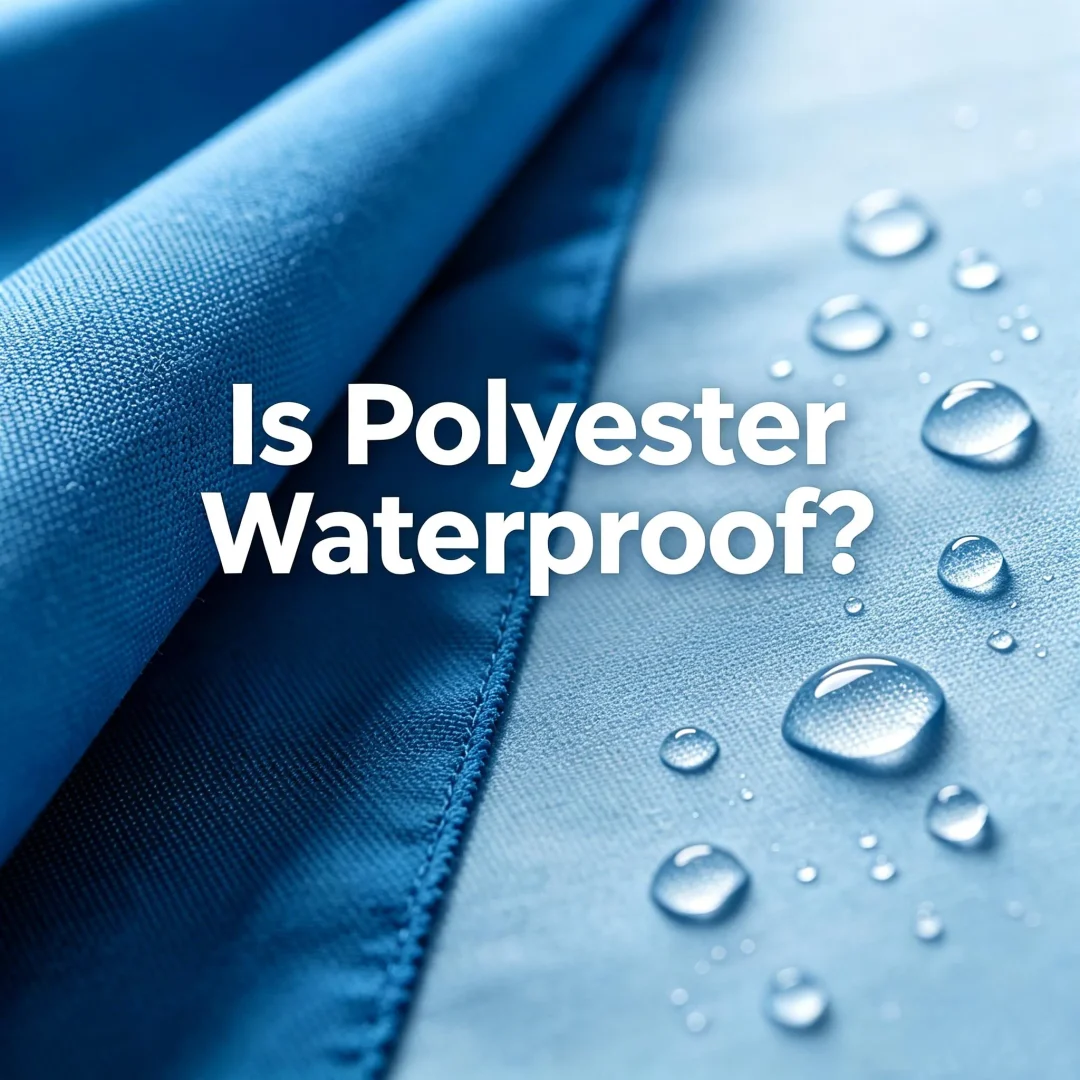
In the bag manufacturing industry, polyester is a foundational material because it combines four properties that most sourcing requirements demand:
- Lightweight — lower density than cotton or nylon at equivalent weights
- Durable — resistant to abrasion, stretching, and general wear
- Affordable — lower raw material cost makes it effective for large-volume production
- Moisture-resistant — hydrophobic fiber structure repels surface moisture
Polyester is used across a wide range of bag types: backpacks, foldable shopping bags, cooler bags, travel bags, sports bags, and promotional totes. Its versatility across applications — combined with its compatibility with multiple coating and printing processes — makes it the default choice for most custom bag specifications.
Image suggestion: Close-up of 600D polyester fabric weave texture alongside a range of polyester bag types.
Is Polyester Waterproof or Water-Resistant?
This is the question most buyers get wrong — and the confusion has real consequences for product performance in the field. The two terms describe meaningfully different capabilities:
Water-Resistant
A water-resistant fabric can handle incidental moisture without allowing it to penetrate. This includes:
- Light rain during a brief commute
- Water splashes from spills or puddles
- Ambient humidity in outdoor environments
Waterproof
A waterproof fabric creates a barrier against sustained water exposure. This includes:
- Continuous rain over an extended period
- Heavy downpour or direct water pressure
- Immersion or submersion scenarios
Waterproof performance is measured using the Hydrostatic Head test (HH), which records how many millimeters of water pressure a fabric can withstand before water begins to pass through:
| Hydrostatic Head Rating | Protection Level | Typical Application |
| < 1,000 mm | Water-resistant only | Light rain / splash protection |
| 1,000 – 3,000 mm | Moderate waterproof | Everyday rain / commuter bags |
| 3,000 – 10,000 mm | Good waterproof | Outdoor / travel / sports bags |
| 10,000 mm+ | High waterproof | Technical / extreme outdoor gear |
Standard polyester fabric without any coating or treatment falls well below the 1,000 mm threshold. It is water-resistant at the surface level — not waterproof by any technical measure. The table below summarizes where each configuration actually sits:
| Material Configuration | Water-Resistant | Waterproof |
| Standard Polyester (no coating) | Yes — light splash only | No |
| PU-Coated Polyester | Yes | Partial (1,000 – 5,000 mm HH) |
| PVC-Coated Polyester | Yes | Yes (10,000 – 20,000 mm HH) |
| TPU-Laminated Polyester | Yes | Yes (1,500 – 8,000 mm HH) |
Sourcing note: The waterproof rating of a finished bag is determined by its weakest point — which is almost always the seams or zipper, not the fabric itself. Coating the fabric without addressing seam construction leaves a significant gap in waterproof performance.
Why Polyester Naturally Resists Water
Polyester’s inherent moisture resistance comes from the physical and chemical structure of its fibers — not from any added treatment. Three properties account for this behavior:
Low Moisture Absorption
Polyester has a moisture regain rate of approximately 0.4% — meaning it absorbs less than half a percent of its weight in moisture under standard atmospheric conditions. Cotton, by comparison, has a moisture regain of around 8%. This difference is the foundation of polyester’s moisture management advantage.
Hydrophobic Fiber Structure
The molecular structure of polyester is non-polar. Water molecules, which are polar, are not attracted to the fiber surface. This causes water to bead on the surface rather than wicking into the fabric — a behavior that protects bag contents from incidental moisture.
Quick-Drying Performance
Because polyester absorbs so little moisture, even when it does get wet, it dries significantly faster than natural fibers. This reduces the risk of mold, mildew, or fabric degradation from sustained dampness — a meaningful performance advantage for bags used in outdoor or high-humidity environments.
| Property | Poliéster | Algodão |
| Moisture Absorption Rate | ~0.4% | ~8% |
| Velocidade de Secagem | Rápido | Slow |
| Mold / Mildew Resistance | Alto | Mais Baixo |
| Outdoor Performance | Excelente | Limitado |
Why Standard Polyester Is Not Fully Waterproof
Despite its hydrophobic fiber properties, standard polyester fabric is not a waterproof barrier. This is a point that is frequently misunderstood, and it has direct implications for product specification.
Water Can Pass Through Fabric Gaps
Woven polyester fabric — regardless of fiber composition — contains microscopic gaps between the interlaced yarns. Under light conditions, surface tension prevents water from entering these gaps. Under sustained pressure, or when surface tension is disrupted by soaps or detergents, water penetrates through the weave.
Seams Are the Primary Failure Point
Every seam in a sewn bag creates hundreds of needle penetrations through the fabric. Each needle hole is a potential entry point for water. In standard construction, seams are the first place water enters — often before the fabric itself shows any sign of penetration.
Sustained Pressure Forces Water Through
Even tightly woven polyester with good surface resistance will allow water penetration over time when pressure is applied — from prolonged rain, a bag being sat upon while wet, or immersion. The fibers resist, but do not permanently block, water ingress under load.
Key principle: Water-resistant fibers do not automatically create a waterproof fabric. Waterproofing is a system-level property — it requires coating, seam treatment, and closure design to work together.
How Polyester Fabric Becomes Waterproof: Coating Options Explained
For polyester bags to achieve genuine waterproof performance, the base fabric must be treated with a coating or lamination. Four main treatment types are used in commercial bag manufacturing, each with distinct performance characteristics, cost profiles, and best-fit applications.
PU Coating (Polyurethane)
PU coating is applied to the back face of the polyester fabric as a flexible polymer layer. It is the most widely used coating in everyday bag production.
- Lightweight and flexible — does not significantly change the hand feel of the fabric
- Hydrostatic head rating: approximately 1,000 – 5,000 mm depending on coating weight
- Eco-friendly profile — compliant with REACH and California Prop 65 regulations
- Best applications: foldable bags, travel bags, sports bags, promotional backpacks
- Limitation: may degrade through hydrolysis with prolonged exposure to heat and moisture over time
PVC Coating (Polyvinyl Chloride)
PVC coating creates a thick, rubber-like barrier on the fabric surface. It offers the highest waterproof performance of any standard coating used in bag manufacturing.
- Hydrostatic head rating: 10,000 – 20,000 mm — the highest of any common bag coating
- Heavy-duty durability — resistant to abrasion, tearing, and UV exposure
- Best applications: delivery bags, outdoor bags, logistics bags, industrial tool bags
- Limitation: heavier than PU; can crack in low temperatures; contains plasticizers that may be restricted in EU markets (REACH compliance) and some US applications (Prop 65)
TPU Lamination (Thermoplastic Polyurethane)
TPU lamination bonds a thin, flexible film to the polyester substrate at the molecular level. It represents the premium tier of polyester waterproofing, combining high performance with a more favorable environmental profile.
- Hydrostatic head rating: 1,500 – 8,000 mm with superior flexibility
- Lighter and more flexible than PVC while maintaining strong waterproof performance
- No toxic plasticizers — cleaner environmental and compliance profile
- Best applications: high-end outdoor bags, technical gear, premium travel products
- Limitation: higher cost than PU or PVC; may be over-specified for standard promotional applications
DWR Finish (Durable Water Repellent)
DWR is a surface treatment applied to the outer face of the fabric, causing water to bead and roll off rather than penetrating the weave. It is not a waterproof coating and should not be specified as such.
- Function: enhances surface beading; slows initial moisture penetration
- Limitation: does not provide structural waterproofing; degrades with washing and abrasion
- Maintenance: DWR performance can be partially restored by washing and low-heat tumble drying
- Best use: applied in combination with PU or TPU coating to improve overall surface repellency
| Coating | HH Rating | Peso | Cost | Eco Profile | Melhor Para |
| PU | 1,000–5,000 mm | Light | Médio | Bom | Everyday / promotional |
| PVC | 10,000–20,000 mm | Heavy | Baixo | Restricted | Heavy-duty / logistics |
| TPU | 1,500–8,000 mm | Light | Mais Alto | Bom | Premium outdoor |
| DWR | Surface only | Negligible | Baixo | Moderado | Supplement to coating |
Waterproof Polyester vs Cotton: How Do They Compare?
For buyers deciding between polyester and cotton for bags where moisture performance is a consideration, the comparison is largely settled — but it is worth understanding why.
| Recurso | Poliéster | Algodão |
| Natural Water Resistance | High — hydrophobic fiber | Low — absorbs moisture readily |
| Velocidade de Secagem | Rápido | Slow |
| Mold / Mildew Resistance | Better | More susceptible |
| Waterproof Upgrade Path | PU / PVC / TPU coatings | Wax or PU treatment (less effective) |
| Outdoor Performance | Excelente | Limitado |
| Eco Perception | Functional / synthetic | Natural / sustainable |
Cotton can be treated to improve water resistance, but the performance ceiling is significantly lower than coated polyester. For outdoor and functional bag applications, polyester is the standard choice. For retail, lifestyle, and eco-positioning contexts, cotton remains the preferred material regardless of waterproof performance requirements.
Internal link: For a full material comparison across durability, printing, cost, and brand positioning, see: Polyester vs Cotton Bags: Which Material Is Better for Your Brand?
Common Waterproof Polyester Fabrics Used in Bag Manufacturing
Polyester fabric for bags is specified primarily by denier — a unit measuring the weight of fiber per unit length. Higher denier numbers indicate denser, heavier fabric with greater abrasion resistance and structural strength.
| Denier | Peso do Tecido | Resistência à Água | Aplicações Típicas |
| 210D | Light | Moderate (with coating) | Foldable bags, lightweight totes, inner linings |
| 420D | Medium-light | Good (with coating) | Daypacks, sports bags, promotional bags |
| 600D | Médio | Very good (with coating) | Backpacks, cooler bags, travel bags |
| 1680D | Heavy | Excellent (with coating) | Heavy-duty bags, tool bags, tactical gear |
Denier alone does not determine waterproof performance — a 210D bag with a quality TPU lamination will outperform a 1680D bag with no coating in wet conditions. Denier primarily affects structural durability and load-bearing capacity. Waterproofing is a function of the coating system applied on top of the base fabric.
Image suggestion: Four fabric swatches side by side — 210D, 420D, 600D, 1680D — with visible texture progression.
Which Types of Bags Benefit Most from Waterproof Polyester?
Not every bag application requires the same level of waterproof performance. The following categories represent use cases where specifying coated polyester delivers a meaningful advantage over untreated materials:
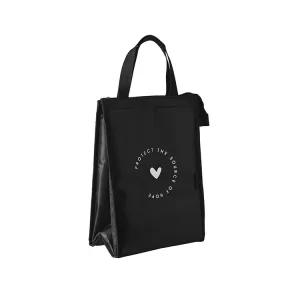
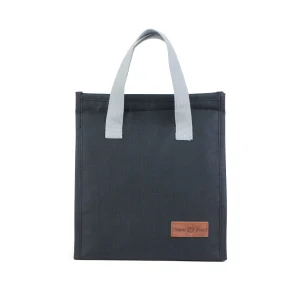
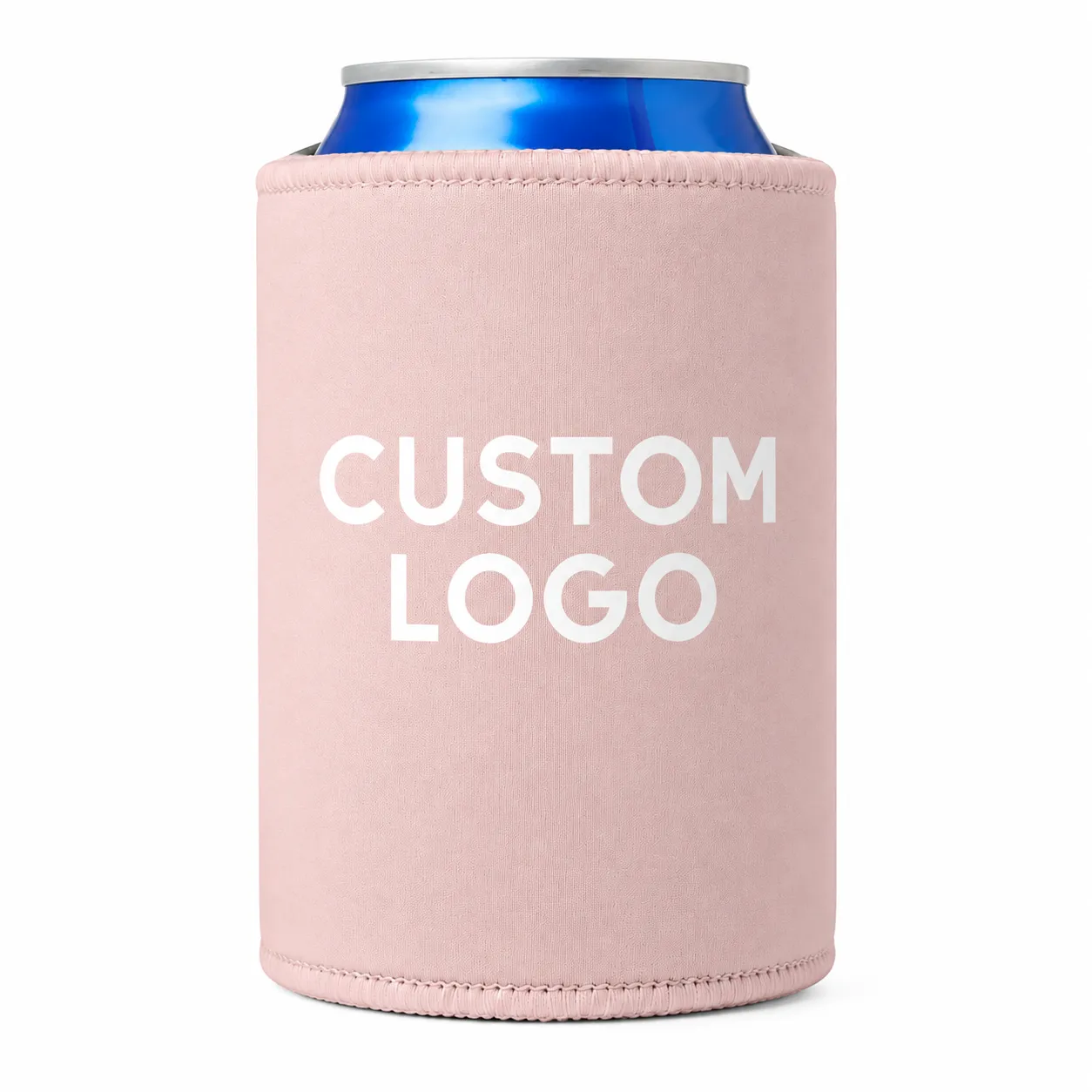
Cooler Bags
Cooler bags must handle condensation from ice packs and cold beverages. PU or TPU-coated polyester on the exterior, combined with a thermal lining, prevents moisture migration through the bag body. Without coating, condensation saturates the outer fabric and degrades the bag over time.
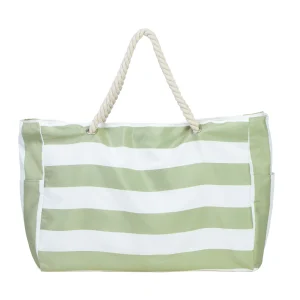
Sacolas de Praia
Beach environments expose bags to seawater, wet sand, and direct sun. PVC or TPU-coated polyester resists salt water penetration and the abrasive wear that sand causes on uncoated surfaces. Quick-drying performance is equally important in this context.
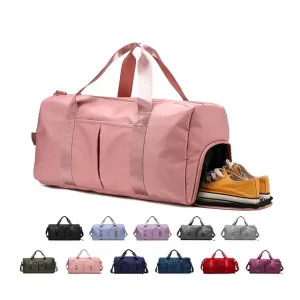
Sports and Gym Bags
Gym bags are routinely exposed to sweat, wet workout gear, and damp towels stored inside. A PU-coated polyester lining or outer shell prevents moisture from seeping outward and protects the bag structure from odor and degradation caused by sustained dampness.
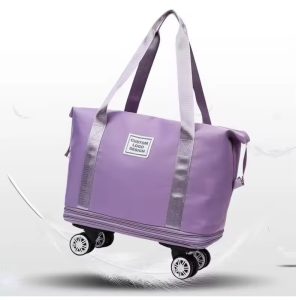
Bolsas de Viagem
Travel bags face rain exposure during transit, overhead bin compression, and varied outdoor conditions. PU-coated 600D polyester is the standard specification for this category — it provides reliable moderate-weather protection at a weight and cost point that is practical for large-scale production.
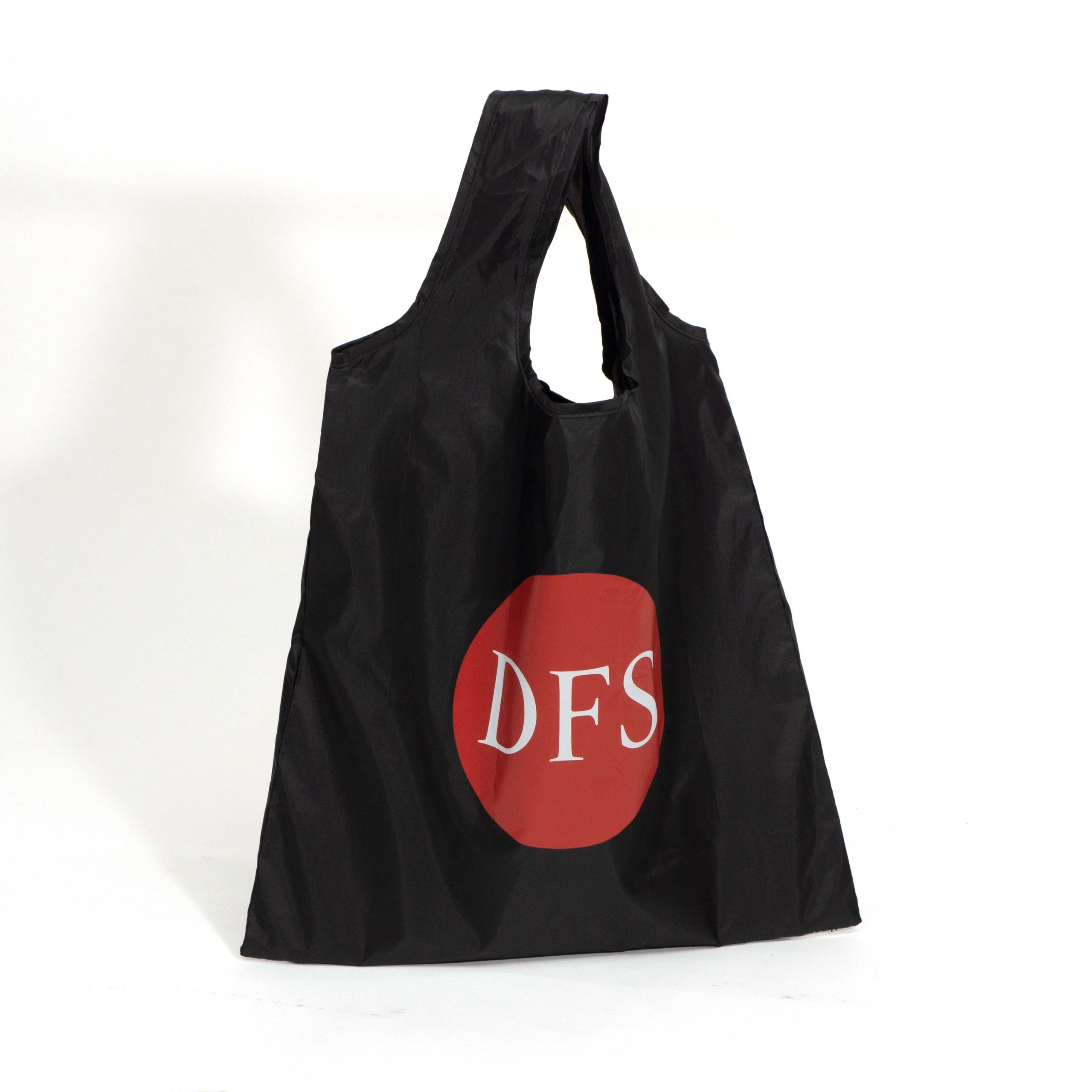
Delivery and Logistics Bags
Delivery bags used in food service, e-commerce fulfilment, or courier operations face prolonged outdoor exposure across weather conditions. PVC-coated polyester offers the durability and high-end waterproof performance this category demands, at a production cost that works at volume.
How to Choose the Right Waterproof Polyester Fabric
Specifying the right waterproof polyester fabric requires aligning four variables: intended use, fabric weight, coating type, and budget. Here is a practical framework for working through each decision:
- Define the Intended Use
The use case determines the required waterproof performance level. A promotional bag for a trade show giveaway needs light splash resistance. A bag for a coastal outdoor brand needs sustained rain protection. Map your use case to the HH rating ranges in the table above before choosing a coating.
- Select the Fabric Weight (Denier)
Match denier to the structural demands of the bag: 210D for lightweight foldables, 420D–600D for everyday carry and promotional bags, 1680D for heavy-duty applications requiring maximum abrasion resistance. Do not over-specify denier if weight and cost are constraints — a well-coated 420D fabric performs better in wet conditions than an uncoated 1680D fabric.
- Choose the Coating Type
Use the cost-to-performance hierarchy below as a starting guide:
| Coating | Best for | Relative Cost |
| PU | Everyday bags, promotional bags, travel bags | Low–Medium |
| PVC | Heavy-duty, logistics, outdoor hardwear bags | Baixo |
| TPU | Premium outdoor products, high-spec technical bags | Medium–High |
| DWR only | Light supplemental protection — always pair with coating | Baixo |
- Consider Printing Requirements
Coating type affects print compatibility. PU-coated fabrics work well with screen printing and support most standard logo methods. PVC surfaces can be more challenging for fine-detail printing. TPU-laminated surfaces generally accept printing well but require specification verification with your manufacturer. If full-color or sublimation printing is required, confirm coating compatibility before finalizing specifications.
- Account for Market Compliance
If you are sourcing for US or EU markets, verify that your chosen coating meets applicable chemical safety regulations. PU and TPU coatings are generally compliant with REACH and Prop 65. PVC coatings may require review depending on plasticizer content and destination market requirements.
Perguntas Frequentes
Is 100% polyester waterproof?
No. 100% polyester fabric is naturally water-resistant — meaning it repels surface moisture and light rain — but it is not waterproof. Water will penetrate uncoated polyester under sustained exposure or pressure. True waterproof performance requires an additional coating such as PU, PVC, or TPU.
Can rain damage polyester bags?
Light rain will not damage a standard polyester bag, but heavy or sustained rain will penetrate uncoated fabric over time. The seams are typically the first point of failure. For bags intended for regular outdoor use in rainy conditions, coated polyester with taped or welded seams is the appropriate specification.
Is polyester more waterproof than cotton?
Yes, significantly. Polyester’s hydrophobic fiber structure gives it inherently better moisture resistance than cotton, which readily absorbs water. Coated polyester outperforms wax-treated cotton in sustained rain conditions. For outdoor and functional bag applications, polyester is the standard choice.
What coating makes polyester waterproof?
PVC coating delivers the highest waterproof rating for polyester bags, followed by TPU lamination, then PU coating. For most everyday applications, PU coating provides adequate performance at the lowest cost. For applications demanding high waterproofing, PVC or TPU is the correct specification.
How long does waterproof polyester last?
The lifespan of waterproof polyester depends on the coating type and use intensity. PU coatings may show performance degradation after several years, particularly with frequent washing or high UV exposure. PVC and TPU coatings are generally more durable over the long term. DWR surface treatments are the most susceptible to wear and may need refreshing after 20–30 wash cycles.
Is PU-coated polyester waterproof?
PU-coated polyester is partially waterproof — it significantly exceeds the performance of standard polyester and will handle moderate rain, but it does not achieve the same level of protection as PVC or TPU coatings. Hydrostatic head ratings for PU-coated polyester typically range from 1,000 to 5,000 mm, which is adequate for most everyday bag applications.
Conclusion: Specifying Polyester for Real Waterproof Performance
Polyester is naturally water-resistant, and that baseline performance is one of the key reasons it dominates custom bag manufacturing. But water resistance and waterproofing are not the same thing — and treating them as equivalent leads to product specifications that fail in the field.
True waterproof performance in a polyester bag is a function of the complete system: fabric density establishes the base, coating type determines the waterproof ceiling, seam construction closes the gaps, and closure design handles the final weak points. Getting any one of these elements wrong compromises the whole.
For sourcing purposes, the practical takeaway is straightforward: define the moisture performance your end user actually needs, match that to the appropriate coating specification, and verify that the seam and closure construction is consistent with that performance requirement. A clear specification prevents costly surprises after production.
Selecting the right polyester fabric and coating for your bag project? Contact our team for fabric samples, technical specifications, and production guidance tailored to your application.
 Portuguese
 English
 French
 German
 Japanese
 Arabic
 Thai
 Vietnamese
 Russian
 Spanish