
Walk into any bag factory showroom and polyester and nylon look almost identical on the shelf. They share similar weights, similar textures, and similar price points at a glance. Yet the difference between specifying one over the other can determine whether a bag survives two years of daily use or starts showing seam stress within six months — and whether your logo still looks sharp after a summer of outdoor use or has faded to a ghost of its original color.
The core distinction, stated plainly: nylon is stronger and more flexible, making it the right choice for heavy-duty and performance-driven applications. Polyester is more UV-resistant, more abrasion-resistant, better suited to high-quality custom printing, and significantly more cost-effective — making it the right choice for everyday, promotional, and lifestyle bag applications.
Neither material is universally superior. The right choice depends on what the bag needs to do, how it will be branded, and what the production budget allows. This guide breaks down eight key performance dimensions, maps both materials to specific bag types and applications, and ends with a practical decision framework for sourcing teams.
What Is Polyester?
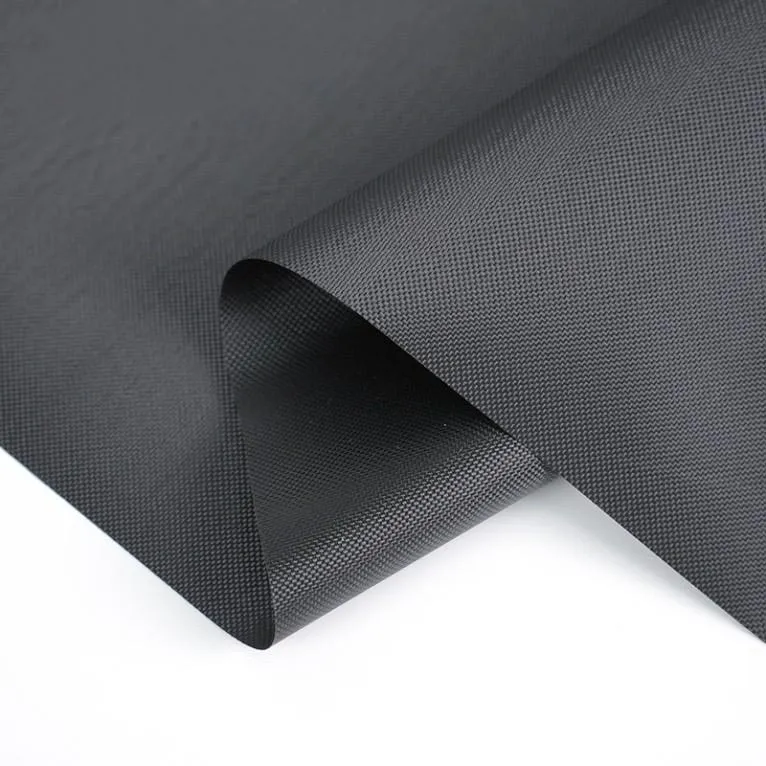
Polyester is a synthetic fiber produced from PET — polyethylene terephthalate — a petroleum-derived polymer that is also the base material for plastic bottles. In bag manufacturing, polyester fabric is woven from PET yarns and is available in a wide range of deniers, from lightweight 210D film-like fabrics to heavy 1680D structural materials.
Its defining characteristics for bag applications:
- UV-resistant — retains color and structural integrity under prolonged sunlight exposure
- Abrasion-resistant — surface resists pilling, scuffing, and daily friction wear
- Hydrophobic — low moisture absorption (~0.4%) means fast drying and good moisture management
- Print-compatible — accepts sublimation, screen printing, and digital printing with excellent color fidelity
- Cost-effective — lower raw material and production costs, especially at volume
Polyester is the default material for the majority of custom and promotional bag production globally. Its combination of performance, printability, and affordability makes it the practical workhorse of the industry.
What Is Nylon?
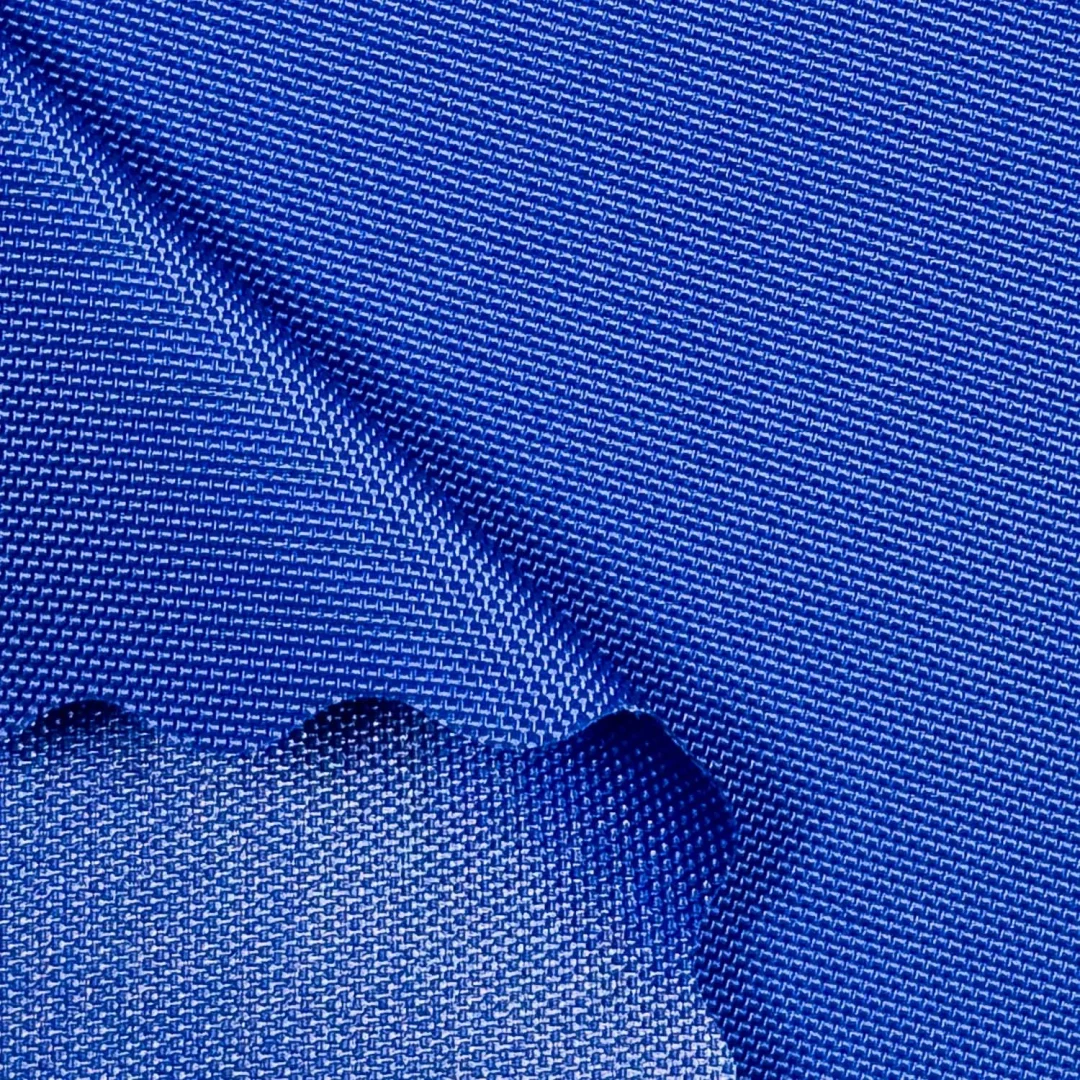
Nylon is a synthetic polyamide fiber, first developed by DuPont in 1935 as a replacement for silk. In bag manufacturing, nylon is produced primarily as 6,6-nylon or 6-nylon — two polyamide variants with slightly different mechanical properties but broadly similar performance profiles. Nylon is processed into bag fabrics ranging from fine-weave 210D materials to heavy tactical-grade 1680D and Cordura constructions.
Its defining characteristics for bag applications:
- High tensile strength — molecular chain structure allows significant elongation before fiber failure
- Excellent flexibility — absorbs directional stress well, making it resilient under sudden load or impact
- Lighter at equivalent strength — a lower-denier nylon fabric can match the load capacity of a higher-denier polyester
- Soft, smooth hand feel — nylon’s surface has a natural sheen and silky texture that reads as premium
- Higher cost — raw material and processing complexity places nylon 20–30% above polyester at comparable specifications
Nylon is the material of choice for performance bags, premium backpacks, outdoor gear, and applications where maximum strength-to-weight ratio is the primary requirement.
Polyester vs Nylon: Key Differences at a Glance
The following table summarizes how the two materials compare across the dimensions that matter most in bag sourcing. Each row is expanded in detail in the sections below.
| Factor | Polyester | Nylon |
| Tensile Strength | Good | Excellent — 20–30% stronger |
| Abrasion Resistance | Excellent — resists pilling | Good — surface pills over time |
| UV Resistance | Excellent — color-stable | Lower — fades and weakens |
| Water Resistance | Good — fast drying (~0.4% MR) | Moderate — absorbs more (~4% MR) |
| Weight (same denier) | Standard | Lighter per unit strength |
| Color Retention | Excellent | Moderate |
| Printing Compatibility | Excellent — sublimation ready | Moderate — requires pre-treatment |
| Cost (bulk) | Lower ($1–3/m) | Higher ($2–6/m, ~20–30% premium) |
| Eco / Recycled Option | rPET — widely available | Recycled nylon — available, premium |
| Best For | Everyday, promo, lifestyle | Heavy-duty, outdoor, premium gear |
Durability: Which Material Is Stronger?
Durability in bag fabrics is not a single property — it breaks down into at least two distinct dimensions that behave differently across the two materials. Conflating them leads to poor specification decisions.
Tensile Strength — Nylon Wins
Nylon’s polyamide molecular chains are long, flexible, and capable of significant elongation before failure. Under directional load — a strap taking a sudden jerk, a seam under sustained heavy weight — nylon fibers stretch to absorb energy rather than breaking immediately. At equivalent denier specifications, nylon typically delivers 20–30% higher tensile strength than polyester. A 420D nylon panel can match the load capacity of a 600D polyester panel while using less material.
Abrasion Resistance — Polyester Wins
Polyester fibers are finer in diameter and can be woven at higher thread counts without increasing fabric thickness. This produces a tighter surface that resists the friction-driven damage of daily use: scuffs from dragging, rubbing against hard surfaces, and the contact wear that causes pilling. Nylon’s surface is more prone to pilling over time — the fuzzing at strap edges and zipper contact points that makes a bag look worn before it structurally fails.
Dimensional Stability in Humid Conditions
Polyester’s extremely low moisture absorption (~0.4% moisture regain) means the fabric maintains its dimensions and structural shape consistently in humid environments. Nylon’s higher moisture absorption (~4% moisture regain) means the fabric can absorb up to 8% of its weight in water when wet, which introduces slight dimensional change and extended drying times.
Sourcing principle: Choose nylon when load-bearing strength and tear resistance are the primary requirements. Choose polyester when surface appearance longevity and resistance to daily friction wear matter more.
Water Resistance: How Do They Perform in Wet Conditions?
Both polyester and nylon require coating treatments to achieve genuine waterproof performance — neither material is waterproof in its raw state. However, their baseline moisture behavior differs in ways that affect real-world performance even before coatings are applied.
| Property | Polyester | Nylon |
| Moisture Regain Rate | ~0.4% | ~4% |
| Water Absorption when Wet | Minimal | Up to 8% of weight |
| Natural Surface Repellency | Better — hydrophobic PET | Moderate |
| Drying Speed | Fast | Slower |
| Coating Adhesion | Good — PU bonds well | Excellent — flexible substrate |
| Max Waterproof Potential | High with PVC/TPU coating | Very high — coating flexibility advantage |
In practical terms: an uncoated polyester bag will repel a light rain shower better than an uncoated nylon bag, simply because the PET fiber surface repels water more naturally. However, nylon’s higher flexibility makes it a better substrate for high-performance waterproof coatings — PU and TPU layers adhere and flex more seamlessly on nylon, which is why the highest-specification dry bags and technical rain gear often use coated nylon rather than coated polyester.
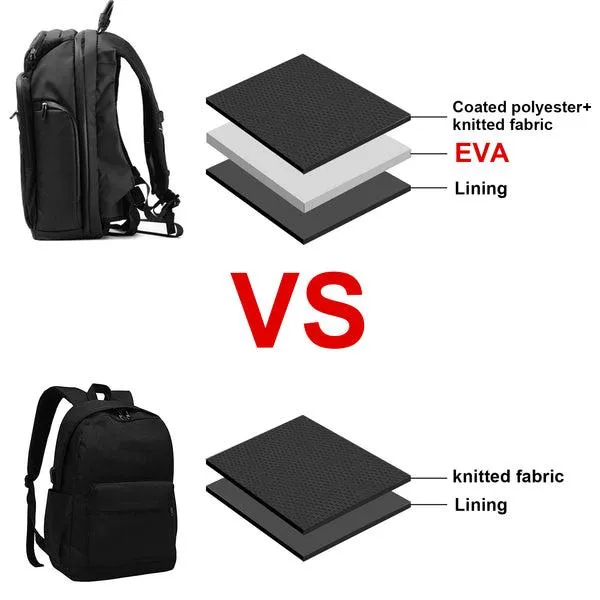
For most standard bag applications — foldable shopping bags, promotional bags, travel bags — PU-coated polyester delivers entirely adequate waterproof performance at lower cost. Coated nylon is the specification for bags requiring maximum waterproof performance under sustained or high-pressure conditions.
Related reading: For a full breakdown of coating types (PU, PVC, TPU) and hydrostatic head ratings, see: Is Polyester Waterproof? Everything You Need to Know.
UV Resistance and Color Retention
This is the dimension where the performance gap between the two materials is sharpest — and where many sourcing decisions go wrong when UV exposure is not adequately considered.
Polyester — Significantly Superior UV Performance
Polyester’s ester molecular bonds are relatively stable under ultraviolet radiation. Independent testing indicates that polyester fabric retains approximately 80% of its original tensile strength after 500 hours of UV chamber exposure — the equivalent of extended outdoor use over multiple seasons. Color retention under UV is similarly strong: polyester’s dye absorption characteristics allow pigments to remain vibrant even after prolonged sunlight exposure.
Nylon — Meaningful UV Vulnerability
Nylon’s amide molecular bonds are more susceptible to UV-induced degradation. The same 500-hour UV chamber test that leaves polyester largely intact can reduce nylon’s tensile strength by up to 50%. In real-world terms, this means nylon bags left in direct sunlight — on a beach, at an outdoor market, stored in a car — will show visible fading and structural weakening over time at a rate that polyester does not.
Sourcing implication: For any bag application involving regular outdoor use, sunlight exposure, or long-term color fidelity requirements, polyester is the safer specification. Nylon should not be specified for bags that will spend significant time in direct sun without UV-stabilizing treatment.
Printing and Customization: Which Fabric Works Better for Branding?
For branded bags, the quality and longevity of logo presentation is a primary performance requirement. The two materials respond very differently to the printing methods used in commercial bag production.
Polyester — The Clear Leader for Custom Printing
Polyester is the preferred substrate for custom logo work because it accepts the full range of commercial printing methods with predictable, high-quality results:
- Sublimation printing: Dye-sublimation bonds directly to PET fibers at the molecular level, producing full-color, photographic-quality prints with exceptional wash durability. This process is only available on polyester.
- Screen printing: Clean ink adhesion on polyester produces sharp, vibrant single and multi-color logos with good longevity.
- Digital printing: Full-color digital processes perform well on polyester, enabling complex designs at moderate quantities.
- Color accuracy: Polyester’s stable dye chemistry means brand colors can be matched precisely and will hold their specification through the product’s lifecycle.
Nylon — More Limited Printing Compatibility
Nylon’s chemical structure makes some printing processes more challenging:
- Sublimation printing does not work on standard nylon — the dye cannot bond to polyamide fibers without specialized carrier chemistry and pre-treatment, adding cost and complexity.
- Screen printing and embroidery are both viable on nylon and produce acceptable results for simpler logo work.
- Deep or saturated colors can be harder to achieve consistently on nylon, particularly in darker shades.
- Print longevity on nylon is generally lower than polyester under equivalent washing and UV conditions.
Sourcing recommendation: For any bag specification requiring full-color branding, complex logo work, photographic imagery, or precise brand color matching, polyester is the correct material. Nylon is acceptable for embroidery or simple screen-printed logos where print complexity is low.
Cost Comparison: Polyester vs Nylon
Raw material pricing is a significant factor in high-volume bag sourcing decisions. The cost differential between the two materials is consistent and meaningful across the supply chain.
| Cost Factor | Polyester | Nylon |
| Raw Material (approx.) | $1–3 per meter | $2–6 per meter |
| Cost Premium | Baseline | ~20–30% above polyester |
| Production Energy | Lower | Higher — more complex processing |
| rPET / Recycled Option | rPET widely available | Recycled nylon available at premium |
| MOQ Sensitivity | Low MOQ widely available | Higher MOQ common for specialty specs |
The cost gap is driven by production complexity. Nylon polymerization is a more energy-intensive process than PET production, and nylon’s global supply chain is less commoditized than polyester’s — which benefits from massive scale driven by the PET bottle recycling industry. At large production volumes, the per-unit cost difference between a polyester and nylon bag of equivalent construction can represent a material budget impact.
Practical guideline: For promotional bags, event giveaways, or any application where cost-per-unit is a primary constraint, polyester delivers the better return. For premium product lines where the material’s performance properties justify a higher price point, nylon’s cost premium is defensible.
Sustainability: Which Material Has the Better Environmental Profile?
Both polyester and nylon are petroleum-derived synthetic materials — neither is biodegradable under standard conditions. However, both have credible sustainable alternatives, and the two pathways differ in accessibility and cost.
Recycled Polyester — rPET
Recycled polyester, produced from post-consumer PET plastic bottles, is the most widely adopted sustainable fabric option in the bag industry. rPET production consumes approximately 50% less energy than virgin polyester production. The supply chain is mature, GRS (Global Recycled Standard) certification is readily available, and rPET is produced at volumes that make it cost-competitive with virgin polyester for most applications. Brands can quantify their environmental impact precisely — most rPET bags incorporate a specific number of recycled bottles per unit, enabling direct consumer communication.
Recycled Nylon
Recycled nylon — the most prominent example being ECONYL®, produced from recovered ocean fishing nets and industrial nylon waste — is a credible and increasingly visible sustainable material. However, its supply chain is smaller, production costs are higher, and the premium over virgin nylon is significant. Recycled nylon is well suited to premium outdoor brands and product lines where sustainability is a primary brand differentiator and price premium is accepted by the market.
Industry reality: For most brands entering sustainable bag sourcing for the first time, rPET polyester is the practical starting point. The supply chain is established, the cost premium is manageable, and the communication story is straightforward. Recycled nylon is the right choice for brands positioned at the premium outdoor or performance tier where sustainability credentials command price.
Best Applications for Polyester Bags
Polyester’s combination of UV stability, abrasion resistance, print compatibility, and cost efficiency makes it the optimal material across a wide range of bag categories. The following applications represent where polyester’s properties deliver the clearest performance and value advantage.
Promotional Bags and Event Giveaways
Promotional bags are produced in high volume, distributed broadly, and expected to carry brand identity effectively across their lifespan. Polyester delivers on all three requirements. Its compatibility with sublimation and screen printing ensures logos reproduce accurately and remain vibrant even after months of use. UV resistance protects color integrity for bags kept in vehicles, offices, or outdoor environments. And the lower cost per unit allows larger distribution budgets to go further.
Recommended spec: 210D–420D polyester with PU backing, screen print or sublimation logo, reinforced handles. rPET versions add a sustainability narrative at minimal cost premium.

Foldable Reusable Shopping Bags
Foldable bags require fabric that is light enough to compact into a small pouch or pocket, durable enough to withstand repeated folding without cracking, and capable of holding printed designs through hundreds of uses. Polyester — particularly 190T and 210D ripstop constructions — is the standard material for this category. Its low weight, high fold tolerance, and fast-drying surface make it uniquely suited to a bag that will be scrunched, pocketed, and used in all weathers.
Recommended spec: 190T–210D polyester, DWR or PU-light coating, fold-into-pouch construction, sublimation or screen print logo.

Cooler Bags and Insulated Bags
Cooler bags must handle condensation from ice packs, food-borne moisture, and exterior rain exposure simultaneously. Polyester’s hydrophobic surface resists moisture penetration from the outside, while its dimensional stability under temperature variation prevents the outer shell from warping or degrading. A PU or PVC-coated 600D polyester outer shell combined with an aluminum-foil or PEVA thermal lining is the industry standard construction for this category.
Recommended spec: 600D polyester with PU or PVC coating, heat-sealed or welded seam construction, thermal interior lining.

Gym Bags and Sports Bags
Gym bags face consistent exposure to sweat, damp workout gear, and frequent machine washing. Polyester’s low moisture absorption means the outer fabric resists sweat saturation and dries rapidly between uses. Its abrasion resistance withstands the friction of being dropped on changing room floors and dragged across lockers. Sublimation printing enables bold, sport-appropriate graphics that hold their impact through repeated washing.
Recommended spec: 600D polyester, PU coating on base panel, ventilation panels in mesh polyester, heat transfer or sublimation logo.
Travel Bags and Weekenders
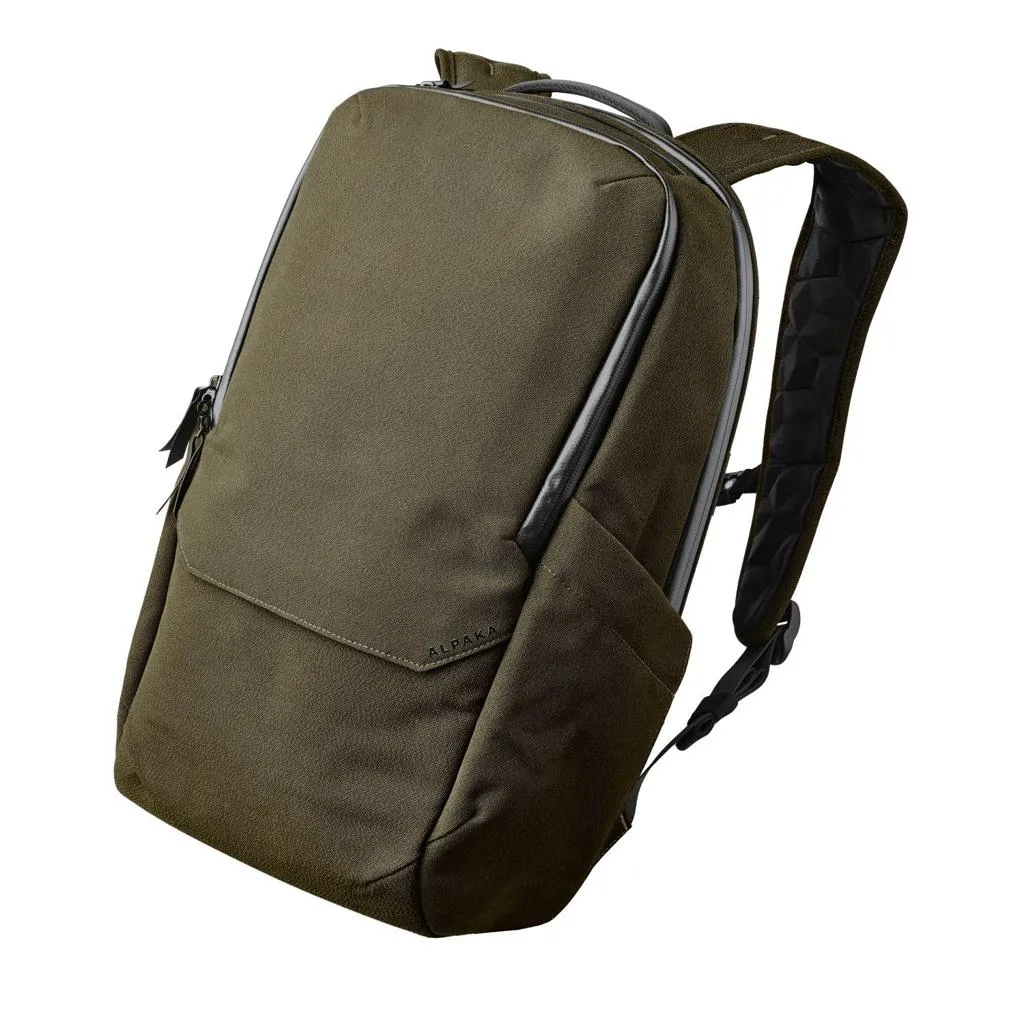
Travel bags need to handle a range of conditions: overhead bin compression, airport conveyor belt contact, occasional rain exposure, and extended periods between cleaning. Polyester’s abrasion resistance protects surface appearance through the rough handling of travel. UV stability ensures colors do not degrade during trips in sun-exposed vehicles or outdoor transfers. PU-coated 600D polyester provides adequate weather protection for most travel scenarios at a weight and cost point that makes sense for this category.
Recommended spec: 600D polyester with PU coating, reinforced base corners, water-resistant zipper, screen print or woven label logo.

Retail and Lifestyle Tote Bags
Retail tote bags produced in polyester serve a different positioning than cotton canvas totes — they lean functional and colorful rather than artisan and natural. Where the brand identity calls for bold graphics, vibrant color blocks, or photographic print quality, polyester’s sublimation compatibility delivers results that cotton cannot match. For fashion-forward or tech-influenced lifestyle brands, polyester provides a clean, modern aesthetic that aligns with a performance-oriented brand identity.
Recommended spec: 600D polyester, sublimation full-coverage print or screen print, structured bottom panel, reinforced handles.

Delivery Bags and Logistics Bags
Food delivery, e-commerce fulfilment, and courier operations require bags that withstand sustained outdoor exposure, high-frequency daily use, and repeated loading and unloading. Polyester — particularly PVC-coated 600D or 1680D constructions — delivers the abrasion resistance, weather protection, and structural integrity this category demands at a production cost that works at the volumes logistics operations require.
Recommended spec: 600D–1680D polyester with PVC or heavy PU coating, welded or taped seams, reinforced base, thermal or insulated lining for food delivery applications.

Best Applications for Nylon Bags
Nylon’s superior tensile strength, high strength-to-weight ratio, and premium hand feel make it the correct specification for bags where structural performance, load-bearing capacity, or brand positioning at the premium tier are the primary requirements. The following applications represent where nylon’s properties deliver a clear advantage over polyester.
Technical and High-Performance Backpacks
Backpacks designed for hiking, mountaineering, or sustained heavy-load carrying require fabric that can absorb repeated directional stress without seam failure or structural deformation. Nylon’s tensile strength and flexibility make it the standard specification for this category. A 420D or 630D nylon main body can carry loads that would stress the seams of an equivalent polyester construction — not because polyester lacks durability, but because nylon’s molecular structure handles sudden load spikes and sustained tension more effectively.
Recommended spec: 420D–630D nylon (ripstop or plain weave), PU or TPU coating, taped or RF-welded seams on high-stress panels, YKK zippers, padded shoulder and back system.
Premium Travel Luggage and Duffel Bags
Travel luggage and large-format duffel bags are subjected to rough handling by baggage systems, stacking pressure in cargo holds, and general physical abuse that smaller bags avoid. Nylon’s higher tear resistance and puncture resistance make it the specification for bags where the contents are valuable and the bag itself must survive years of hard travel. The premium hand feel and subtle sheen of nylon fabric also reads as higher quality at the point of purchase — relevant for brands positioning at the premium retail tier.
Recommended spec: 1050D or 1680D nylon (ballistic weave), YKK zippers throughout, reinforced base and corner panels, internal organization structure, water-resistant coating.
Tactical and Military-Style Bags
Tactical bags — including MOLLE-compatible packs, range bags, and law enforcement carry — require the highest available fabric strength, abrasion resistance, and structural rigidity. Cordura® nylon, produced in 500D, 1000D, and 1680D weights, is the industry standard for this category. Its tight weave, high denier, and nylon base deliver performance that no polyester construction can match under the conditions these bags face: rough terrain, sharp object contact, sustained heavy loads, and operational environments where bag failure has real consequences.
Recommended spec: 1000D Cordura nylon, bartack reinforcement at all stress points, YKK or ITW hardware, water-resistant treatment, modular attachment compatibility.
Laptop Bags and Professional Carry
Laptop bags must balance protective performance — resisting the impact of being set down hard, dropped, or compressed — with a professional aesthetic that communicates quality. Nylon’s higher tear resistance protects against the seam failures that most compromise laptop bag performance, while its smooth, slightly lustrous surface gives a polished appearance that suits corporate and professional contexts. The softer hand feel of nylon is also perceived as higher quality by end users in premium business accessory markets.
Recommended spec: 840D or 1050D nylon outer shell, 420D nylon lining, padded laptop compartment, water-resistant treatment, YKK zipper pulls, clean minimal logo treatment via woven label or debossed patch.
Outdoor and Adventure Sports Bags
Bags designed for climbing, trail running, kayaking, and other outdoor adventure sports operate in conditions that stress both fabric strength and weather protection simultaneously. Nylon’s tensile strength handles the sudden loads of technical climbing gear or the abrasion of rocky trail contact, while PU or TPU-coated nylon constructions deliver the waterproof ratings these conditions demand. Recycled nylon options (ECONYL®) are increasingly specified by outdoor brands with public sustainability commitments.
Recommended spec: 420D–630D nylon with TPU lamination, RF-welded seams, roll-top or storm-flap closure, reinforced grab handles, external attachment points.
Premium Retail and Fashion Bags
When a fashion or lifestyle brand requires a bag that carries a premium positioning signal through its material alone — not just its design — nylon is the specification that delivers it. Nylon’s natural sheen, soft drape, and smooth surface give it a quality reading that polyester’s matte finish does not replicate. High-end accessory brands, luxury retail packaging bags, and designer collaborations that require a bag to feel as premium as it looks specify nylon for exactly this reason.
Recommended spec: 210D or 420D nylon (woven or ripstop), minimal visible hardware, tonal or contrasting woven label logo, interior lining, magnetic or structured closure.
Tool Bags and Heavy-Duty Work Bags
Work bags and tool carriers are among the most demanding bag applications in terms of raw durability requirements. They carry sharp and heavy objects, are frequently dropped, and must maintain structural integrity through years of daily professional use. High-denier nylon — particularly 1680D ballistic nylon — provides the puncture resistance and tear strength this category requires. Reinforced base panels and bartacked stress points are essential in this construction regardless of material, but nylon’s higher baseline strength provides a larger safety margin for critical seam and panel areas.
Recommended spec: 1680D ballistic nylon, PVC-coated base, stainless or brass hardware, bartack reinforcement at handles and D-rings, internal pockets in 420D nylon.
How to Choose: A Decision Framework for Sourcing Teams
The material selection decision simplifies significantly once the primary performance requirement is identified. Use the following framework:
Step 1: Identify the primary use case
Is the bag primarily a branding vehicle (promotional bag, retail tote, event giveaway) or a functional product (backpack, outdoor gear, work bag)? Branding vehicles almost always point to polyester. Functional products require a closer assessment of load, environment, and lifespan.
Step 2: Assess the critical performance requirement
| If the Priority Is… | Recommended Material |
| Maximum tensile strength / load-bearing | Nylon |
| Surface appearance longevity / abrasion | Polyester |
| UV stability / outdoor color retention | Polyester |
| Full-color custom printing / sublimation | Polyester |
| Lowest cost at volume | Polyester |
| Lightest weight at equivalent strength | Nylon |
| Premium hand feel / retail positioning | Nylon |
| Maximum waterproofing (coated) | Nylon (coating flexibility advantage) |
| Sustainable / recycled — accessible spec | rPET Polyester |
| Sustainable / recycled — premium positioning | Recycled Nylon (ECONYL®) |
Step 3: Match denier to structural requirements
| Denier Range | Polyester Applications | Nylon Applications |
| 190T – 210D | Foldable bags, inner linings | Packable jackets, lightweight pouches |
| 420D | Daypacks, sports bags, promo bags | Premium daypacks, laptop sleeves |
| 600D | Backpacks, travel bags, cooler bags | Mid-range technical packs |
| 840D – 1050D | Heavy-duty backpacks, luggage | Laptop bags, premium travel bags |
| 1680D | Logistics, delivery, industrial bags | Tactical gear, tool bags |
Frequently Asked Questions
Is nylon stronger than polyester?
In tensile strength — yes. Nylon’s molecular structure allows higher elongation before fiber failure, giving it a meaningful strength advantage for load-bearing and tear resistance. However, polyester outperforms nylon in abrasion resistance, the surface-level durability that determines how long a bag looks new. The right answer depends on which type of strength matters for your specific application.
Which is more waterproof, nylon or polyester?
Neither is waterproof in its uncoated state. Polyester repels surface moisture more naturally due to its hydrophobic fiber structure and dries faster. However, nylon’s flexibility makes it a superior substrate for high-performance waterproof coatings — coated nylon achieves higher sustained waterproof ratings in demanding conditions. For everyday applications, coated polyester is sufficient and more cost-effective.
Is polyester or nylon better for a backpack?
It depends on the backpack’s intended use. For everyday use, school bags, and promotional backpacks, polyester 420D–600D is the standard and appropriate specification — durable, cost-effective, and easy to customize. For technical hiking, heavy-load carrying, or premium positioning, nylon 420D–630D or higher delivers the strength, weight efficiency, and quality perception the application demands.
Why is nylon more expensive than polyester?
Nylon polymerization is a more chemically complex and energy-intensive manufacturing process than PET production. Polyester also benefits from the massive scale of the global PET bottle recycling supply chain, which keeps raw material costs lower and supply more consistent. The combined effect is a 20–30% cost premium for nylon over polyester at comparable denier specifications.
Is nylon or polyester better for the environment?
Both materials have sustainable versions. Recycled polyester (rPET) is more widely available, more cost-accessible, and backed by a more mature supply chain — making it the practical starting point for most brands. Recycled nylon (ECONYL®) is a high-quality sustainable option but carries a significant price premium, making it more appropriate for brands positioned at the premium outdoor or performance tier where sustainability credentials justify the cost.
Can both nylon and polyester be printed with a logo?
Yes, but with meaningful differences in capability. Polyester accepts the full range of commercial printing methods — particularly sublimation, which delivers photographic-quality full-color results and is only possible on polyester. Nylon is compatible with screen printing and embroidery but does not support sublimation without special pre-treatment. For complex, colorful, or full-coverage logo work, polyester is the correct specification.
Conclusion: Matching Material to Application
Polyester and nylon are not competing for the title of ‘best bag material’ — they are optimized for different things, and the sourcing decision is most accurately framed as a matching exercise rather than a ranking exercise.
Polyester is the right material when the priorities are brand expression, color retention, UV stability, print quality, and cost efficiency. It is the dominant material in promotional bags, foldable bags, cooler bags, gym bags, and any application where high-volume production and vibrant customization define success.
Nylon is the right material when the priorities are maximum structural strength, lightweight high-performance construction, premium brand positioning, or technical specifications that polyester cannot reliably meet. It is the dominant material in technical backpacks, premium travel bags, tactical gear, and any application where the bag’s performance under load and stress is the primary value proposition.
In most sourcing decisions, clarifying the use case — rather than debating material properties in the abstract — will point clearly to the right specification. When both materials are genuinely competitive for a given application, cost and print requirements will typically resolve the question.
Specifying materials for a custom bag project? Contact our team for fabric samples, denier comparisons, coating options, and production guidance matched to your application and volume requirements.

 English
  French
  German
  Japanese
  Arabic
  Thai
Thai  Vietnamese
  Russian
  Spanish
  Portuguese